


Skip to content

Design of Photovoltaic Systems in an Isolated Power Network

RXLea
Digital projects for hands-on learningInteractive learning content, directly connected to the training system.

Design of Photovoltaic Systems in an Isolated Power Network

EPH22PT

Plan, size and commission complete stand-alone PV systems: learners understand every step of self-sufficient energy supply, from the solar cell to the finished system.

Learning Content
  • Analyzing the fundamentals of photovoltaic cells and modules
  • Connecting and evaluating solar modules
  • Sizing a stand-alone photovoltaic system
  • Building and commissioning a stand-alone photovoltaic system
KEY FEATURES
  • Analyzing interconnection and shading
  • Analyzing DC/AC conversion and evaluating its efficiency
  • Measuring and balancing energy flows in storage operation
  • Project-based learning: planning a complete stand-alone system
Speak with a Product Specialist +1 (757) 808-5696 · sales@lucas-nuelle.com

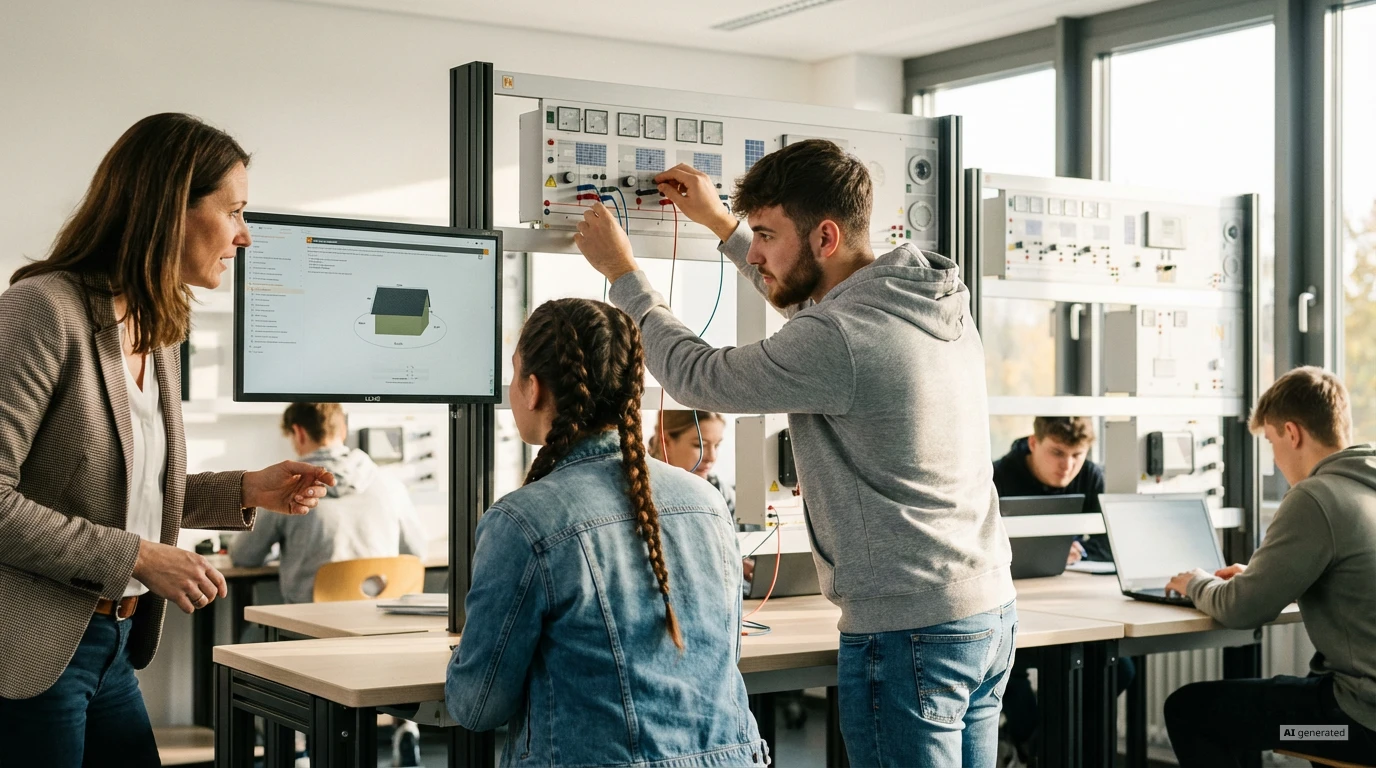
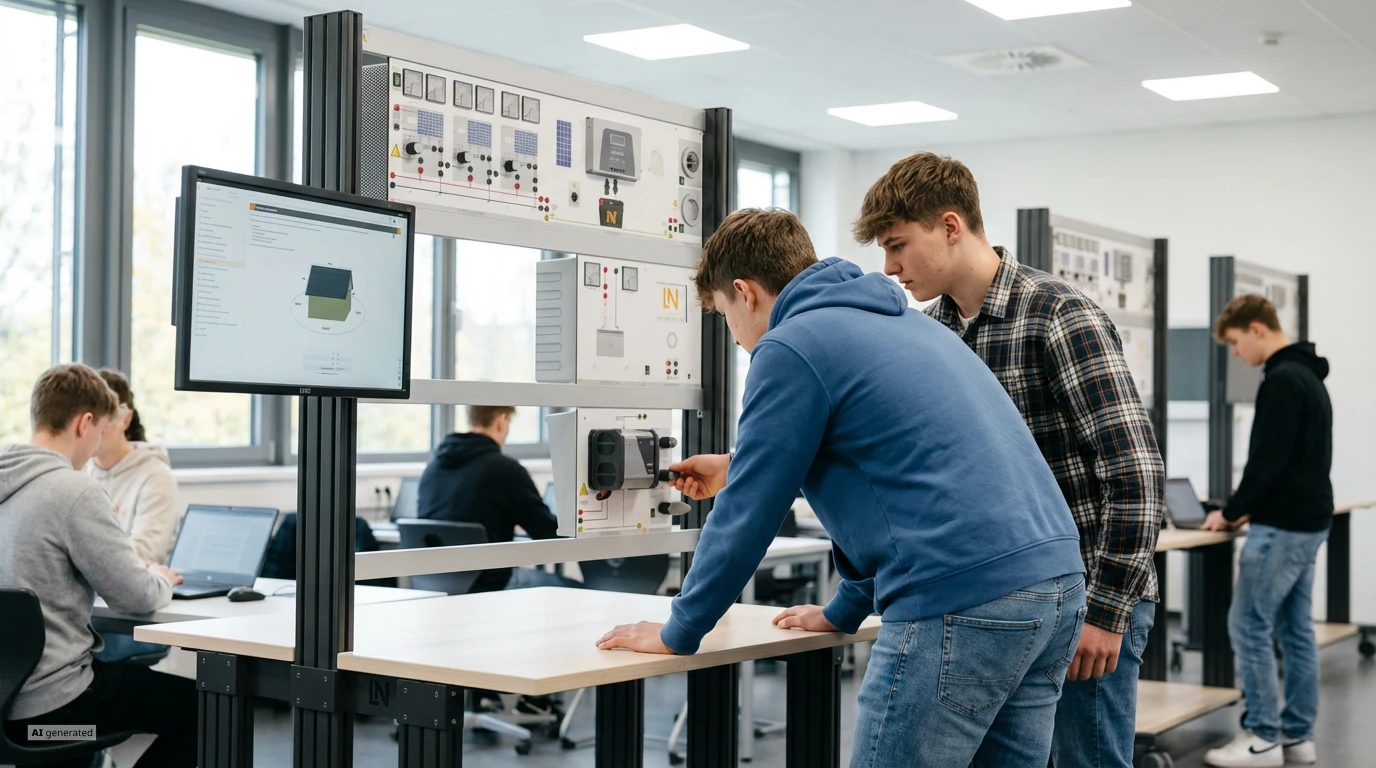
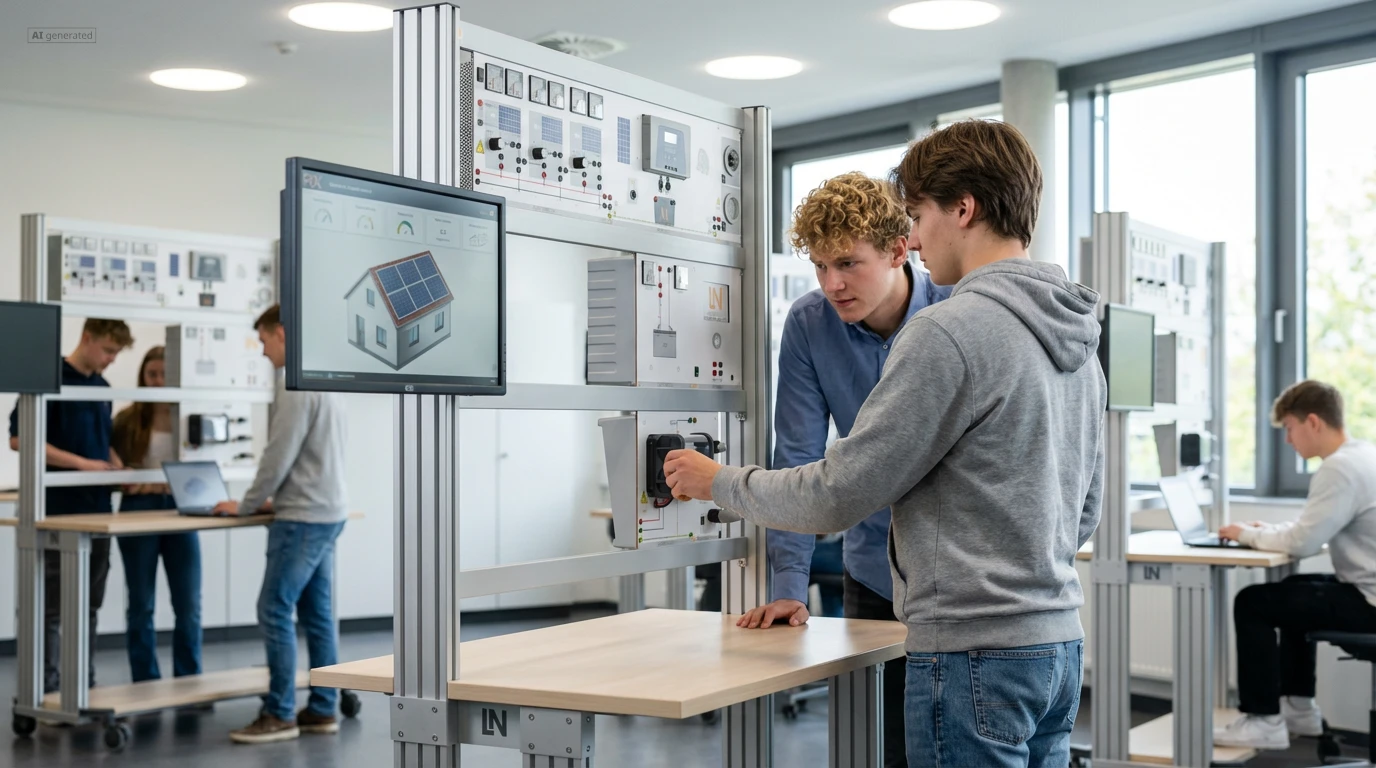
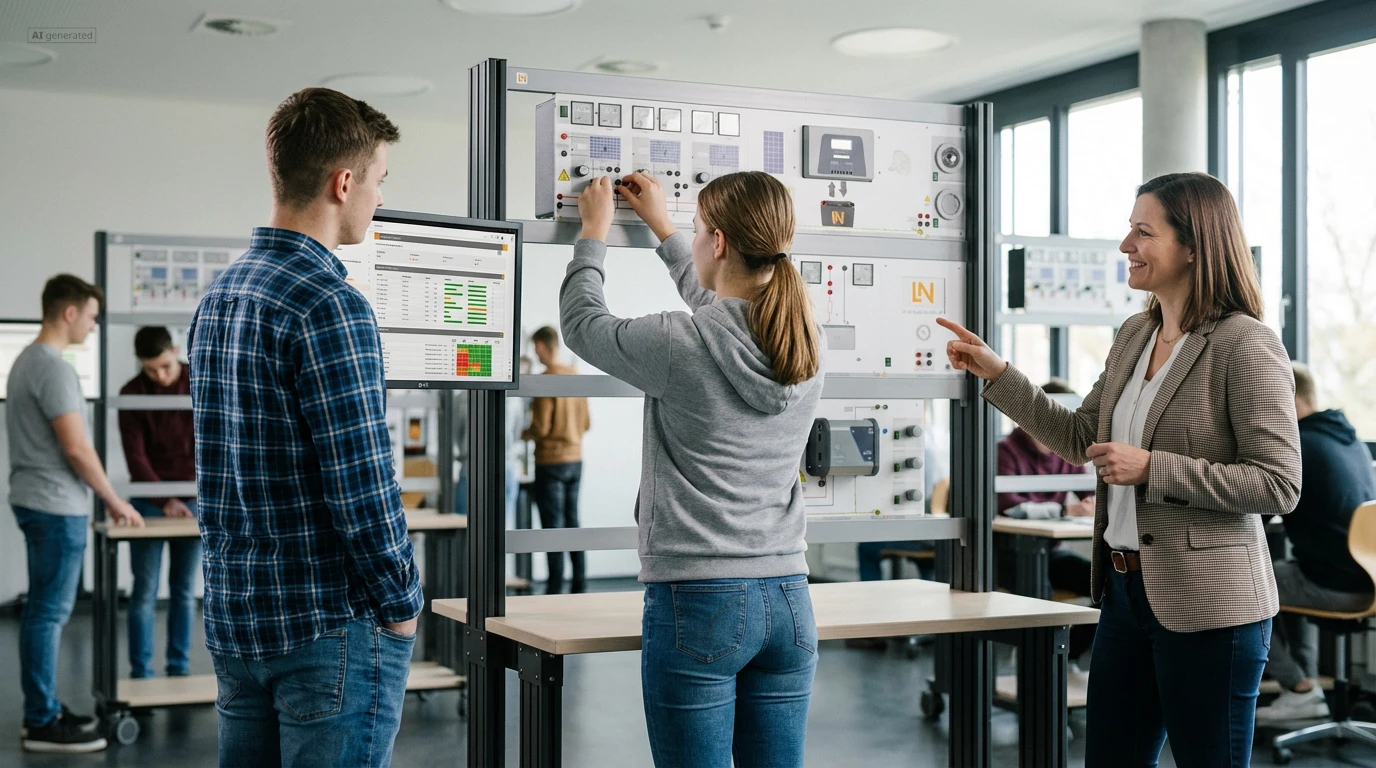
Stand-alone photovoltaic systems are a key technology for locations without access to the public grid. This Lucas-Nülle training system enables learners to experience the entire engineering process in a practical way, from analyzing solar irradiance to designing the right battery storage. They learn how to plan, size and commission self-sufficient power supply systems for vacation homes, measuring stations or mobile applications. The system provides a complete set of practical training equipment for investigating individual solar cells in detail and for building complete self-sufficient systems with energy storage and a 230 V inverter. The success of such systems depends on careful planning and sizing – and these are exactly the skills you teach with this system.

CO3208-2ASolar charge controller 12V, 30A
CO3208-1ESolar Accumulator 12V, 7Ah
CO3208-1FOff-grid inverter 230V, 275VA
CO3208-1KLamp board 12V
CO3208-4LLamp board 230V
CO3208-1JLoad unit 1kOhm, 500W
SO2800-6QInteractive Lab Assistant: Photovoltaic systems - Advanced course
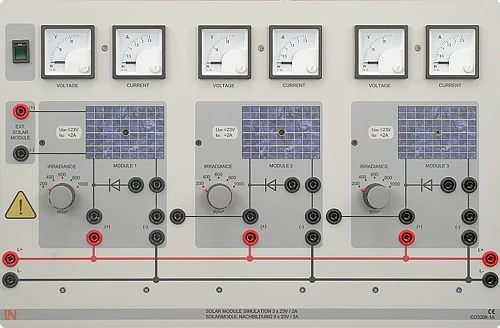
CO3208-1ASolar module simulation model, 3-fold, 23V / 2A
CO5127-2APower-Multimeter
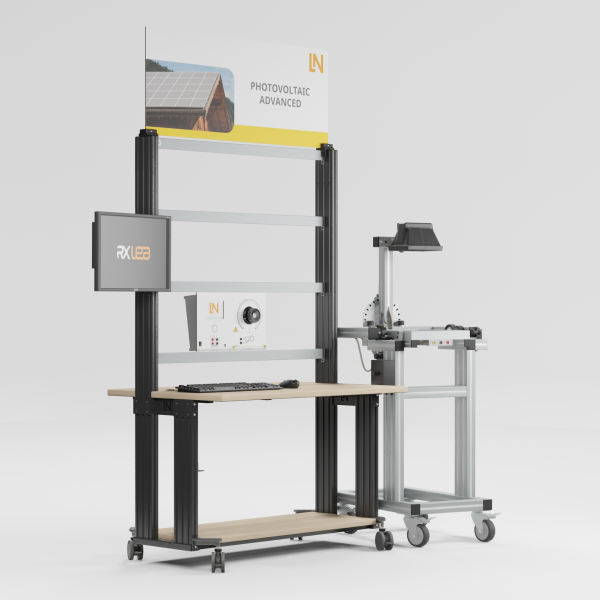
CO3208-1XSolar module with adjustable angle of inclinationoptional
SO5148-2BSet of safety measurement cables 4mm, 10m, 4 pcsoptional
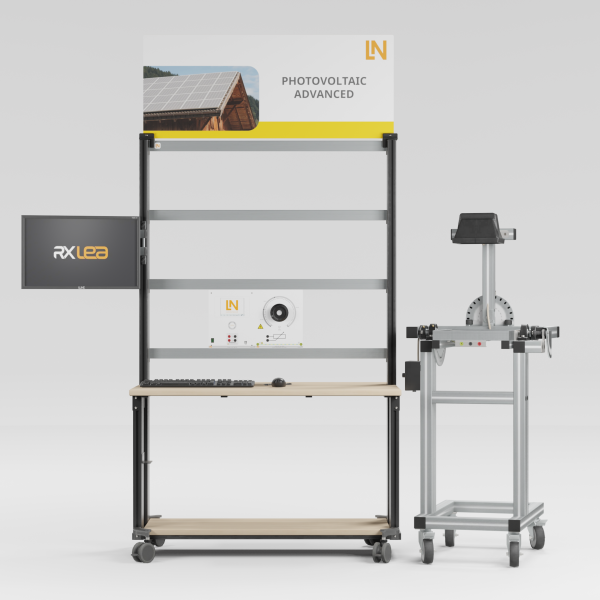
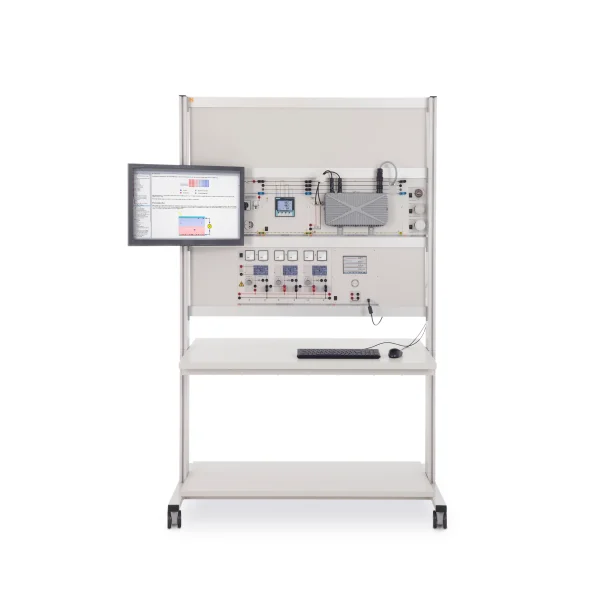
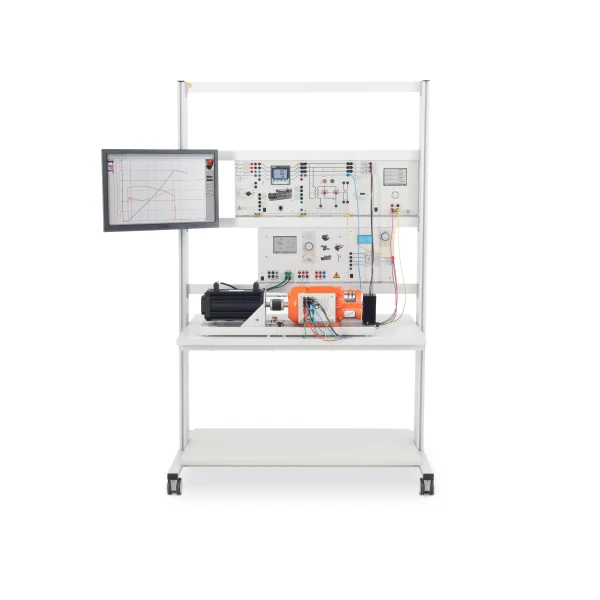
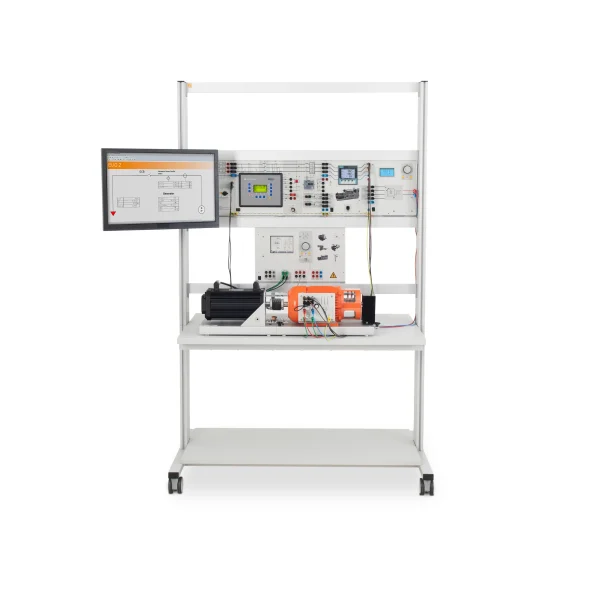
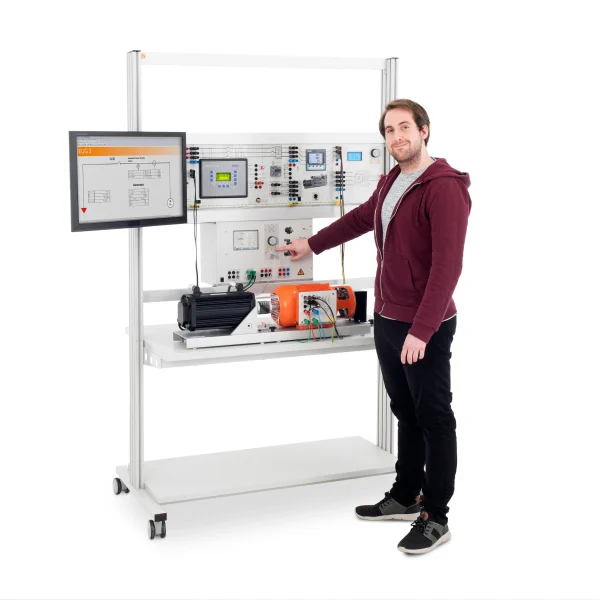
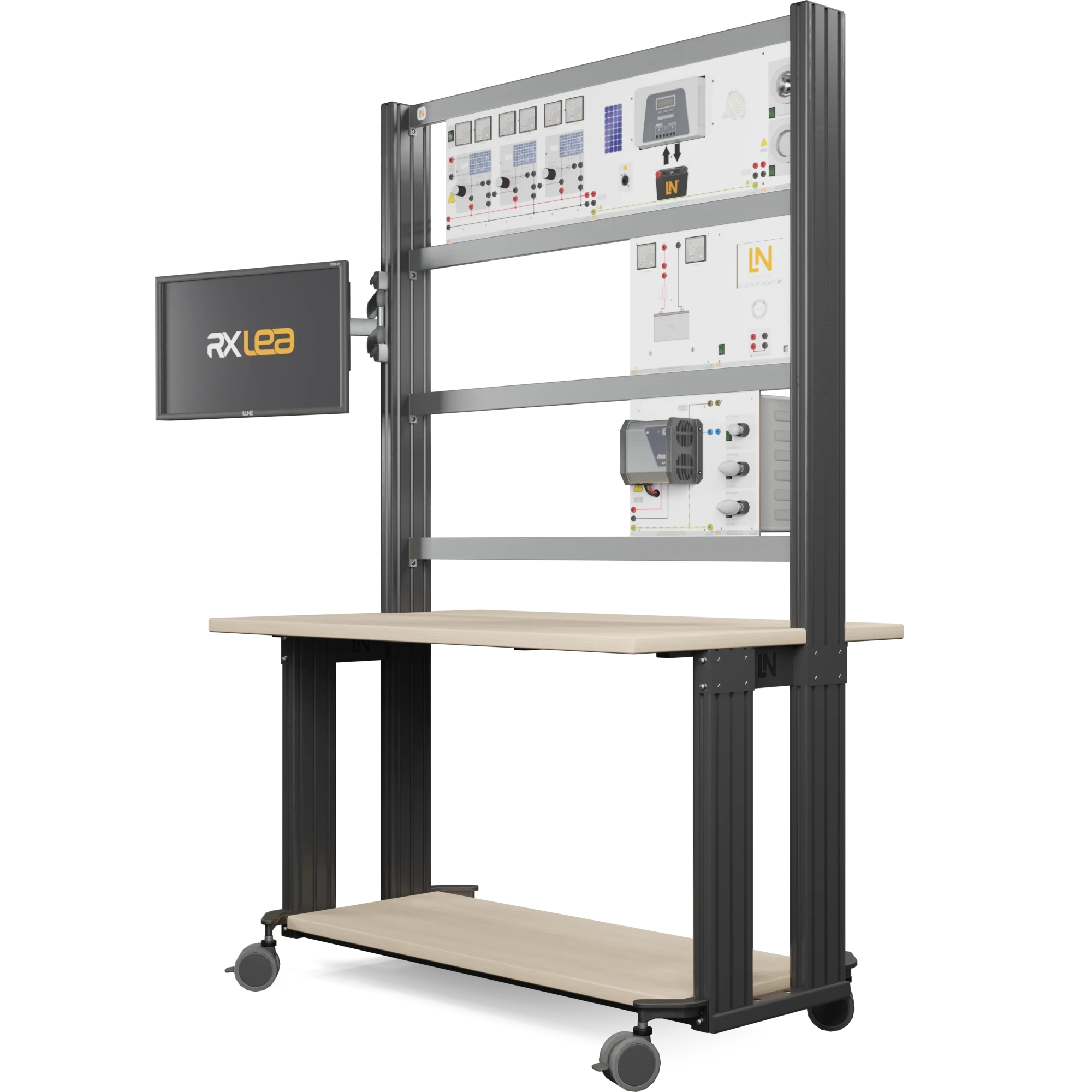
ST7200-7ASybaPro experiment trolley, 3-level, 6 sockets, 1250x1970x800mm
ST8010-4TMonitor holder for flat screen monitor of weight up to 15kg / 33lbs
ST7200-5LProtection cover for three-level experiment trolleys
ST8010-4GKeyboard adapter for flat screen monitor holders
ST8000-4FDisplay for Photovoltaic Advanced equipment
SO5126-3RSafety connecting plug 4mm with tap (2x), black, 1000V/32A CAT II
SO5126-3USafety connecting plug 4mm with tap (2x), red, 1000V/32A CAT II
SO5126-3VSafety connecting plug 4mm with tap (2x), blue, 1000V/32A CAT II
SO5126-3WSafety connecting plug 4mm with tap (2x), green/yellow, 1000V/32A CAT II
SO5148-1LSet of safety measurement cables, 4mm (31 leads)
SO5126-8KSafety measurement cable 4mm, 50cm/20", red, 600 V CAT III ~1000V, CAT II / 32 A

Learning Content in Detail

With this system, learners acquire practical skills for planning, building and analyzing stand-alone photovoltaic systems. They understand how each component works, optimize systems and apply their knowledge in realistic projects. This prepares them well for the demands of modern energy technology.

Analyzing the fundamentals of photovoltaic cells and modules

Learners record the I-V characteristic of a solar cell at different irradiance levels. From this, they determine parameters such as open-circuit voltage, short-circuit current and the maximum power point (MPP).

Connecting and evaluating solar modules

Learners connect solar modules in series and in parallel. They record the resulting characteristic curves and analyze the effects of partial shading on the overall output, including the function of bypass diodes.

Sizing a stand-alone photovoltaic system

Using a real consumption profile and site-specific irradiation data, learners calculate the required size of the solar generator and the necessary capacity of the battery.

Building and commissioning a stand-alone photovoltaic system

Learners wire the solar generator, charge controller, battery and stand-alone inverter correctly. They measure the energy flows in the system and provide a 230 V supply for standard loads.

Determining the efficiency of DC/AC converters

Learners determine the efficiency of the stand-alone inverter by measuring its input and output power. They take conversion losses into account when planning systems.

Drawing up energy balances for self-sufficient systems

Learners investigate all energy flows in a stand-alone system and draw up a detailed energy balance. They understand the principle of decoupling generation and consumption over time by means of energy storage.

Features & Applications

Discover the wide range of applications and teaching concepts of our system: it guides you step by step through the planning, interconnection and sizing of stand-alone photovoltaic systems. Learners acquire practical skills for building and analyzing self-sufficient energy systems.
  • Analyzing interconnection and shading — This system enables a fundamental analysis of series and parallel connections of solar modules. Learners investigate the drastic effects of partial shading and the function of bypass diodes. This helps them avoid hotspots and minimize power losses.
  • Analyzing DC/AC conversion and evaluating its efficiency — Learners analyze the stand-alone inverter, which converts the battery’s 12 V DC voltage into 230 V AC voltage for standard household appliances. They check the quality of the sinusoidal voltage and the efficiency in order to optimize the system’s function and take conversion losses into account during planning.
  • Measuring and balancing energy flows in storage operation — The system enables a detailed analysis of the energy flows in a stand-alone system, including battery cycles under different operating conditions. Balancing these flows illustrates the principle of energy storage: decoupling generation and consumption over time.
  • Project-based learning: planning a complete stand-alone system — Learners plan a realistic project: the self-sufficient power supply for a vacation home. Step by step, they size the solar generator and battery capacity based on specific requirements and then put the system into practice.
  • Variable solar module emulation for system experiments — The solar module emulator with three independent modules delivers reproducible measurement results because it is decoupled from real sunlight. Learners investigate irradiance levels, set up interconnections, simulate partial shading and test the protective function of switchable bypass diodes.
  • Universal power multimeter — The power multimeter is the central true RMS analysis tool for precise energy evaluation of system components, even with non-sinusoidal voltages. Record all relevant electrical quantities – voltage, current and characteristic curves – using PC-based instruments.
  • Intelligent battery management with a maximum power point tracking (MPPT) charge controller — The solar charge controller protects the solar battery against deep discharge and overcharging. As an MPP tracker, it ensures that the solar modules always operate at the optimum operating point in order to achieve the maximum energy yield. A display shows the operating mode and measured values graphically.
  • XY plotter: virtual characteristic curve recorder — The XY plotter, the PC software of the power multimeter, visualizes the relationship between two electrical quantities in real time. Learners record I-V and power (P-V) curves, determine the maximum power point (MPP) and analyze interconnections and shading effects.
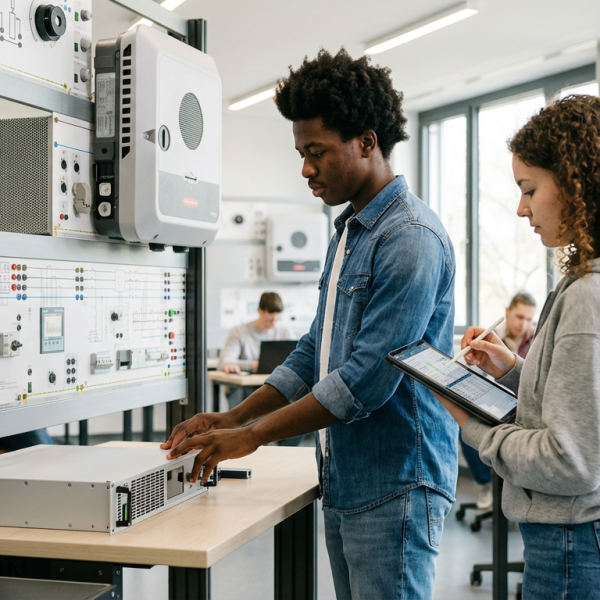
Learners working with RXLea on a tablet at a Lucas-Nuelle training system
RXLea

From Knowledge Comes Capability.

You guide the learning

Where theory and practice go hand in hand.

RXLea brings a new way of learning: project-based, hands-on and clearly structured. Learners solve real-world tasks, while instructors save time on preparation. Interactive modules, smart analytics and real hardware create a modern, efficient learning world.

Hands-on and interactive

Animations, interactive tasks and realistic scenarios build a deep understanding. All content is organized into clear learning paths for focused, hands-on learning.

Digital support

3D assembly animations and digital instructions simplify complex procedures, reduce errors and help learners work more independently.

Visual support

Overview graphics, screenshots and sample animations make the learning world transparent. Photos from the learning packages are also available, including country-specific versions where needed.


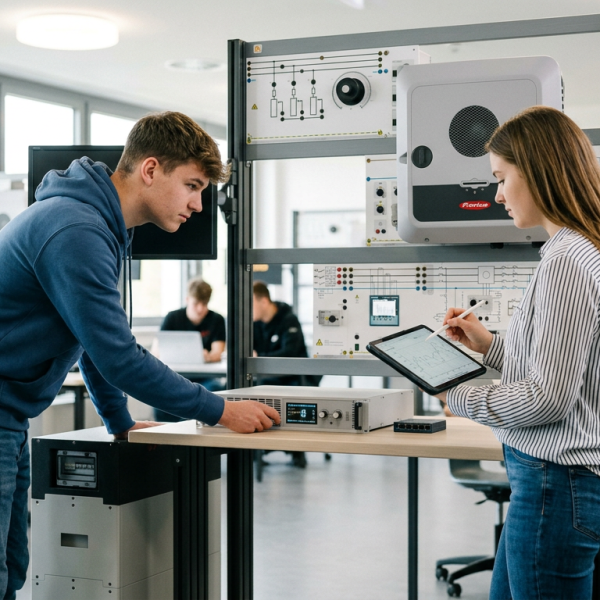
Learners using a tablet at an energy training system
RXLea on desktop, laptop and tablet
RXLea Path Creator for building learning journeys
RXLea Navigator showing the learning world
Learn more about RXLea
Newsletter

Stay ahead in
technical training.

Get the latest training systems, product launches and educational insights, delivered directly to your inbox.

Your email address

By subscribing, you agree to our Privacy Policy. You can unsubscribe at any time.

 Please select at least one category before subscribing.
I'm interested in - select all that apply