


Operational Amplifiers
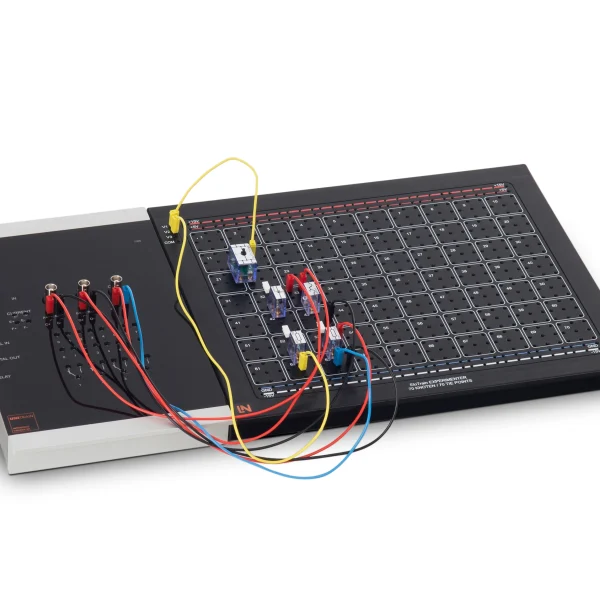
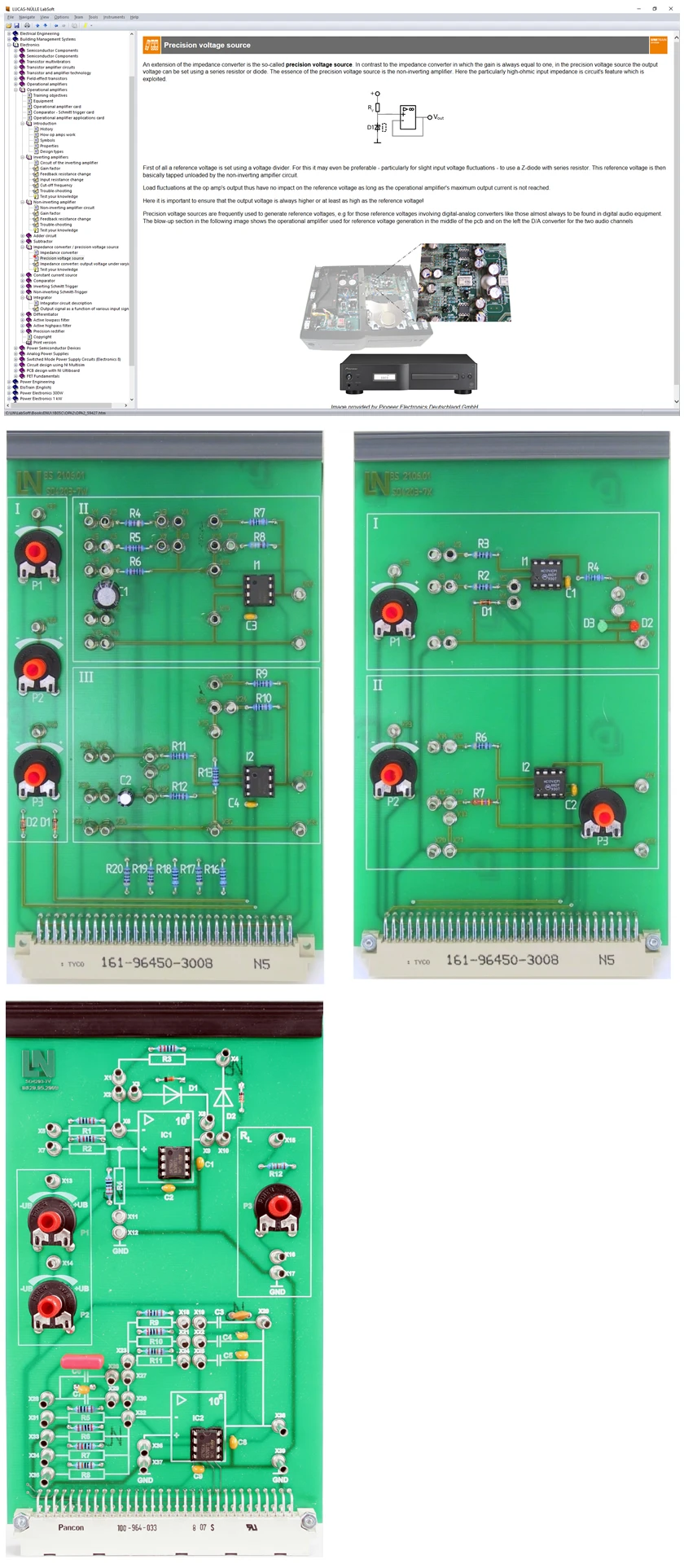
Interactive training system for the measurement-based investigation of operational amplifiers, analog computing circuits, active filters and Schmitt triggers. Three experiment cards cover basic circuits and applications.
- Analyzing inverting amplifiers
- Analyzing non-inverting amplifiers
- Testing analog arithmetic circuits
- Investigating Schmitt triggers
- Inverting and non-inverting basic circuits
- Comparators and Schmitt triggers with hysteresis
- Analog computing circuits, filters and precision sources
- Integrated fault simulation
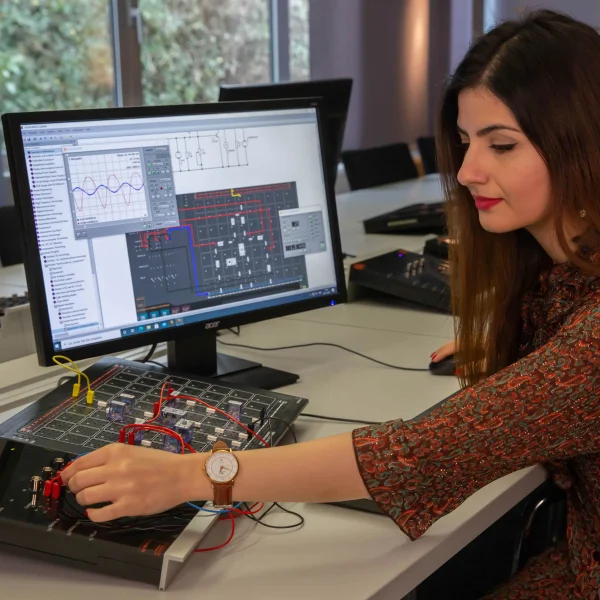
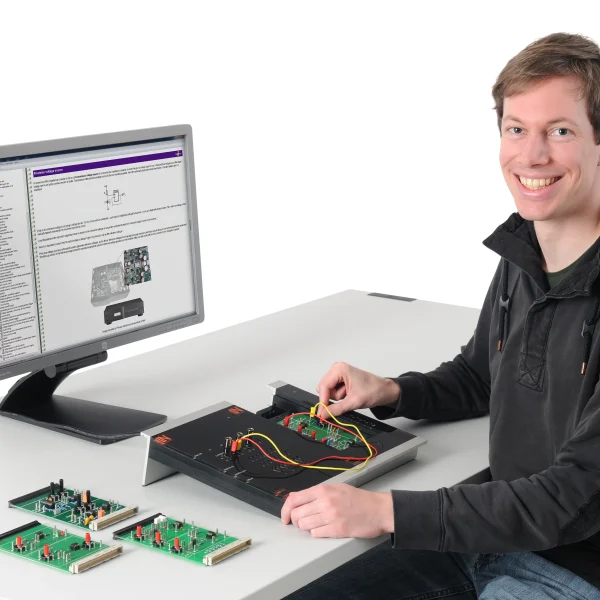
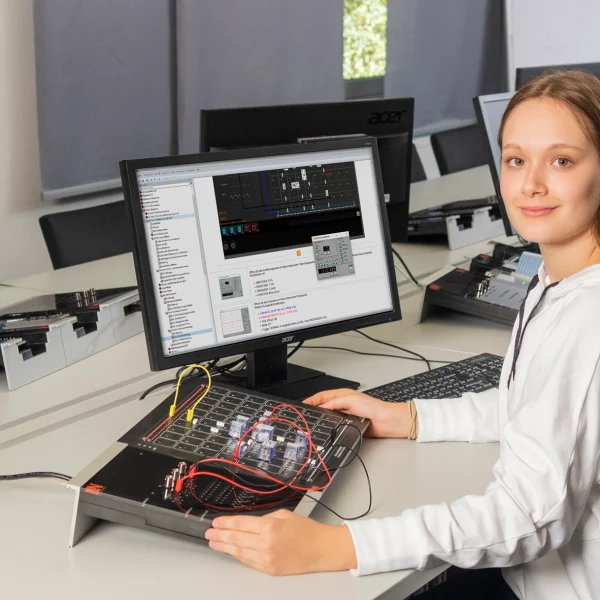
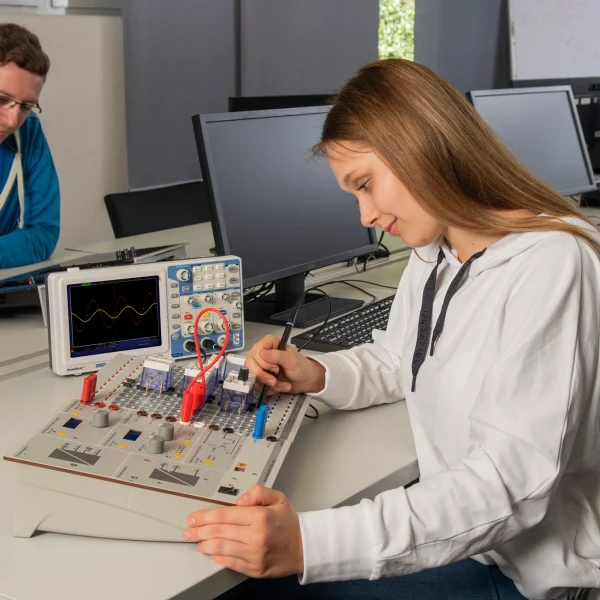
Operational amplifiers are fundamental building blocks of analog circuits in measurement technology, signal processing and control engineering. The training system covers their design, characteristics and basic circuits, as well as more complex analog and filter circuits. Learners work through amplifier, filter and comparator circuits directly on the experiment cards, guided by the interactive LabSoft software. They determine gain factors and cut-off frequencies, record the hysteresis of Schmitt triggers in XY mode and test summing amplifiers, subtractors, integrators, differentiators and precision rectifiers. Faults that can be switched in via relays add systematic fault diagnosis to the experiments.
| Course | |
| CO4204-5M | Course Electronics 5: Operational amplifiers |
| Options | |
| LM2330 | Multi13S digital multimeteroptional |
| Accessories | |
| CO4203-2A | UniTrain Interface mit virtuellen Instrumenten (Basis VI) |
| CO4203-2J | UniTrain measurement accessories, shunts and connection cables |
| CO4203-2Y | UniTrain storage case for one UniTrain system |
| CO4203-2B | UniTrain Experimenter |
Learning Content in Detail
Analyzing inverting amplifiers
Learners measure input and output voltages, calculate the gain, and determine cutoff frequencies.
Analyzing non-inverting amplifiers
Learners examine the gain characteristics and investigate the high-impedance input resistance.
Testing analog arithmetic circuits
Learners determine the output signals of adder, subtractor, integrator, and differentiator circuits.
Investigating Schmitt triggers
Learners measure the switching hysteresis as a function of varying reference voltages.
Understanding the comparator function
Learners examine the input and output signals of a comparator circuit.
Investigating active filters
Learners record the amplitude-frequency response of active low-pass and high-pass filters.
Carrying out fault diagnosis
Learners systematically locate simulated circuit faults in operational amplifier networks using the instruments in LabSoft.
Features & Applications
- Inverting and non-inverting basic circuits — Learners analyze the DC and AC behavior, gain factors and cut-off frequencies of inverting and non-inverting op-amp circuits.
- Comparators and Schmitt triggers with hysteresis — Learners investigate the switching behavior of comparators and explore the hysteresis of inverting and non-inverting Schmitt triggers.
- Analog computing circuits, filters and precision sources — Learners test summing amplifiers, subtractors, integrators and differentiators, as well as active high-pass and low-pass filters, precision rectifiers and constant current sources.
- Integrated fault simulation — Circuit faults that can be activated via relays simulate realistic malfunctions. Learners use them to systematically narrow down faults in operational amplifier circuits.
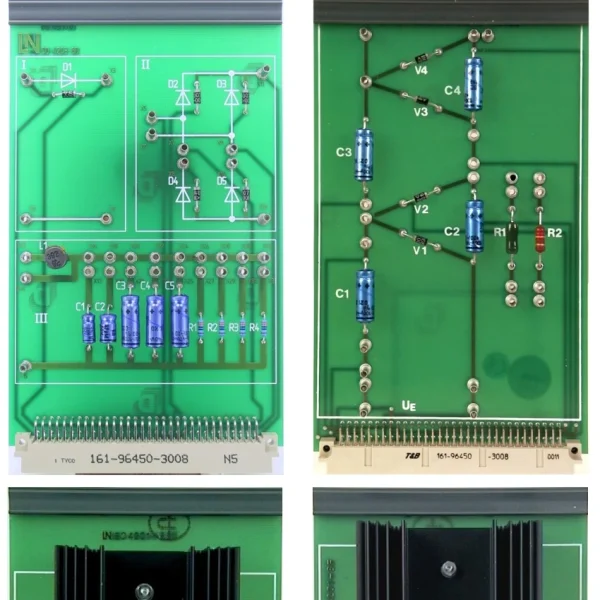
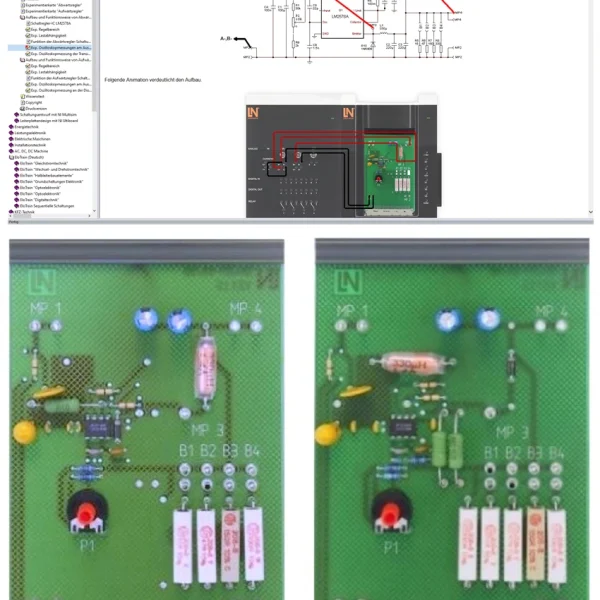
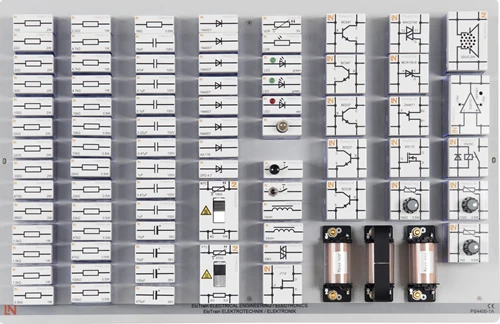
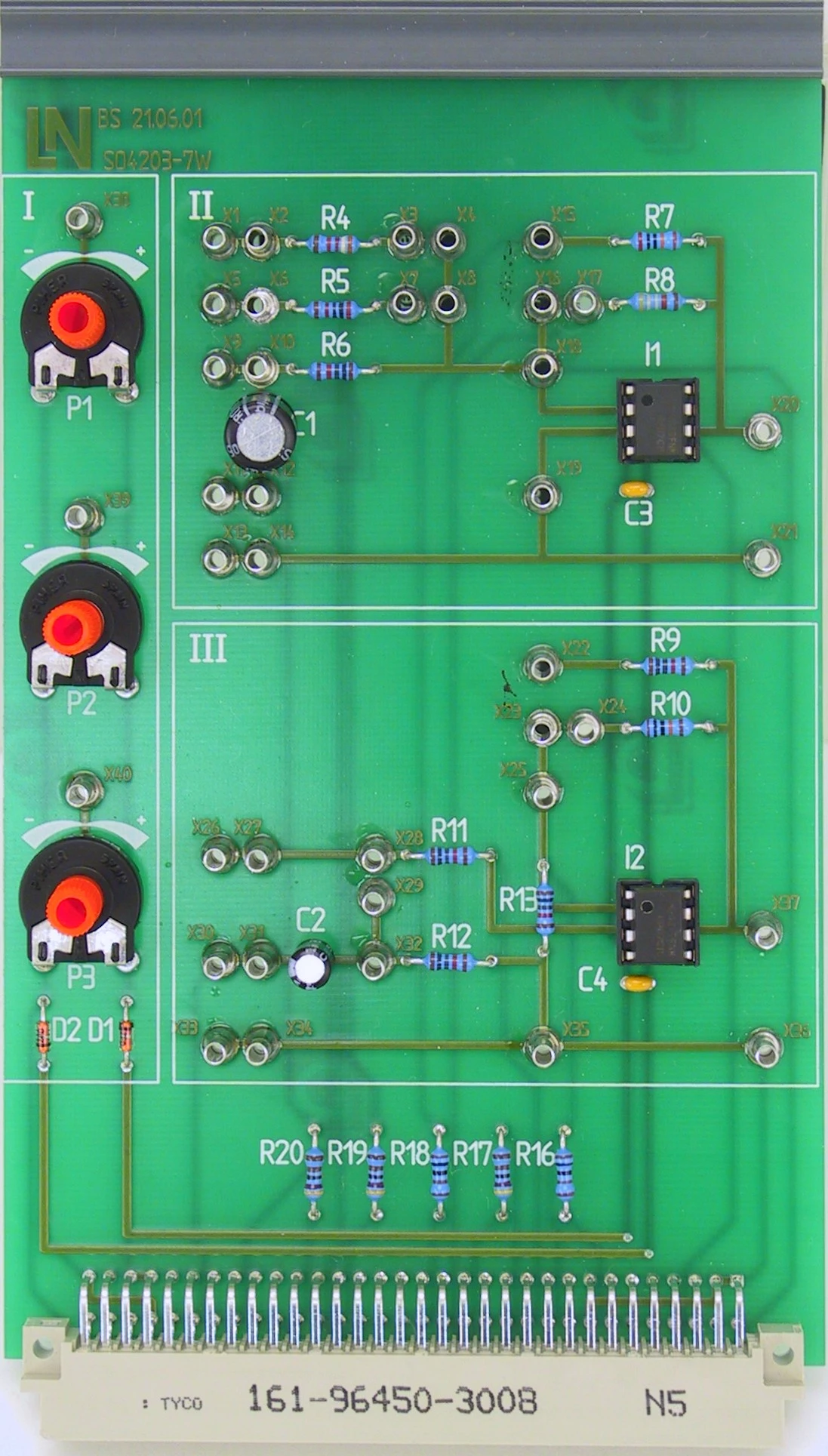
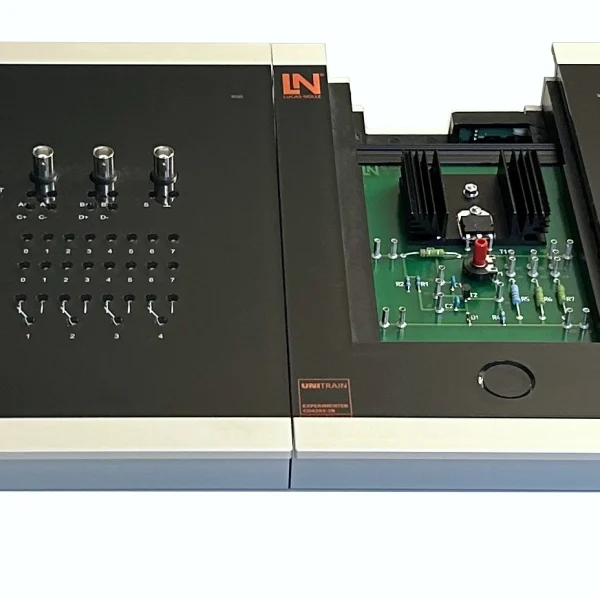
- “Operational amplifier” experiment card (SO4203-7W) — The card carries inverting and non-inverting amplifiers as well as summing circuits with adjustable gain factors and eight diagnosable circuit faults.
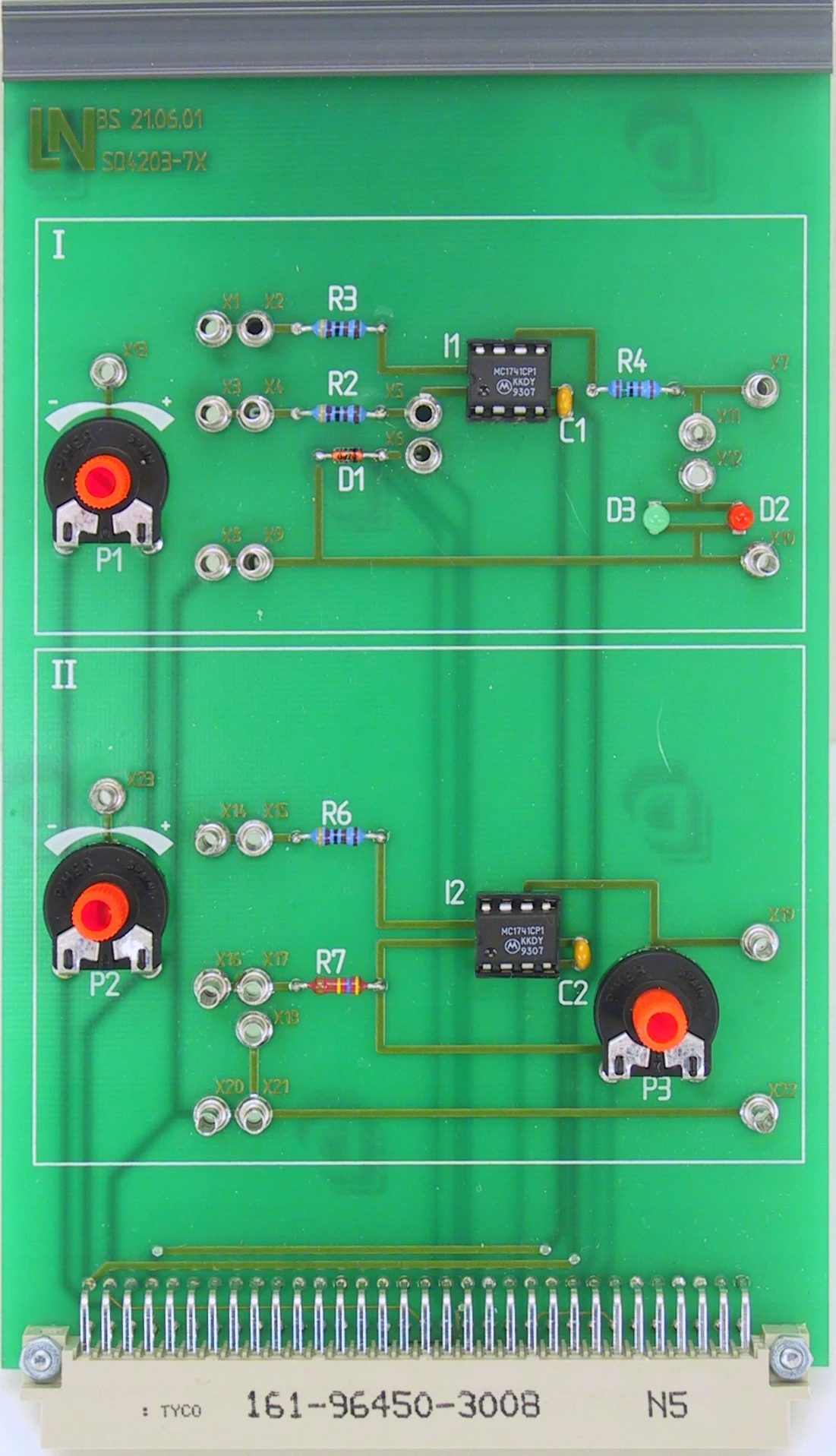
- Comparator/Schmitt trigger experiment card (SO4203-7X) — The card provides comparator and Schmitt trigger circuits with an adjustable reference voltage, LED indicators and faults that can be activated via relays for diagnostic exercises.
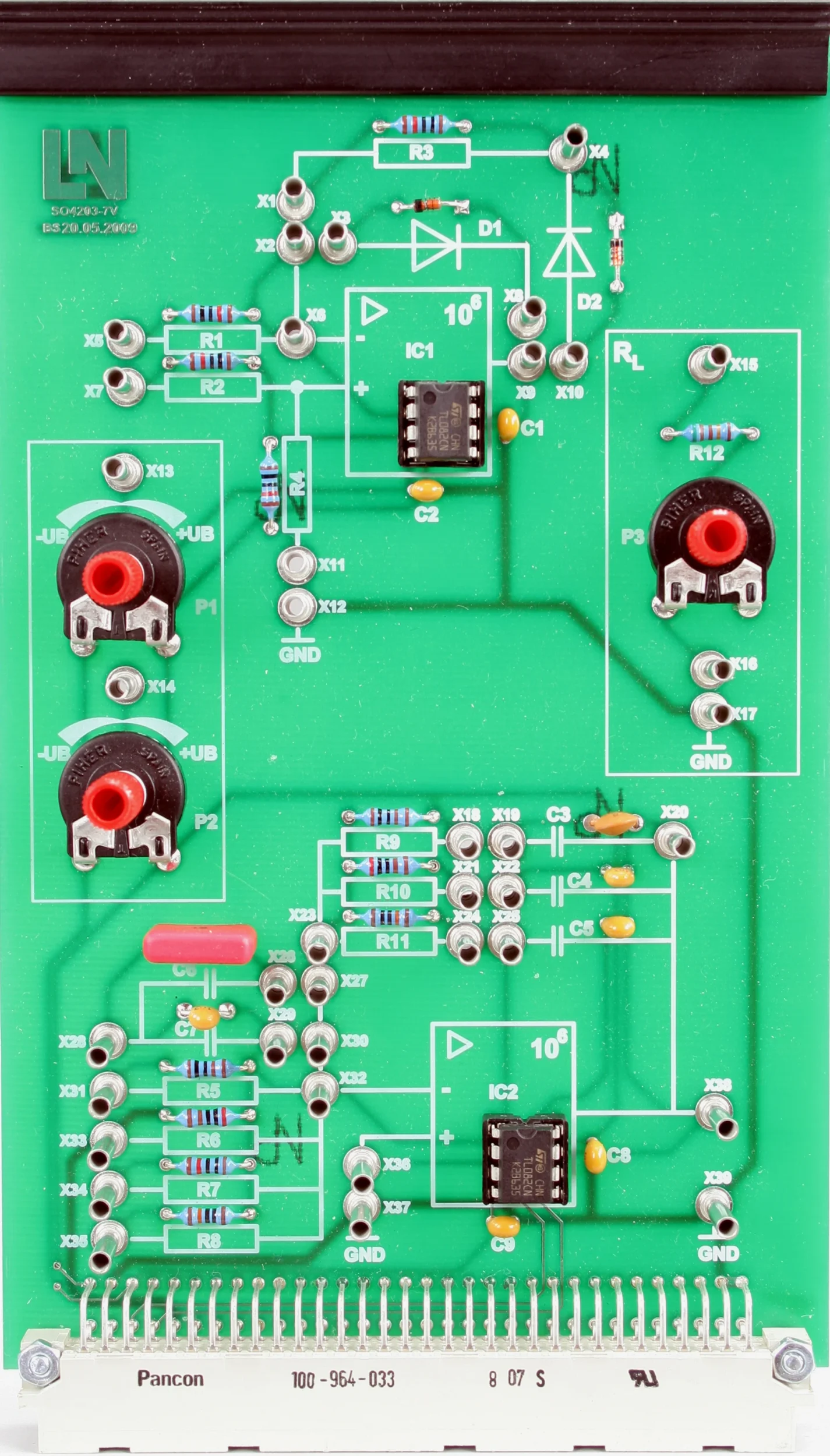
- Operational amplifier applications experiment card (SO4203-7V) — On this card, learners build active filters, precision rectifiers, integrators and differentiators as well as precision and constant current sources.
- Step-by-step description of how to set up the experiments — Animations show how to set up the laboratory experiments step by step, so learners quickly get to the actual measurement.
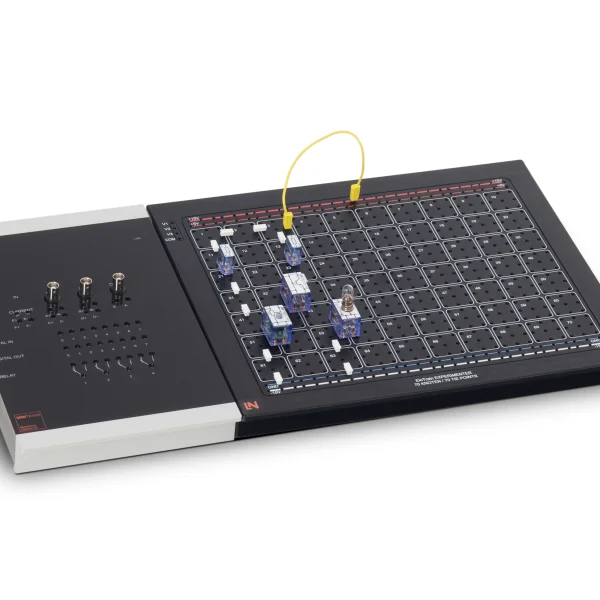
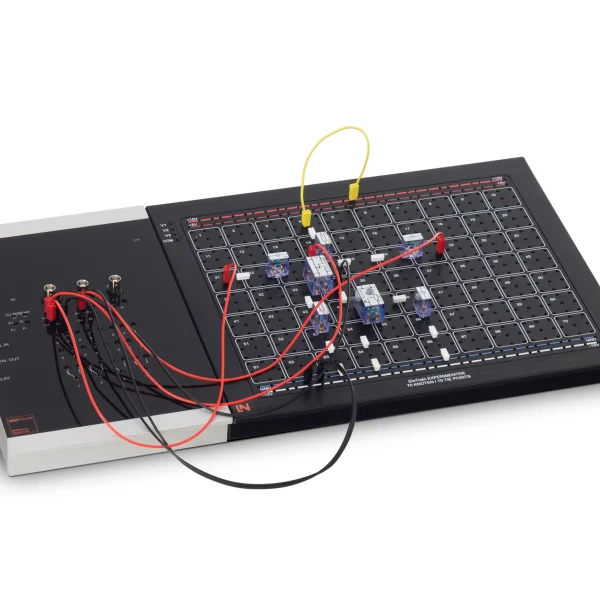
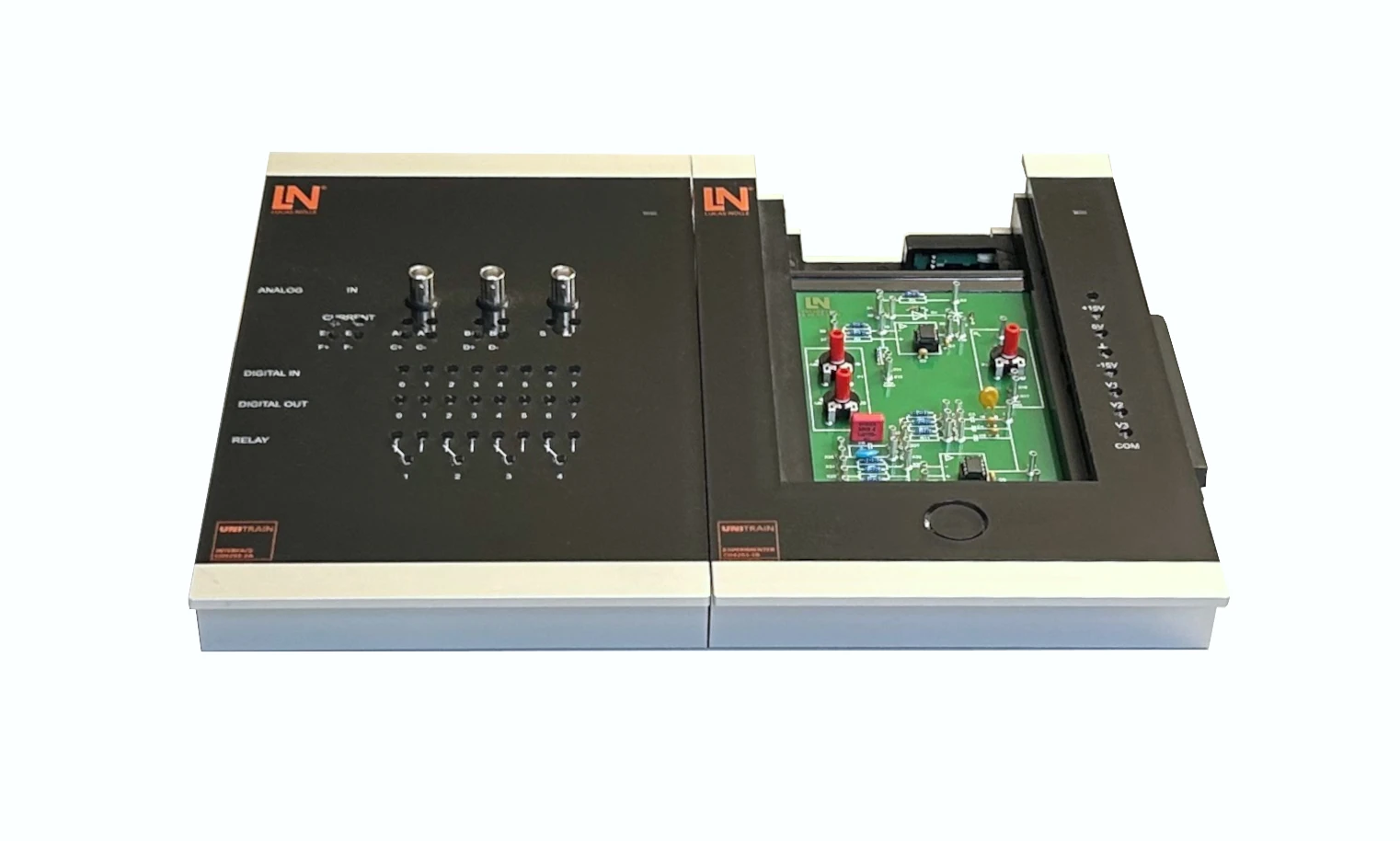
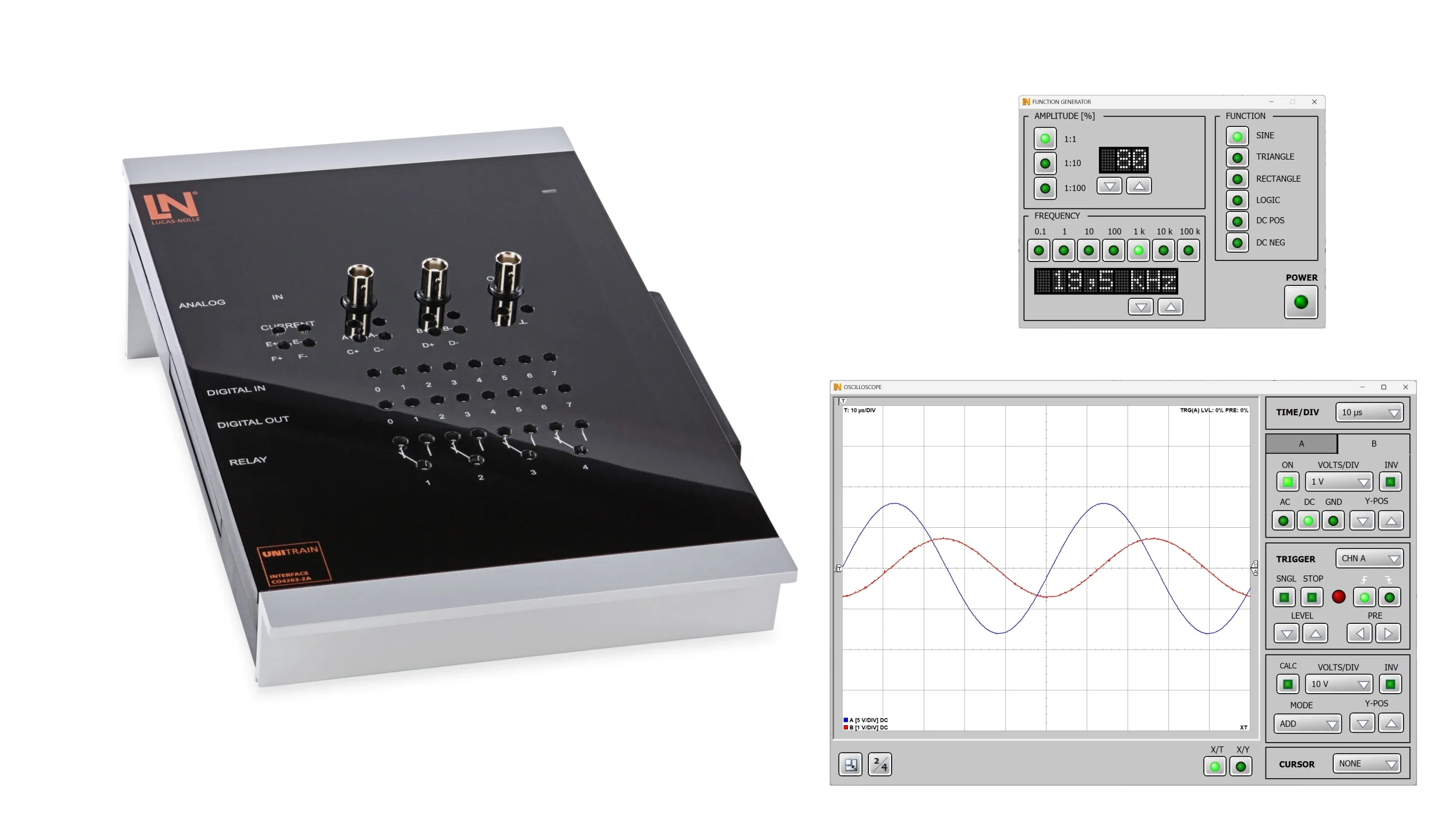
- UniTrain interface (CO4203-2A) — The central interface with analog and digital inputs and outputs provides all instruments and voltage sources at safety extra-low voltage.
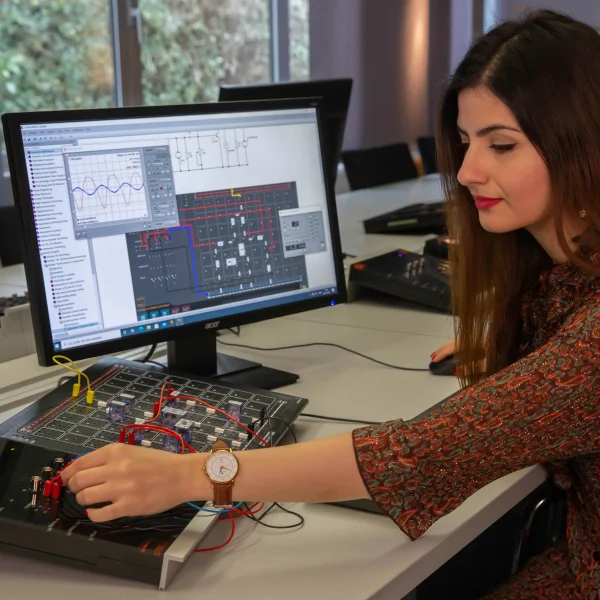
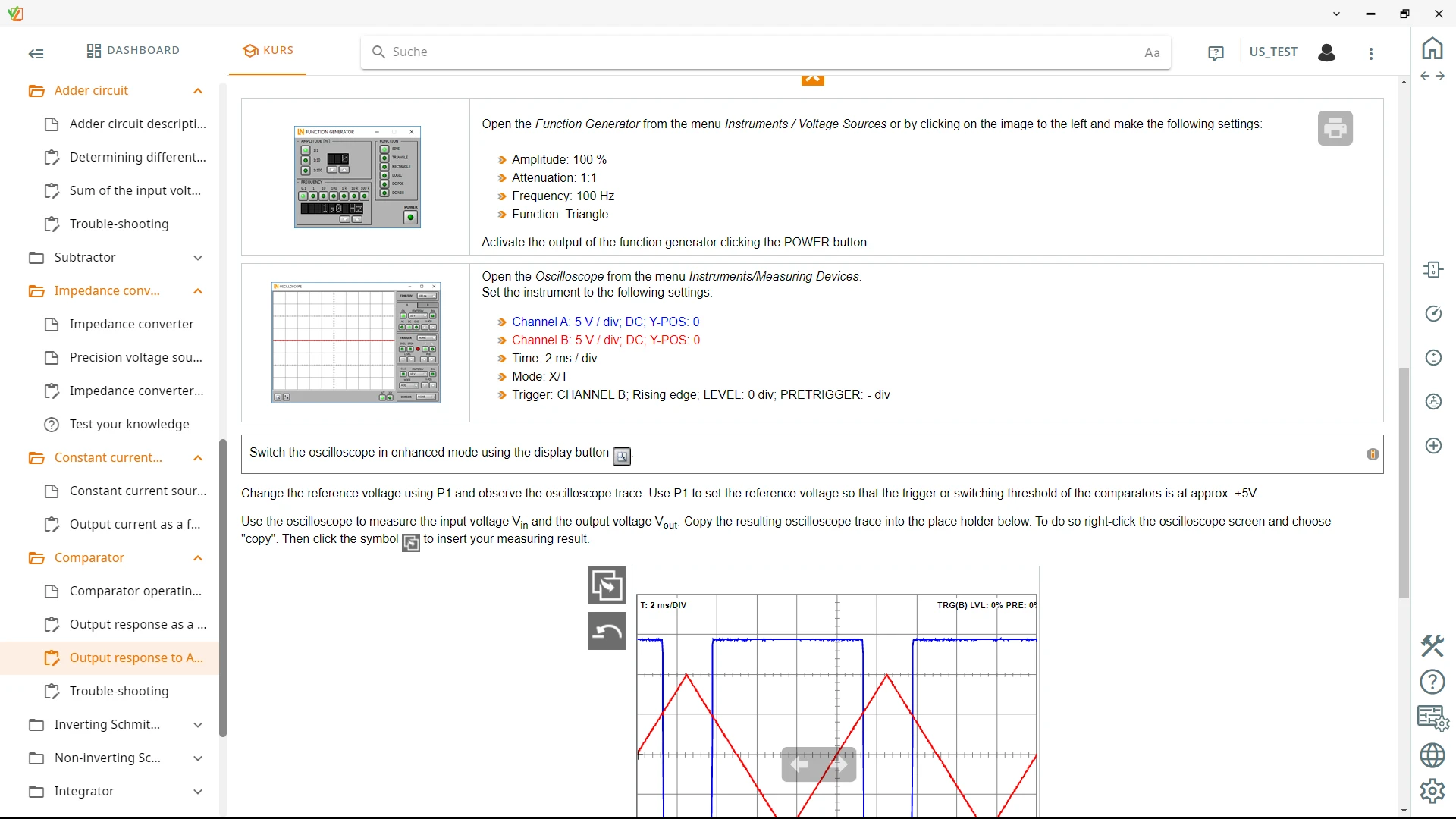
- 2/4-channel oscilloscope — Learners capture input and output signals simultaneously in XT or XY mode and measure characteristic curves and switching hysteresis precisely using the cursor function.
- Function generator — The function generator produces AC voltage in sine, triangle and square waveforms up to a frequency of 5 MHz.

From Knowledge Comes Capability.
You guide the learning
Where theory and practice go hand in hand.
RXLea brings a new way of learning: project-based, hands-on and clearly structured. Learners solve real-world tasks, while instructors save time on preparation. Interactive modules, smart analytics and real hardware create a modern, efficient learning world.
Hands-on and interactive
Animations, interactive tasks and realistic scenarios build a deep understanding. All content is organized into clear learning paths for focused, hands-on learning.
Digital support
3D assembly animations and digital instructions simplify complex procedures, reduce errors and help learners work more independently.
Visual support
Overview graphics, screenshots and sample animations make the learning world transparent. Photos from the learning packages are also available, including country-specific versions where needed.




Stay ahead in
technical training.
Get the latest training systems, product launches and educational insights, delivered directly to your inbox.