


Skip to content

Data Acquisition using RFID and NFC

RXLea
Digital projects for hands-on learningInteractive learning content, directly connected to the training system.

Data Acquisition using RFID and NFC

TID01UT

UniTrain course on contactless data acquisition to ISO15693 and ISO14443. Learners measure inductive coupling, decode load modulation, and read and write transponders via the reader.

Learning Content
  • Investigating inductive coupling
  • Analyzing data transmission
  • Applying ISO15693
  • Testing anti-collision methods
KEY FEATURES
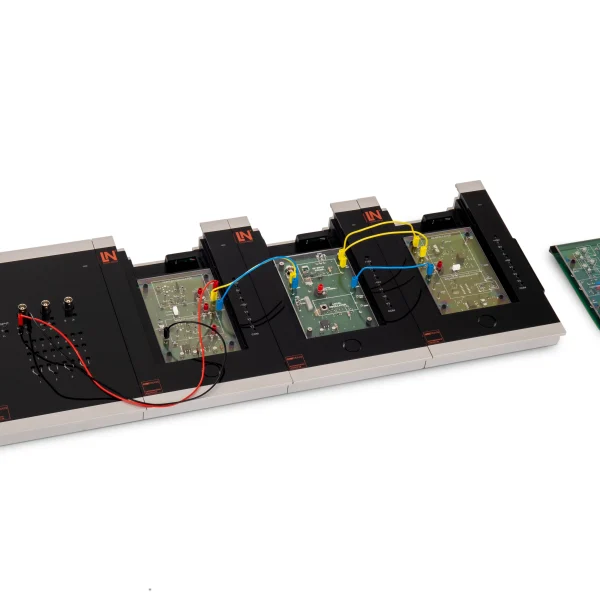
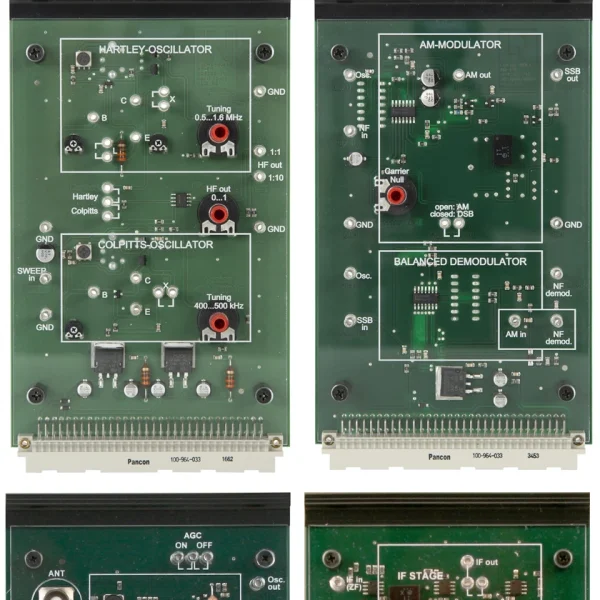
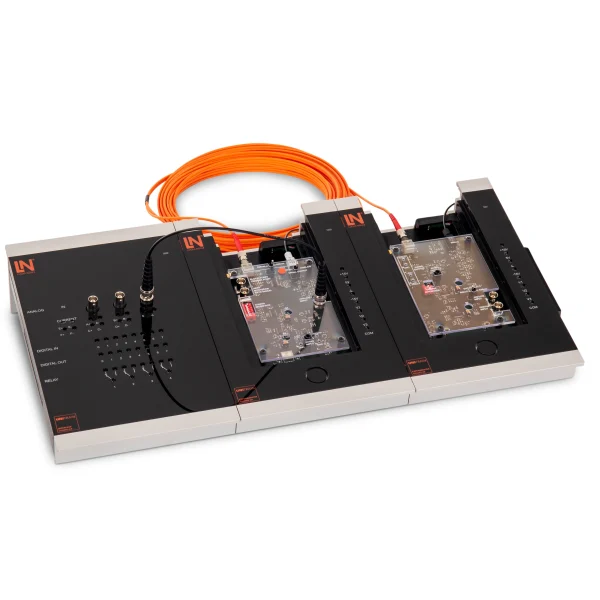
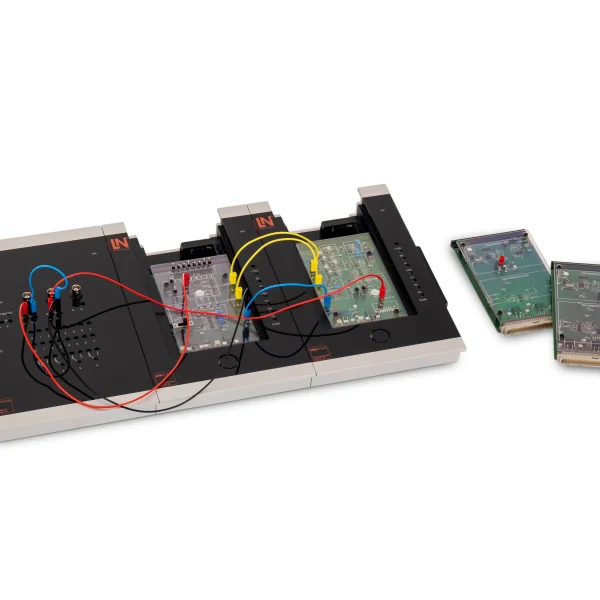
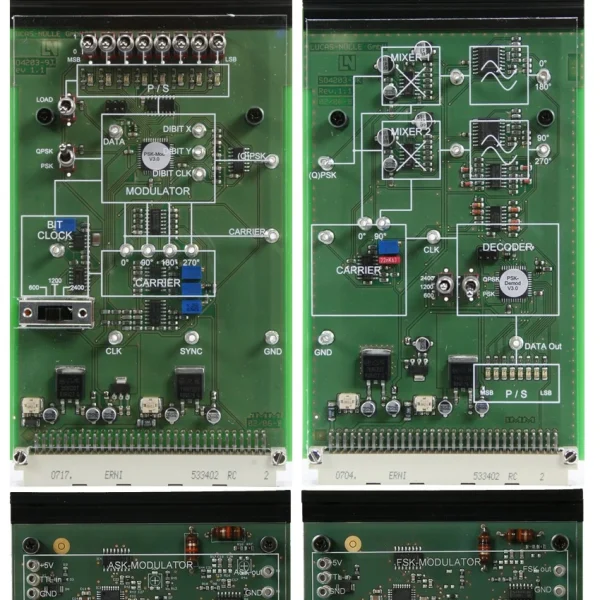
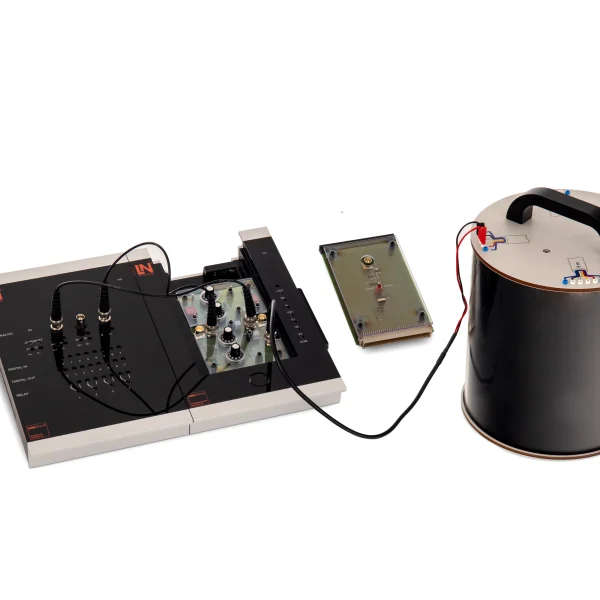
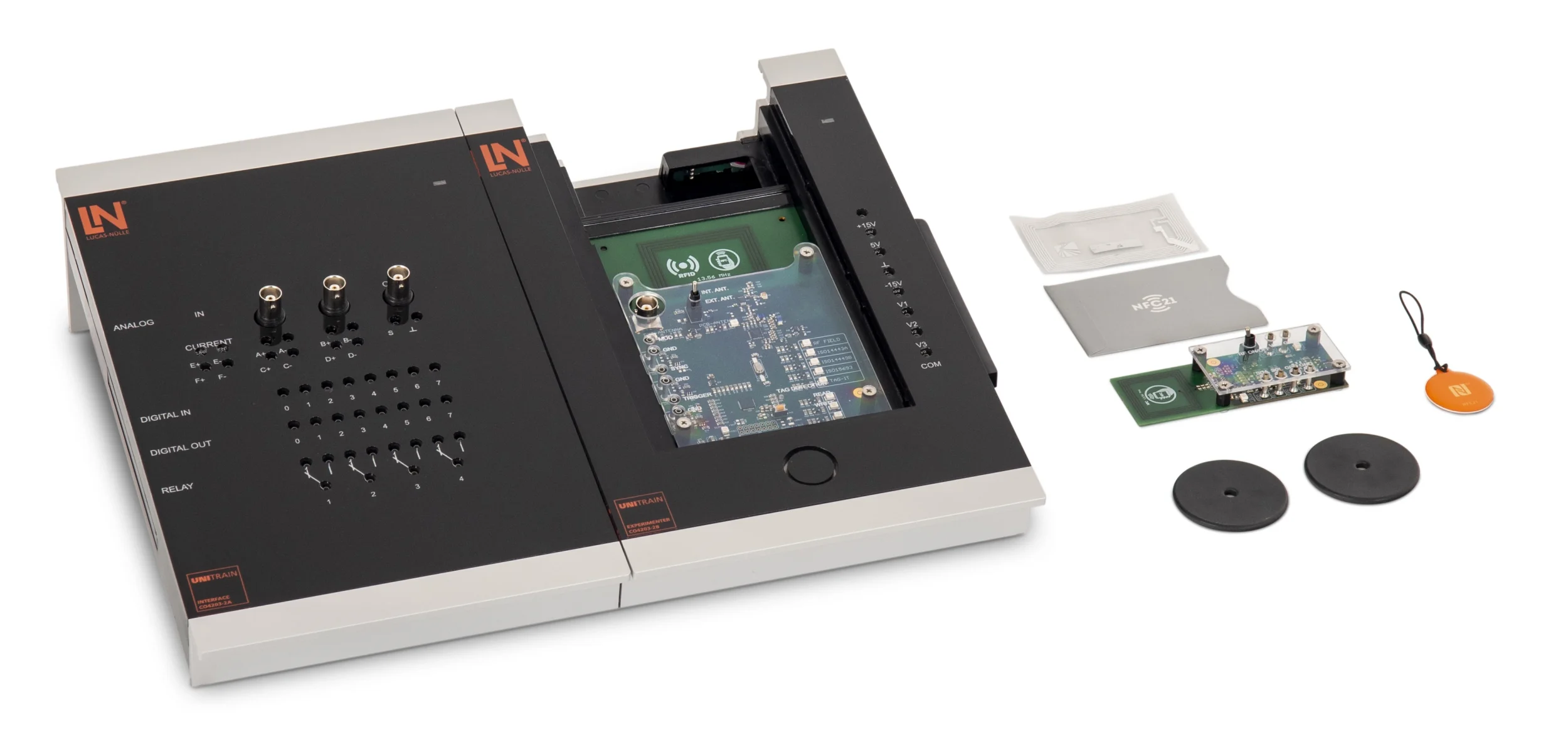
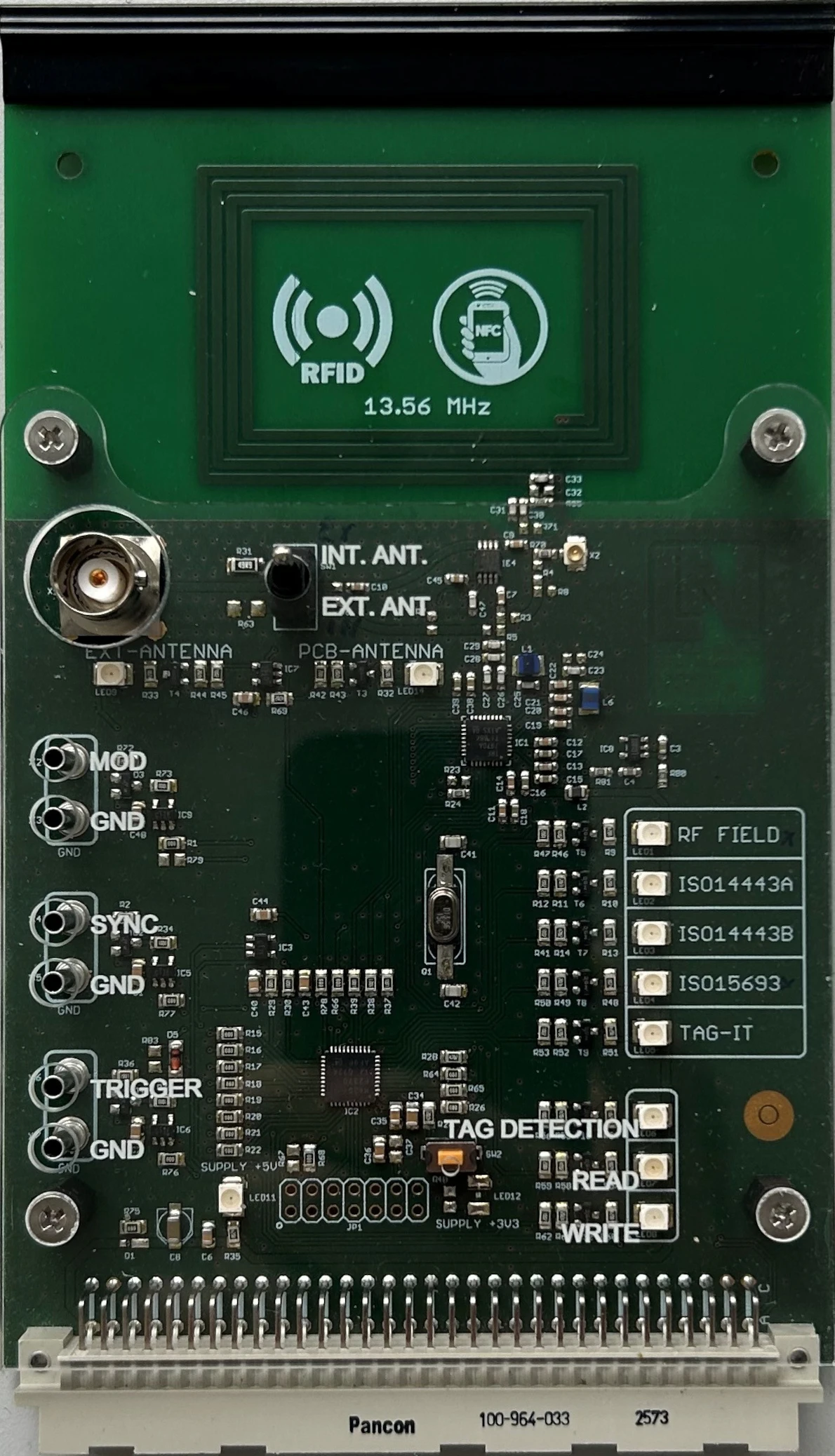
  • RFID/NFC reader experiment card
  • Transponder set with various designs
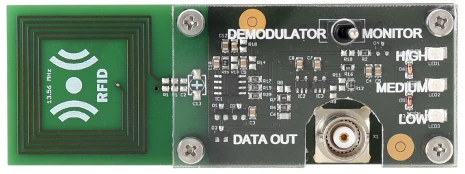
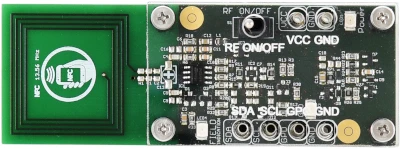
  • RFID monitor experiment card
  • NFC monitor experiment card
Speak with a Product Specialist +1 (757) 808-5696 · sales@lucas-nuelle.com

Whether access cards, product labels or contactless payment: RFID and NFC are all based on the same physics, and this UniTrain course makes it measurable. Learners first investigate the transformer principle of inductive coupling at 13.56 MHz, track the decrease in field strength over distance and examine how the quality factor of the resonant circuit and resonance tuning determine the range. On the measurement transponder, they tap the modulated data stream, distinguish between 10 percent and 100 percent ASK keying and decode 1-out-of-4 and Manchester bit sequences on the oscilloscope. They then work at protocol level: reading UIDs, writing memory blocks, detecting collisions between several tags and building NDEF messages for NFC tags.

CO4205-4SCourse: Data acquisition using RFID and NFC
CO4203-2AUniTrain Interface mit virtuellen Instrumenten (Basis VI)
CO4203-2JUniTrain measurement accessories, shunts and connection cables
CO4203-2YUniTrain storage case for one UniTrain system
CO4203-2BUniTrain Experimenter

Learning Content in Detail

Learners explore contactless identification systems, from field measurement to protocol analysis.

Investigating inductive coupling

Learners measure the magnetic field, determine the energy range and check the resonance tuning of the antenna resonant circuits.

Analyzing data transmission

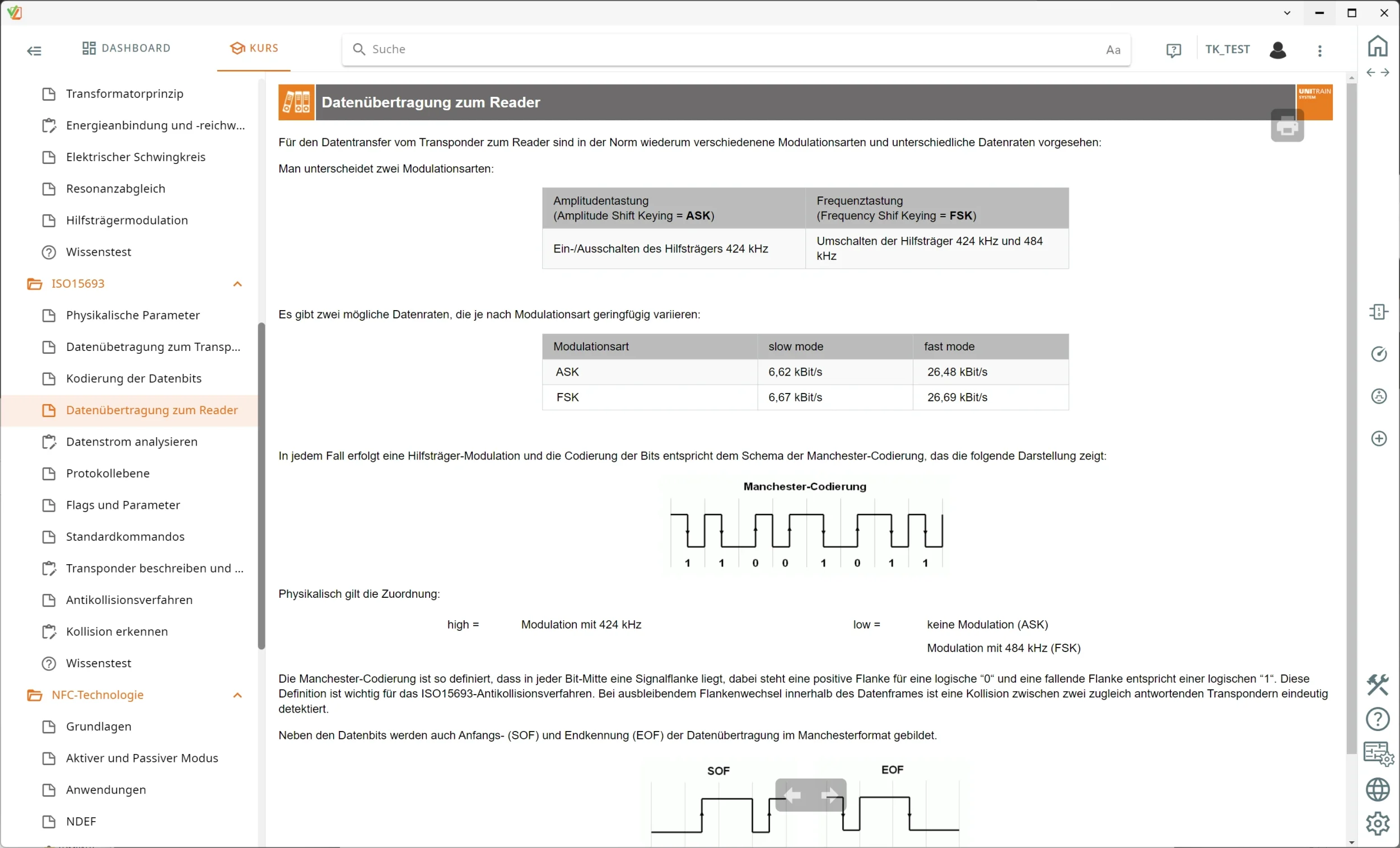
Learners evaluate 10 percent and 100 percent ASK modulation as well as 1-out-of-4 and Manchester coding in the time domain.

Applying ISO15693

Learners evaluate request and response frames, determine UIDs, and read and write memory blocks of vicinity transponders.

Testing anti-collision methods

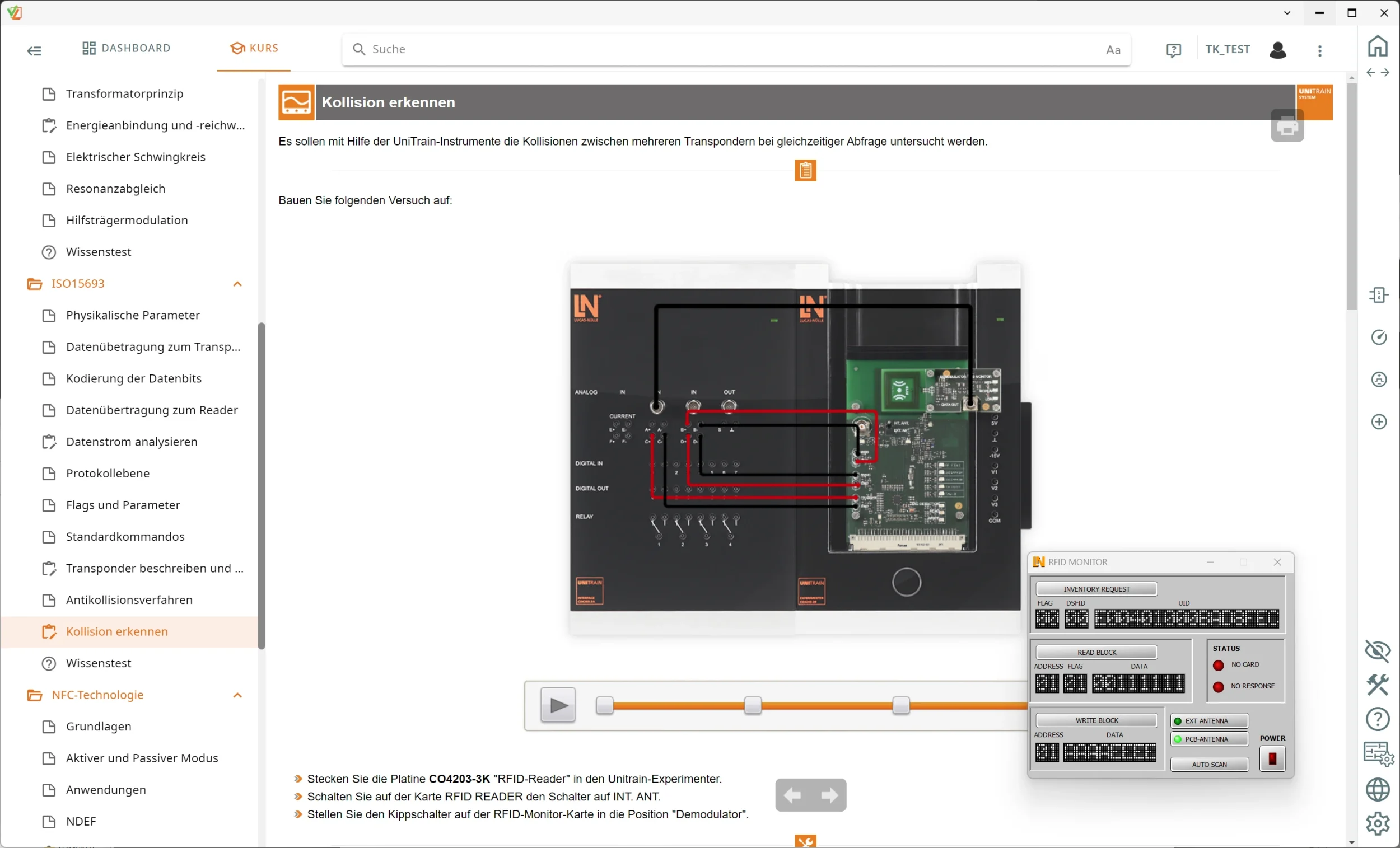
Learners detect collisions between multiple tags and analyze time-slot polling algorithms.

Distinguishing NFC operating modes

Learners compare active and passive mode, characterize tag types and investigate the near-field range.

Structuring NDEF messages

Learners analyze the header, TNF classification and payload and create their own NFC records.

Features & Applications

The experiments address tasks from industrial identification and logistics as well as from building access control and contactless payment.
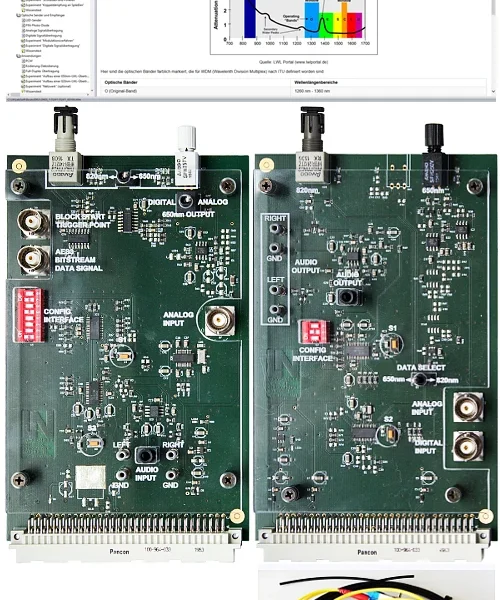
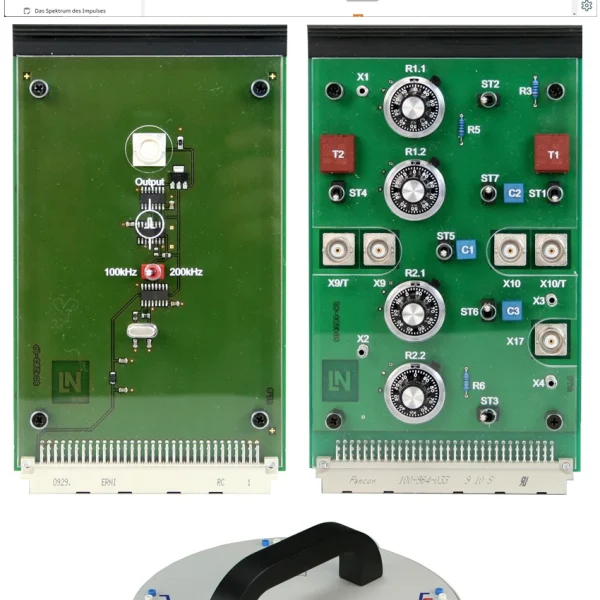
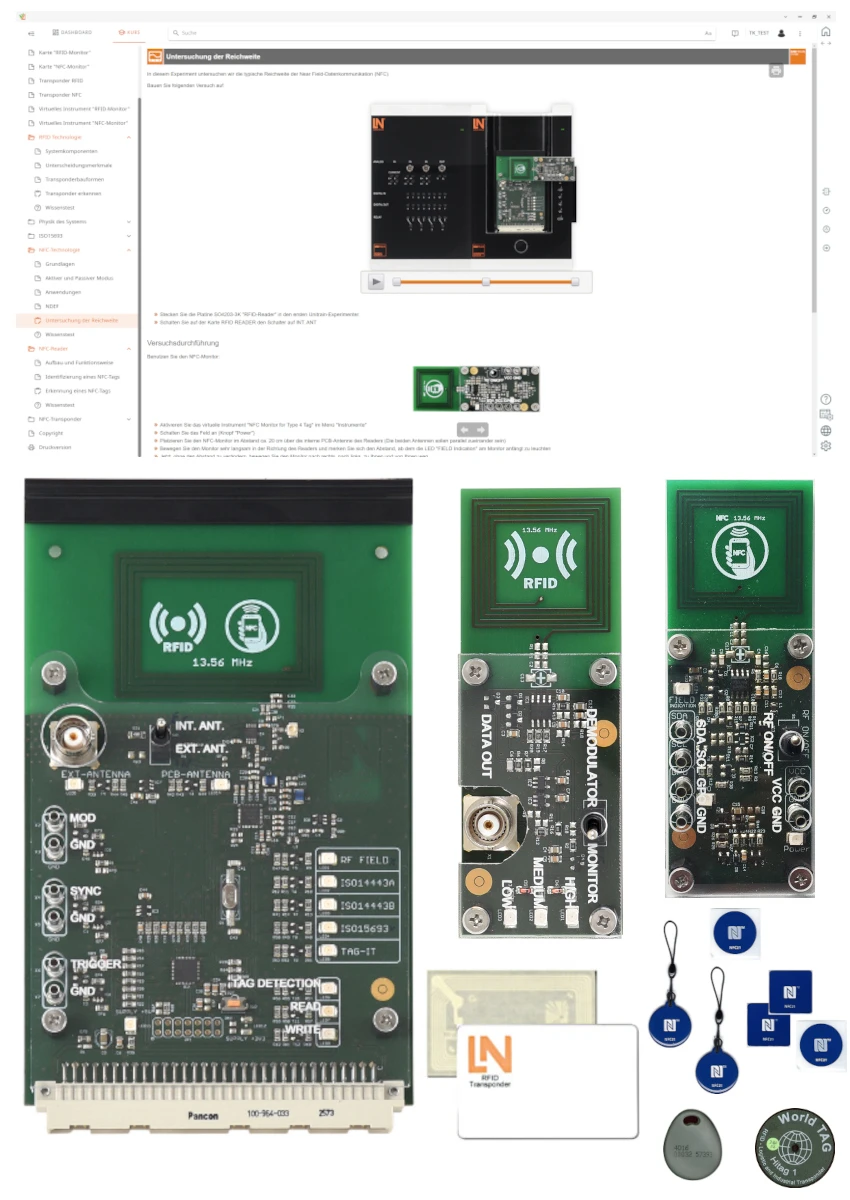
  • RFID/NFC reader experiment card — Operates at 13.56 MHz and provides an integrated PCB antenna, a BNC connector for external antennas and test points for modulation, sync and trigger signals.
  • Transponder set with various designs — Smart cards, inlays, coins, stickers and key fobs are available. Learners use them to compare how the design influences coupling.
  • RFID monitor experiment card — Contains an ISO15693 measurement transponder, a demodulator with BNC data output and a three-level LED field strength indicator.
  • NFC monitor experiment card — Serves as an NFC measurement transponder, provides an I2C interface, indicates the RF field via an LED and allows the field to be switched off using a switch.
  • Evaluating NFC operating modes and NDEF formats — Learners distinguish between active and passive mode, analyze NDEF messages with TNF and payload and characterize Type 2 and Type 4 NFC tags.
  • RFID (CO4203-3N) and NFC (CO4203-3Q) transponder sets — Contain ISO15693 cards, inlays and coins as well as Type 2 and Type 4 NFC tags in various designs for read and write experiments.
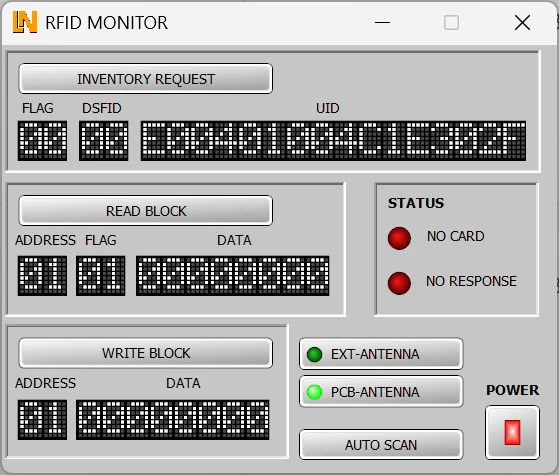
  • RFID Monitor — Controls the reader, sends inventory requests and reads or writes data blocks in hexadecimal. The UID, flags and DSFID are displayed, and operation is by drag and drop.
  • NFC Monitor for Type 2 tags — Enables the selection and memory analysis of Type 2 NFC tags.
  • NFC Monitor for Type 4 tags — Enables selection, memory analysis and the reading, writing and formatting of NDEF messages on Type 4 NFC tags.
  • Analyzing inductive coupling and energy range — Learners investigate the transformer principle, the decrease in field strength over distance and the influence of the resonant circuit’s quality factor and resonance tuning on the range.
  • Evaluating subcarrier and load modulation by measurement — Learners tap the modulated data stream on the measurement transponder, investigate 10 percent and 100 percent ASK keying and decode 1-out-of-4 and Manchester bit sequences on the oscilloscope.
  • Testing the ISO15693 protocol and standard commands — Learners analyze frames, flags and data blocks, read out UIDs, write to the transponder memory and evaluate the error codes of vicinity systems.
  • Investigating anti-collision and multiple reading — Learners simulate simultaneous access by several tags, detect data collisions from phase superpositions and test time-slot algorithms.
Learners working with RXLea on a tablet at a Lucas-Nuelle training system
RXLea

From Knowledge Comes Capability.

You guide the learning

Where theory and practice go hand in hand.

RXLea brings a new way of learning: project-based, hands-on and clearly structured. Learners solve real-world tasks, while instructors save time on preparation. Interactive modules, smart analytics and real hardware create a modern, efficient learning world.

Hands-on and interactive

Animations, interactive tasks and realistic scenarios build a deep understanding. All content is organized into clear learning paths for focused, hands-on learning.

Digital support

3D assembly animations and digital instructions simplify complex procedures, reduce errors and help learners work more independently.

Visual support

Overview graphics, screenshots and sample animations make the learning world transparent. Photos from the learning packages are also available, including country-specific versions where needed.


Learners using a tablet at an energy training system
RXLea on desktop, laptop and tablet
RXLea Path Creator for building learning journeys
RXLea Navigator showing the learning world
Learn more about RXLea
Newsletter

Stay ahead in
technical training.

Get the latest training systems, product launches and educational insights, delivered directly to your inbox.

Your email address

By subscribing, you agree to our Privacy Policy. You can unsubscribe at any time.

 Please select at least one category before subscribing.
I'm interested in - select all that apply