


Skip to content

Antenna technology

RXLea
Digital projects for hands-on learningInteractive learning content, directly connected to the training system.

Antenna technology

TAT01UT

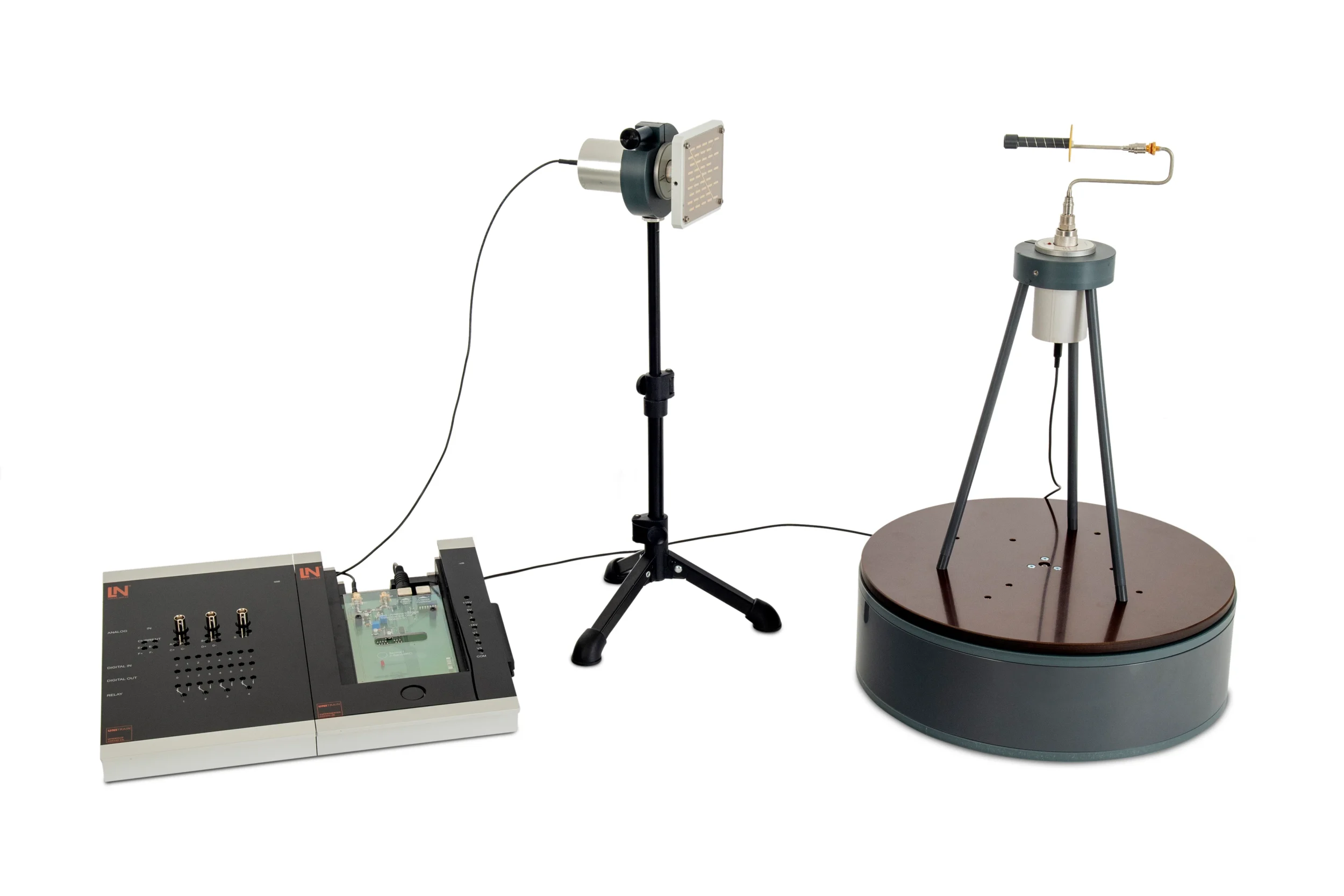
UniTrain course on antenna technology with a 9 GHz transmitter, receiver and stepper-motor-controlled turntable. Students record 2D and 3D radiation patterns of dipole, Yagi, helical and patch antennas automatically.

Learning Content
  • Recording radiation patterns
  • Determining antenna gain
  • Measuring polarization isolation
  • Demonstrating reciprocity
KEY FEATURES
  • Automated recording of 2D and 3D radiation patterns
  • Analyzing reciprocity and the near and far field
  • Far-field measurement at 9 GHz in the laboratory
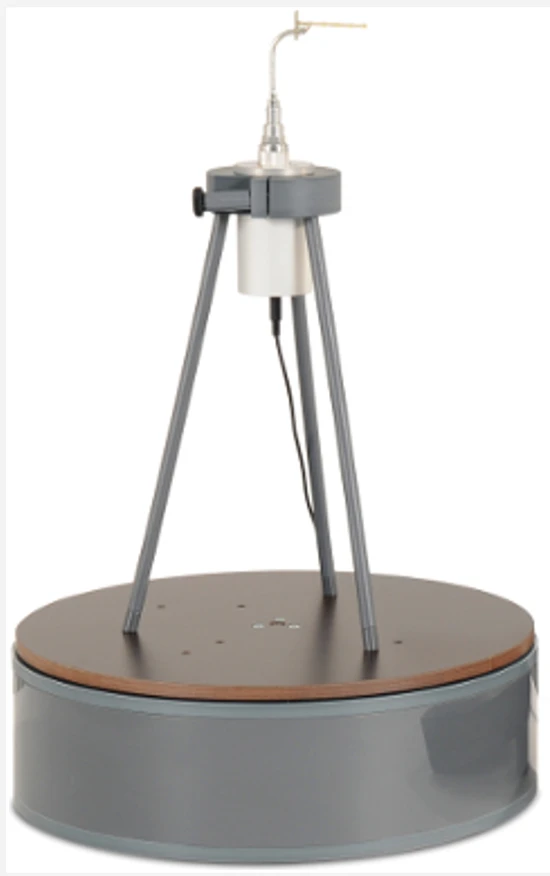
  • Stepper-motor-controlled antenna turntable
Speak with a Product Specialist +1 (757) 808-5696 · sales@lucas-nuelle.com

Radio networks, radar systems and satellite links all depend on knowing the characteristics of the antennas used. This UniTrain course makes directivity and polarization measurable: a 9 GHz DRO transmitter, a low-noise X-band receiver and a stepper-motor-controlled turntable with 0.1 degree angular resolution record radiation patterns over a full 360-degree rotation. Because the wavelength at 9 GHz is only about 3.3 cm, far-field measurements can be carried out over a short distance in an ordinary laboratory room. Students compare eleven antenna types, determine beamwidth, side-lobe suppression and gain, measure the isolation between linear and circular polarization, and investigate feed-point impedances, including balancing with a balun and a sleeve balun.

CO4204-9TCourse Antenna Technology
CO4203-2AUniTrain Interface mit virtuellen Instrumenten (Basis VI)
CO4203-2JUniTrain measurement accessories, shunts and connection cables
CO4203-2YUniTrain storage case for one UniTrain system
CO4203-2BUniTrain Experimenter

Learning Content in Detail

Students characterize antennas by measurement and match the different designs to their areas of application.

Recording radiation patterns

Students measure and evaluate the radiation patterns of dipole, Yagi, helical and patch antennas.

Determining antenna gain

Students determine the beamwidth, side-lobe suppression and gain relative to an isotropic radiator.

Measuring polarization isolation

Students compare linear and circular polarization and determine the cross-polarization isolation.

Demonstrating reciprocity

By swapping the antennas, students verify that the transmitting and receiving characteristics are identical.

Investigating power loss over distance

Students measure the inverse-square decrease in received power as the distance increases.

Analyzing feed-point matching

Students investigate the resistance and reactance of antennas and evaluate balancing using a balun.

Comparing antenna types

Students match antenna types such as Yagi, helical and patch antennas to their areas of application.

Features & Applications

The experiments address tasks from telecommunications engineering as well as from radio-frequency and radio transmission engineering.
  • Automated recording of 2D and 3D radiation patterns — Students determine the directional characteristics, beamwidth and side lobes of various antennas in an automated 360-degree measurement run.
  • Analyzing reciprocity and the near and far field — Students verify the inverse-square power loss over distance and demonstrate that the transmitting and receiving properties of an antenna are identical.
  • Far-field measurement at 9 GHz in the laboratory — At an operating frequency of 9 GHz, the wavelength is around 3.3 cm. As a result, far-field measurements can be carried out with only a short distance between the transmitting and receiving antennas in an ordinary laboratory room.
  • Stepper-motor-controlled antenna turntable — The USB turntable positions the antenna with an angular resolution of 0.1 degrees, making polar and Cartesian radiation patterns reproducible.
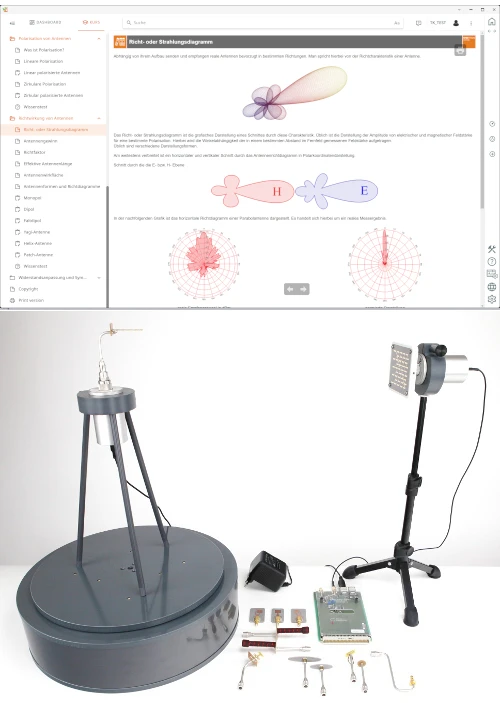
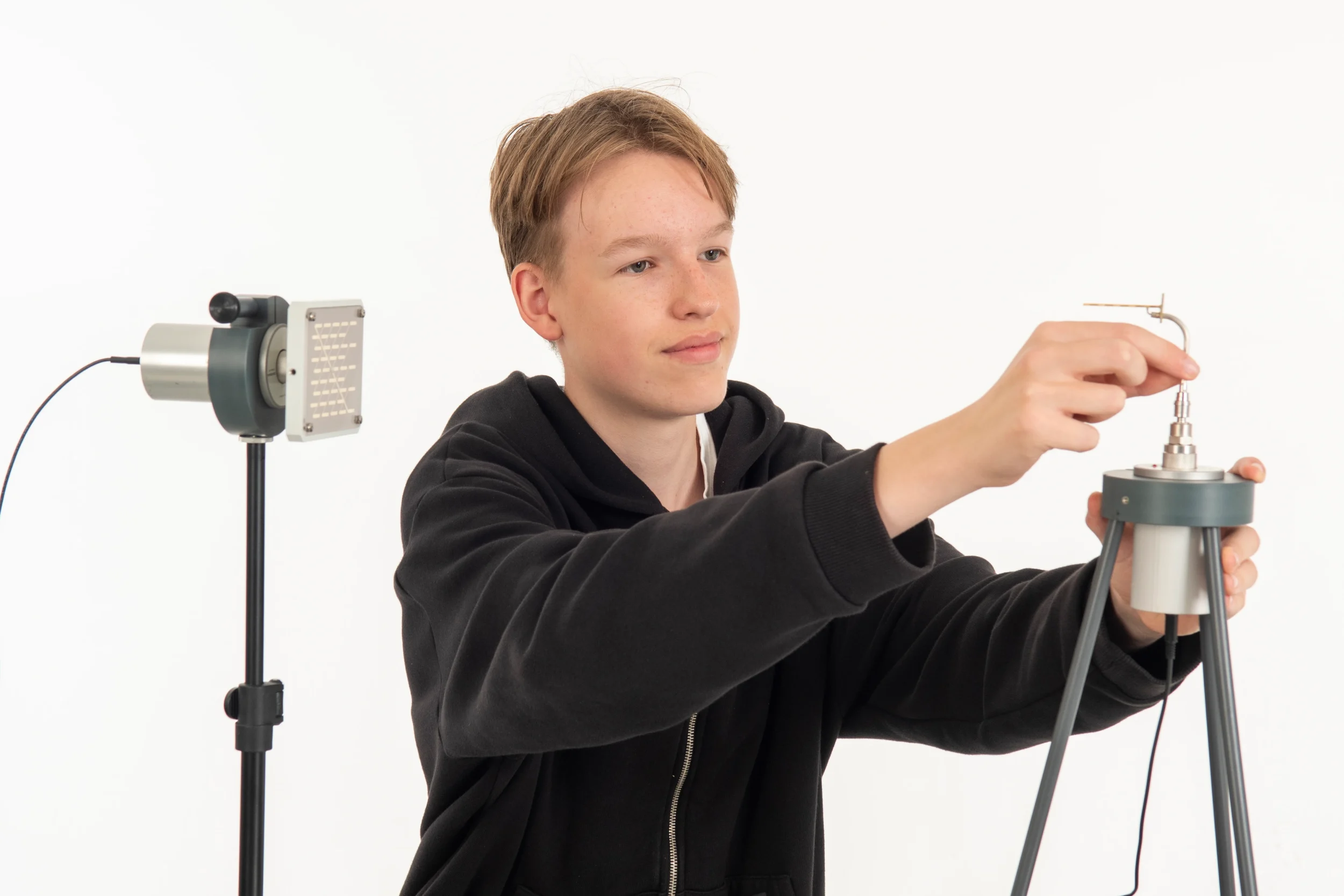
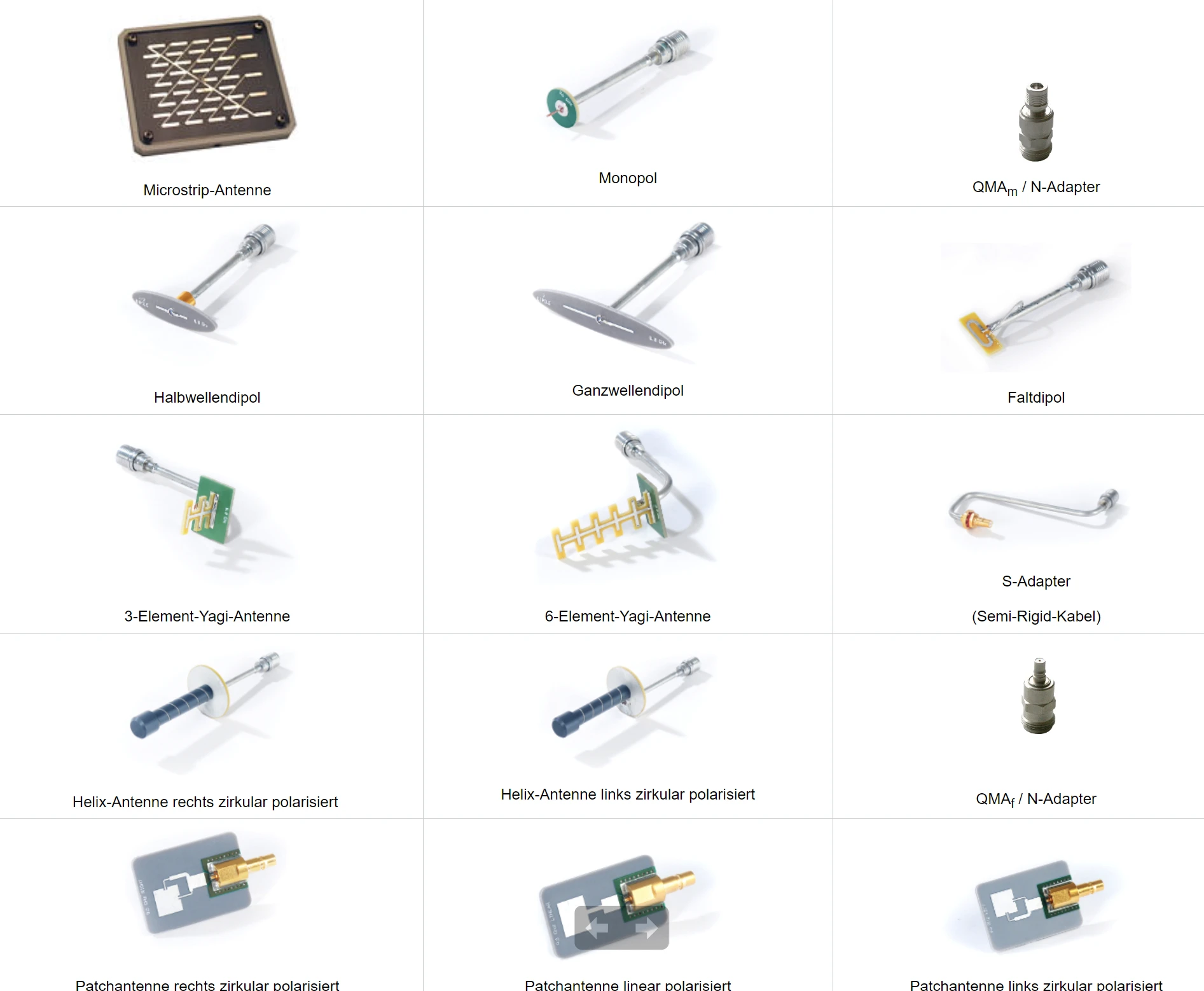
  • 9 GHz antenna set with QMA quick-release connectors — The 11-piece antenna set allows tool-free changeover between dipole, Yagi, helical and patch antennas in the X band, keeping setup times short during lab sessions.
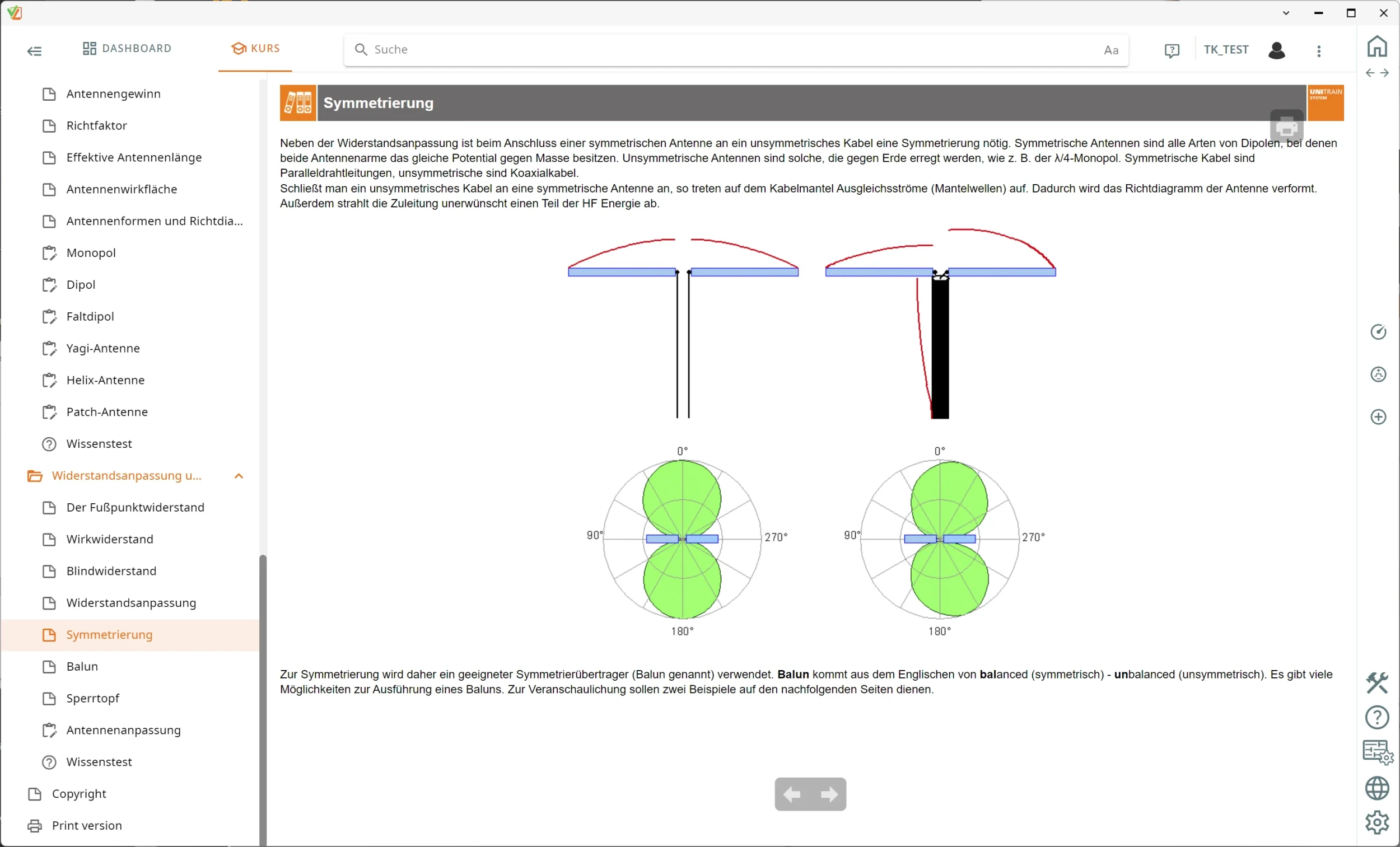
  • Testing impedance matching and balancing — Students investigate the feed-point impedance of dipoles and evaluate balancing elements such as baluns and sleeve baluns in terms of how well they reduce reflections.
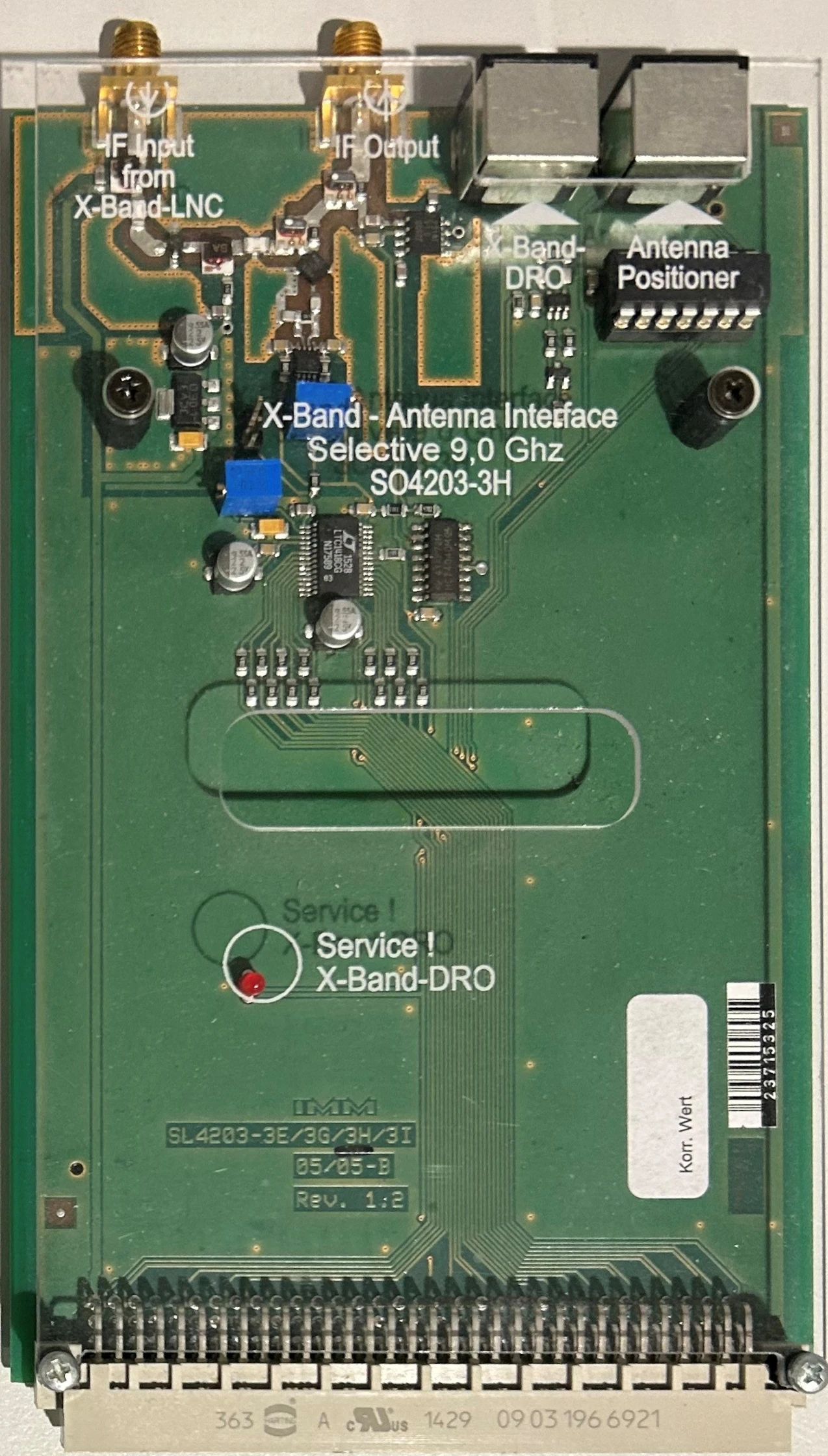
  • X-band antenna interface experiment card — Controls the transmitter and selectively measures the intermediate frequency in the 9 GHz band, covering a dynamic range of more than 60 dB.
  • Antenna turntable with stepper motor — Automatically rotates the antenna through 360 degrees in 0.1 degree steps, capturing high-resolution radiation patterns.
  • X-band oscillator as transmitter — Uses a dielectric resonator to generate a highly stable 9.0 GHz transmit signal and indicates transmission visually by means of an ON-AIR indicator.
  • X-band LNC receiver — Converts received 9 GHz signals to an intermediate frequency of 1 GHz with low noise and high sensitivity.
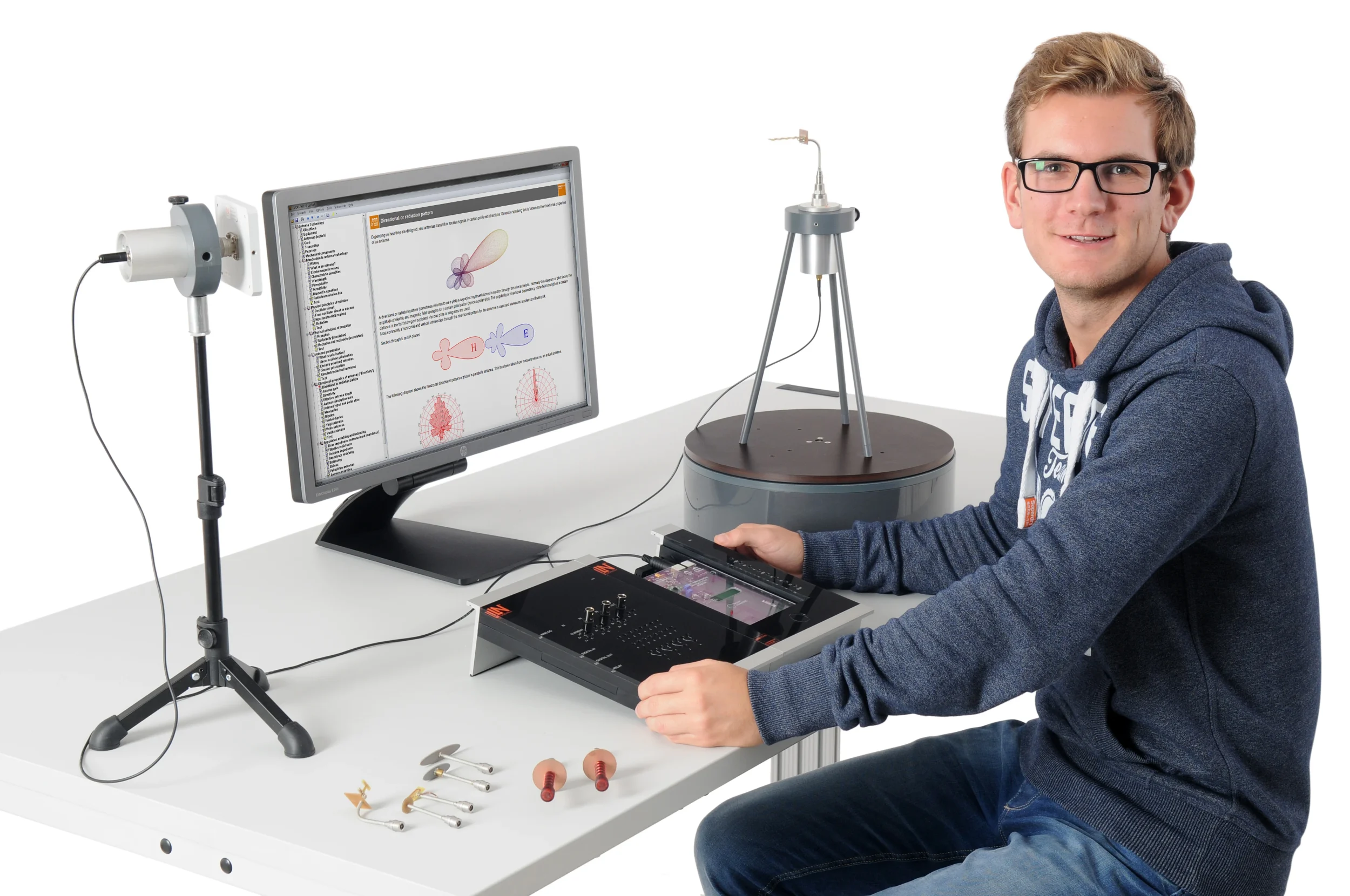
  • 11-piece X-band antenna set — Contains a monopole, dipoles and Yagi, helical and patch antennas with QMA quick-release connectors for comparative directional measurements.
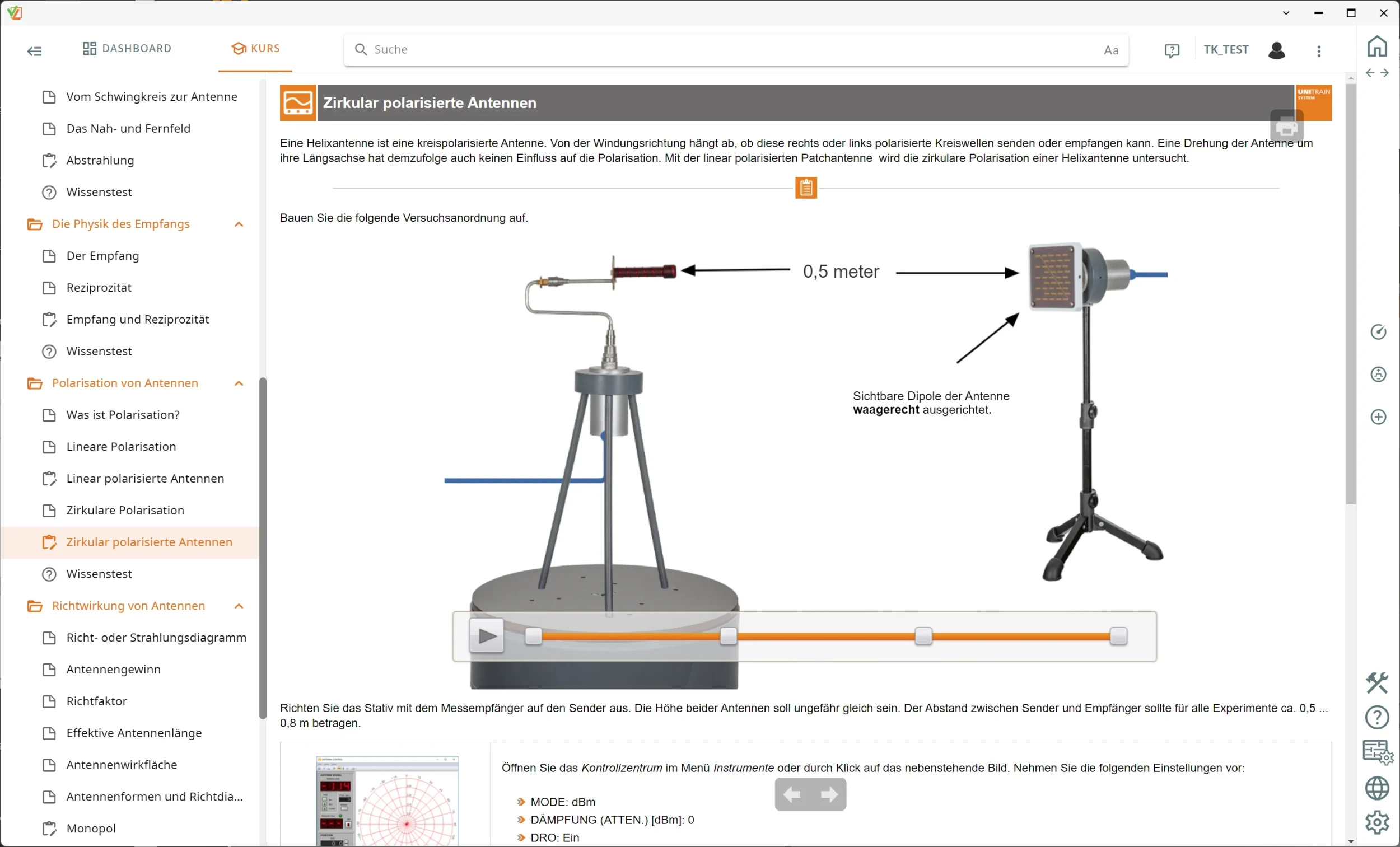
  • Antenna control center — Controls the turntable, switches the transmitter on and off and measures the received level. Measurement runs are fully automatic, and the results are displayed as a 2D polar diagram, a Cartesian plot and a 3D radiation pattern.
  • Investigating polarization and polarization isolation — Students compare linear and circular polarization and determine the isolation between different orientations.
Learners working with RXLea on a tablet at a Lucas-Nuelle training system
RXLea

From Knowledge Comes Capability.

You guide the learning

Where theory and practice go hand in hand.

RXLea brings a new way of learning: project-based, hands-on and clearly structured. Learners solve real-world tasks, while instructors save time on preparation. Interactive modules, smart analytics and real hardware create a modern, efficient learning world.

Hands-on and interactive

Animations, interactive tasks and realistic scenarios build a deep understanding. All content is organized into clear learning paths for focused, hands-on learning.

Digital support

3D assembly animations and digital instructions simplify complex procedures, reduce errors and help learners work more independently.

Visual support

Overview graphics, screenshots and sample animations make the learning world transparent. Photos from the learning packages are also available, including country-specific versions where needed.


Learners using a tablet at an energy training system
RXLea on desktop, laptop and tablet
RXLea Path Creator for building learning journeys
RXLea Navigator showing the learning world
Learn more about RXLea
Newsletter

Stay ahead in
technical training.

Get the latest training systems, product launches and educational insights, delivered directly to your inbox.

Your email address

By subscribing, you agree to our Privacy Policy. You can unsubscribe at any time.

 Please select at least one category before subscribing.
I'm interested in - select all that apply