


Four-Wire Lines
Four-Wire Lines
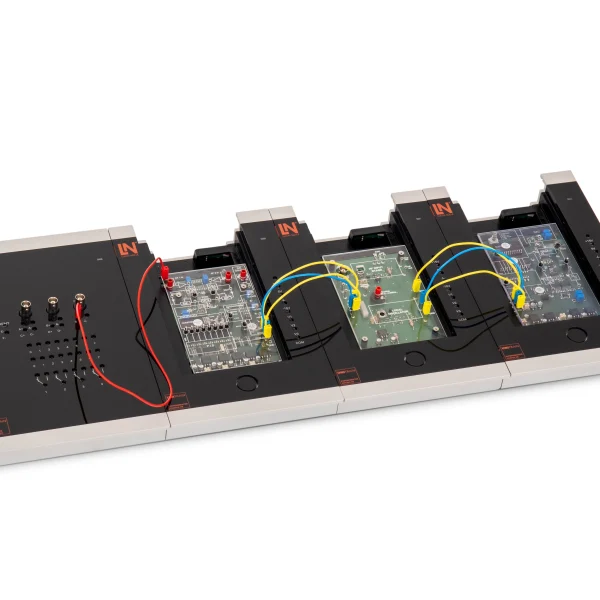
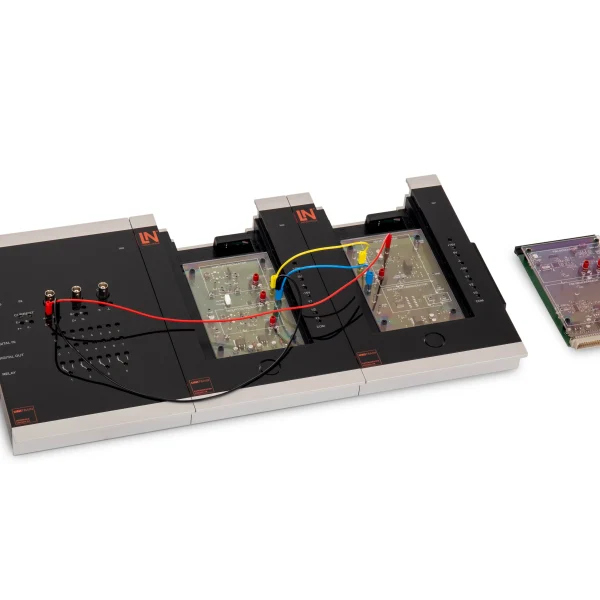
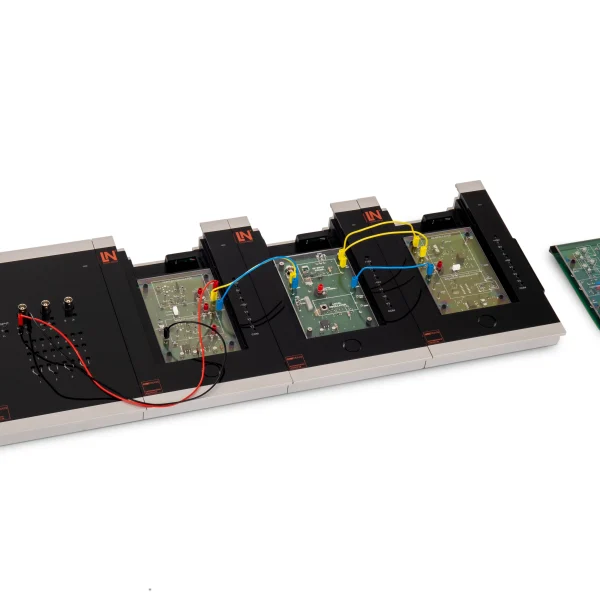
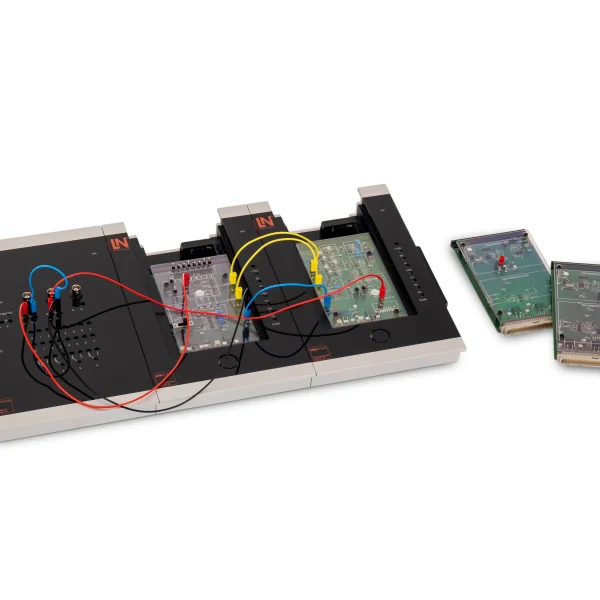
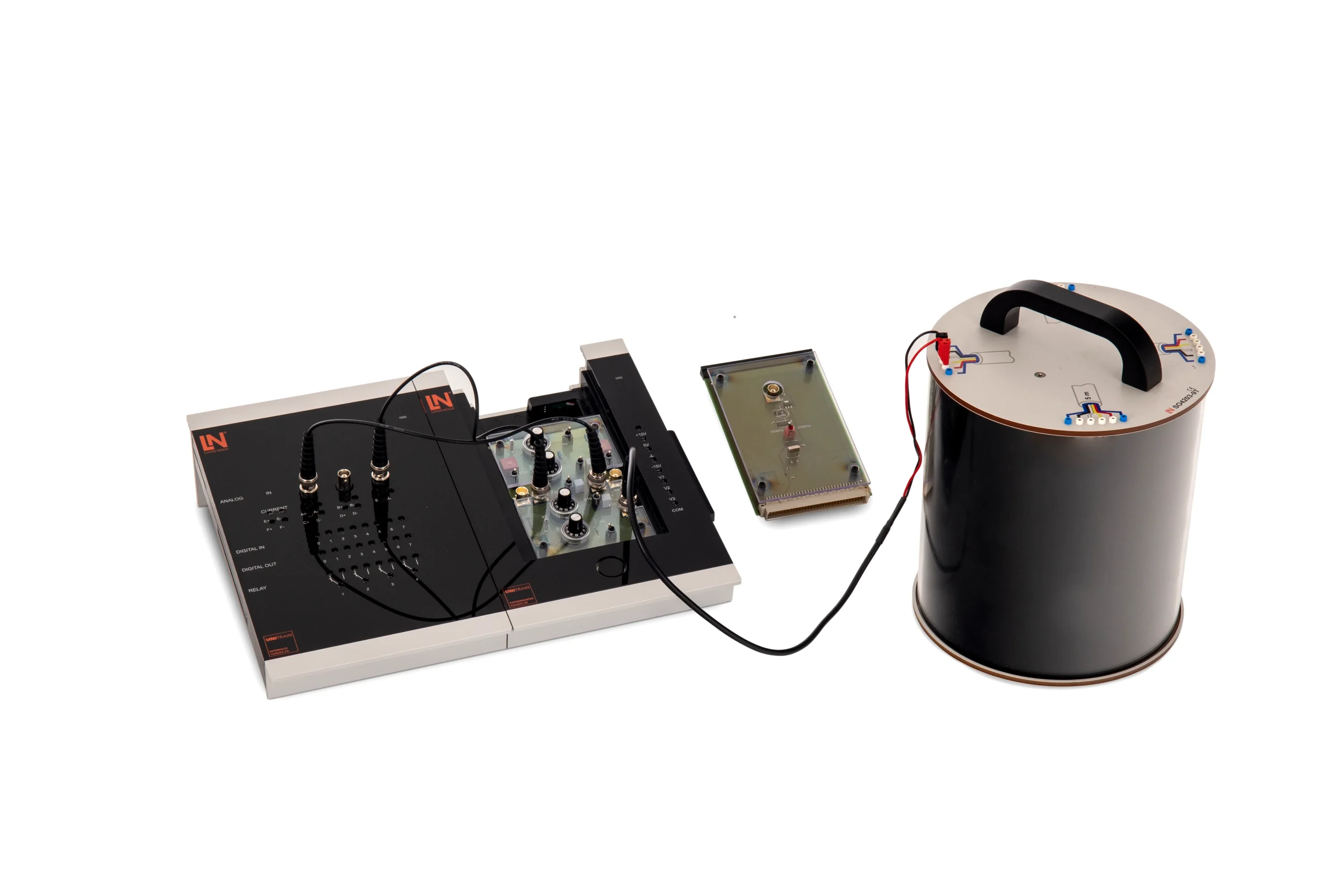
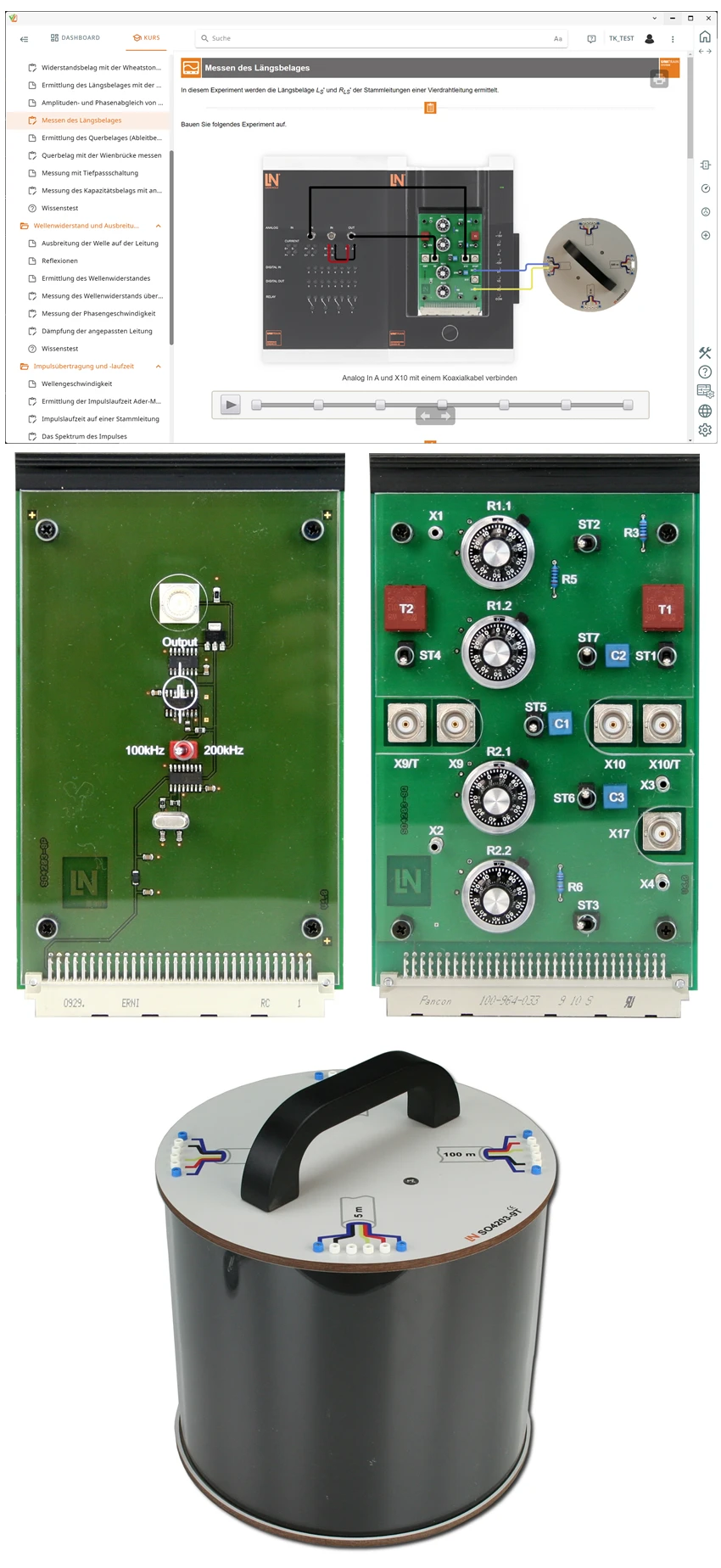
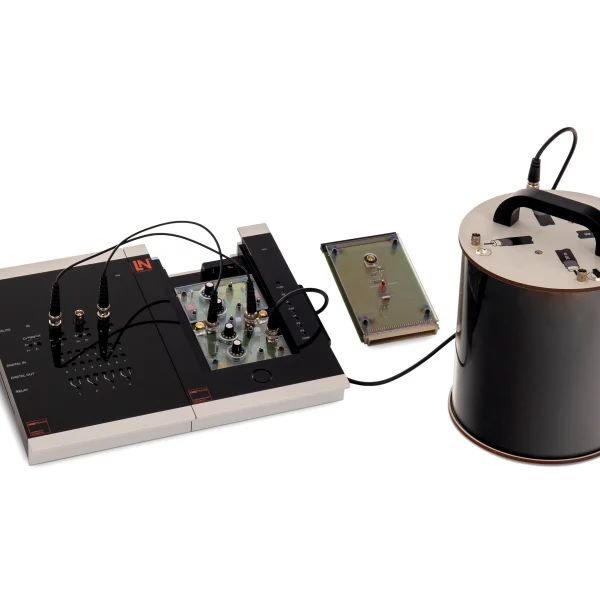
UniTrain training system for four-wire lines: students determine the per-unit-length line parameters with the RLC measuring bridge, measure characteristic impedance and pulse propagation times, and investigate crosstalk between the wire pairs.
- Determining line resistance
- Measuring capacitance and inductance per unit length
- Determining characteristic impedance
- Measuring pulse propagation times
- Determining the primary line parameters by measurement
- Measuring frequency-dependent characteristic impedance
- Analyzing pulse propagation time and wave propagation
- Investigating near-end and far-end crosstalk
In a star-quad cable, several wire pairs lie close together. How strongly they influence each other determines the transmission quality. This UniTrain training system makes this measurable. Students use switches to configure the RLC measuring bridge as a Wheatstone, Wien or Maxwell-Wien bridge, balance it using precision potentiometers and thus determine the frequency-dependent resistance, inductance, capacitance and leakage conductance per unit length. Between 300 Hz and 1 MHz, they determine the characteristic impedance and propagation constant and use these to assess broadband suitability. Using needle pulses, they measure the propagation times in the pair conductors and against the shield. Finally, they determine near-end and far-end crosstalk via the coupling attenuation.
| Course | |
| CO4204-9F | Course Telecommunications 4: Four-wire lines |
| Accessories | |
| CO4203-2A | UniTrain Interface mit virtuellen Instrumenten (Basis VI) |
| CO4203-2J | UniTrain measurement accessories, shunts and connection cables |
| CO4203-2Y | UniTrain storage case for one UniTrain system |
| CO4203-2B | UniTrain Experimenter |
Learning Content in Detail
Determining line resistance
Measuring capacitance and inductance per unit length
Determining characteristic impedance
Measuring pulse propagation times
Analyzing reflection behavior
Correcting impedance mismatch
Features & Applications
- Determining the primary line parameters by measurement — Students determine the frequency-dependent resistance, inductance, capacitance and leakage conductance per unit length of the four-wire line using the electrically isolated RLC measuring bridge.
- Measuring frequency-dependent characteristic impedance — Students determine the characteristic impedance and propagation constant between 300 Hz and 1 MHz and use them to assess the line’s broadband suitability.
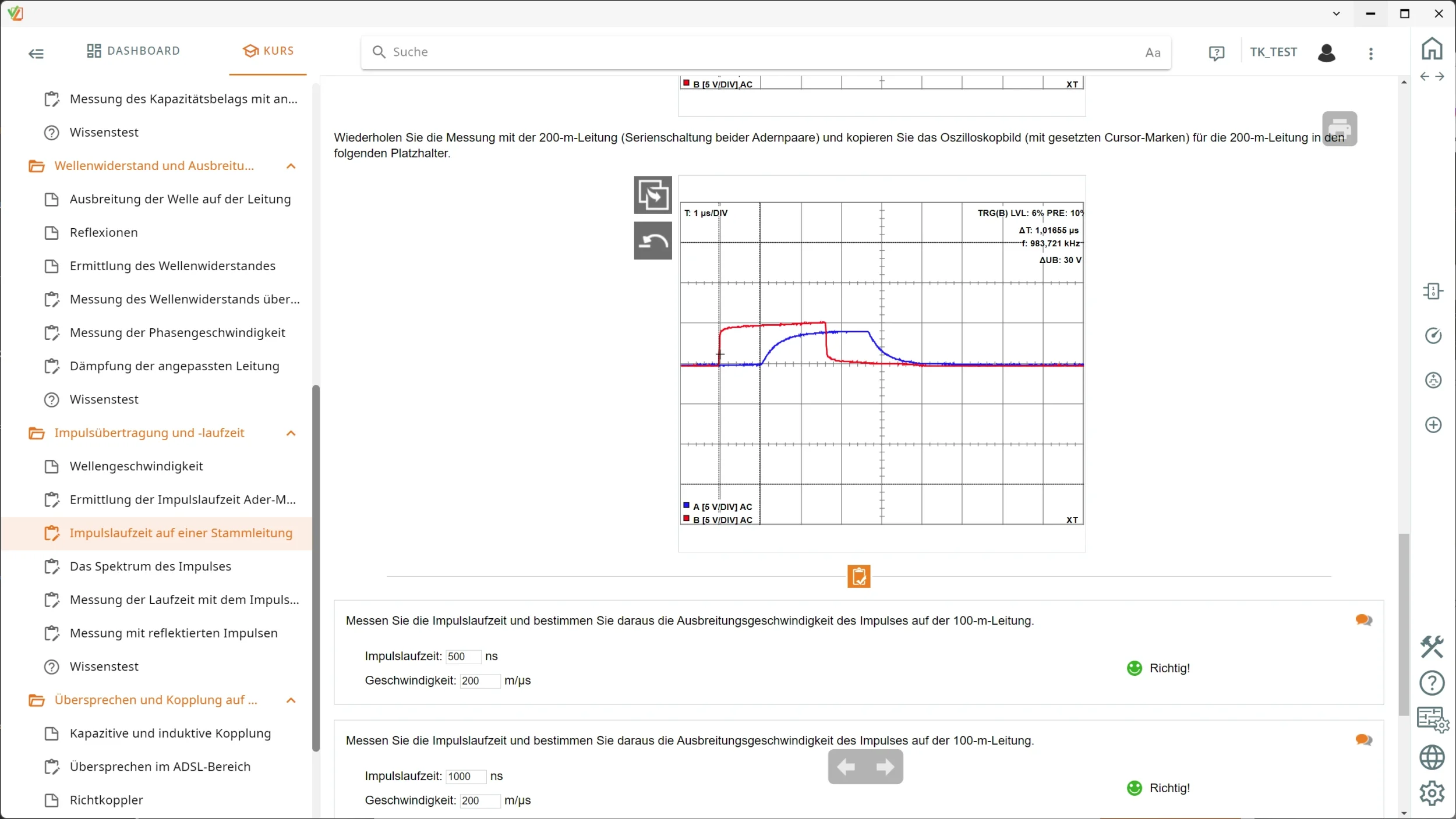
- Analyzing pulse propagation time and wave propagation — Using needle pulses, students determine the propagation velocity and measure the signal propagation times in the pair conductors and between pair conductor and shield.
- Investigating near-end and far-end crosstalk — Students analyze the capacitive and inductive coupling between the wire pairs of the star-quad cable and determine near-end and far-end crosstalk via the attenuation.
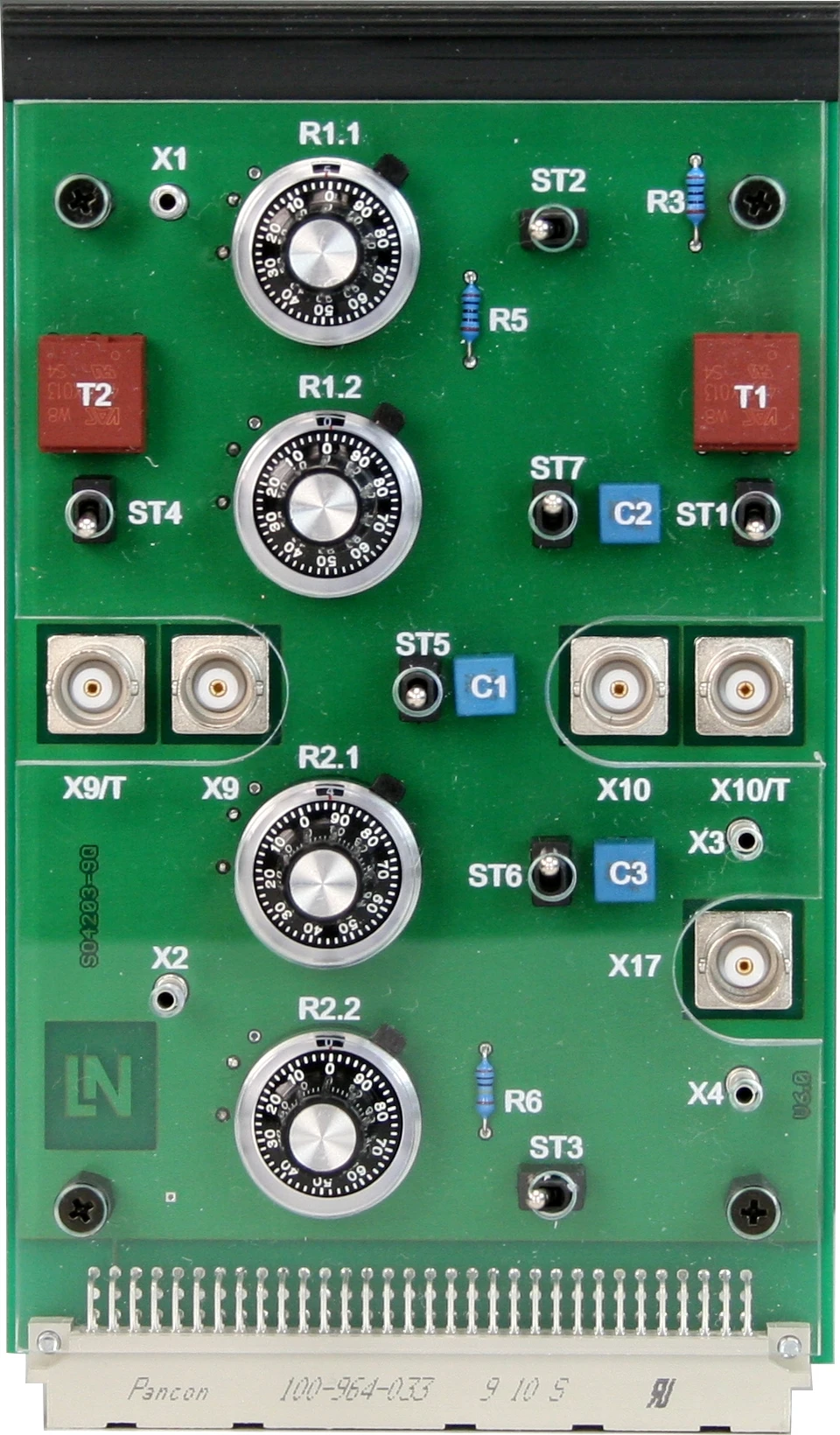
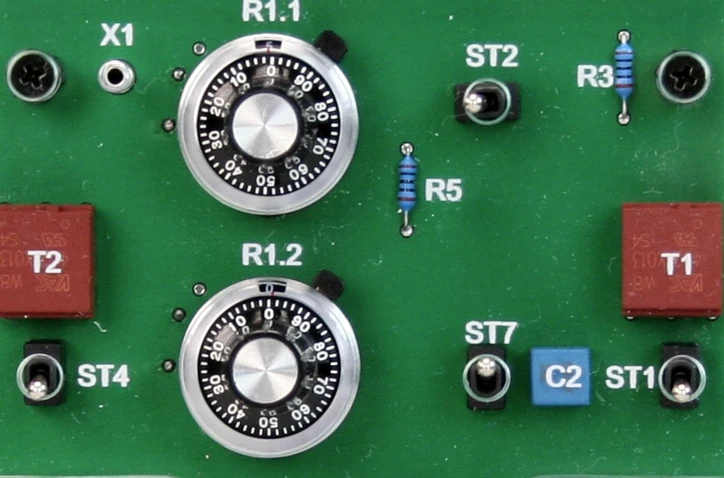
- Changing the bridge circuit at the flick of a switch — The RLC measuring bridge can be switched to operate as a Wheatstone, Wien or Maxwell-Wien bridge. Balancing is carried out using precision potentiometers.
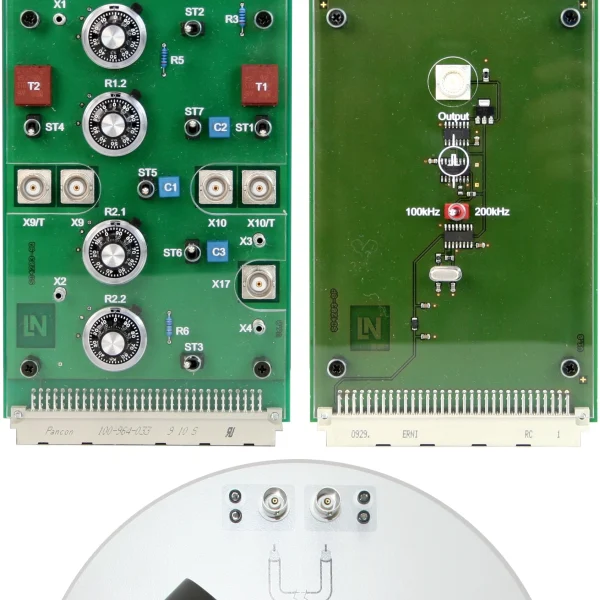
- RLC Measuring Bridge plug-in card — Contains switchable bridge arms and electrical isolation for measuring resistance, capacitance and inductance per unit length.
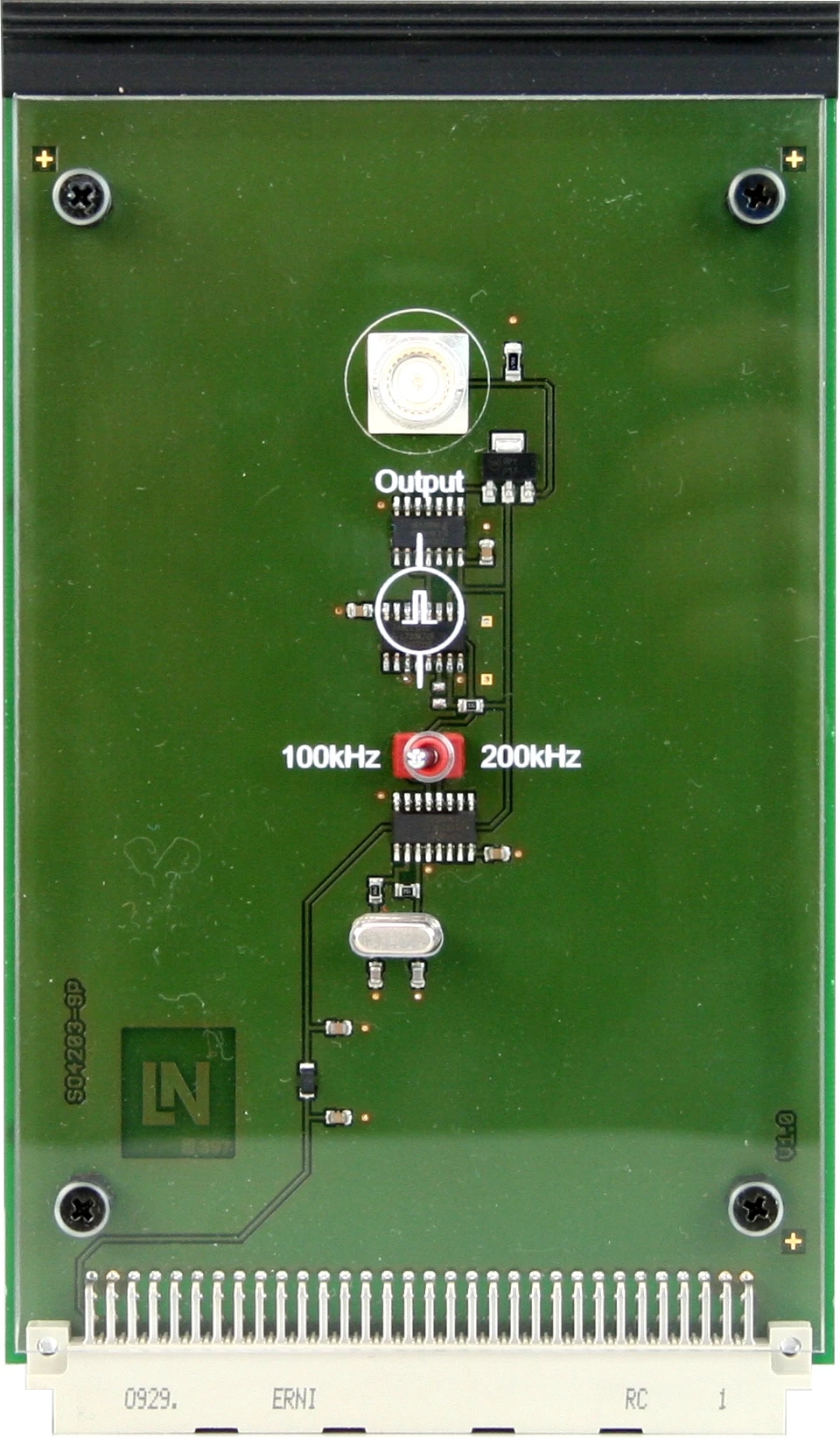
- Pulse Generator plug-in card — Generates needle pulses at repetition frequencies of 100 kHz and 200 kHz for measuring pulse propagation times and reflection points.
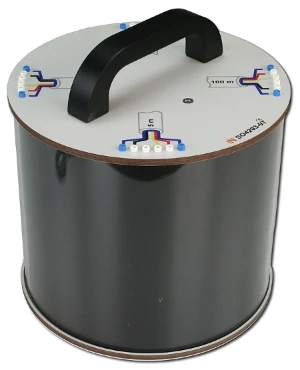
- Four-Wire Lines experiment module — Contains a 100 m and a 5 m four-wire line in star-quad configuration. The wires are individually accessible, so that line properties and crosstalk can be investigated.
- Precision potentiometers for bridge balancing — Students balance the bridge precisely and read the resulting resistance value directly on the adjustment scale, without additional measuring instruments.
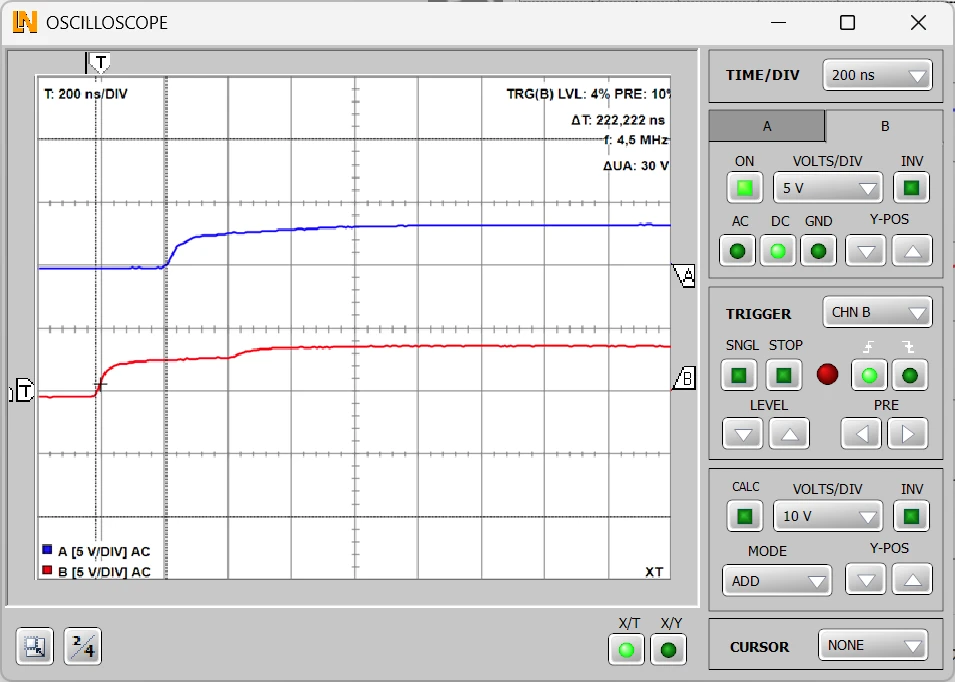
- 2/4-channel oscilloscope — Captures forward and reflected pulses in X/T mode, allows the bridge to be balanced using Lissajous figures in XY mode and measures propagation times using cursors.
- UniTrain interface — Supplies the measurement setups with safety extra-low voltage and provides analog measurement channels with BNC and 2 mm connections for high-frequency signals.
- Bode plotter — Records frequency responses and supports the determination of attenuation and phase delay over the cable length.

From Knowledge Comes Capability.
You guide the learning
Where theory and practice go hand in hand.
RXLea brings a new way of learning: project-based, hands-on and clearly structured. Learners solve real-world tasks, while instructors save time on preparation. Interactive modules, smart analytics and real hardware create a modern, efficient learning world.
Hands-on and interactive
Animations, interactive tasks and realistic scenarios build a deep understanding. All content is organized into clear learning paths for focused, hands-on learning.
Digital support
3D assembly animations and digital instructions simplify complex procedures, reduce errors and help learners work more independently.
Visual support
Overview graphics, screenshots and sample animations make the learning world transparent. Photos from the learning packages are also available, including country-specific versions where needed.




Stay ahead in
technical training.
Get the latest training systems, product launches and educational insights, delivered directly to your inbox.