

Skip to content

Three-Phase Technology

RXLea
Digital projects for hands-on learningInteractive learning content, directly connected to the training system.

Three-Phase Technology

BET03UT

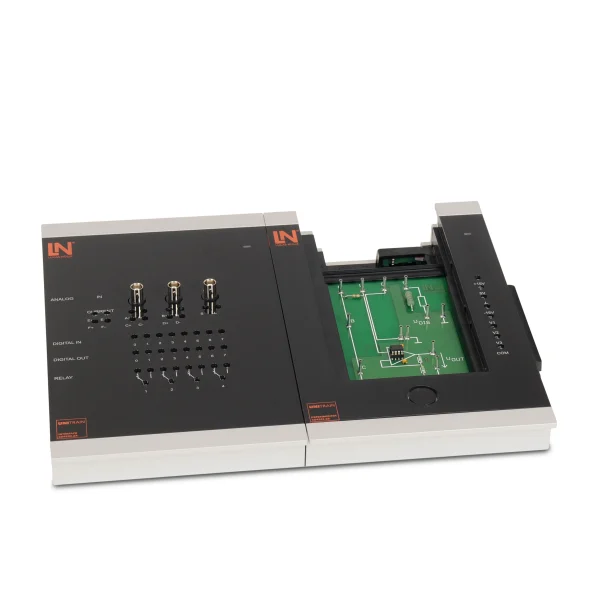
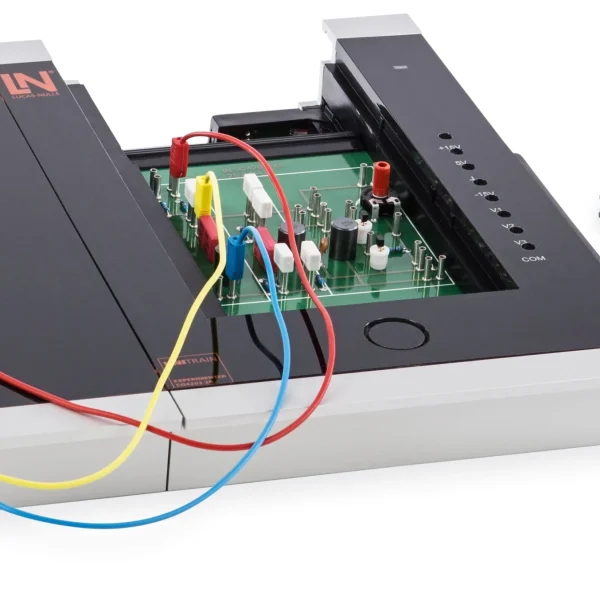
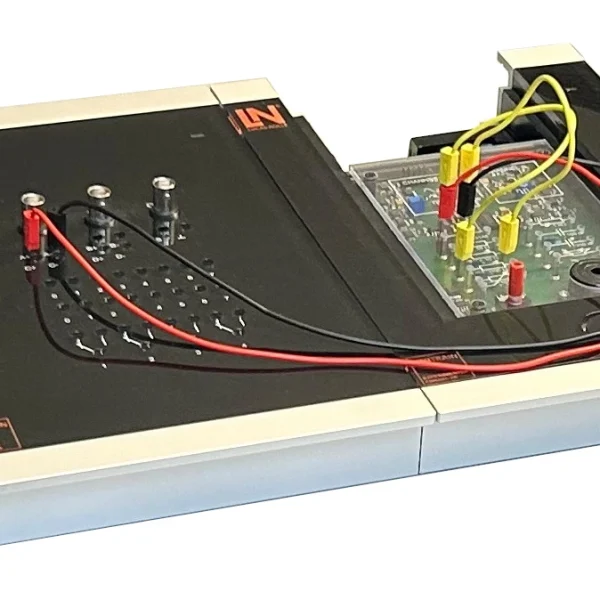
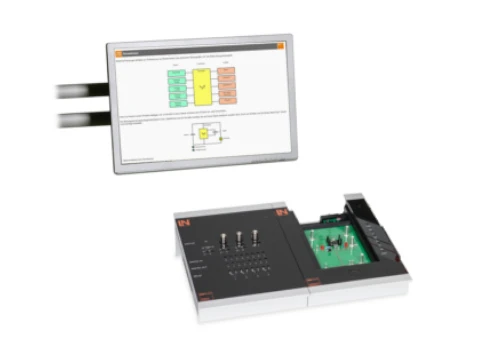
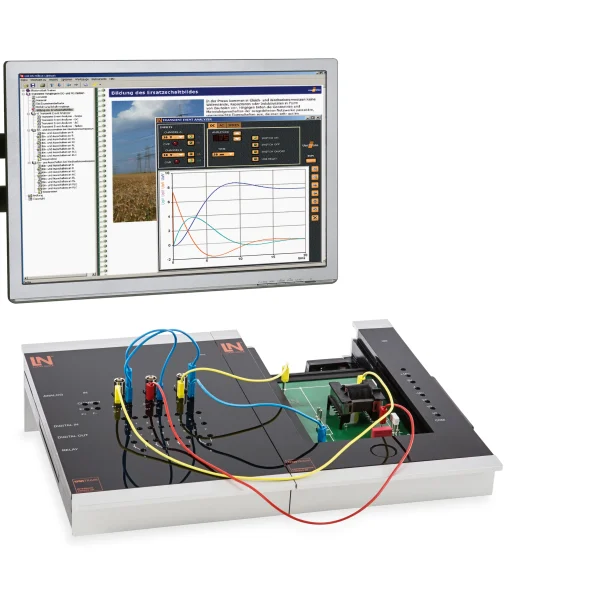
Computer-based UniTrain system for three-phase technology: learners measure phase and line quantities in wye and delta connections on an experiment card, entirely at touch-safe safety extra-low voltage.

Learning Content
  • Getting to know three-phase applications
  • Using three-phase system terminology confidently
  • Measuring phase and line quantities
  • Determining the laws of phase interlinking
KEY FEATURES
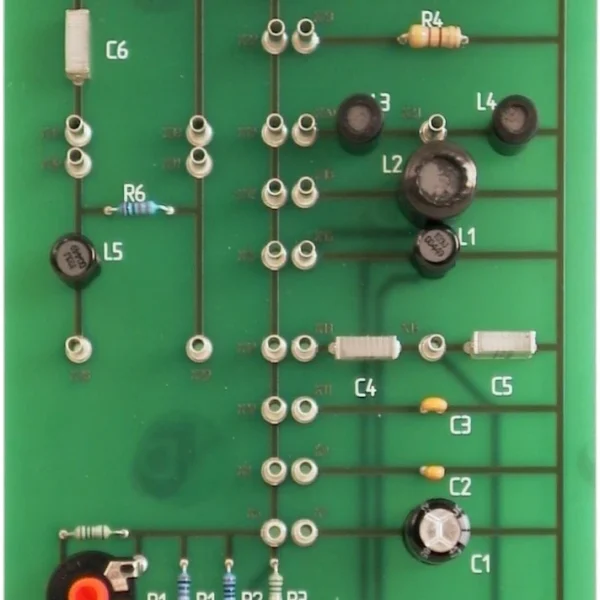
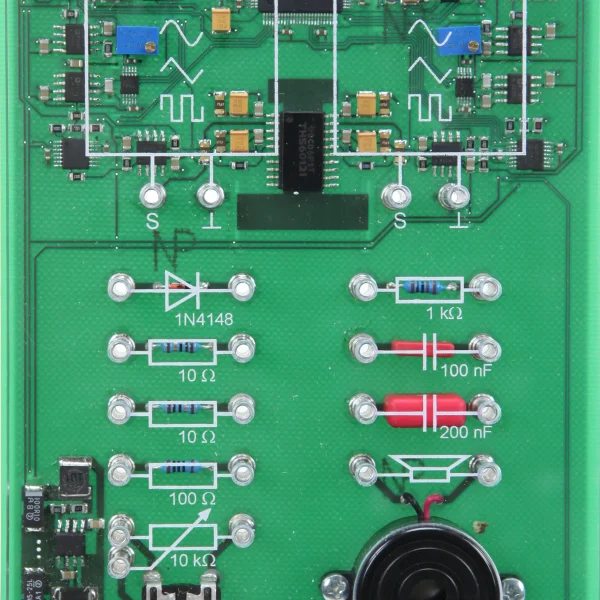
  • Three-phase circuits experiment card
  • Safe experimentation at safety extra-low voltage
  • Three-phase power supply
  • Comprehensive analysis of the wye connection
Speak with a Product Specialist +1 (757) 808-5696 · sales@lucas-nuelle.com

Without a sound understanding of phase relationships and load conditions, power distribution networks and electric drives cannot be operated reliably. The training system covers three-phase technology on a dedicated experiment card and links multimedia content closely with the experiment. Learners investigate four-wire and three-wire systems under balanced and unbalanced load, verify the √3 factor and the 120° phase shift by measurement, measure compensating currents in the neutral conductor and simulate a broken neutral to understand the neutral point shift. All work is carried out exclusively with a three-phase source of 14 V RMS, i.e. at touch-safe safety extra-low voltage.

CO4204-4HCourse Electrical engineering 3: Three-phase technology
LM2330Multi13S digital multimeteroptional
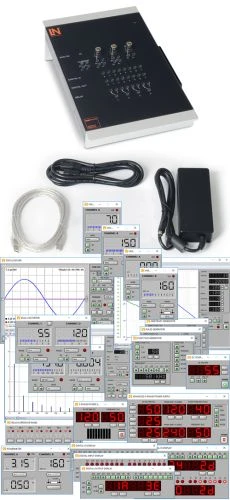
CO4203-2AUniTrain Interface mit virtuellen Instrumenten (Basis VI)
CO4203-2JUniTrain measurement accessories, shunts and connection cables
CO4203-2YUniTrain storage case for one UniTrain system
CO4203-2BUniTrain Experimenter

Learning Content in Detail

The basic training in three-phase technology leads from the terminology of the three-phase system through measurements of phase and line quantities to power measurement on a three-phase load.

Getting to know three-phase applications

Learners become familiar with typical applications of three-phase technology.

Using three-phase system terminology confidently

Learners know the terms used for the three-phase system and use them correctly.

Measuring phase and line quantities

Learners measure phase and line quantities in the three-phase system.

Determining the laws of phase interlinking

Learners use measurements to determine the relationships between line and phase voltages and name them.

Investigating resistive and capacitive loads

Learners investigate resistive and capacitive loads in wye and delta connections.

Determining the phase shift

Learners determine the phase shift between line and phase voltages.

Measuring compensating currents in the neutral conductor

Learners measure compensating currents in the neutral conductor and explain the effects of a broken neutral.

Comparing balanced and unbalanced loads

Learners carry out current and voltage measurements under balanced and unbalanced loads.

Measuring power on a three-phase load

Learners measure the power on a three-phase load.

Features & Applications

The experiments address questions from electrical power engineering and power distribution as well as from drive technology and maintenance.
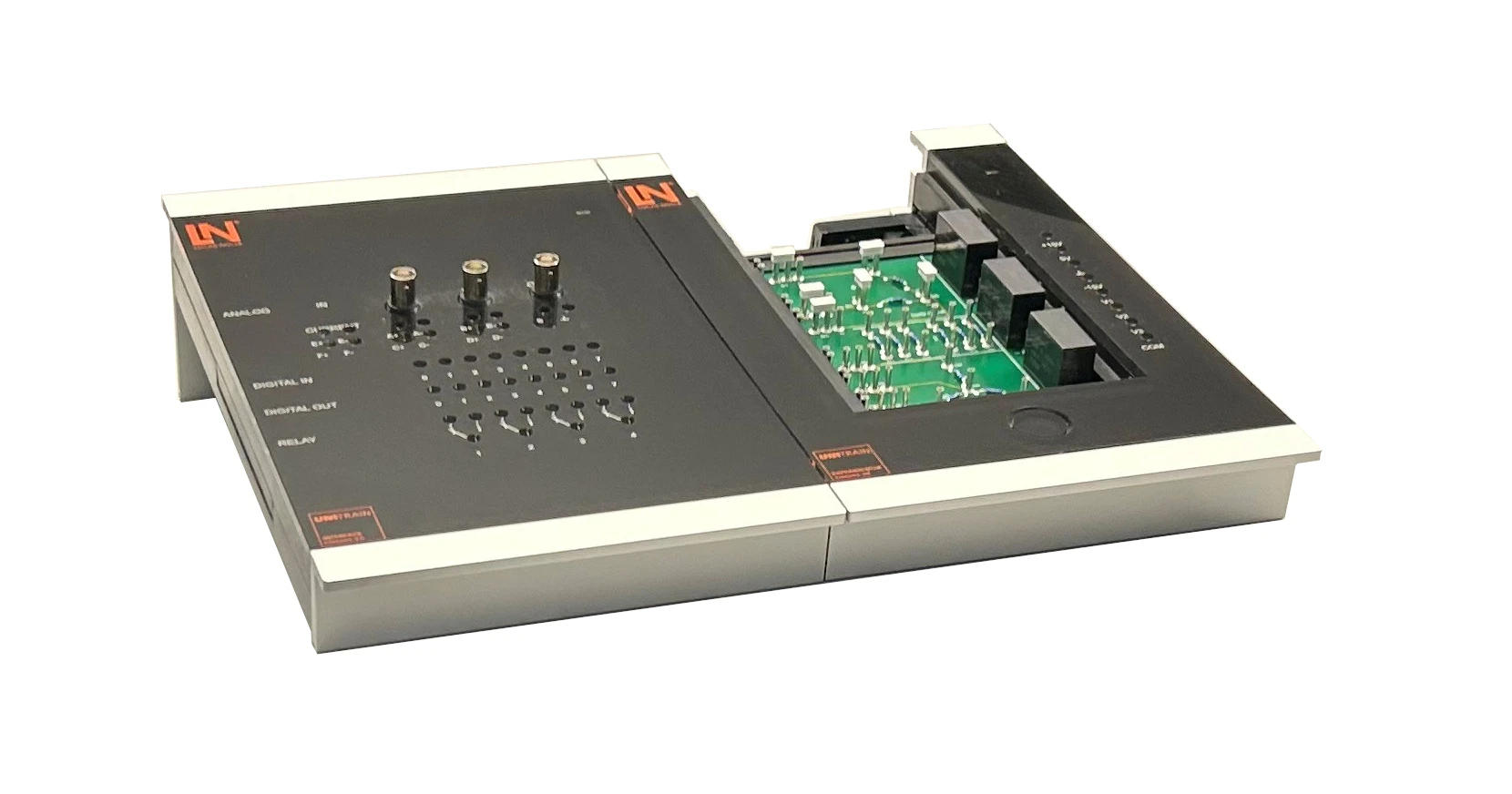
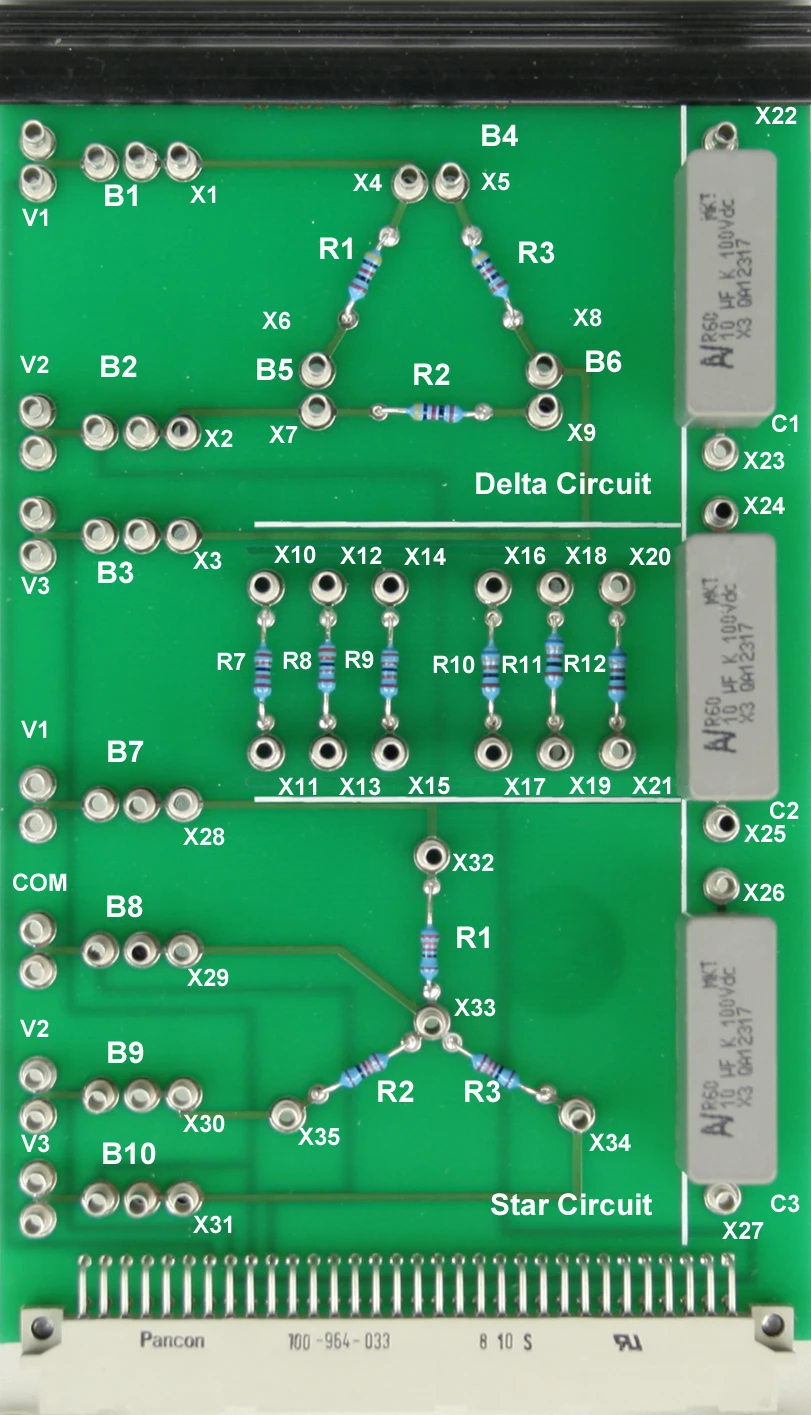
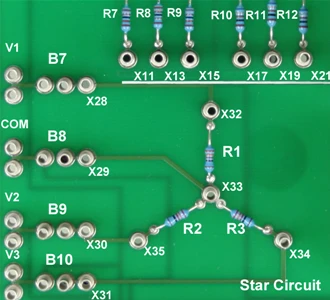
  • Three-phase circuits experiment card — The card offers four functional areas with integrated wye and delta connections as well as switchable load resistors and load capacitors.
  • Safe experimentation at safety extra-low voltage — The system works exclusively with touch-safe safety extra-low voltage; the three-phase source supplies 14 V RMS with a peak voltage of ±20 V. This allows learners to experiment freely and without danger.
  • Three-phase power supply — Voltages up to 14 V RMS and frequencies up to 150 Hz can be set using software.
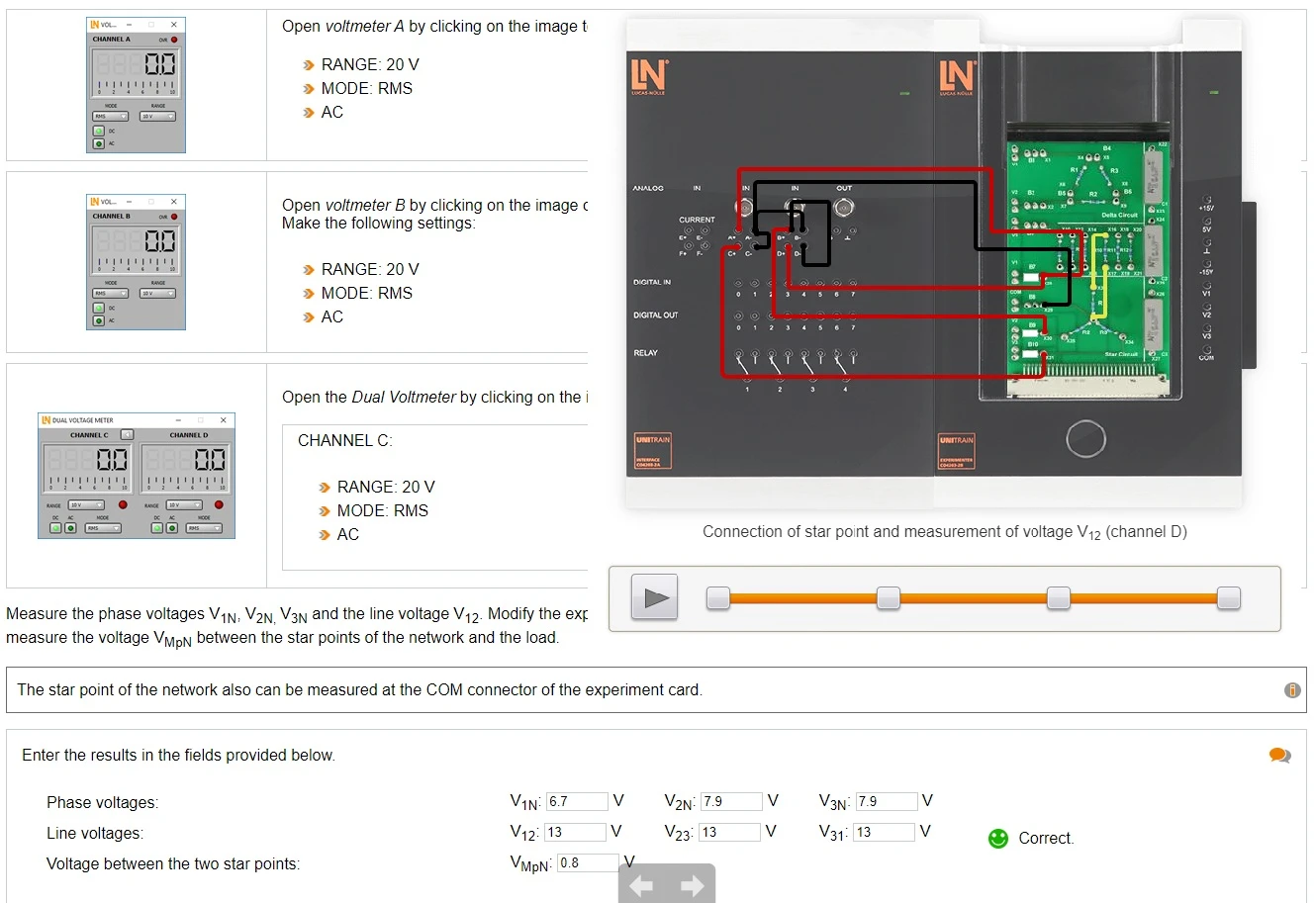
  • Comprehensive analysis of the wye connection — Learners investigate voltage and current behavior in four-wire and three-wire systems under balanced and unbalanced resistive and capacitive load conditions.
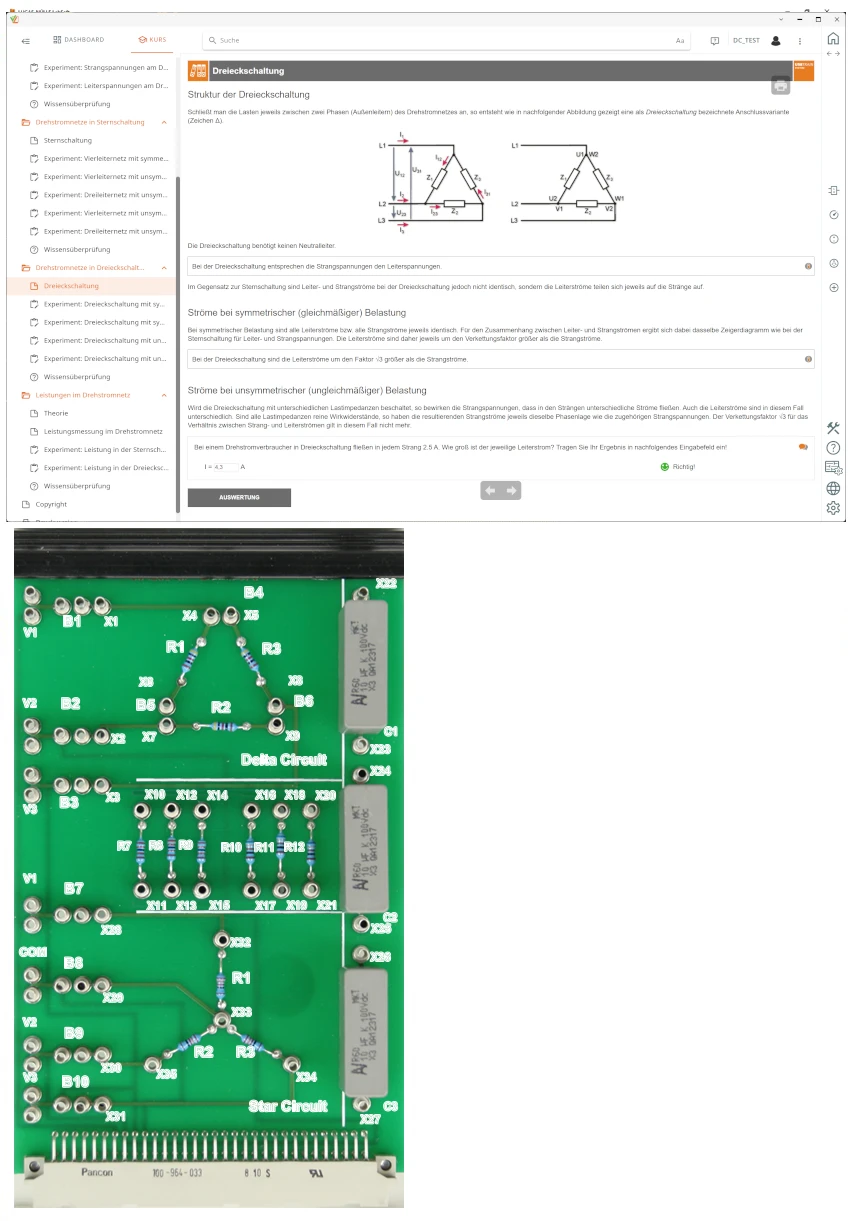
  • Investigating the delta connection in detail — Learners verify that phase and line voltages are equal and analyze the current distribution under balanced load, with load failures and with unbalanced connection.
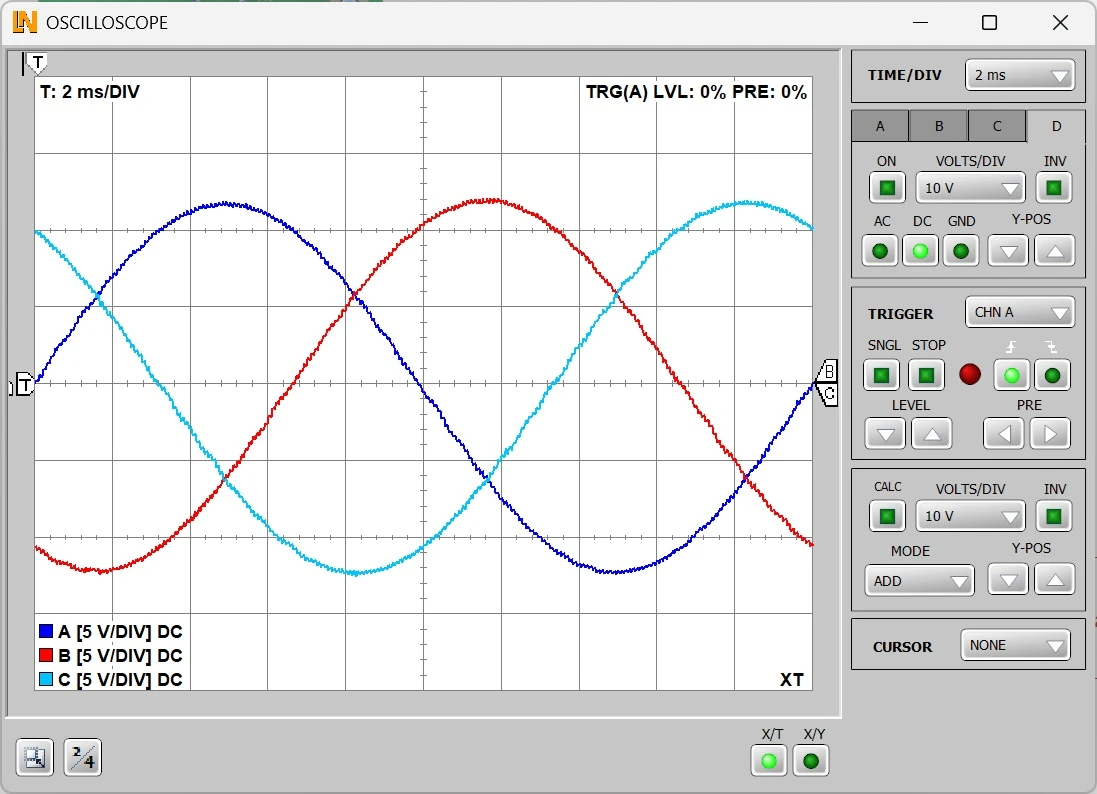
  • Verifying the √3 factor by measurement — Learners determine the mathematical relationships and the 120° phase shift between phase and line quantities by taking measurements with an oscilloscope and voltmeter.
  • Evaluating neutral conductor current and neutral point shift — Learners measure compensating currents in the neutral conductor and simulate a broken neutral in order to trace the dangerous neutral point shift by measurement.
  • Tool-free system coupling — Learners slide the experiment card into the experimenter. The UniTrain bus automatically establishes the connection to the interface and the system voltages.
  • Simultaneous measurement of all currents — Four ammeters allow all relevant currents to be measured simultaneously.
  • Integrated delta connection — Three resistors are connected in a delta configuration. If jumpers are replaced by ammeters, phase and line currents can be analyzed separately.
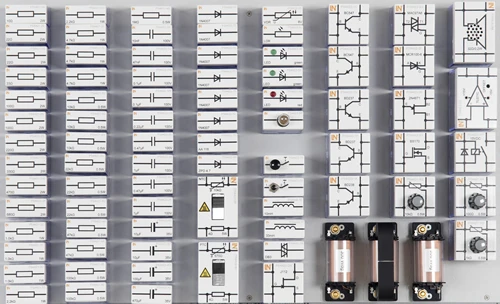
  • Switchable load impedances — Using different resistors and capacitors, learners create balanced or unbalanced load conditions.
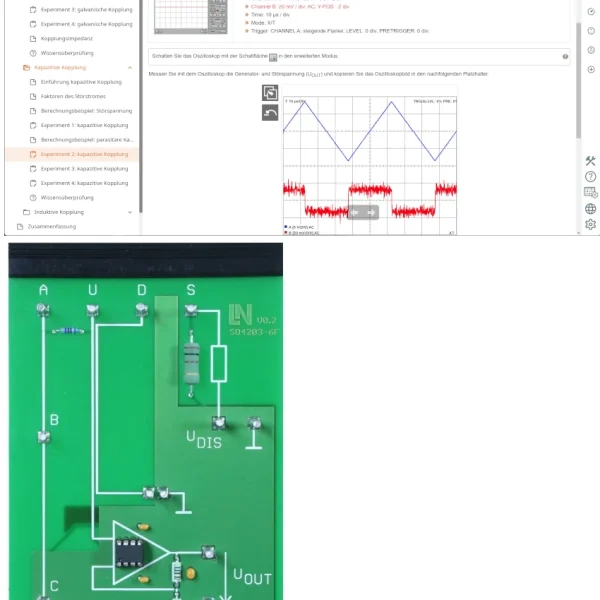
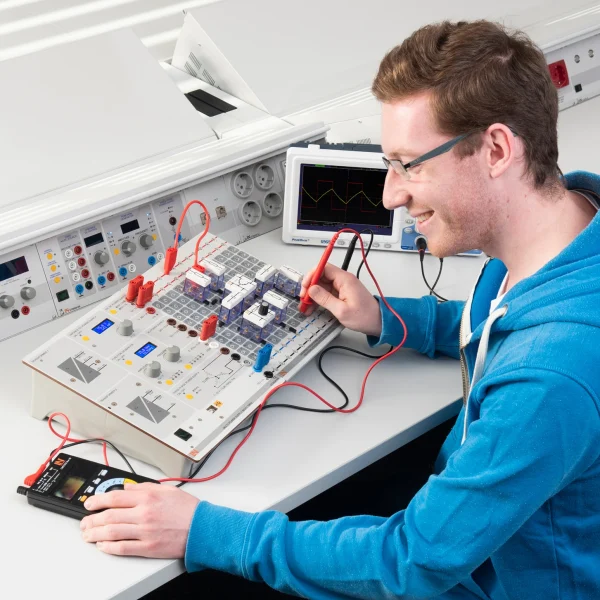
  • 2/4-channel oscilloscope — The oscilloscope enables simultaneous real-time measurement of all voltages in the three-phase system.
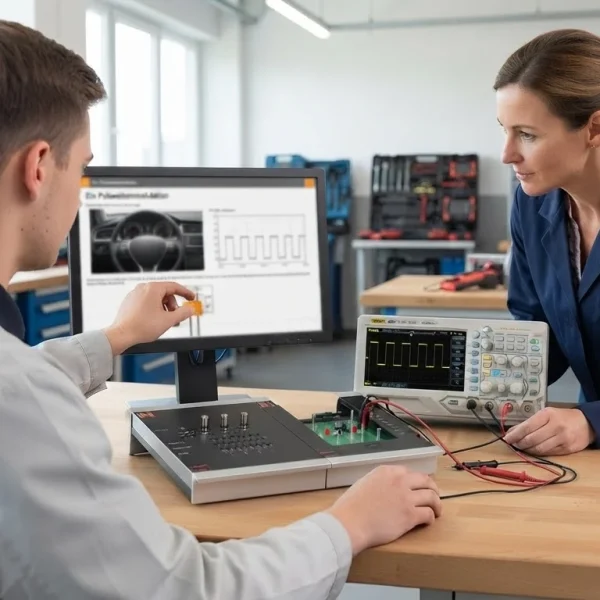
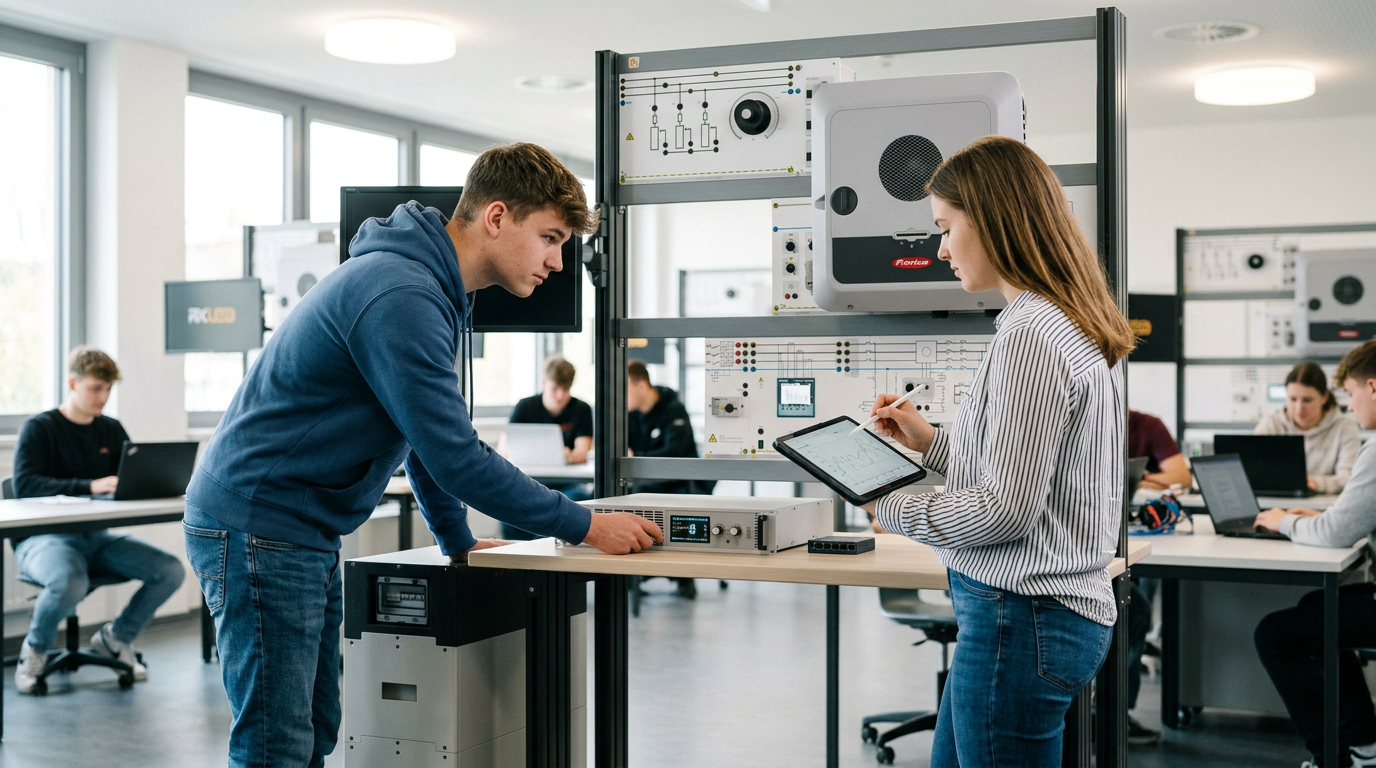
Learners working with RXLea on a tablet at a Lucas-Nuelle training system
RXLea

From Knowledge Comes Capability.

You guide the learning

Where theory and practice go hand in hand.

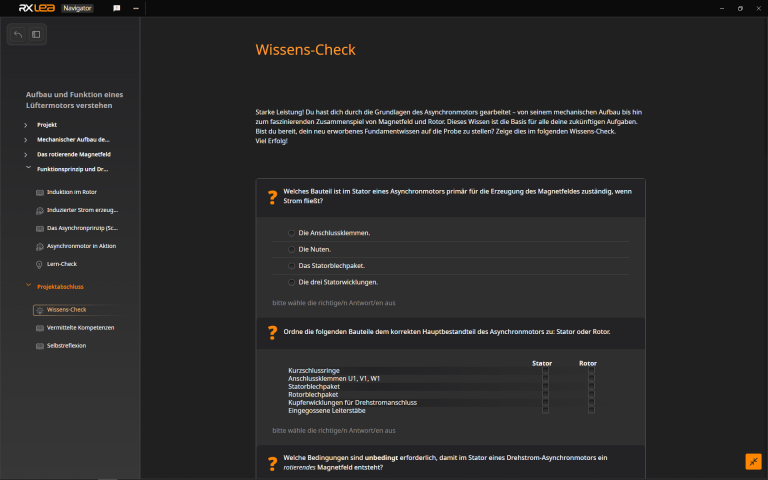
RXLea brings a new way of learning: project-based, hands-on and clearly structured. Learners solve real-world tasks, while instructors save time on preparation. Interactive modules, smart analytics and real hardware create a modern, efficient learning world.

Hands-on and interactive

Animations, interactive tasks and realistic scenarios build a deep understanding. All content is organized into clear learning paths for focused, hands-on learning.

Digital support

3D assembly animations and digital instructions simplify complex procedures, reduce errors and help learners work more independently.

Visual support

Overview graphics, screenshots and sample animations make the learning world transparent. Photos from the learning packages are also available, including country-specific versions where needed.

Learners using a tablet at an energy training system
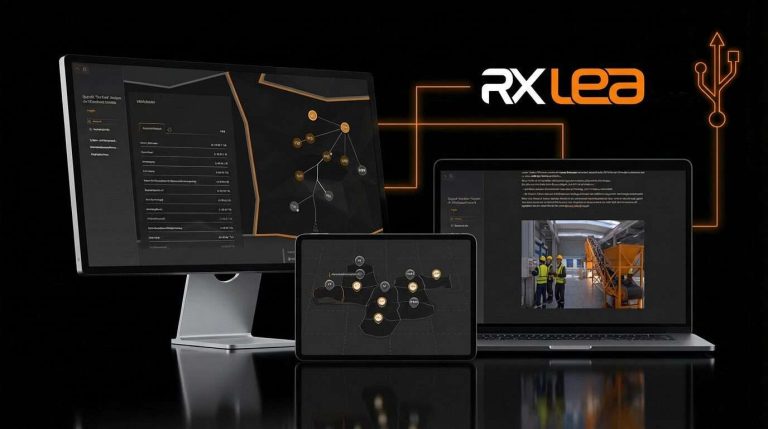
RXLea on desktop, laptop and tablet
RXLea Path Creator for building learning journeys
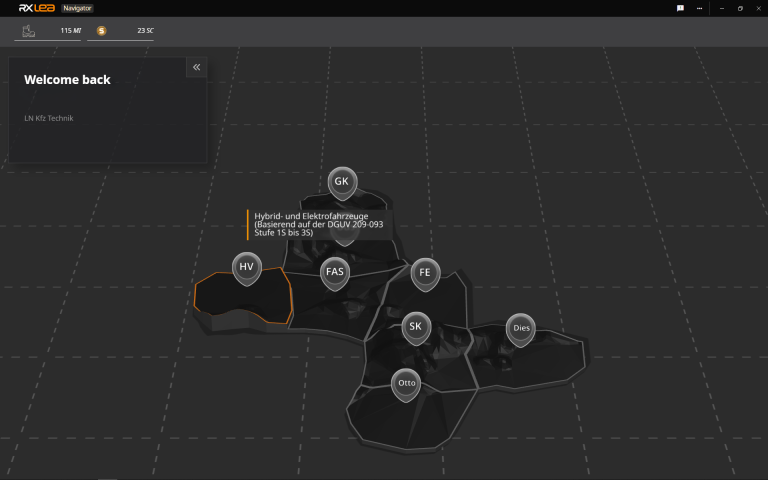
RXLea Navigator showing the learning world
Learn more about RXLea
Newsletter

Stay ahead in
technical training.

Get the latest training systems, product launches and educational insights, delivered directly to your inbox.

Your email address

By subscribing, you agree to our Privacy Policy. You can unsubscribe at any time.

 Please select at least one category before subscribing.
I'm interested in - select all that apply