

Skip to content

Safe Diagnosis of HV Electric Drives in Vehicles (UniTrain)

RXLea
Digital projects for hands-on learningInteractive learning content, directly connected to the training system.

Safe Diagnosis of HV Electric Drives in Vehicles (UniTrain)

AEA23UT-7

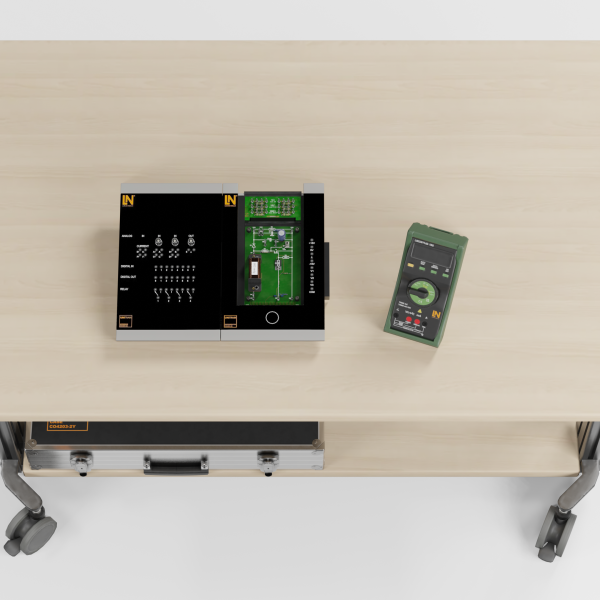
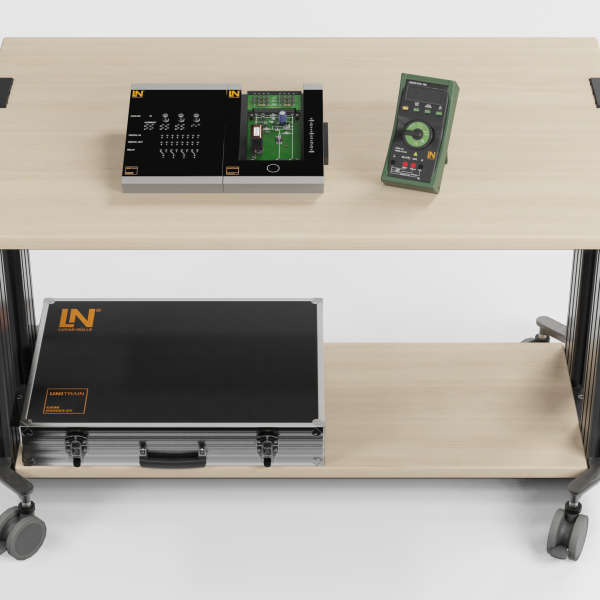
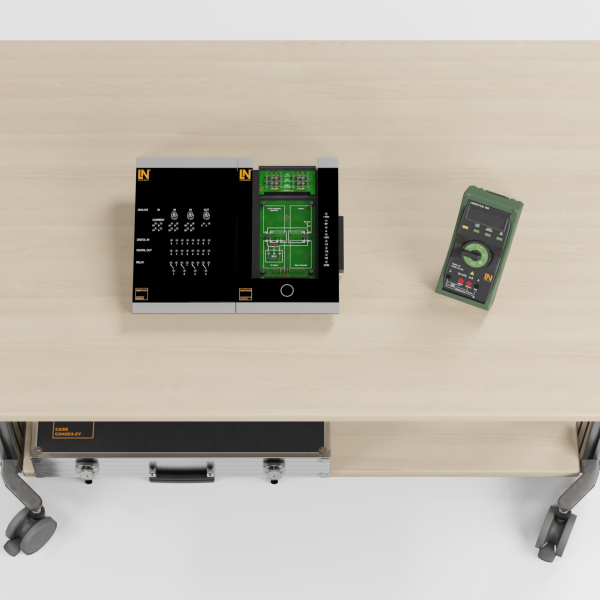
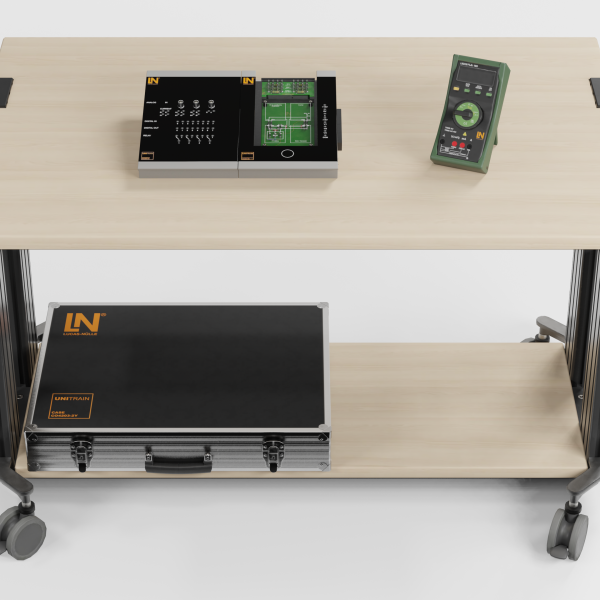
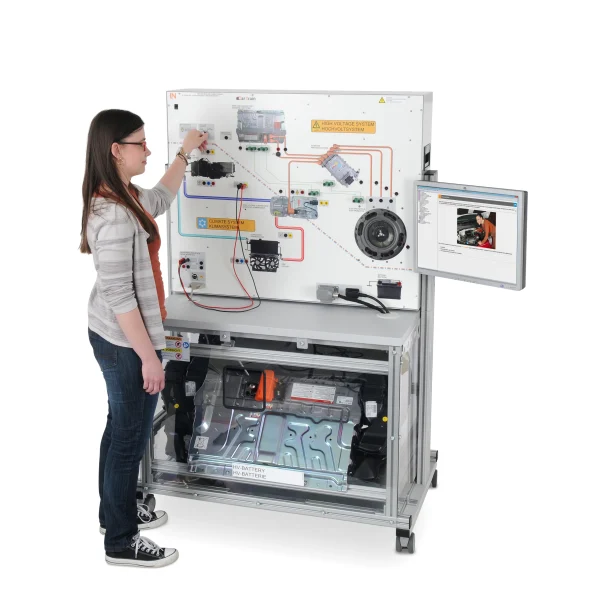
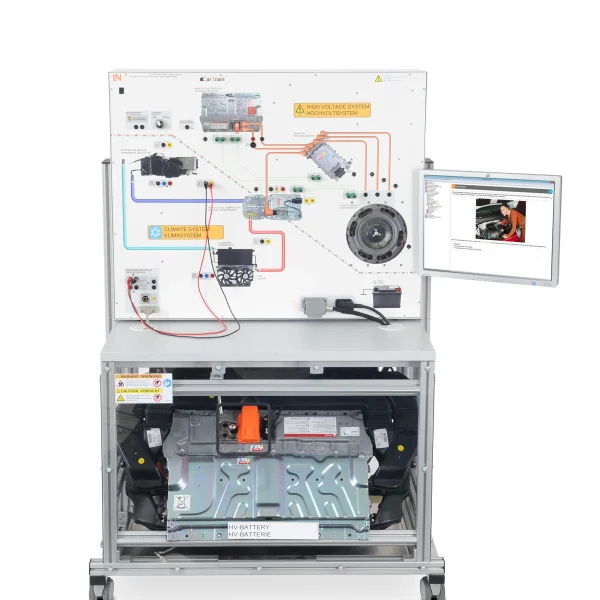
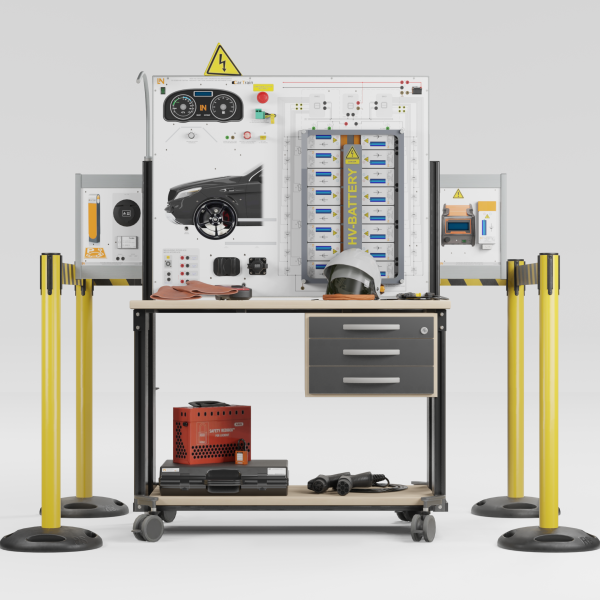
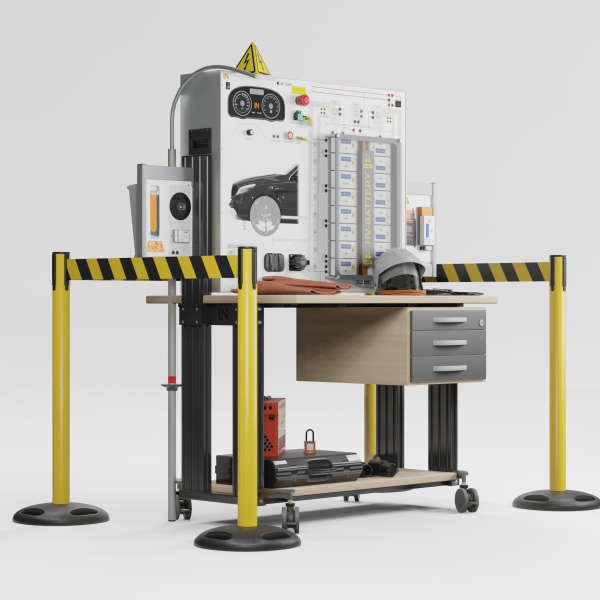
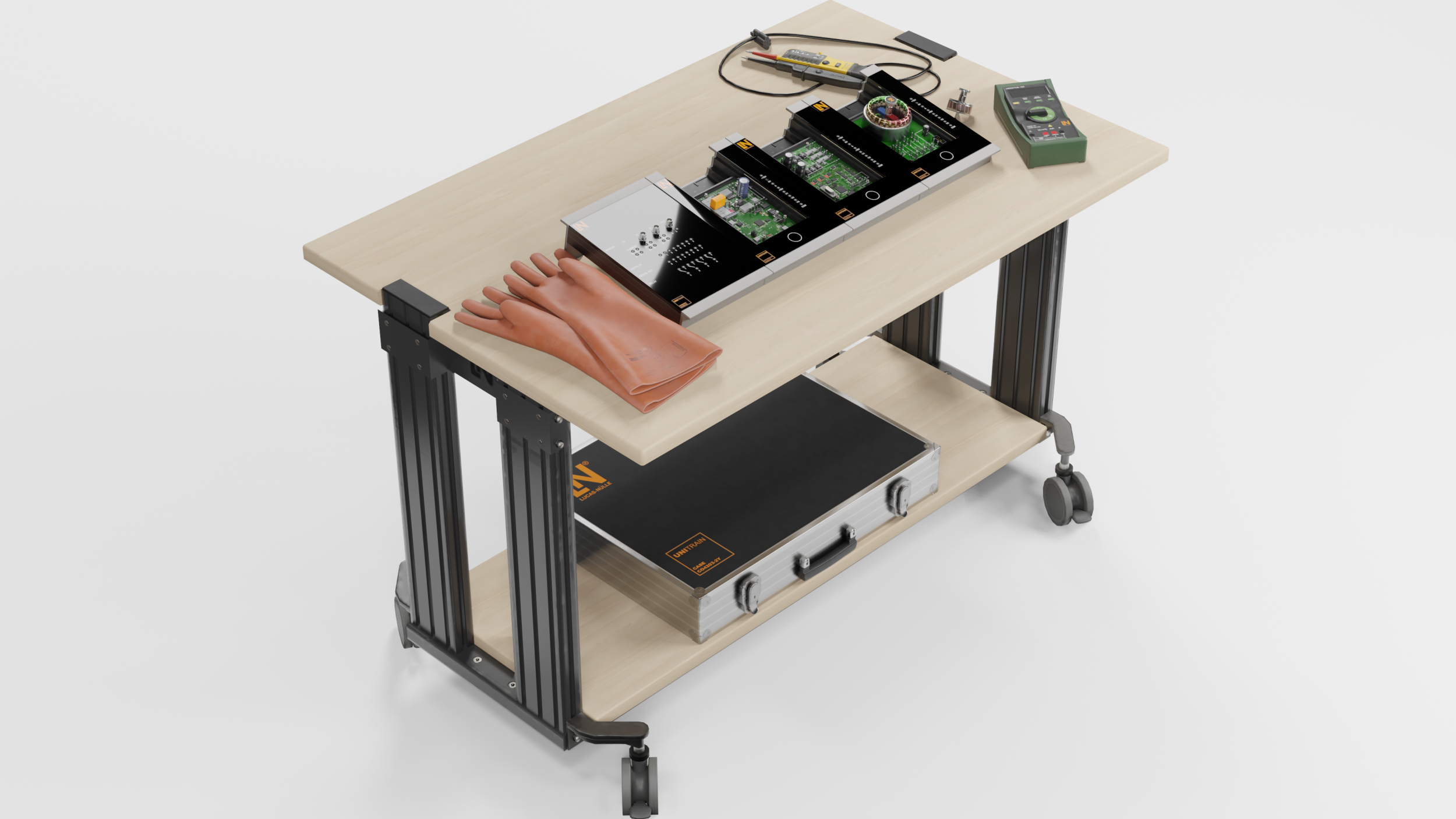
The rise of electric vehicles demands updated expertise. The UniTrain system delivers hands-on training for electric motors, inverters, and high voltage batteries in a safe environment, including drivetrain diagnostics.

Learning Content
  • Occupational safety on HV vehicles
  • Structure of the main components
  • Systematic troubleshooting
  • Operating behavior of electric motors
KEY FEATURES
  • Working safely on the HV system
  • Comprehensive diagnostic skills
  • Interactive e-learning course
  • Replication of HV intrinsic safety
Speak with a Product Specialist +1 (757) 808-5696 · sales@lucas-nuelle.com

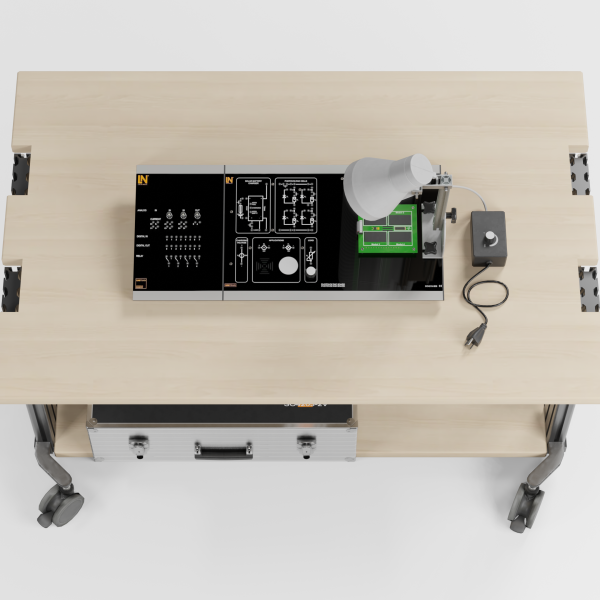
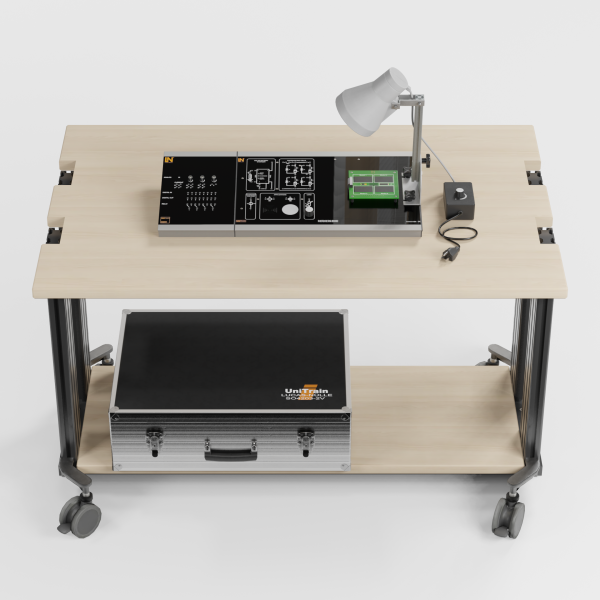
The shift to electric vehicles requires fundamentally new skills for safely handling high voltage systems. The UniTrain system replicates the three key components—electric motors, inverters, and high voltage batteries—in a completely intrinsically safe learning environment. Trainees acquire essential diagnostic skills, ranging from workplace safety to systematic fault analysis across the entire drivetrain. Prepare them with practical, hands-on experience for modern daily work and deliver skill-oriented diagnostics on a real high voltage drivetrain.

CO4204-6NCourse: Electric drive in cars, commercial vehicles and 2-wheelers
CO4203-2AUniTrain Interface mit virtuellen Instrumenten (Basis VI)
CO4203-2JUniTrain measurement accessories, shunts and connection cables
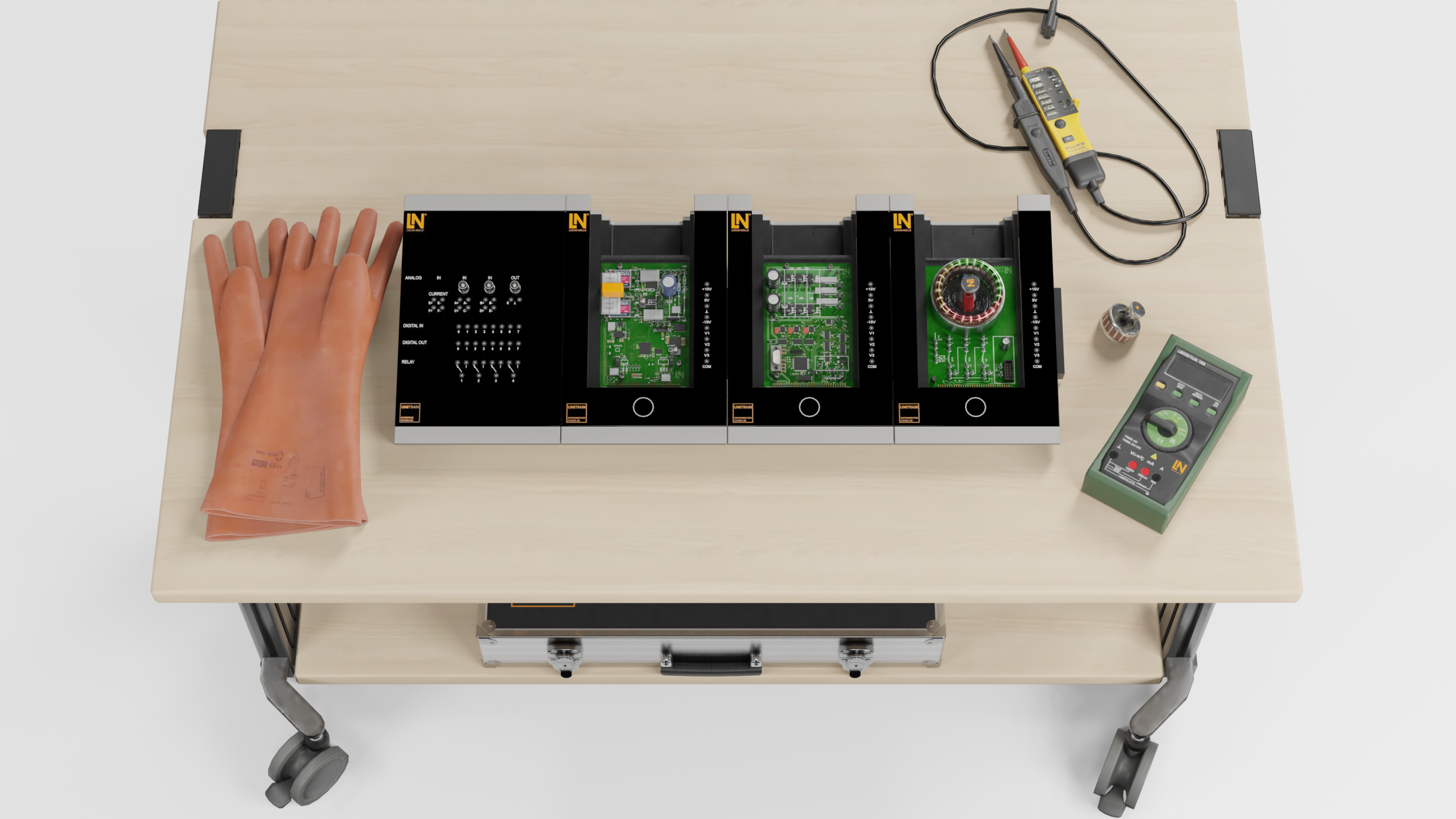
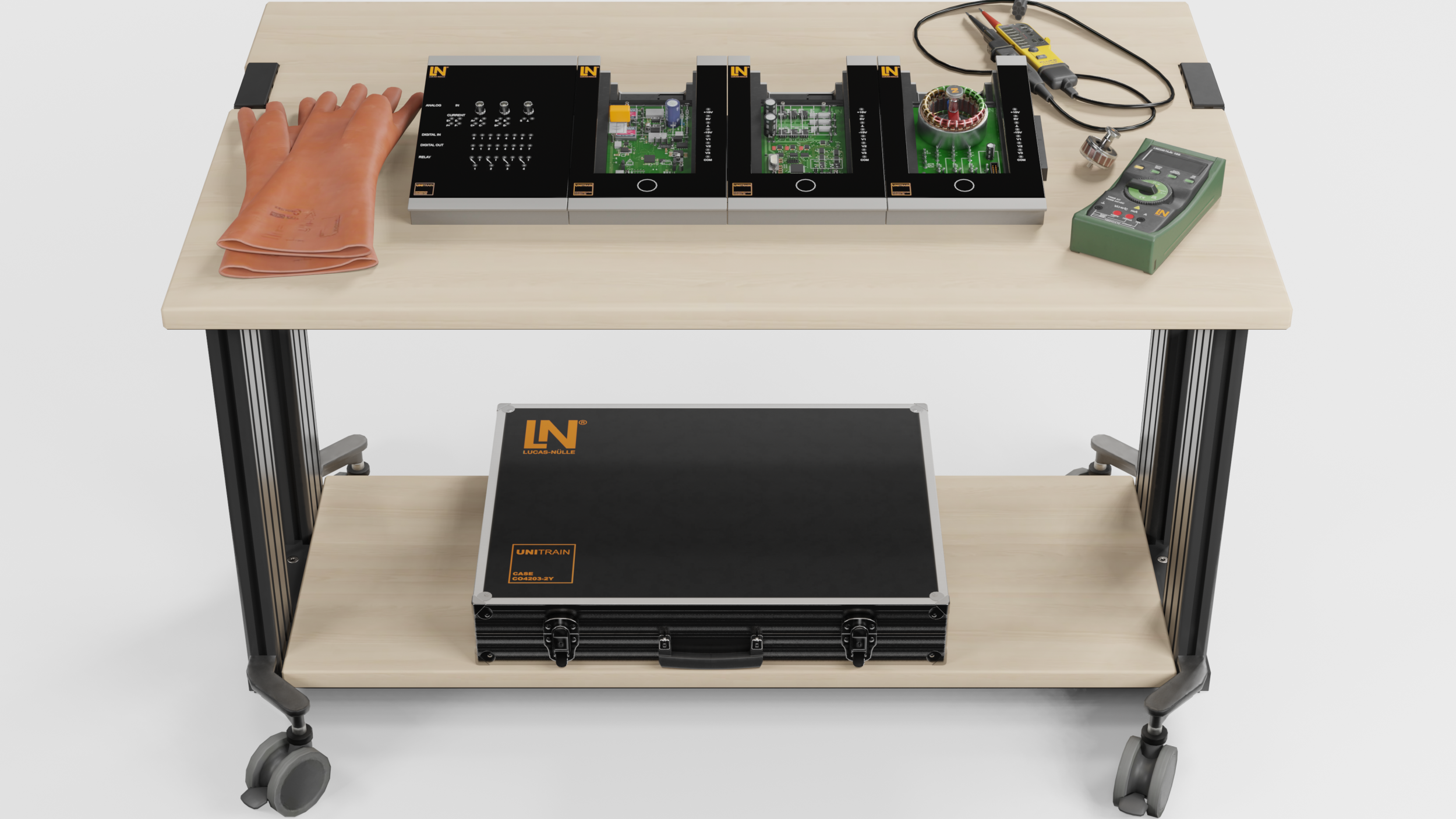
CO4203-2BUniTrain Experimenter
CO4203-2YUniTrain storage case for one UniTrain system
LM2330Multi13S digital multimeter
LM85708US Electric Service Gloves Class 0optional

Learning Content in Detail

With this system, learners acquire practical knowledge for working safely with high-voltage vehicles. They achieve the following learning objectives:

Occupational safety on HV vehicles

Apply safety rules and isolate an HV system correctly.

Structure of the main components

Explain the function of the HV battery, inverter and electric motor and their safety functions.

Systematic troubleshooting

Carry out measurements to find faults in the control and load circuits of the HV relays.

Operating behavior of electric motors

Investigate and evaluate the different behavior of synchronous and induction machines.

Features & Applications

Discover the wide range of applications of the system. Benefit from maximum practical relevance and learn safe diagnostics on modern HV vehicles.
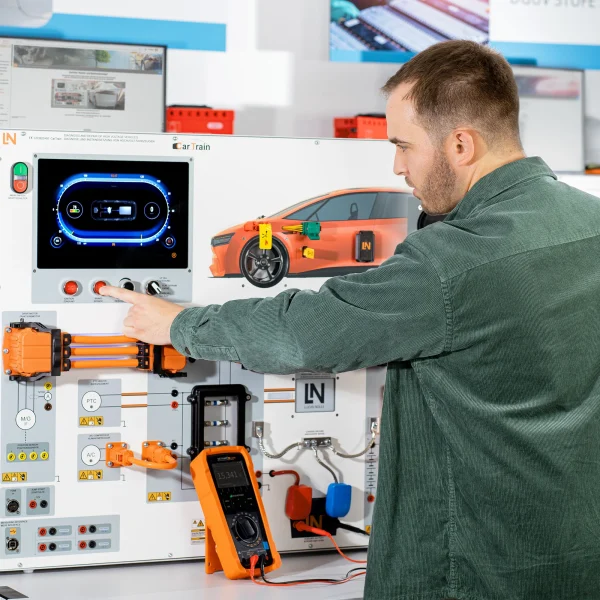
  • Working safely on the HV system — All measurements and experiments take place at safety extra-low voltage. This lets you teach about the dangers of high-voltage technology completely risk-free.
  • Comprehensive diagnostic skills — The system simulates 13 typical faults. You teach systematic troubleshooting strategies based on real diagnostic tasks.
  • Interactive e-learning course — The multimedia software guides learners interactively through all topics. Animations and virtual instruments promote independent learning.
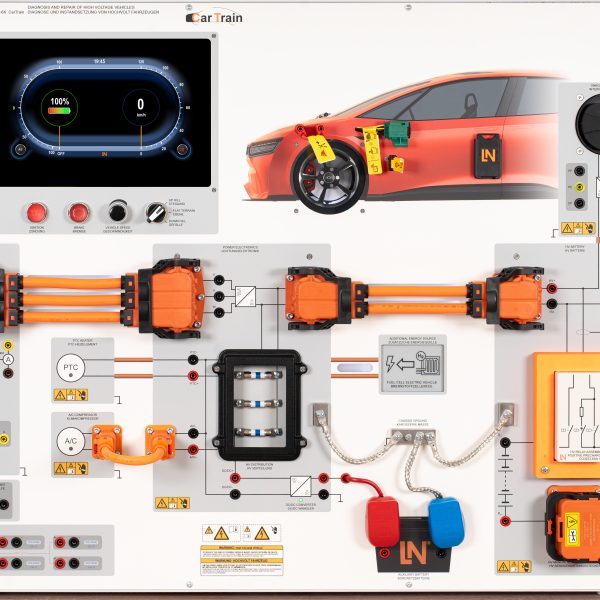
  • Replication of HV intrinsic safety — With a fully functional pilot line and service plug, the safety concepts of modern HV vehicles are replicated 1:1 and trained.
  • HV battery module — The module uses real HV relays. Their switching operations and possible faults are diagnosed and displayed automatically by the system.
  • Inverter module — LEDs show how the power transistors are driven. This makes the abstract process of generating three-phase current easy to follow.
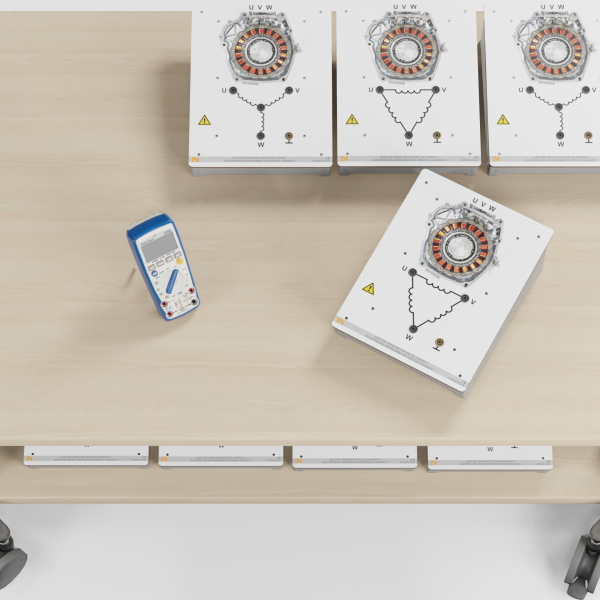
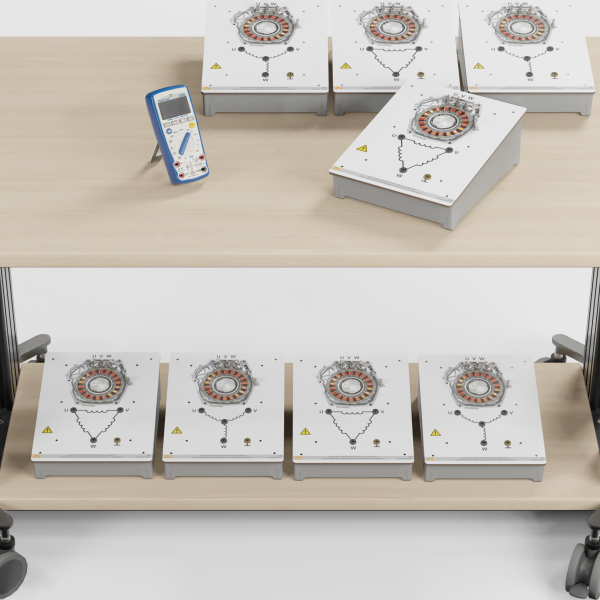
  • Electric motor module — Interchangeable rotors let learners explore the fundamental differences in the operating behavior of synchronous and induction motors directly.
  • Virtual VFD — Change parameters such as frequency and ramp time. This allows learners to influence the speed of the electric motor and learn control principles.
  • Interactive inverter control — Drive individual power transistors manually. This gives learners a targeted, practical understanding of the basic principle of DC/AC conversion.
  • Stroboscope control — Measure the motor speed without contact. Visually grasp the relationship between electrical frequency and mechanical speed.
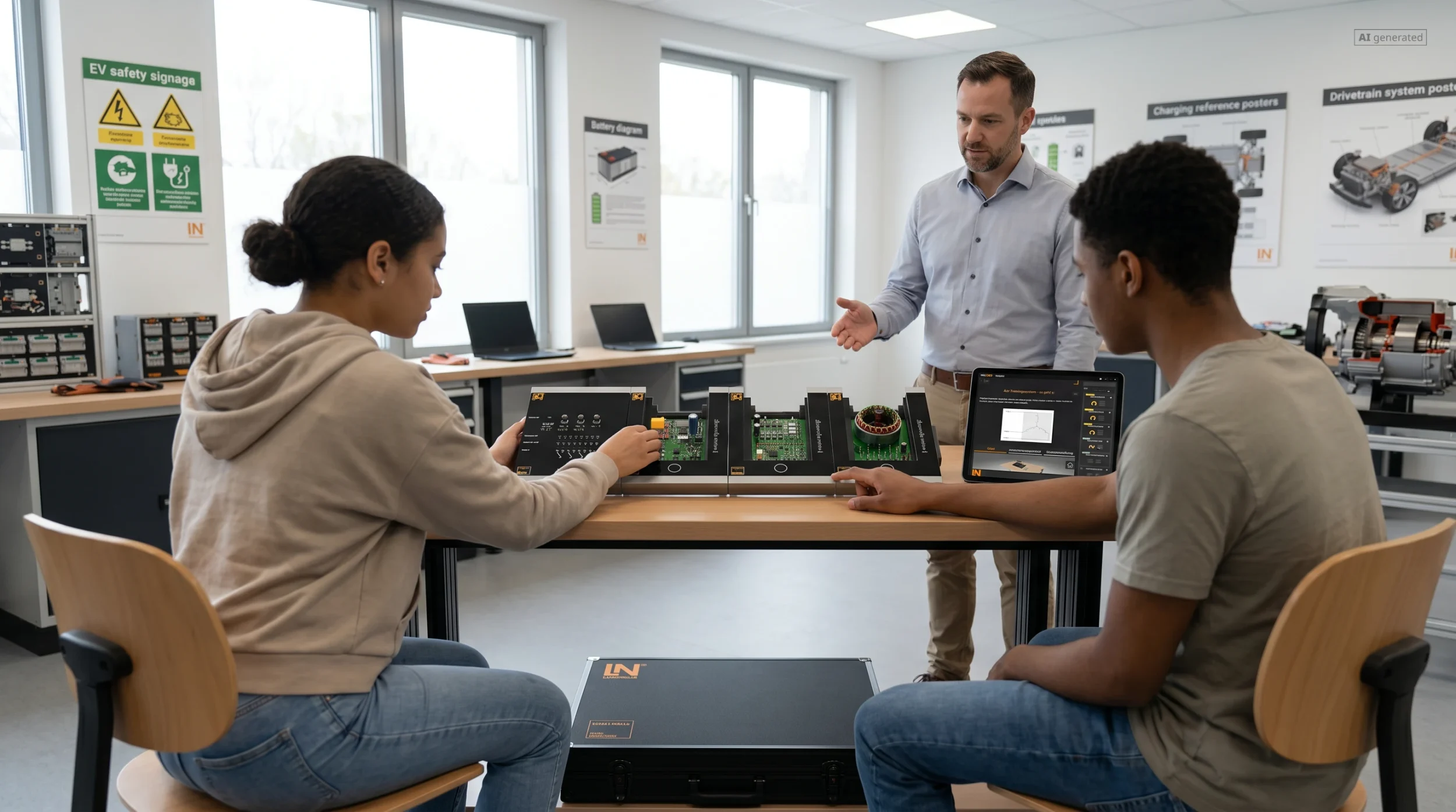
Learners working with RXLea on a tablet at a Lucas-Nuelle training system
RXLea

From Knowledge Comes Capability.

You guide the learning

Where theory and practice go hand in hand.

RXLea brings a new way of learning: project-based, hands-on and clearly structured. Learners solve real-world tasks, while instructors save time on preparation. Interactive modules, smart analytics and real hardware create a modern, efficient learning world.

Hands-on and interactive

Animations, interactive tasks and realistic scenarios build a deep understanding. All content is organized into clear learning paths for focused, hands-on learning.

Digital support

3D assembly animations and digital instructions simplify complex procedures, reduce errors and help learners work more independently.

Visual support

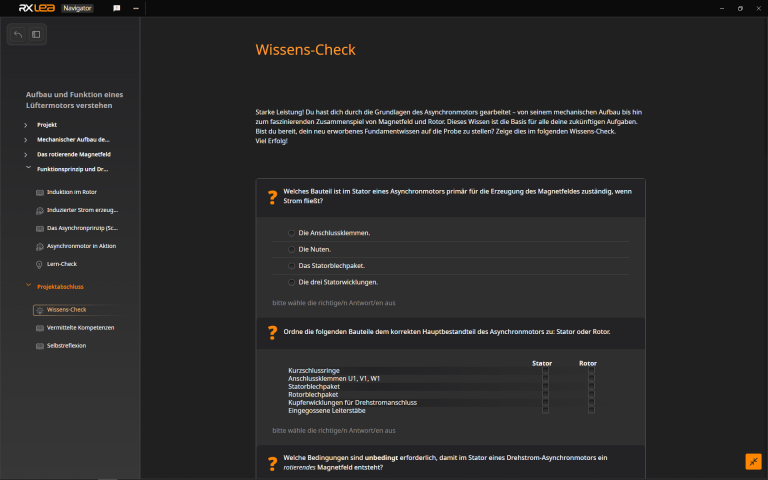
Overview graphics, screenshots and sample animations make the learning world transparent. Photos from the learning packages are also available, including country-specific versions where needed.

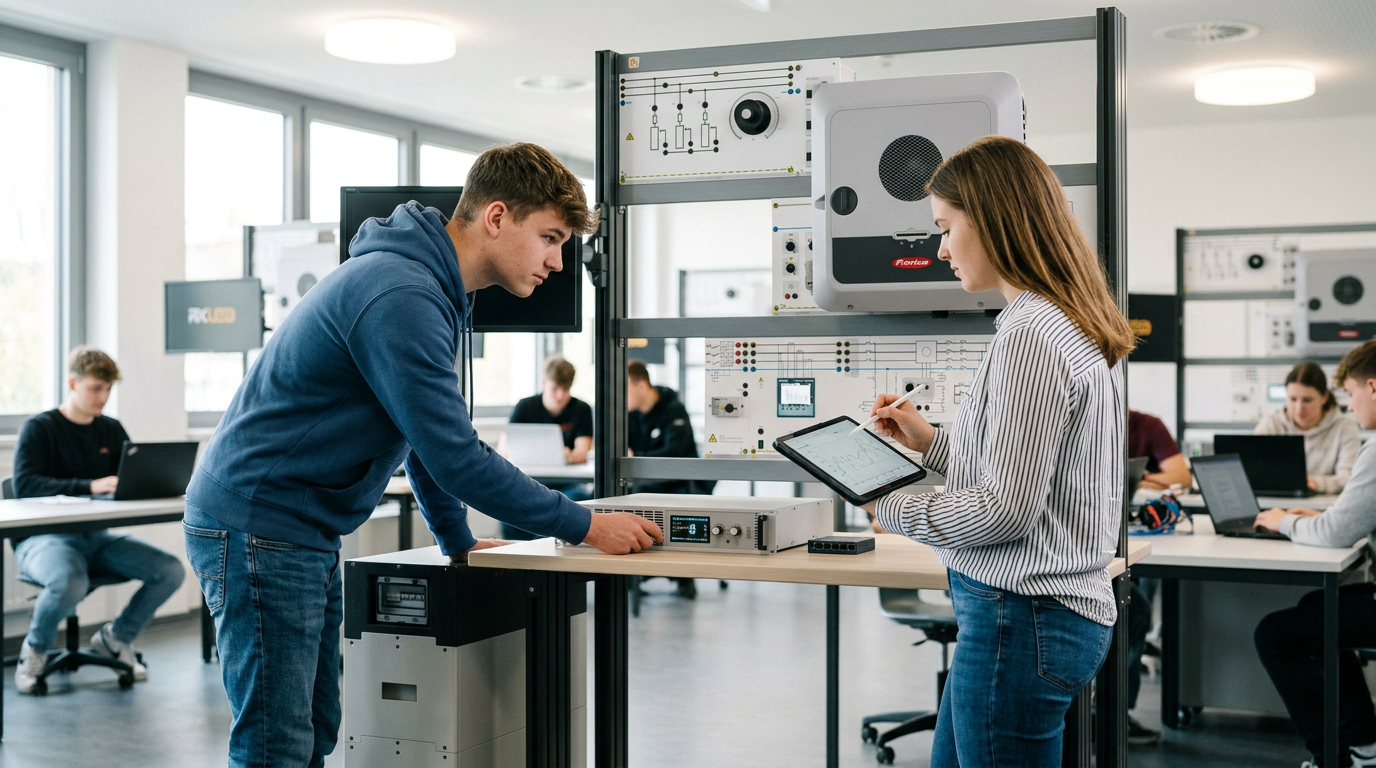
Learners using a tablet at an energy training system
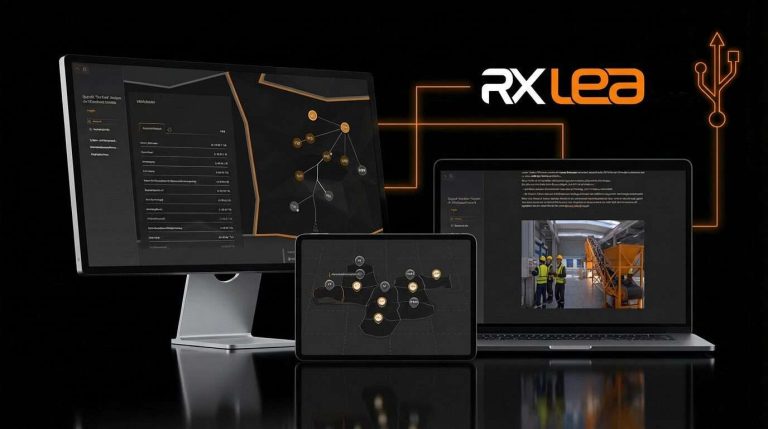
RXLea on desktop, laptop and tablet
RXLea Path Creator for building learning journeys
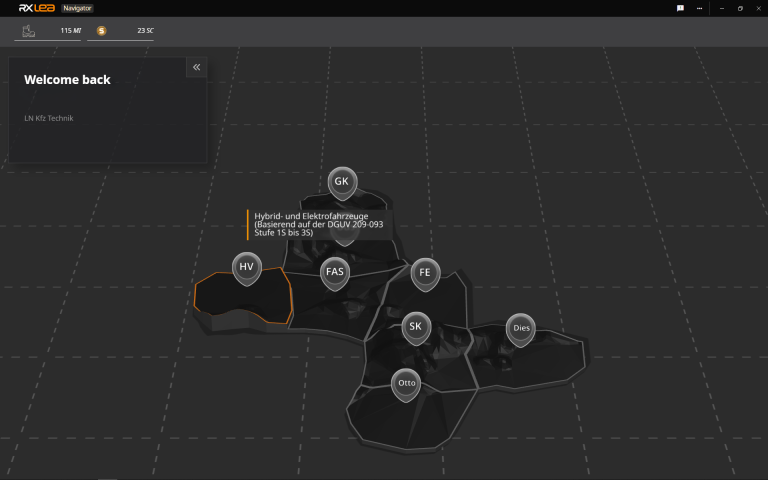
RXLea Navigator showing the learning world
Learn more about RXLea
Newsletter

Stay ahead in
technical training.

Get the latest training systems, product launches and educational insights, delivered directly to your inbox.

Your email address

By subscribing, you agree to our Privacy Policy. You can unsubscribe at any time.

 Please select at least one category before subscribing.
I'm interested in - select all that apply