

DC-DC Boost Converters in Hybrid & EV Tech
Learners master systematic fault diagnosis on hybrid and electric vehicle power electronics with this interactive UniTrain course.
- Systematic repair order analysis
- Operating principle and design
- Voltage measurement and parameters
- Correct repair measures
- Realistic repair order
- Safe experimenting
- Guided fault diagnosis
- Physical principles
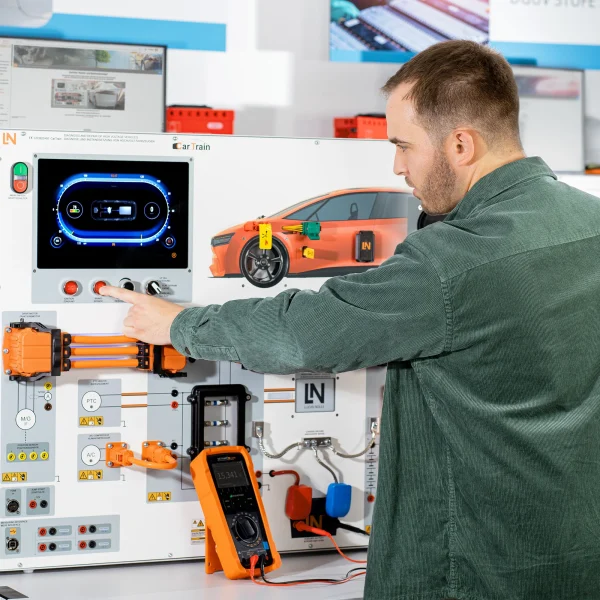
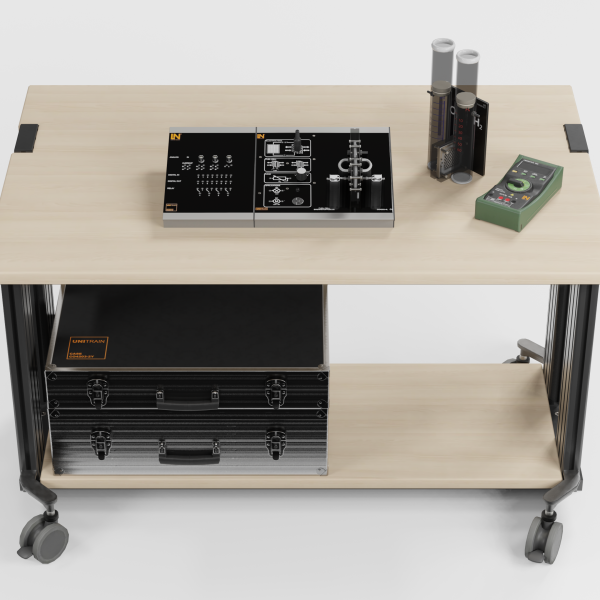
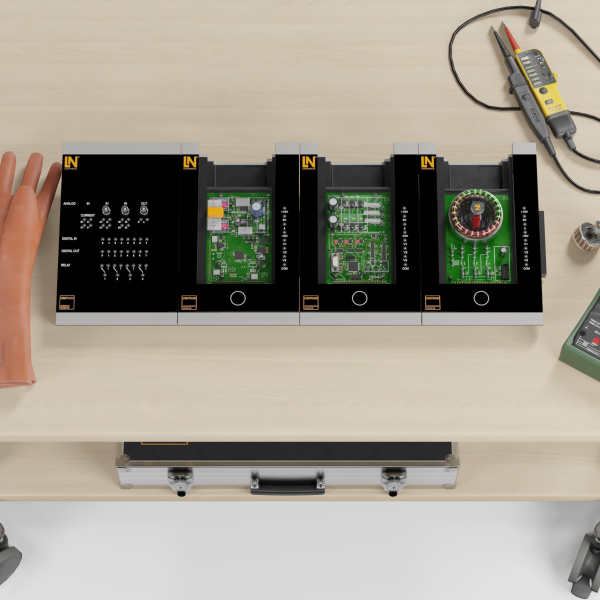
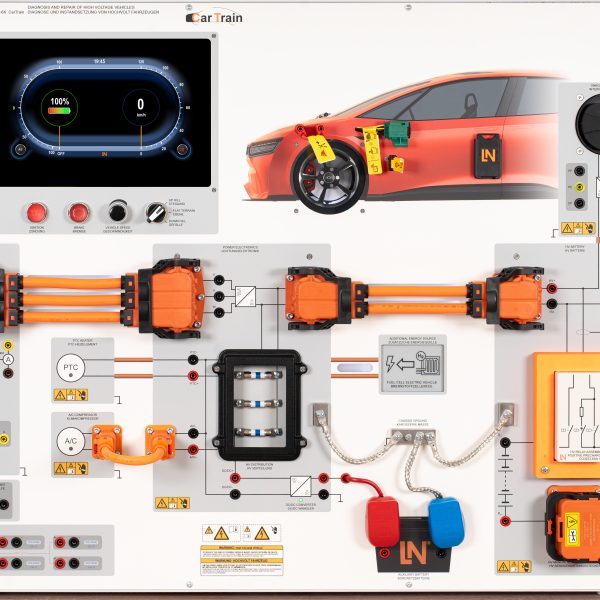
Prepare learners optimally for the challenges of power electronics. With the UniTrain course on the DC-DC boost converter, you teach systematic troubleshooting on hybrid and electric vehicles safely and practically. All measurements are carried out without risk in the extra-low voltage range on a fully functional model. The interactive software guides learners methodically through the diagnostic process – from reading out the fault memory to the repair recommendation. This allows you to develop problem-solving skills in a targeted way and prepare learners efficiently for everyday work in the shop.
| Base Product | |
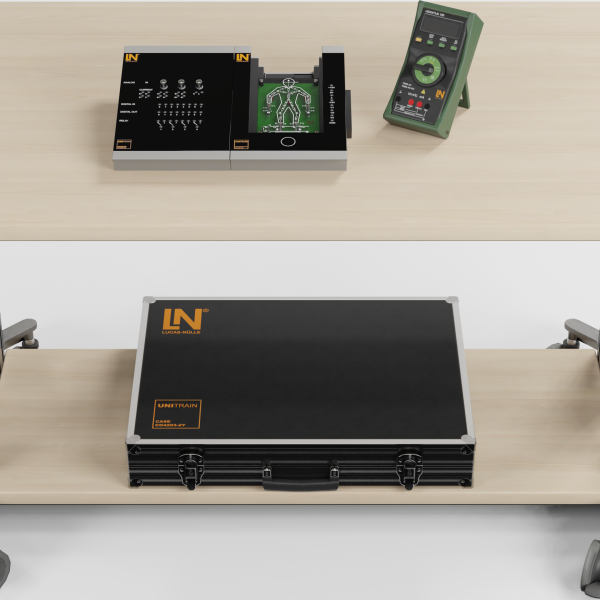
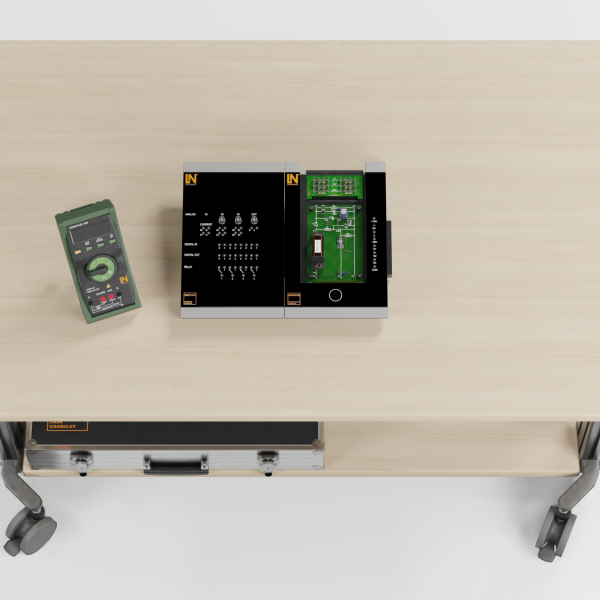
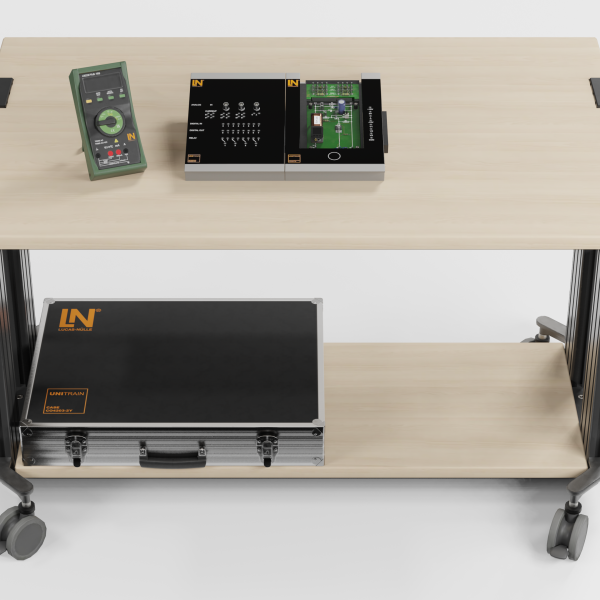
| CO4205-1K | Course: DC-DC Step-Up Converters in HEV and EV |
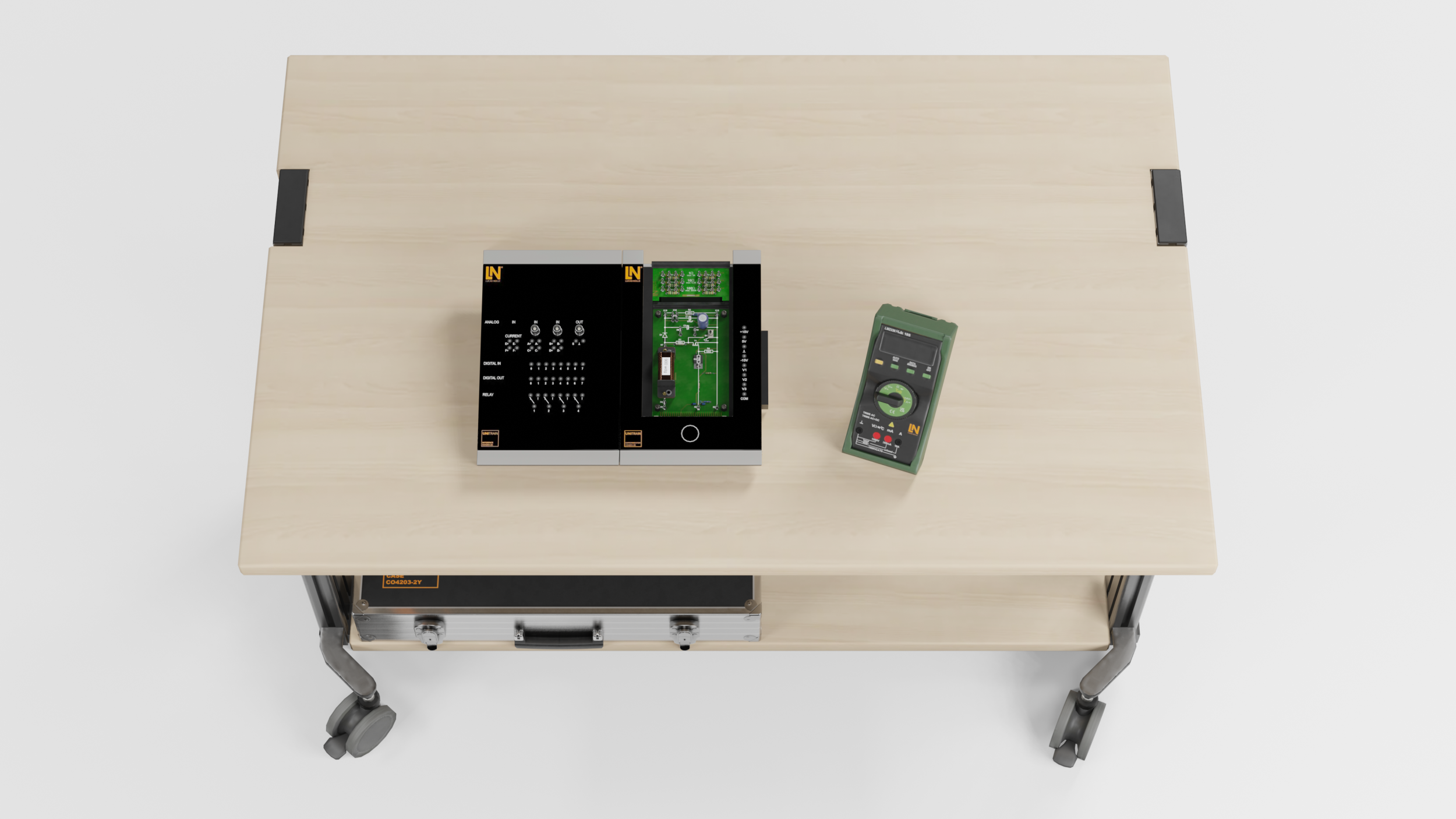
| CO4203-2A | UniTrain Interface mit virtuellen Instrumenten (Basis VI) |
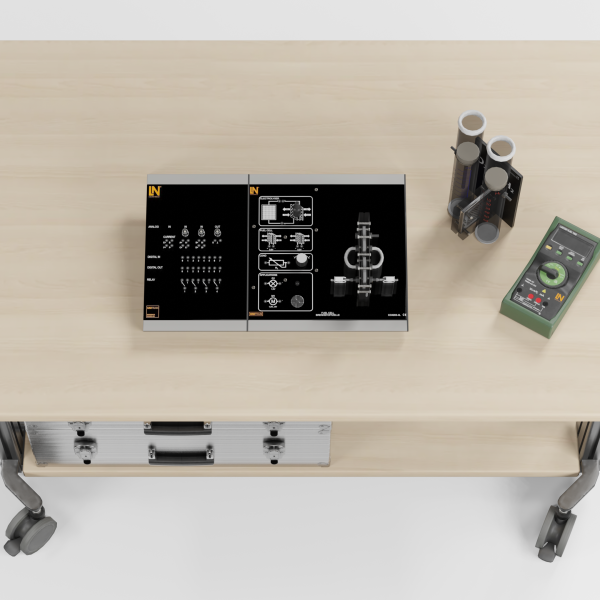
| CO4203-2J | UniTrain measurement accessories, shunts and connection cables |
| CO4203-2B | UniTrain Experimenter |
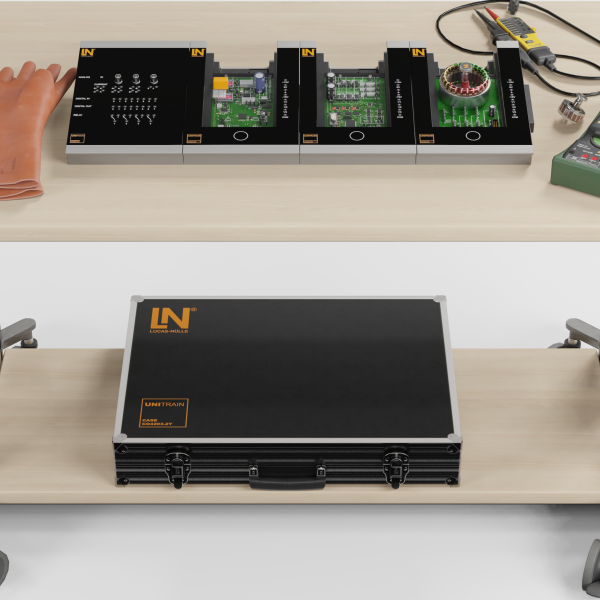
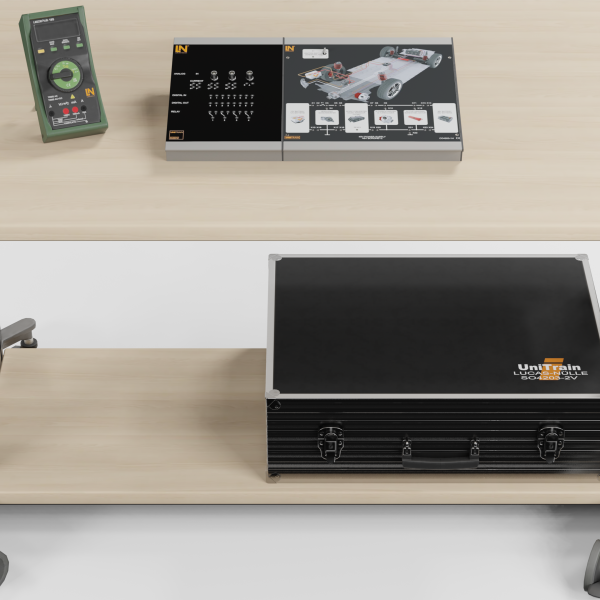
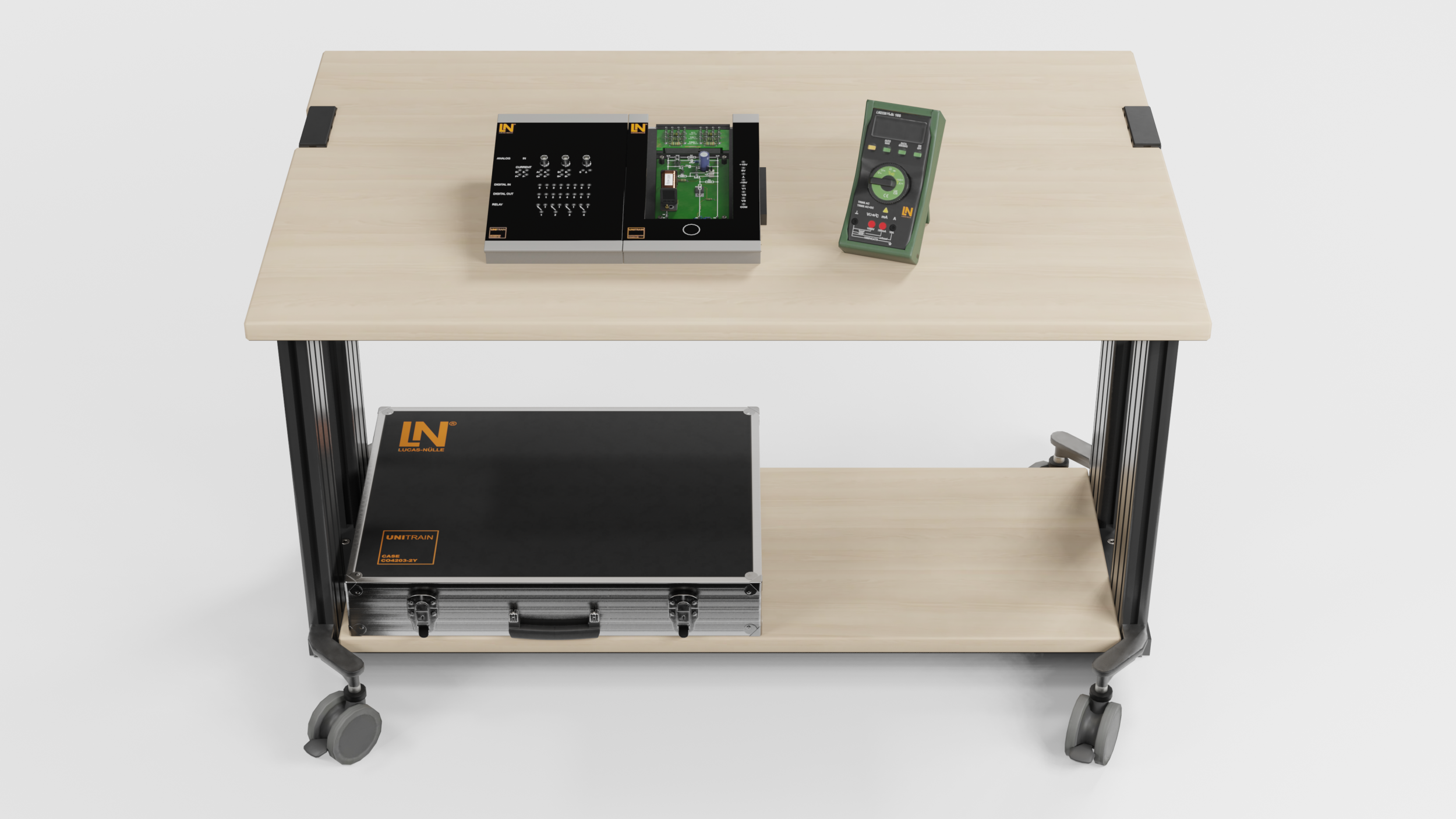
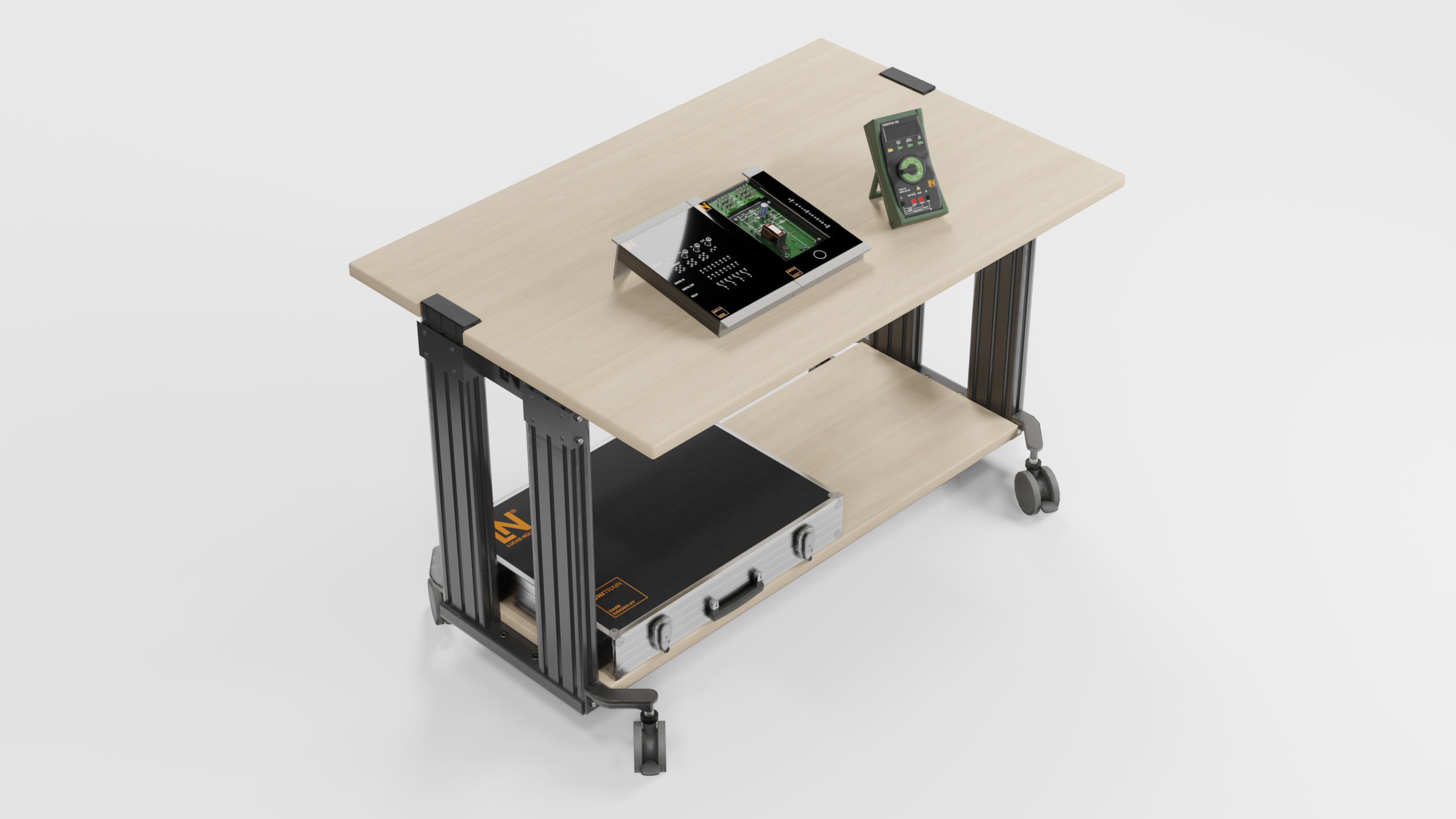
| CO4203-2Y | UniTrain storage case for one UniTrain system |
| Measuring Instruments | |
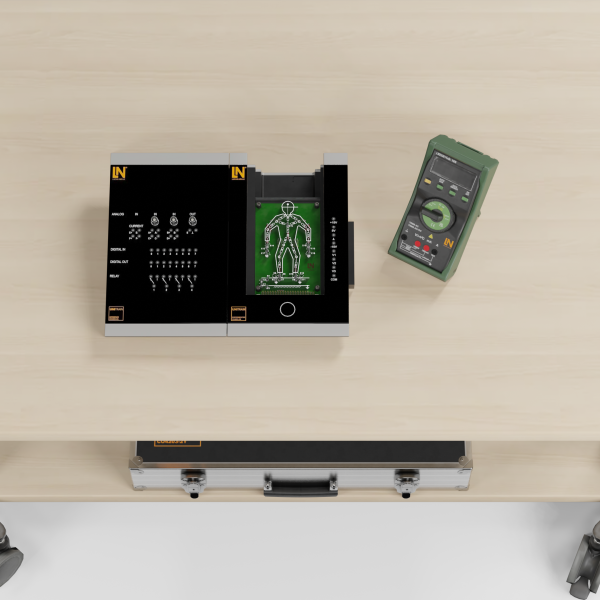
| LM2330 | Multi13S digital multimeter |
Learning Content in Detail
Systematic repair order analysis
Operating principle and design
Voltage measurement and parameters
Correct repair measures
Features & Applications
- Realistic repair order — Learners work through a diagnostic case from the customer complaint to the repair. This develops the problem-solving skills needed in their working life.
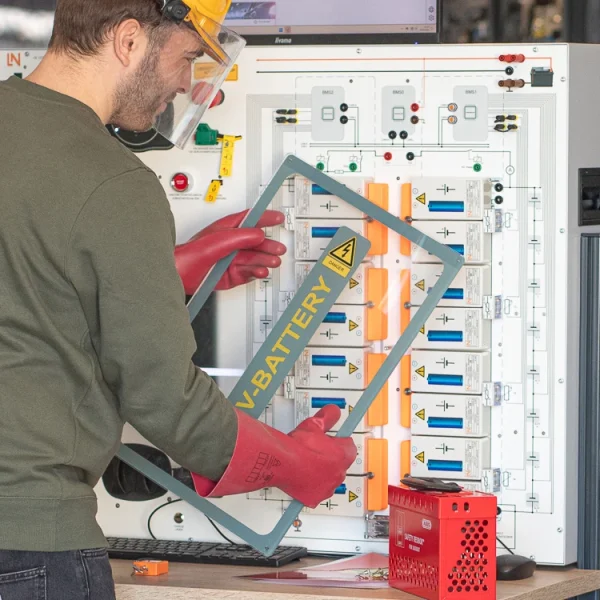
- Safe experimenting — All measurements and experiments take place in the safe extra-low voltage range. Physical principles are learned without any risk.
- Guided fault diagnosis — The software guides learners through the diagnostic process and links reading out the fault memory directly with practical measurements on the system.
- Physical principles — By actively controlling frequency and pulse width, learners experience how these parameters influence the output voltage and internalize the principle.
- Virtual pulse generator — Learners drive the circuit with digital signals and learn the relationship between the control signal and the physical response.
- Repair guide and spare parts — The course links technical diagnosis with the procedural steps of correct part identification, closing the gap to shop practice.
- Free experimenting — After the guided section, learners can test their own hypotheses and vary circuit parameters freely. This promotes in-depth understanding.
- LabSoft and virtual instruments — The learning environment provides all instruments, such as the voltmeter, digitally so that learners can control, analyze and understand the circuit live.

From Knowledge Comes Capability.
You guide the learning
Where theory and practice go hand in hand.
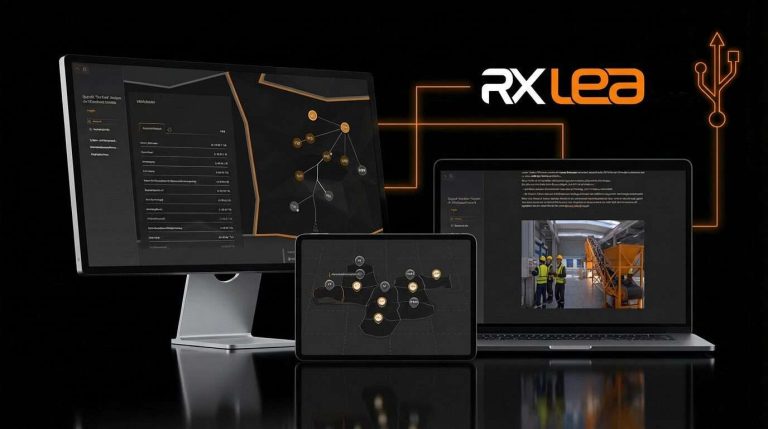
RXLea brings a new way of learning: project-based, hands-on and clearly structured. Learners solve real-world tasks, while instructors save time on preparation. Interactive modules, smart analytics and real hardware create a modern, efficient learning world.
Hands-on and interactive
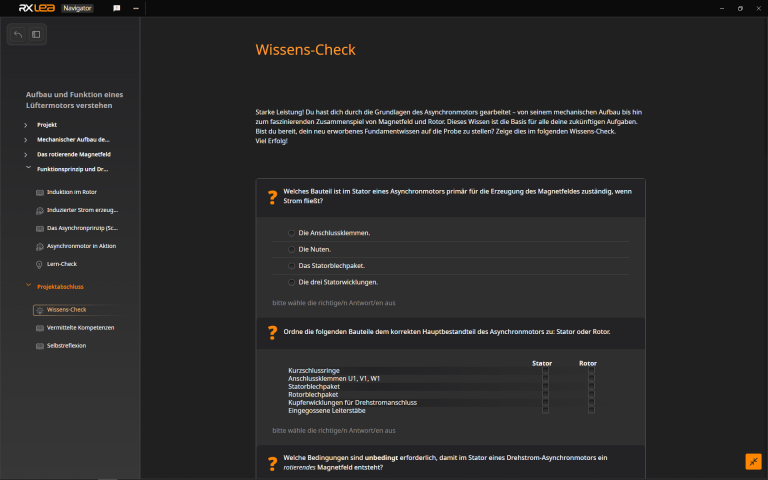
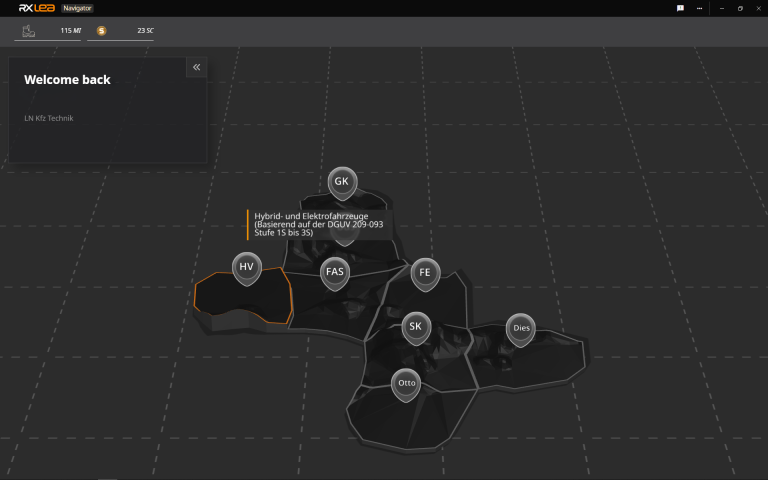
Animations, interactive tasks and realistic scenarios build a deep understanding. All content is organized into clear learning paths for focused, hands-on learning.
Digital support
3D assembly animations and digital instructions simplify complex procedures, reduce errors and help learners work more independently.
Visual support
Overview graphics, screenshots and sample animations make the learning world transparent. Photos from the learning packages are also available, including country-specific versions where needed.

Stay ahead in
technical training.
Get the latest training systems, product launches and educational insights, delivered directly to your inbox.