


Skip to content

External Cell Balancing for the Repair of an HV Battery

RXLea
Digital projects for hands-on learningInteractive learning content, directly connected to the training system.

External Cell Balancing for the Repair of an HV Battery

AHV35XX

Precise repair of individual HV cells instead of costly complete replacement: learners acquire key skills for future-proof, cost-efficient maintenance of electric vehicles.

Learning Content
  • Identifying defective high-voltage cells
  • Commissioning the cell balancer safely
  • Monitoring and evaluating the balancing process
  • Carrying out the repair of a high-voltage battery
KEY FEATURES
  • Repairing HV batteries economically at cell level
  • Completely safe working thanks to a self-contained, monitored process
  • Precise voltage adjustment for maximum battery safety
  • Acquiring practical competence for live working (DGUV 3S)
Speak with a Product Specialist +1 (757) 808-5696 · sales@lucas-nuelle.com

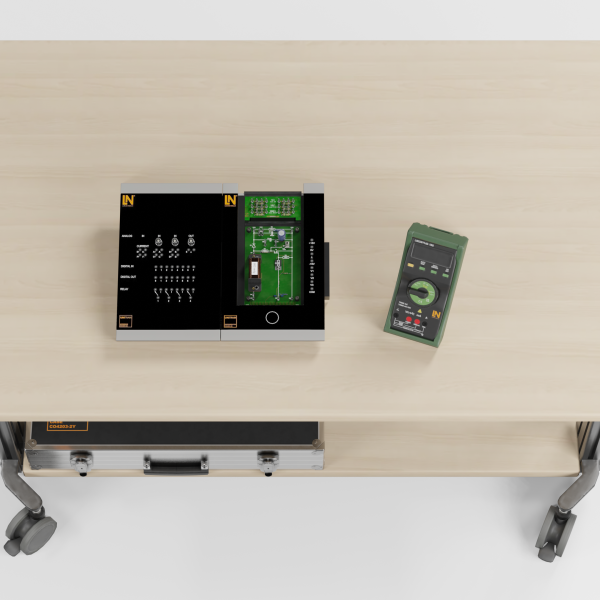
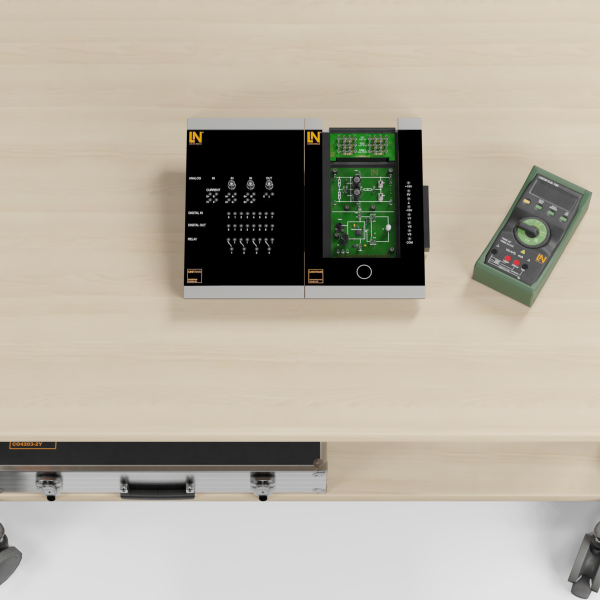
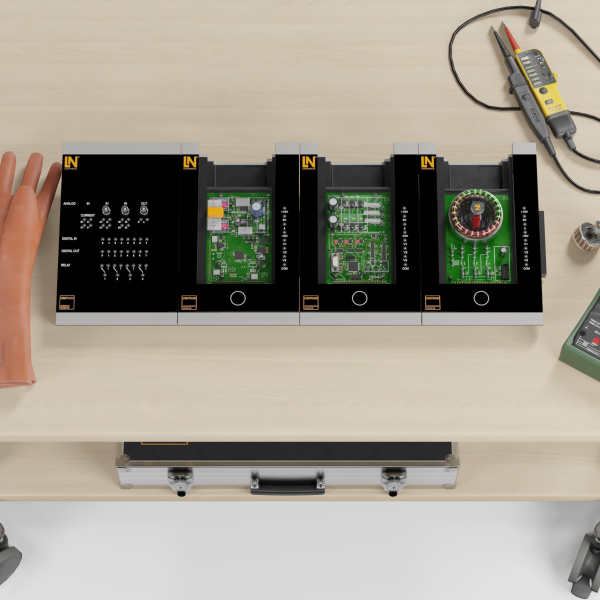
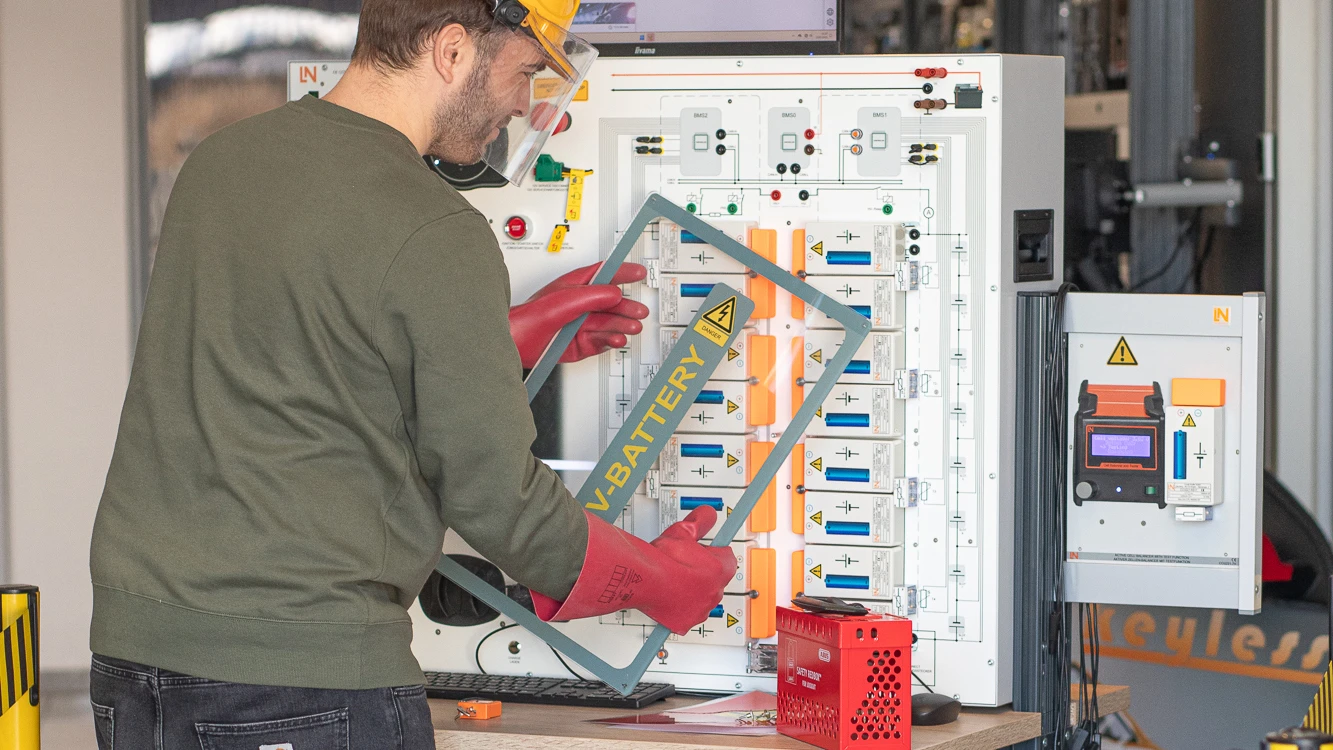
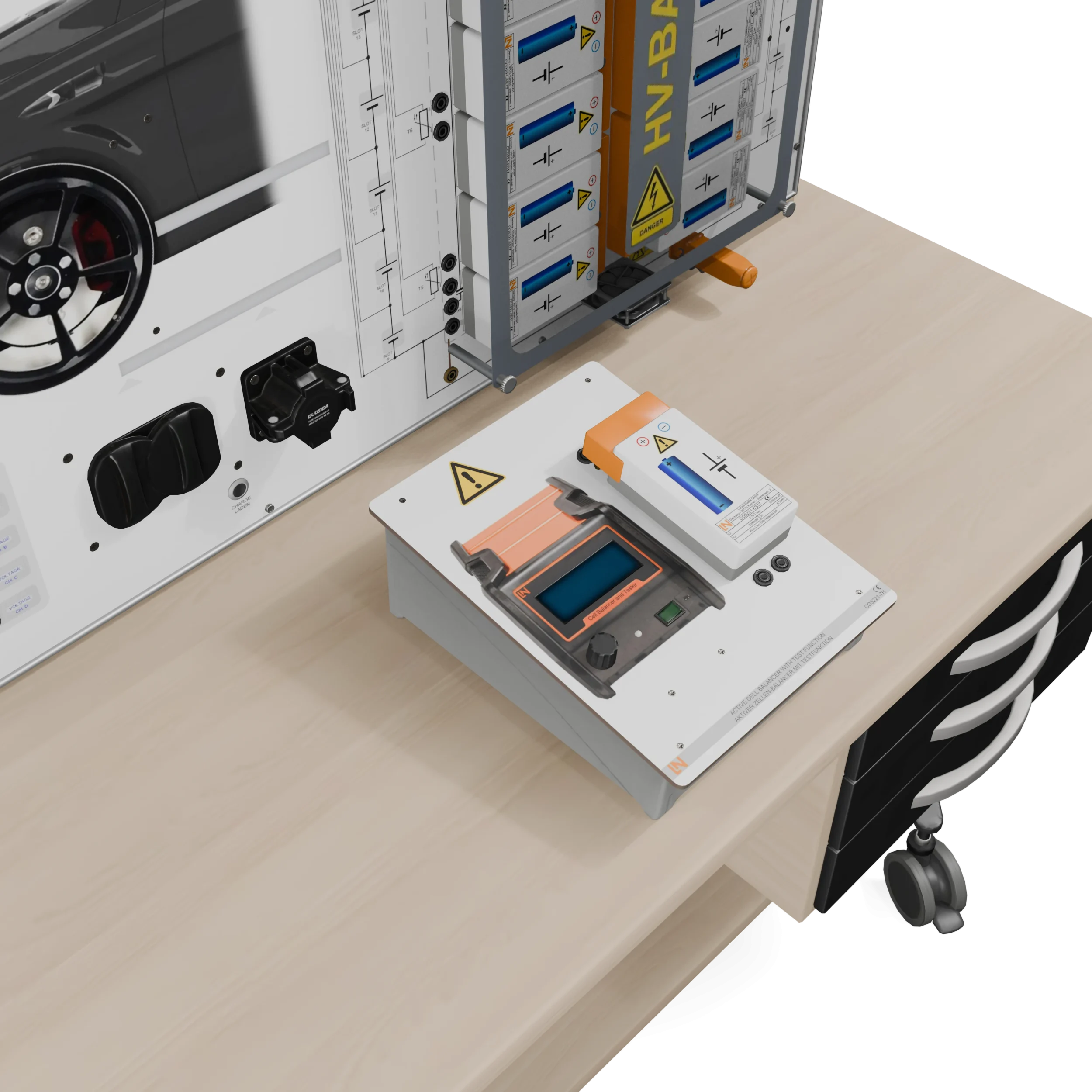
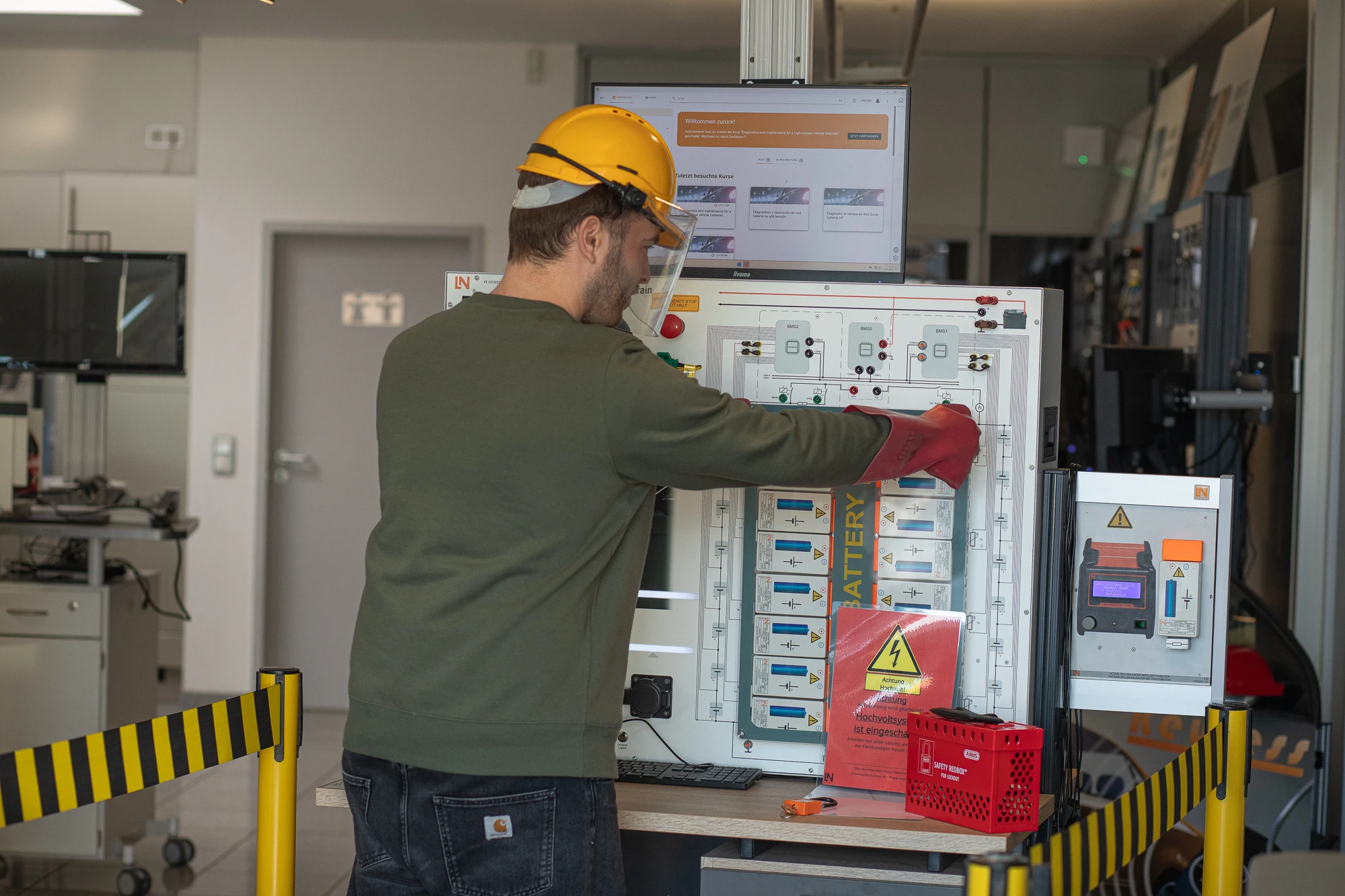
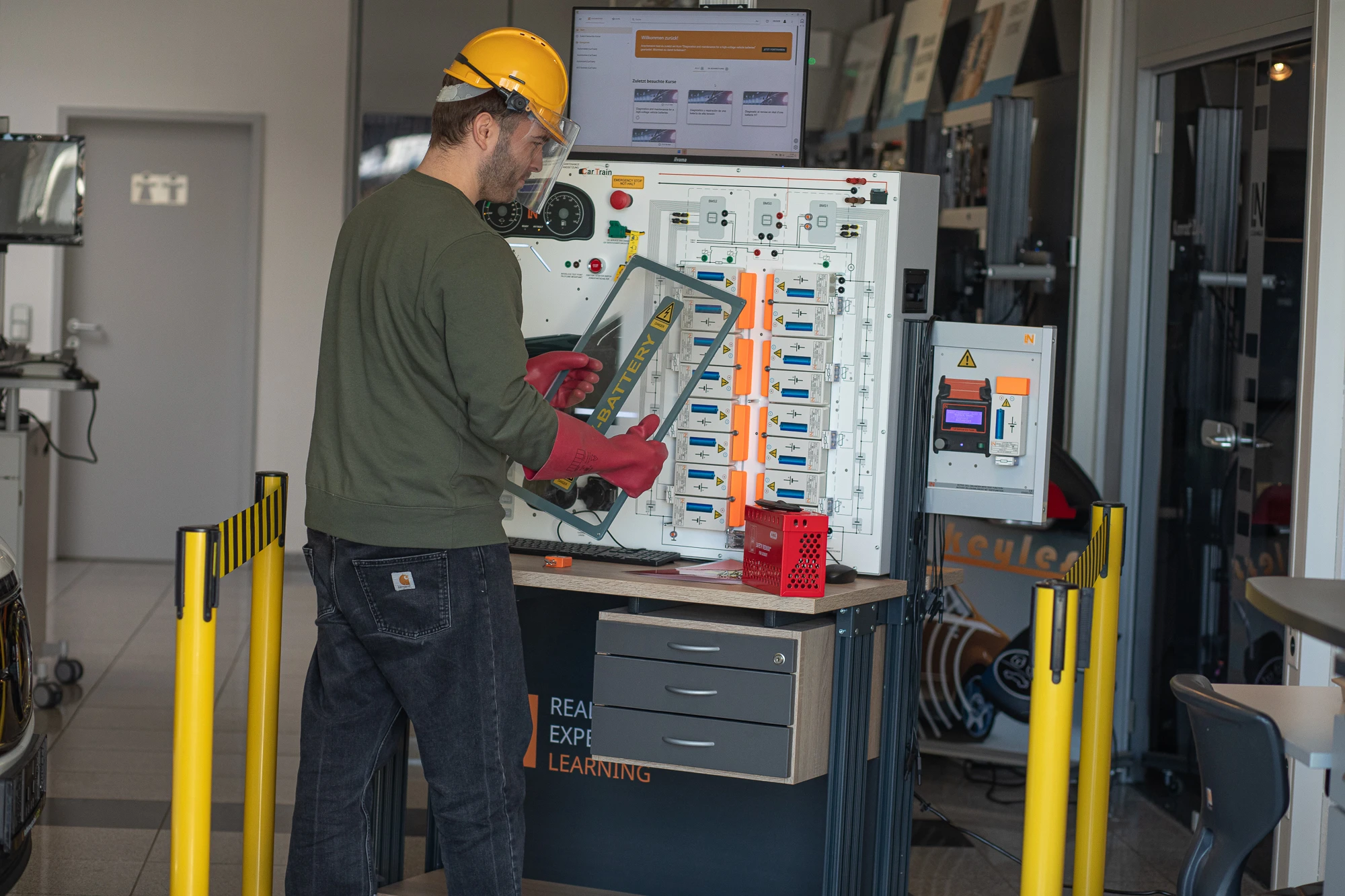
Replacing a complete high-voltage battery is often uneconomical and unsustainable, especially when only a single cell is defective. With our active cell balancer with test function, learners master this challenge. This system enables individual high-voltage cells to be properly conditioned to a precise target voltage for the repair of high-voltage batteries. This is the key skill for future-proof, cost-efficient maintenance of high-voltage vehicles. The external cell balancer makes it possible to condition a new replacement cell in the shop precisely to the state of charge of the remaining battery modules. This allows learners to repair high-voltage batteries economically at cell level. The process is completely safe, as it is self-contained and monitored. Precise voltage adjustment ensures maximum battery safety. Learners also acquire practical competence for live working (DGUV 3S).

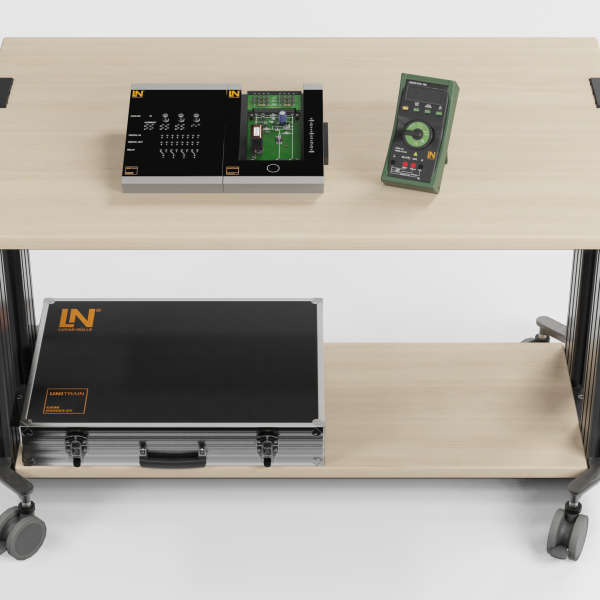
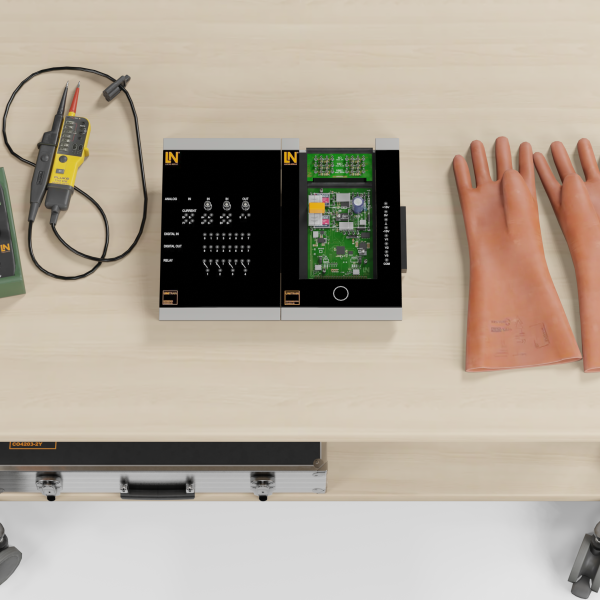
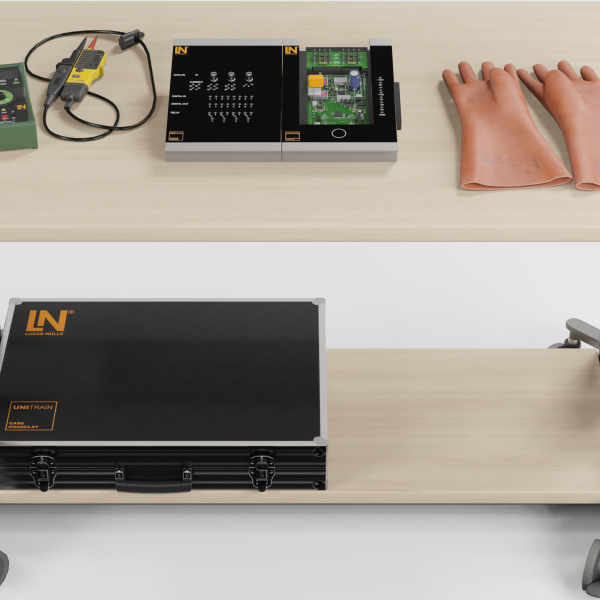
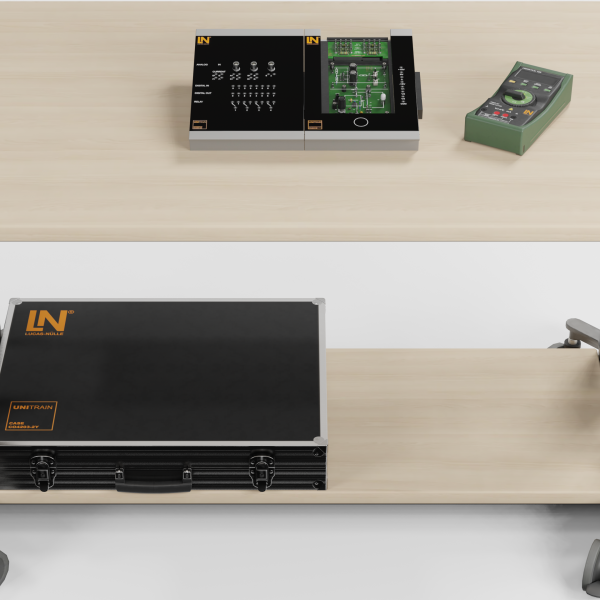
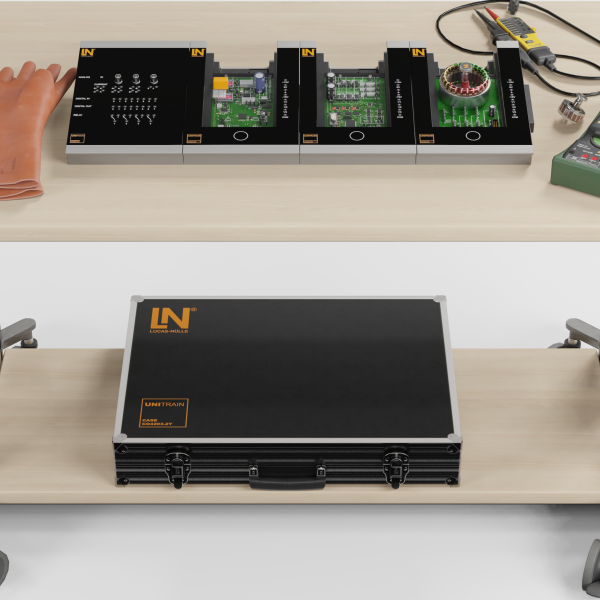
CO3221-7HActive cell balancer with test function (HV battery)
LM8302Two-pole voltage tester, 12-690V/AC/DC, CAT III 690V, CAT IV 600V
LM8313Insulation and Electrical Resistance Meter (Automotive)
ST8003-1XSideways training panel frame extensionoptional
LM8677Extended safety equipment for diagnostics on HV vehiclesoptional
LM8673Fiber Pole for High Voltage Systemsoptional
LM8588Composite Insulating Gloves, Class 0optional
LM8671Safety Zone for CarTrain/TruckTrain (Hybrid and EVs)optional
LM8660Standard Group Safety Box for Lockout/Tagout, 1 Padlockoptional
LM8258High-voltage measurementoptional
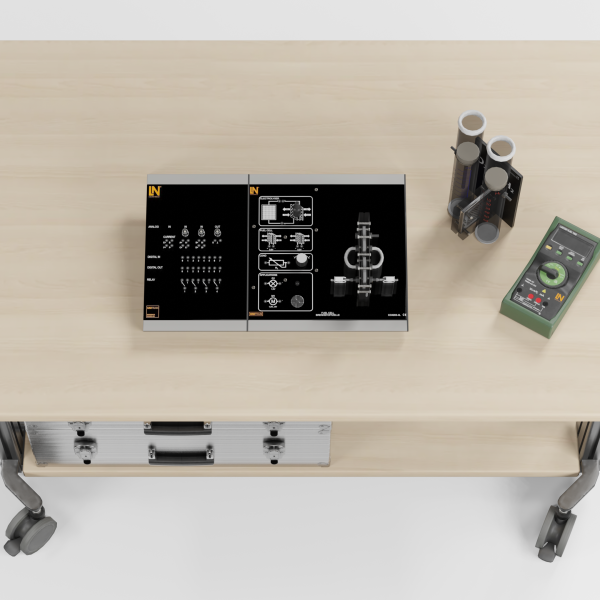
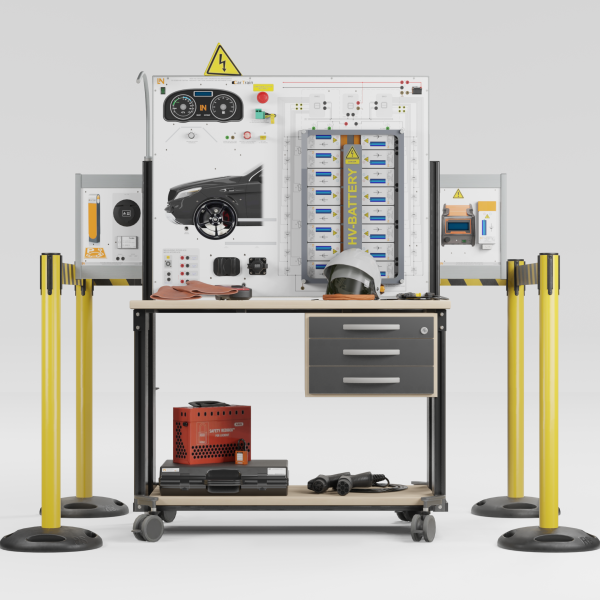
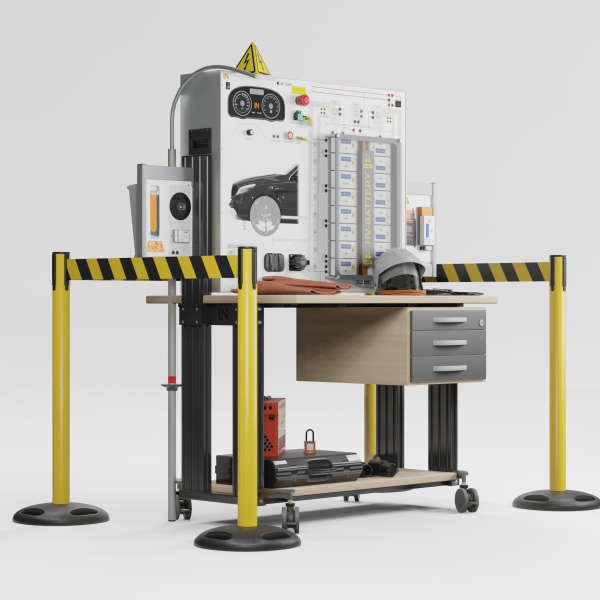
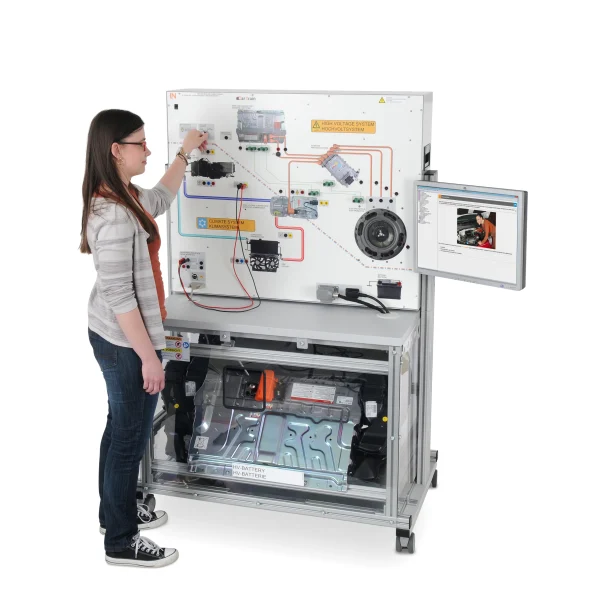
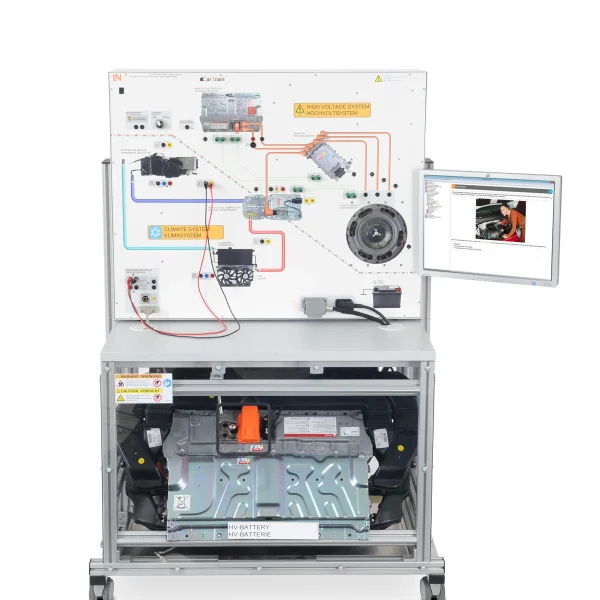
CO3221-6SCarTrain "Diagnosis and Maintenance of a High Voltage Battery"
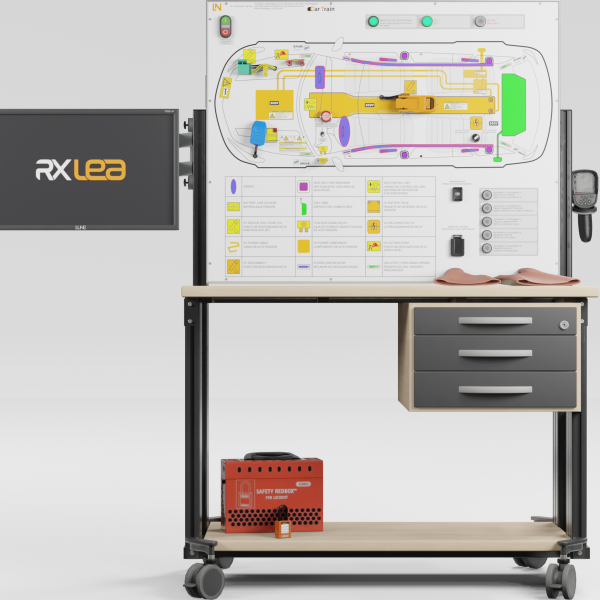
CO3221-6QCarTrain
LM8668Type 2 - Charging Cable for HV Vehicles/CarTrain
ST8003-1XSideways training panel frame extension
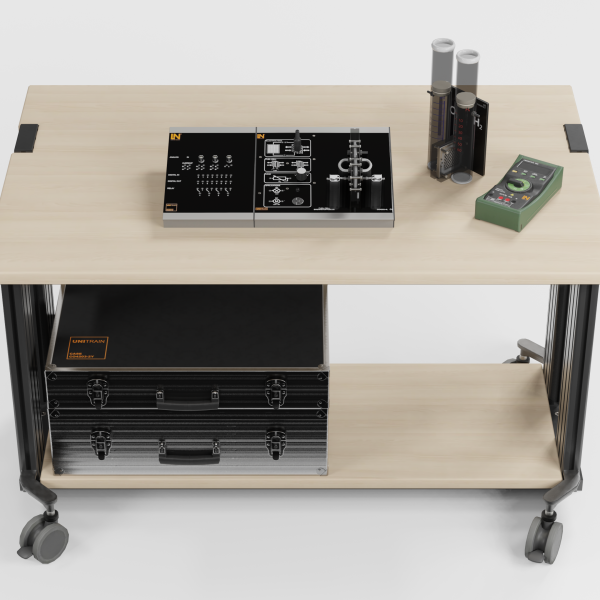
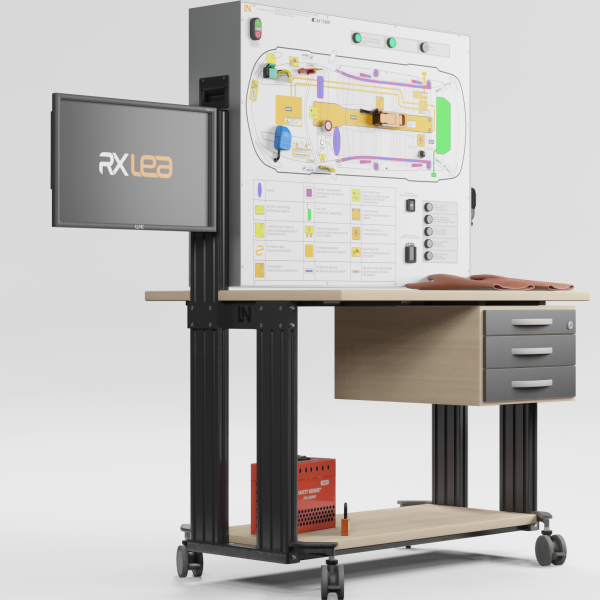
ST7200-7KSybaPro Experiment trolley for Ins-/Car-/TruckTrain, 1085x1350x800mm
ST7200-5MProtection cover for CarTrain/InsTrain experiment trolleys
ST8010-4TMonitor holder for flat screen monitor of weight up to 15kg / 33lbs

Learning Content in Detail

With our system, learners acquire comprehensive skills for repairing high-voltage batteries. They learn how to identify defective cells, condition them precisely and carry out the entire repair process safely and efficiently. Prepare your learners effectively for the demands of electromobility.

Identifying defective high-voltage cells

Learners can identify a defective high-voltage cell in a battery system and determine the required target voltage for a new cell.

Commissioning the cell balancer safely

Learners can commission the external cell balancer safely and correctly prepare a replacement cell module for the balancing process.

Monitoring and evaluating the balancing process

Learners can independently start and monitor the balancing process and evaluate the result correctly using the system displays.

Carrying out the repair of a high-voltage battery

Learners can carry out and document the complete process of repairing a high-voltage battery in compliance with all safety rules.

Carrying out function tests on cell modules independently

Participants learn how to carry out a complete function test of a cell module, including all protective and switching functions, before balancing in order to ensure that it works properly.

Understanding the economic benefits of cell repair

Trainees understand the economic and sustainability benefits of repairing high-voltage batteries at module level compared with replacing the entire battery.

Features & Applications

Our active cell balancer provides ideal support for learners in professional practice. The system makes repairing high-voltage batteries easier and safer. We show you the most important benefits and didactic features.
  • Repairing HV batteries economically at cell level — Instead of replacing the entire battery, the balancer enables targeted replacement and conditioning of individual defective cells. This saves costs and resources.
  • Completely safe working thanks to a self-contained, monitored process — The balancer carries out the charging or discharging process fully automatically while continuously monitoring the cell temperature to rule out thermal risks.
  • Precise voltage adjustment for maximum battery safety — The system conditions the new cell exactly to the state of charge of the existing cells in order to prevent damage caused by unequal voltages and to safeguard the battery’s service life.
  • Acquiring practical competence for live working (DGUV 3S) — In combination with the CarTrain high-voltage system, technicians learn the complete, realistic repair process in accordance with manufacturer specifications and DGUV qualification levels.
  • Intuitive single-knob operation: simple and safe to use — The entire balancing process is controlled via a single rotary push knob, and its status and measured values are shown clearly on the display. This makes handling simple and safe.
  • Integrated function test: safety before installation — Before balancing, a complete function test of the cell module, including all protective and switching functions, can be carried out to ensure that it works properly.
  • Microcontroller control: intelligent, precise regulation — The intelligent controller regulates the charging and discharging current fully automatically in order to reach the exact target voltage precisely and safely.
  • Continuous temperature monitoring: protection against thermal overload — An external temperature sensor monitors the cell throughout the entire process and initiates an automatic safety shutdown in the event of overheating.
Learners working with RXLea on a tablet at a Lucas-Nuelle training system
RXLea

From Knowledge Comes Capability.

You guide the learning

Where theory and practice go hand in hand.

RXLea brings a new way of learning: project-based, hands-on and clearly structured. Learners solve real-world tasks, while instructors save time on preparation. Interactive modules, smart analytics and real hardware create a modern, efficient learning world.

Hands-on and interactive

Animations, interactive tasks and realistic scenarios build a deep understanding. All content is organized into clear learning paths for focused, hands-on learning.

Digital support

3D assembly animations and digital instructions simplify complex procedures, reduce errors and help learners work more independently.

Visual support

Overview graphics, screenshots and sample animations make the learning world transparent. Photos from the learning packages are also available, including country-specific versions where needed.


Learners using a tablet at an energy training system
RXLea on desktop, laptop and tablet
RXLea Path Creator for building learning journeys
RXLea Navigator showing the learning world
Learn more about RXLea
Newsletter

Stay ahead in
technical training.

Get the latest training systems, product launches and educational insights, delivered directly to your inbox.

Your email address

By subscribing, you agree to our Privacy Policy. You can unsubscribe at any time.

 Please select at least one category before subscribing.
I'm interested in - select all that apply