


Skip to content

Photovoltaics in EVs (UniTrain): Harnessing Solar Power

RXLea
Digital projects for hands-on learningInteractive learning content, directly connected to the training system.

Photovoltaics in EVs (UniTrain): Harnessing Solar Power

APV22UT-7

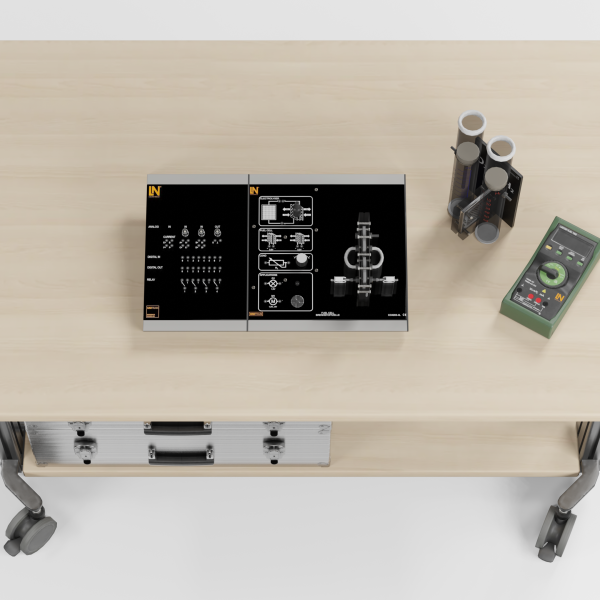
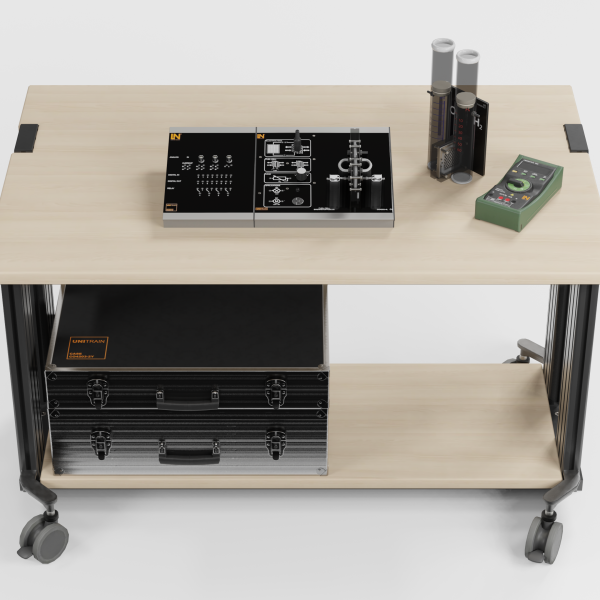
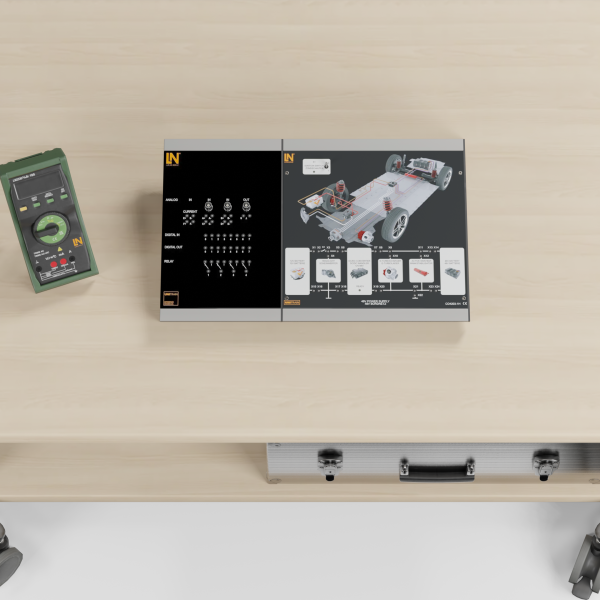
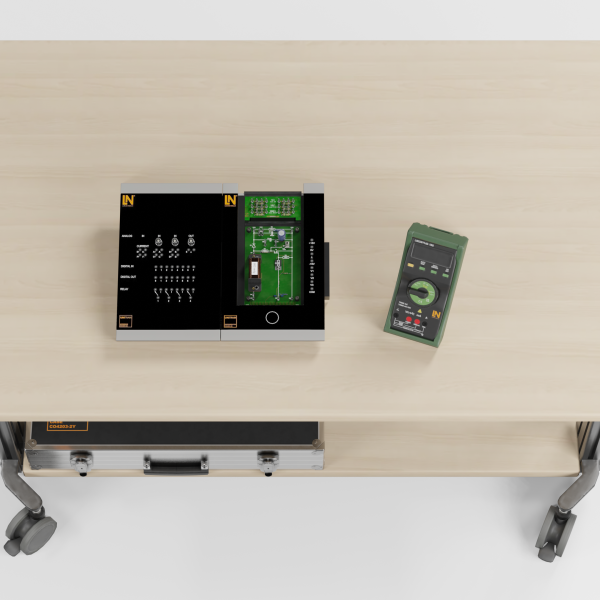
An interactive training system for practical investigation of solar energy generation, storage, and utilization in modern vehicles. Students analyze efficiency and CO2 reduction from regenerative energy sources.

Learning Content
  • Operating principle of solar cells
  • I-V characteristics & MPP
  • Evaluating types of connection
  • Designing stand-alone PV systems
KEY FEATURES
  • Integrated fault simulation
  • Safe learning at extra-low voltage
  • Experimental verification
  • Monocrystalline solar modules
Speak with a Product Specialist +1 (757) 808-5696 · sales@lucas-nuelle.com

Integrating photovoltaic modules into vehicle roofs is a key technology for increasing the range of electric vehicles. With the UniTrain system, participants learn about efficient energy generation and storage in a hands-on way. Experiments on real solar cells make technical parameters and physical relationships directly visible. Participants analyze efficiency gains and CO2 reduction through renewable energy sources. The training system offers a safe environment for practical system diagnostics and the design of stand-alone photovoltaic systems. Prepare learners optimally for the maintenance of modern vehicle electrical systems.

Artikel-Nr.MengeBezeichnung
CO4205-6N81Course: Photovoltaics in automotive engineering
CO4203-2A1UniTrain Interface mit virtuellen Instrumenten (Basis VI)
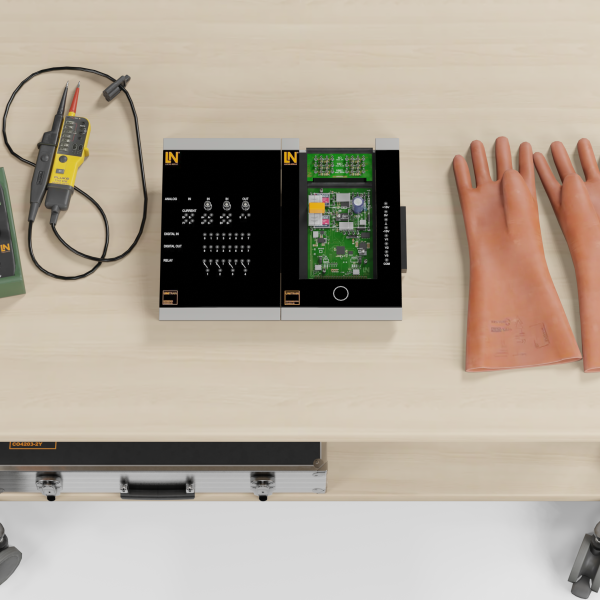
CO4203-2J1UniTrain measurement accessories, shunts and connection cables
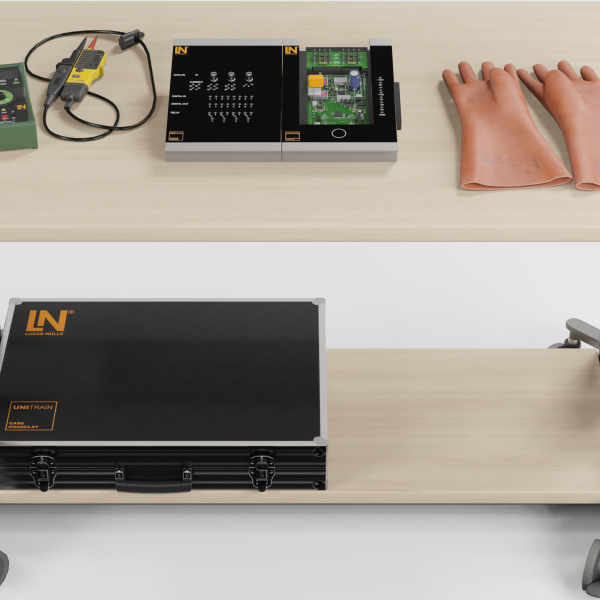
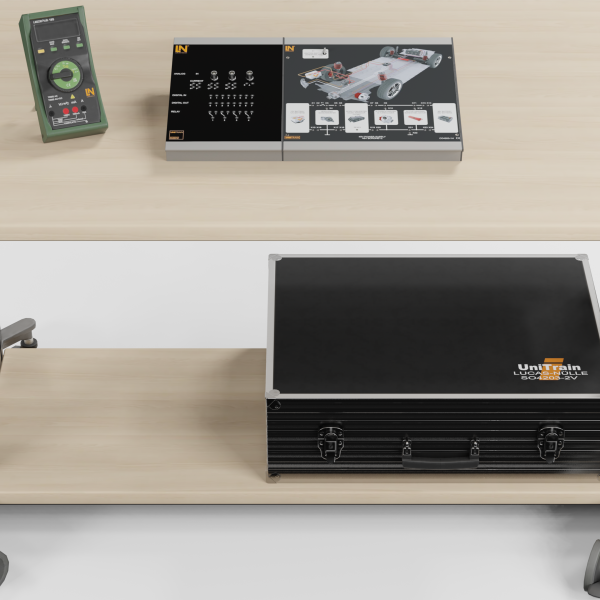
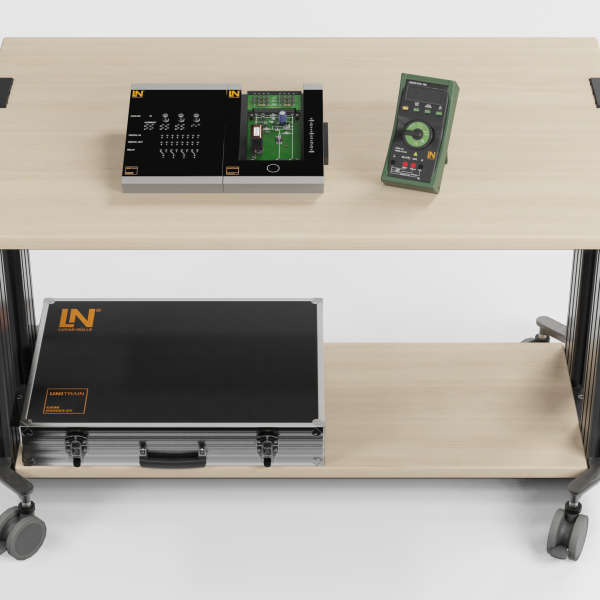
CO4203-2Y1UniTrain storage case for one system
SO4203-2V1UniTrain storage case for experiment board

Learning Content in Detail

With this system, learners gain in-depth knowledge of solar energy in vehicles. They analyze characteristics, evaluate connection types and design systems.

Operating principle of solar cells

They explain how solar cells work and demonstrate the effects of irradiance and temperature experimentally.

I-V characteristics & MPP

Learners record characteristics on solar modules and determine the maximum power point and the fill factor in order to evaluate performance.

Evaluating types of connection

Analyze the effects of series and parallel connections of the PV cells on the overall capacity of the system.

Designing stand-alone PV systems

They correctly design a stand-alone PV system including charge controller and battery and calculate the energy balance for defined loads.

Features & Applications

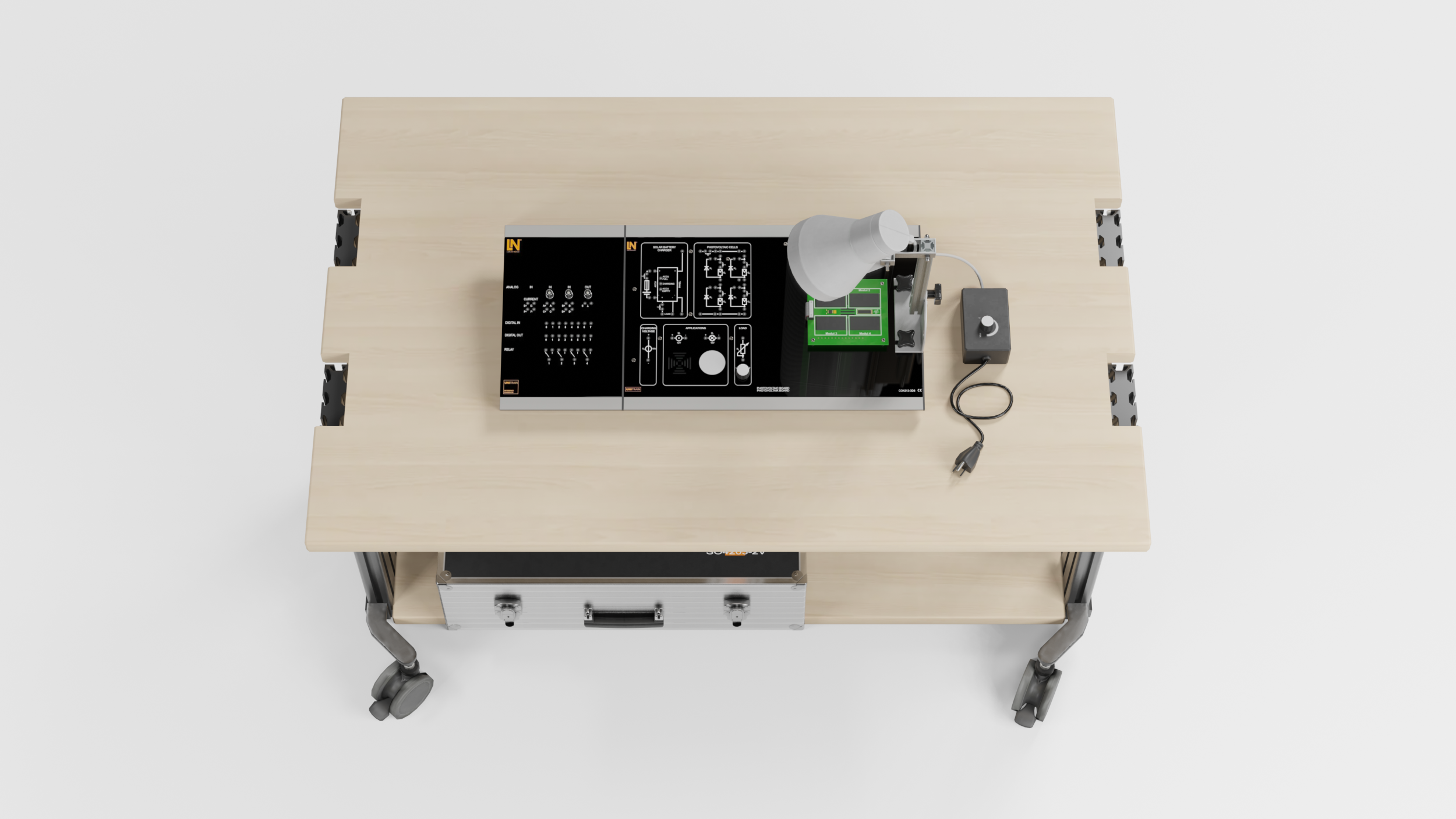
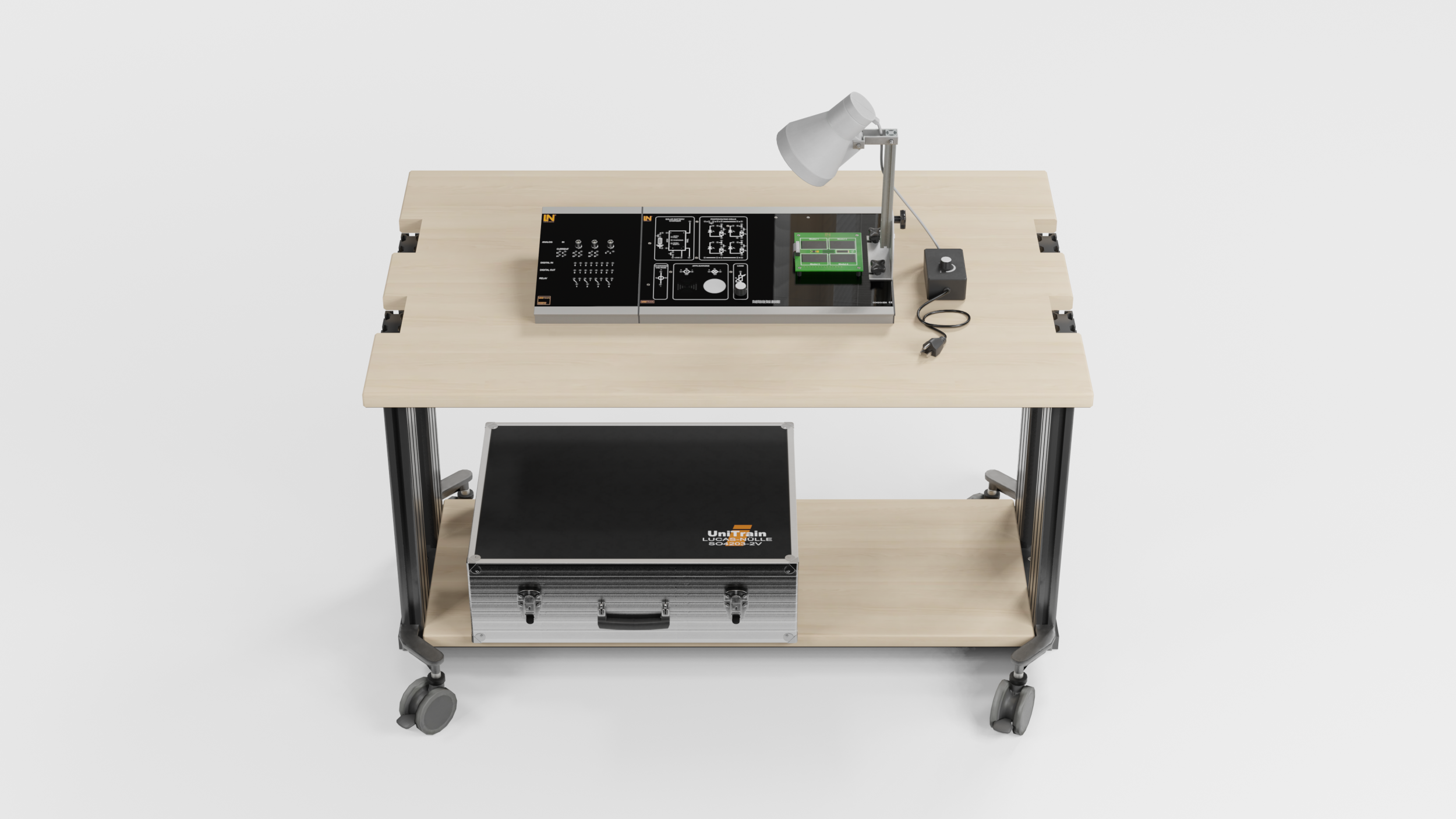
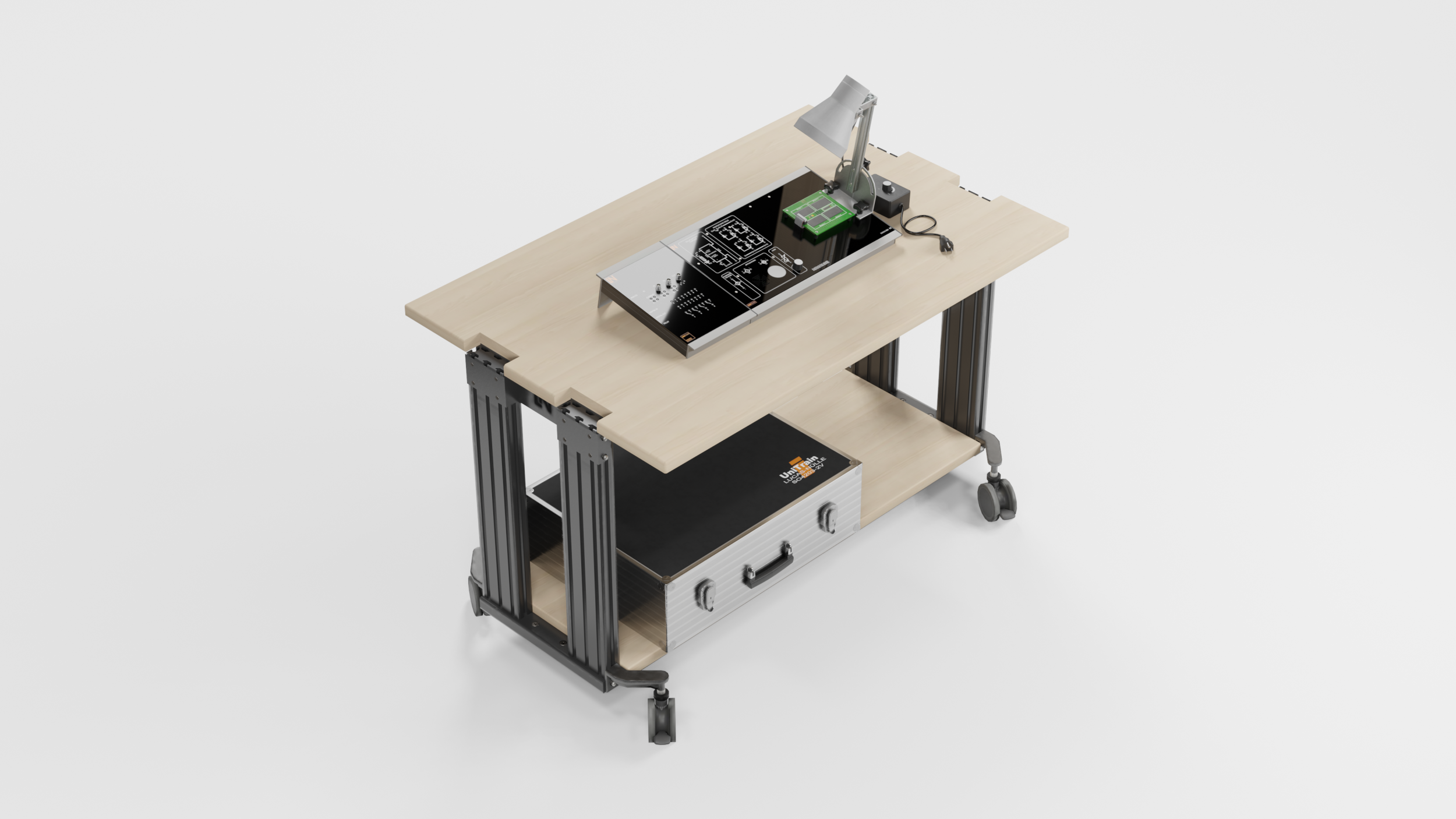
Use a wide range of functions for practical training. The system offers safe experiments and real components for investigating photovoltaic systems in motor vehicles.
  • Integrated fault simulation — Learners independently identify defects such as cell interruptions or reverse polarity. In this way, they develop a methodical troubleshooting strategy for photovoltaic systems in vehicles.
  • Safe learning at extra-low voltage — The system enables charging processes and rechargeable batteries to be investigated without any danger. Participants explore physical limits completely free of safety risks.
  • Experimental verification — Participants directly investigate the influence of temperature and angle of incidence on output power. This creates a deep understanding of the factors that determine the efficiency of solar systems.
  • Monocrystalline solar modules — By comparing series and parallel connections on four modules, learners understand how current and voltage scale and what this means for system performance.
  • Dimmable sunlight simulator — Precise control of the irradiance allows reproducible measurements. This is the ideal way to train analytical skills for varying environmental conditions.
  • Rechargeable lead-gel battery — Investigating 12 V storage operation illustrates the relationship between energy generation, load management and time-shifted use in the vehicle.
  • LabSoft & X/Y recorder — The system guides users interactively through theory and practice. The virtual X/Y recorder enables power diagrams to be recorded automatically to determine the MPP.
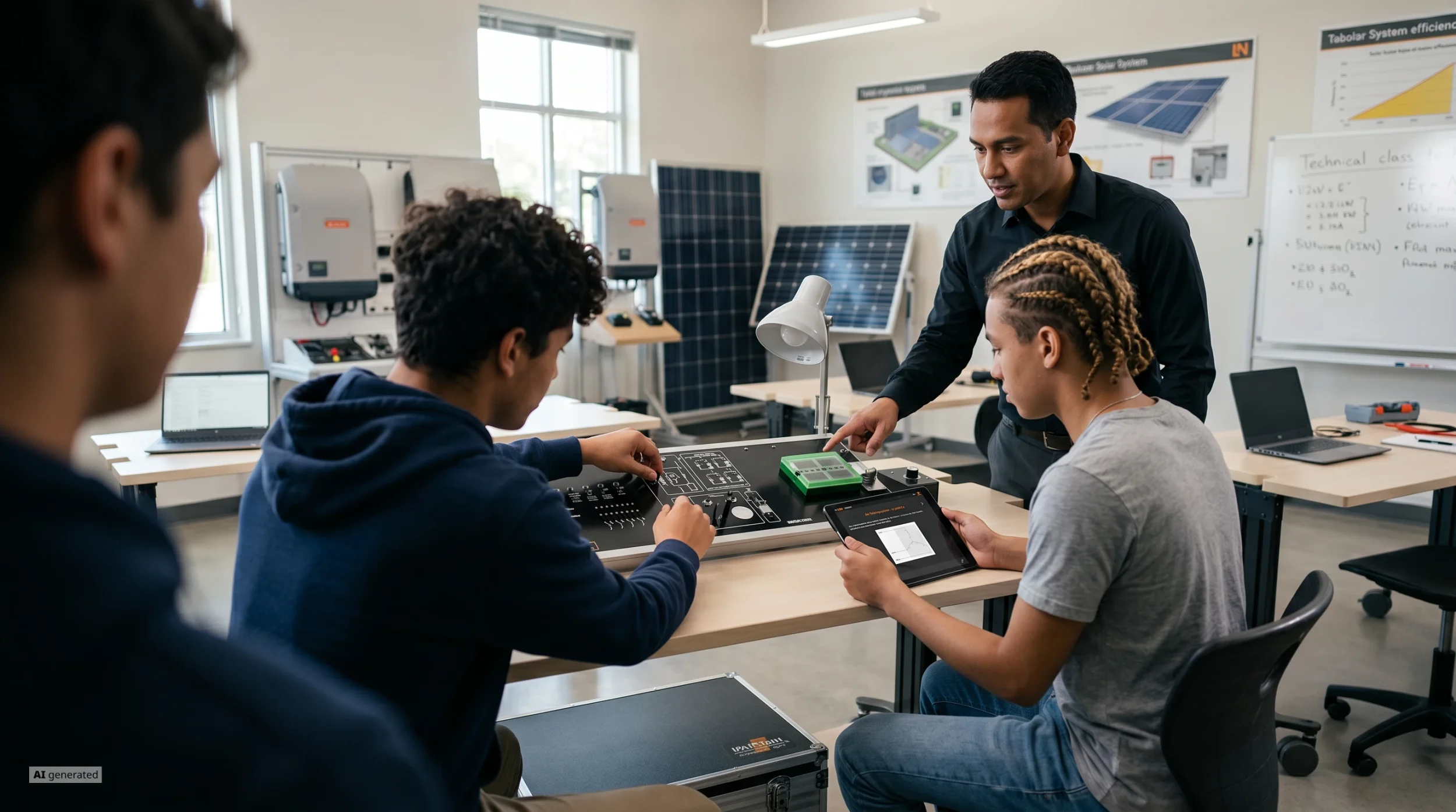
Learners working with RXLea on a tablet at a Lucas-Nuelle training system
RXLea

From Knowledge Comes Capability.

You guide the learning

Where theory and practice go hand in hand.

RXLea brings a new way of learning: project-based, hands-on and clearly structured. Learners solve real-world tasks, while instructors save time on preparation. Interactive modules, smart analytics and real hardware create a modern, efficient learning world.

Hands-on and interactive

Animations, interactive tasks and realistic scenarios build a deep understanding. All content is organized into clear learning paths for focused, hands-on learning.

Digital support

3D assembly animations and digital instructions simplify complex procedures, reduce errors and help learners work more independently.

Visual support

Overview graphics, screenshots and sample animations make the learning world transparent. Photos from the learning packages are also available, including country-specific versions where needed.


Learners using a tablet at an energy training system
RXLea on desktop, laptop and tablet
RXLea Path Creator for building learning journeys
RXLea Navigator showing the learning world
Learn more about RXLea
Newsletter

Stay ahead in
technical training.

Get the latest training systems, product launches and educational insights, delivered directly to your inbox.

Your email address

By subscribing, you agree to our Privacy Policy. You can unsubscribe at any time.

 Please select at least one category before subscribing.
I'm interested in - select all that apply