


Skip to content

HV Interlock Hybrid and Electric Vehicles: Mastering HV System Safety

RXLea
Digital projects for hands-on learningInteractive learning content, directly connected to the training system.

HV Interlock Hybrid and Electric Vehicles: Mastering HV System Safety

APL22UT

Students examine the protection and diagnostics of the HV interlock system and gain systematic troubleshooting expertise and confidence for working on high voltage vehicles.

Learning Content
  • System design and operating principle
  • Measuring and evaluating PWM signals
  • Systematic fault diagnosis
  • Determining repair measures
KEY FEATURES
  • Integrated fault simulation
  • Risk-free HV safety training
  • End-to-end diagnostic workflow
  • Analysis of PWM signal monitoring
Speak with a Product Specialist +1 (757) 808-5696 · sales@lucas-nuelle.com

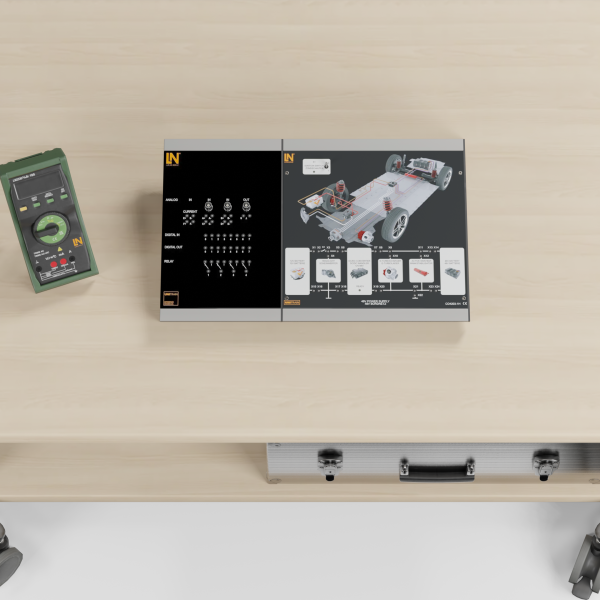
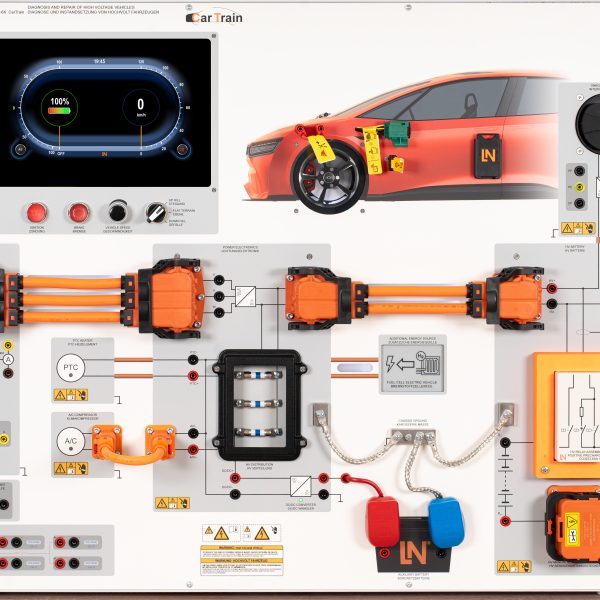
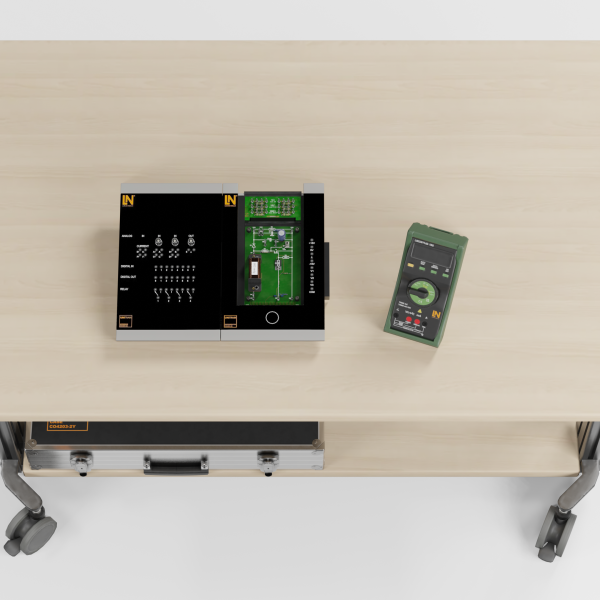
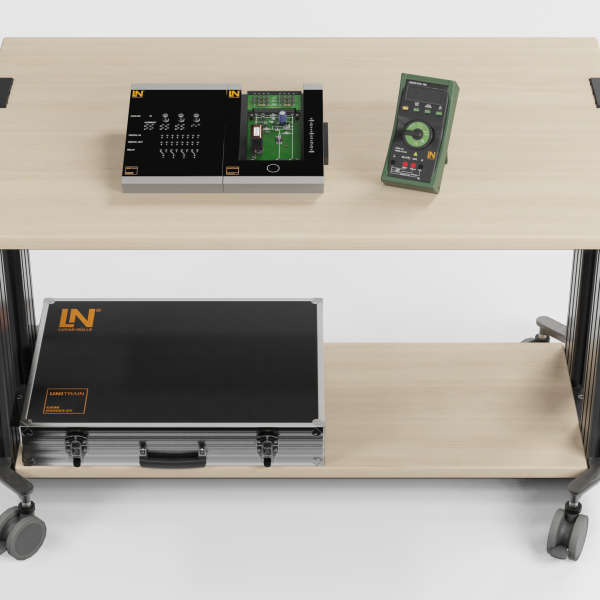
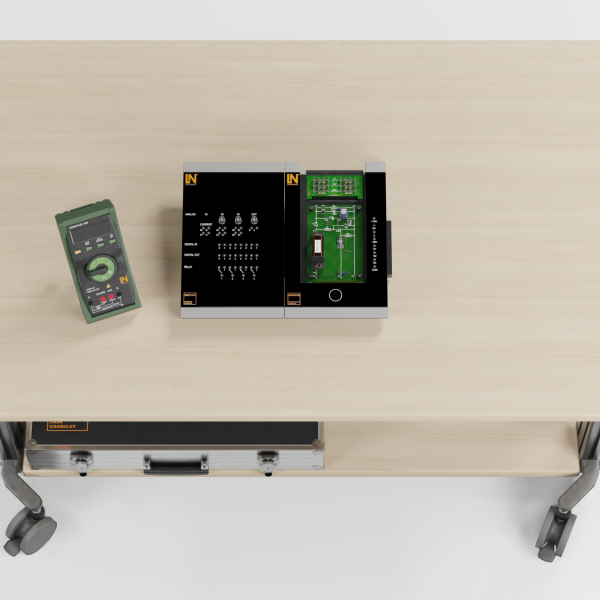
The pilot line is the vital protective device that immediately disconnects the high-voltage system as soon as a component is opened improperly. This training system takes a hands-on approach to teaching how this safety chain is monitored and diagnosed by means of pulse-width modulated (PWM) signals. Through real measurements on a fully functional model, learners develop the confidence they need to work with HV safety circuits. They learn to carry out systematic troubleshooting and functional tests safely, without exposing themselves to any danger.

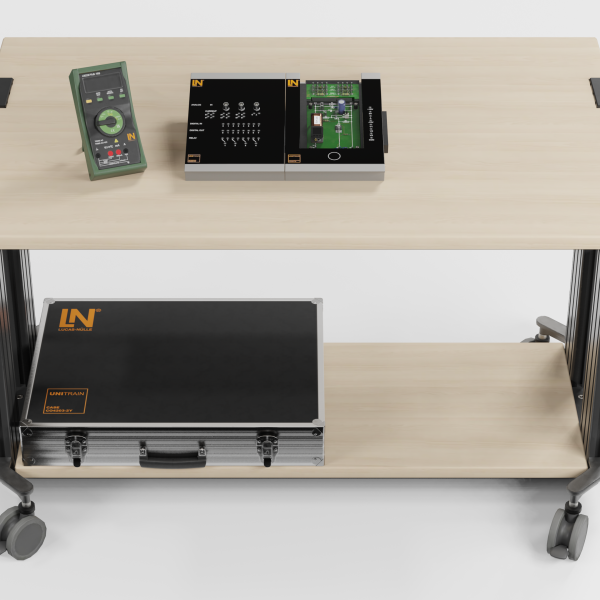
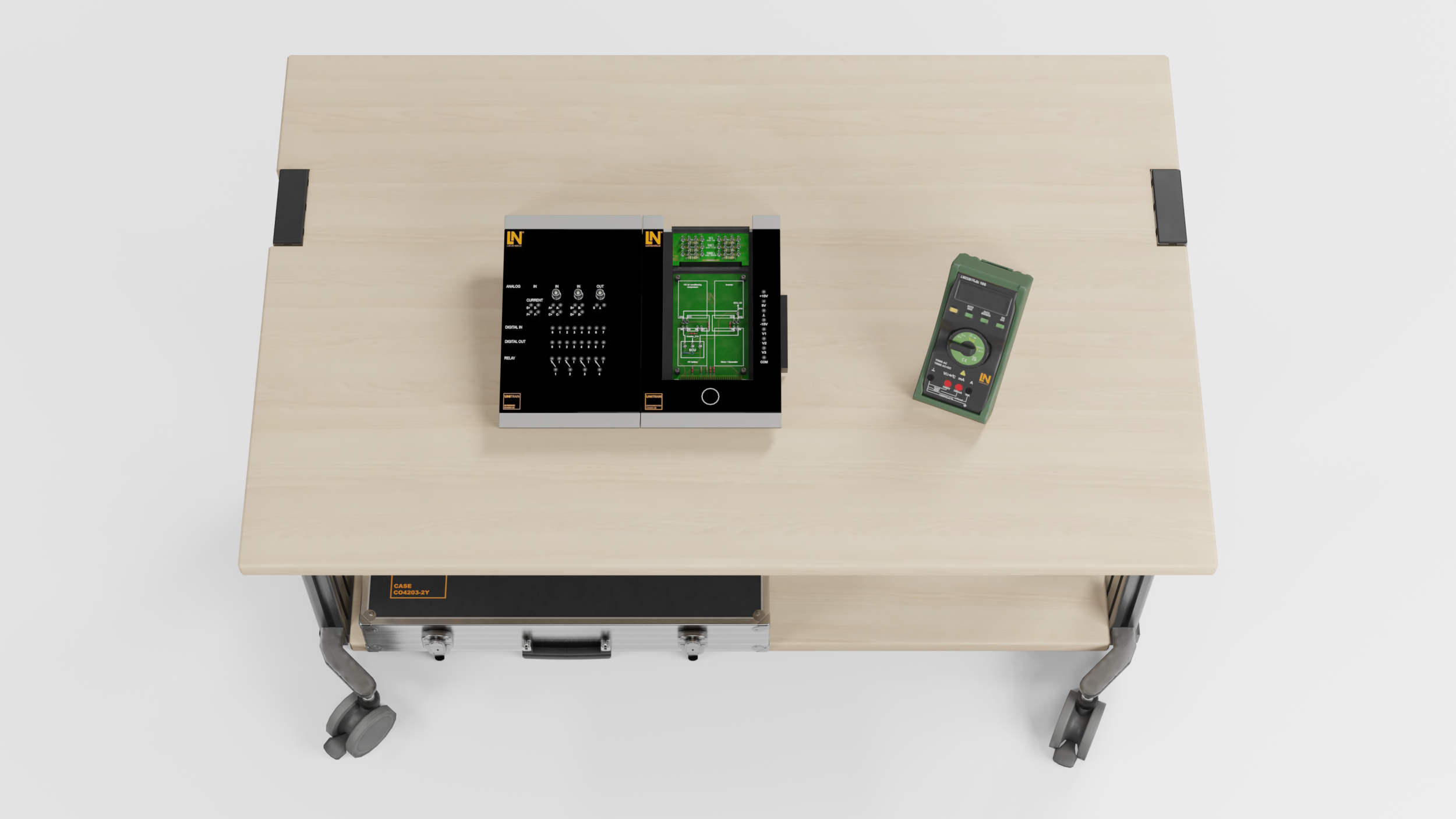
CO4205-1HCourse: Interlock in HEV and EV
CO4203-2AUniTrain Interface mit virtuellen Instrumenten (Basis VI)
CO4203-2JUniTrain measurement accessories, shunts and connection cables
CO4203-2BUniTrain Experimenter
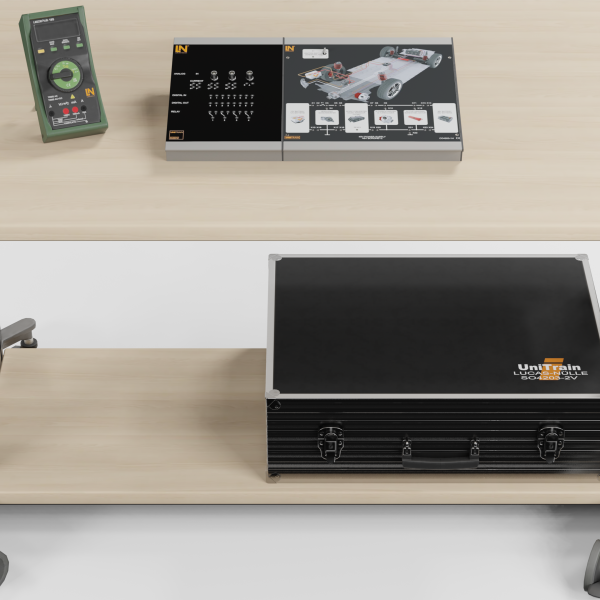
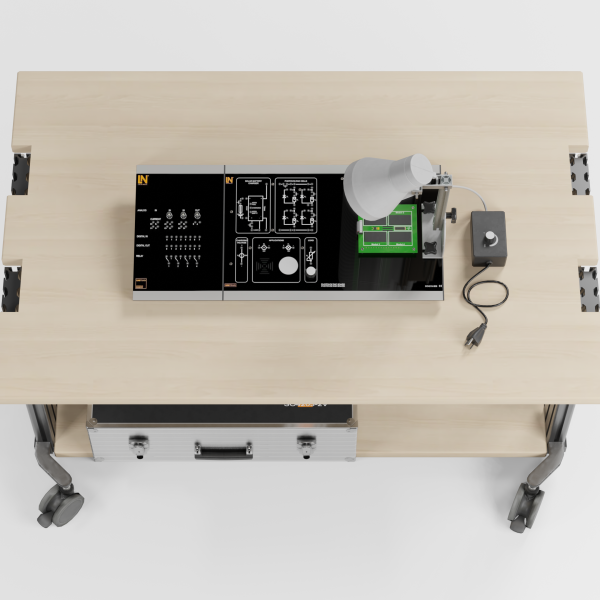
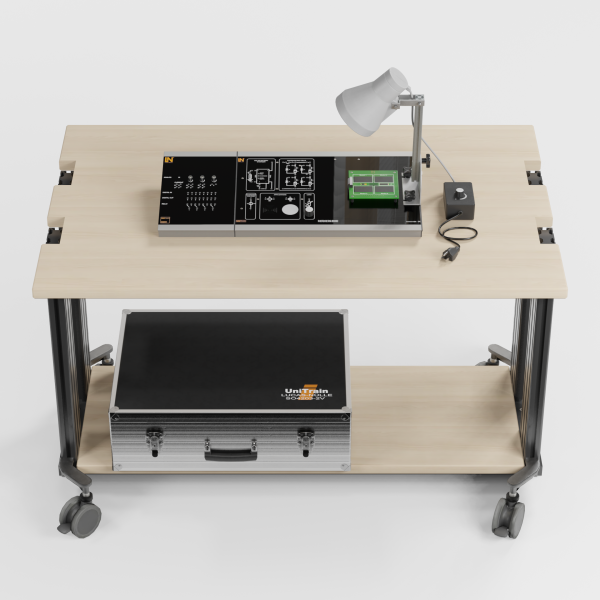
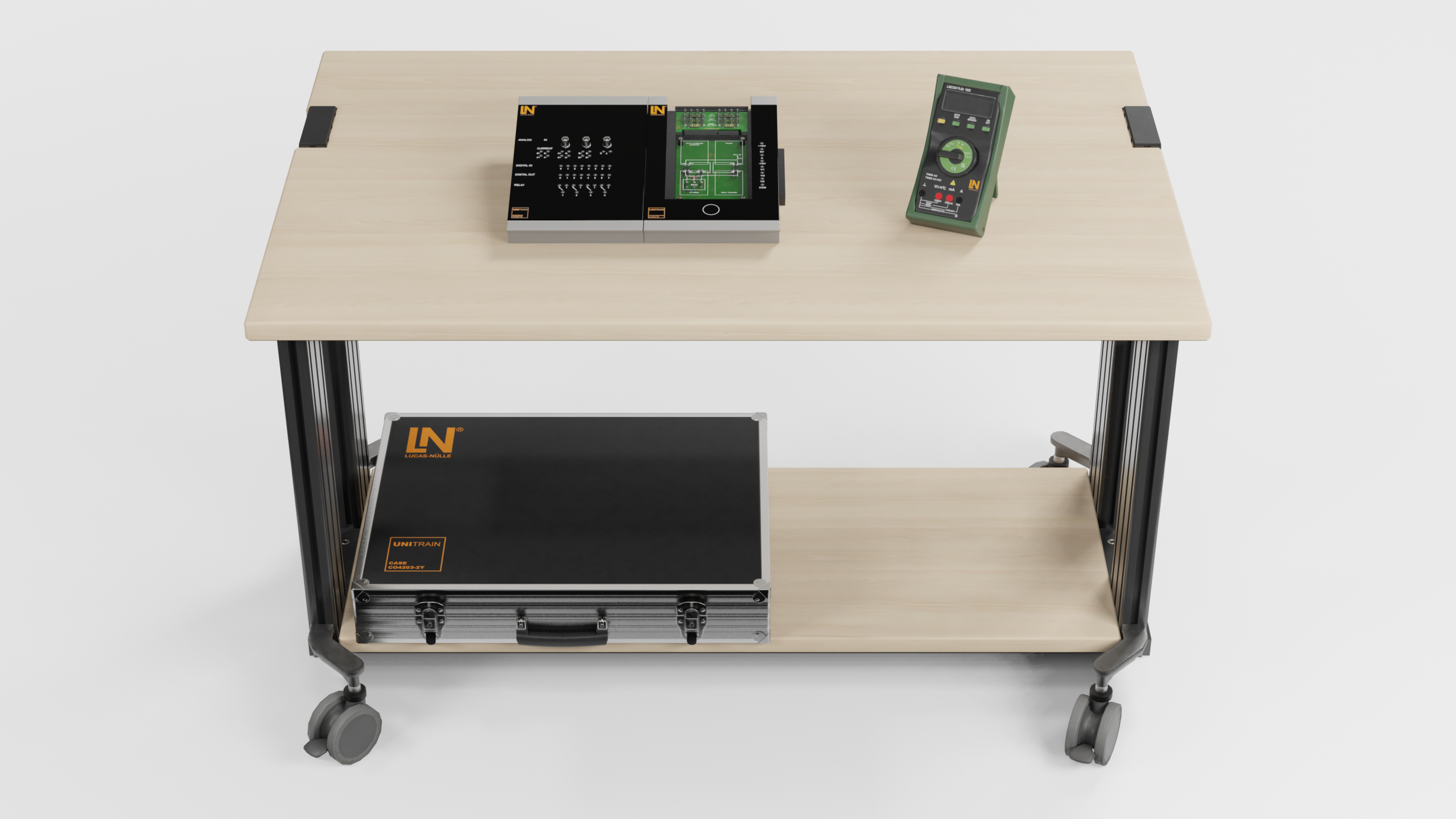
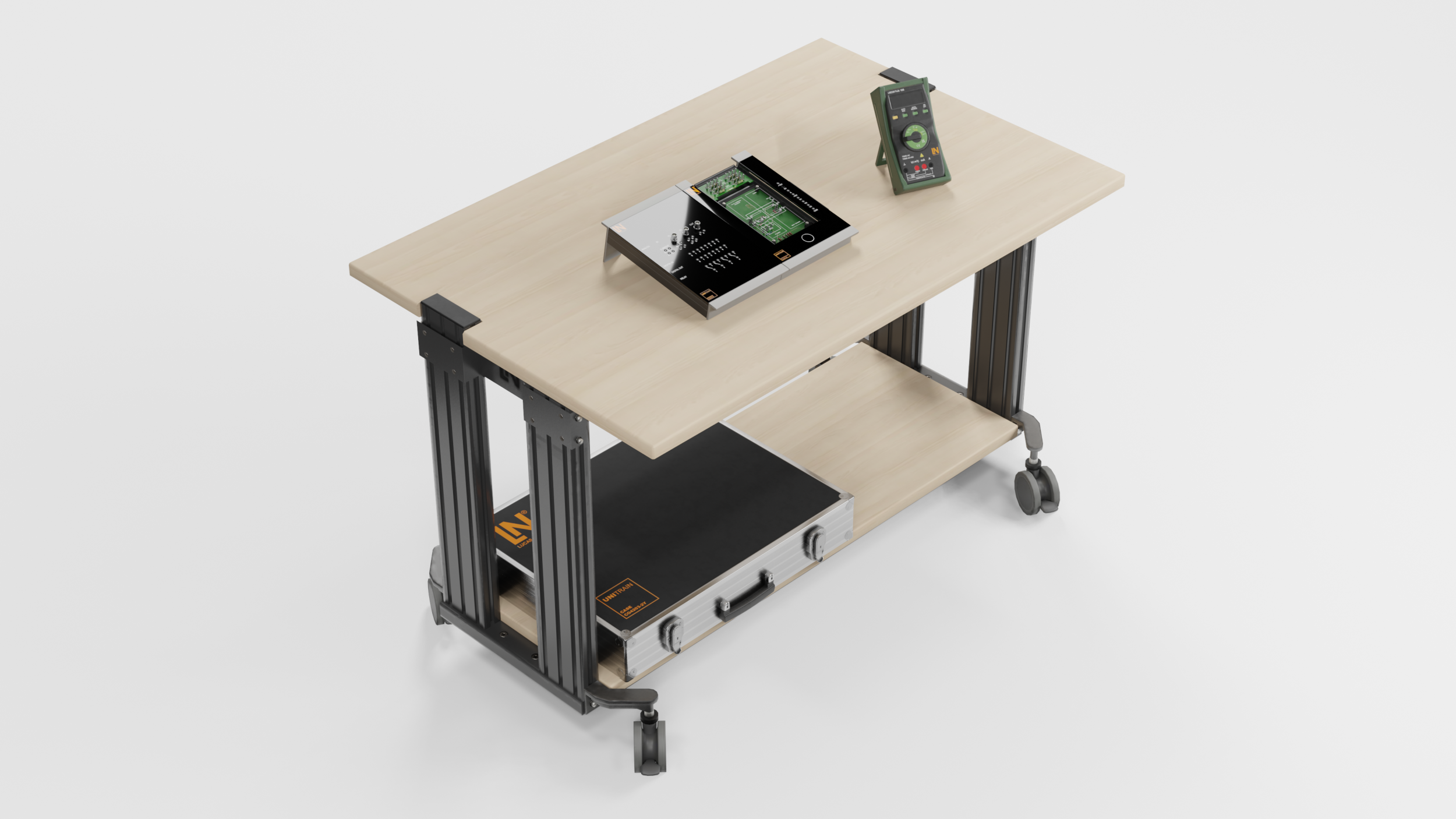
CO4203-2YUniTrain storage case for one UniTrain system

Learning Content in Detail

With this system, learners acquire sound knowledge and practical skills in working with HV interlock systems.

System design and operating principle

Learners explain the design of a pilot line and identify the components in the system.

Measuring and evaluating PWM signals

Learners measure the PWM signal of the pilot line with the oscilloscope and evaluate it in terms of the voltage level.

Systematic fault diagnosis

Learners systematically diagnose and locate faults such as interruptions in the safety chain.

Determining repair measures

Learners determine the correct repair measure based on measured values and manufacturer information.

Features & Applications

Discover the many possible applications of the HV pilot line training system and prepare learners optimally for shop practice.
  • Integrated fault simulation — Learners independently identify realistic defects such as contact resistances and develop a systematic diagnostic strategy.
  • Risk-free HV safety training — Thanks to safety extra-low voltage, learners investigate how the pilot line works without any safety risks, which helps them overcome any apprehension.
  • End-to-end diagnostic workflow — Linking digital theory with measurement reflects the shop process and develops learners’ process skills.
  • Analysis of PWM signal monitoring — Using the virtual oscilloscope, learners understand why PWM monitoring offers greater safety than a DC voltage.
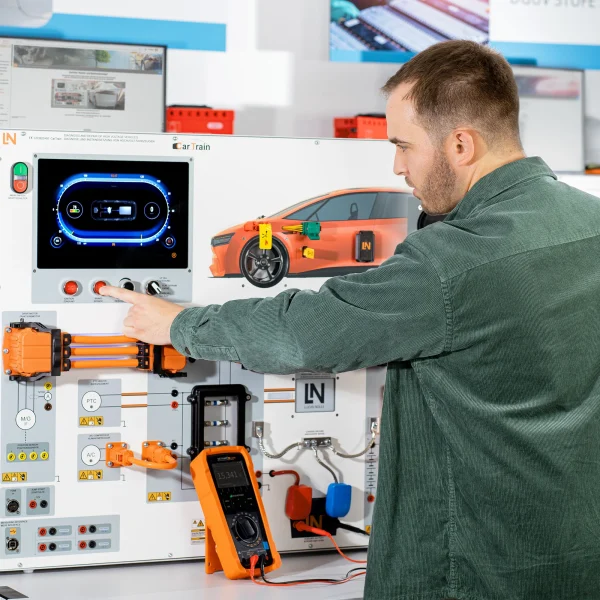
  • Hands-on interaction — Physically pulling out the bridging plugs simulates the disconnection of an HV cable and makes the response of the protection system tangible.
  • Strategically placed measuring sockets — These enable complete signal tracing along the chain. Learners narrow down fault locations and isolate defects.
  • Integrated status LED — The LED in the ECU provides visual feedback on the system status, which directly supports learning success in troubleshooting.
  • Realistic resistance values — By replicating internal resistances, trainees learn to distinguish between an intact system and faulty contacts.
  • Virtual measuring instruments — The environment provides an oscilloscope and multimeter so that learners can analyze and document the signal waveforms of the pilot line in real time.
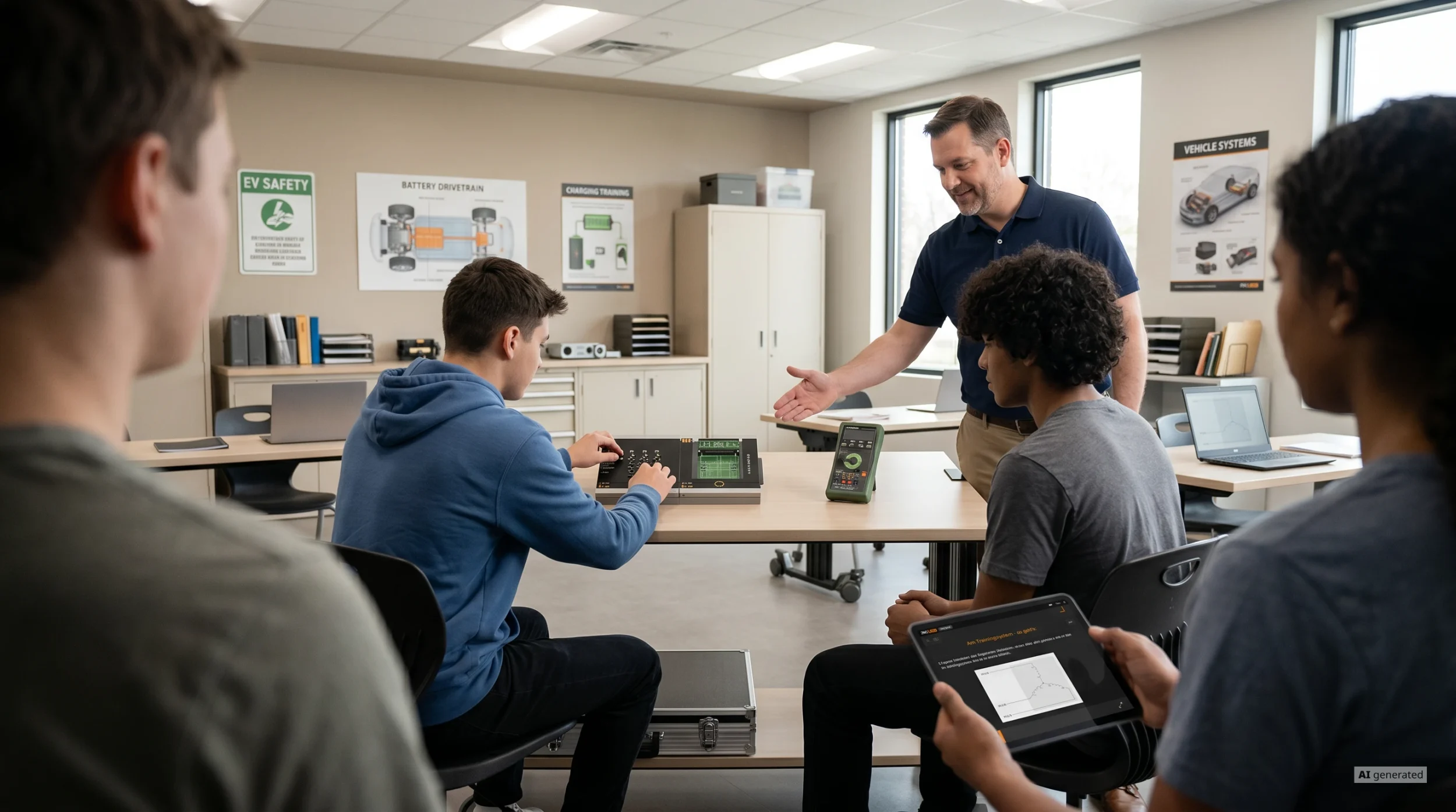
Learners working with RXLea on a tablet at a Lucas-Nuelle training system
RXLea

From Knowledge Comes Capability.

You guide the learning

Where theory and practice go hand in hand.

RXLea brings a new way of learning: project-based, hands-on and clearly structured. Learners solve real-world tasks, while instructors save time on preparation. Interactive modules, smart analytics and real hardware create a modern, efficient learning world.

Hands-on and interactive

Animations, interactive tasks and realistic scenarios build a deep understanding. All content is organized into clear learning paths for focused, hands-on learning.

Digital support

3D assembly animations and digital instructions simplify complex procedures, reduce errors and help learners work more independently.

Visual support

Overview graphics, screenshots and sample animations make the learning world transparent. Photos from the learning packages are also available, including country-specific versions where needed.


Learners using a tablet at an energy training system
RXLea on desktop, laptop and tablet
RXLea Path Creator for building learning journeys
RXLea Navigator showing the learning world
Learn more about RXLea
Newsletter

Stay ahead in
technical training.

Get the latest training systems, product launches and educational insights, delivered directly to your inbox.

Your email address

By subscribing, you agree to our Privacy Policy. You can unsubscribe at any time.

 Please select at least one category before subscribing.
I'm interested in - select all that apply