


Skip to content

Servo Motor Technology

RXLea
Digital projects for hands-on learningInteractive learning content, directly connected to the training system.

Servo Motor Technology

IAC02UT

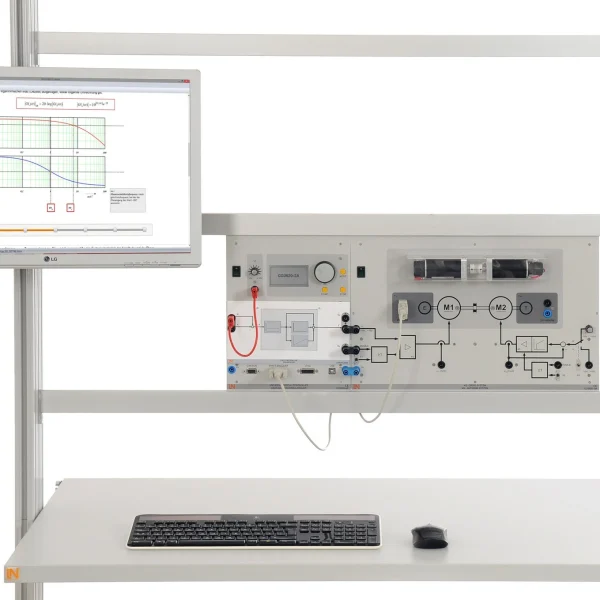
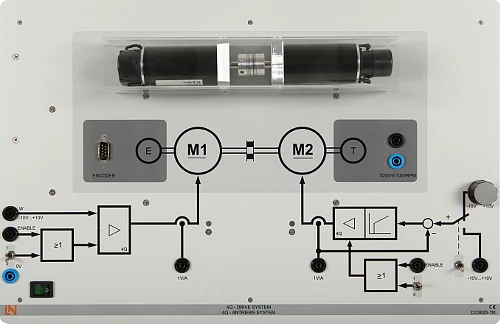
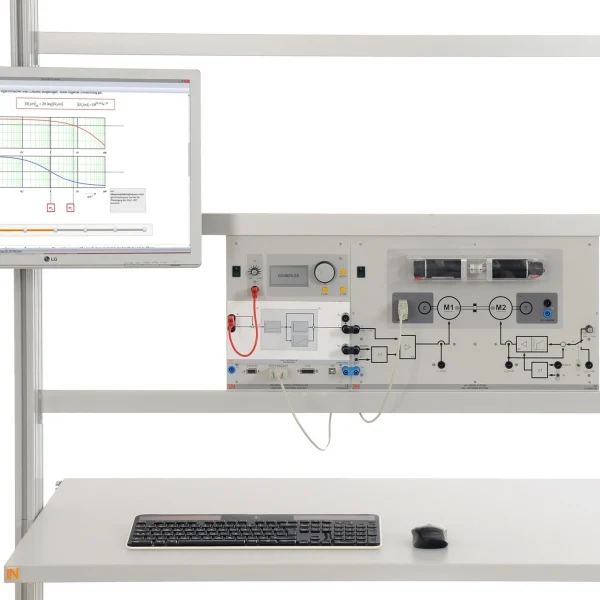
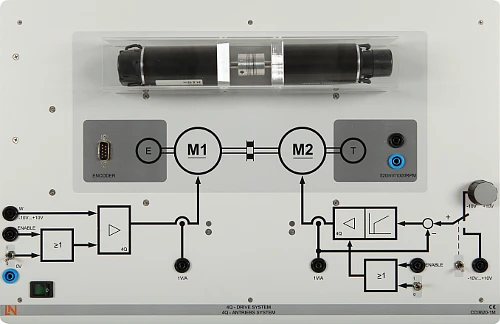
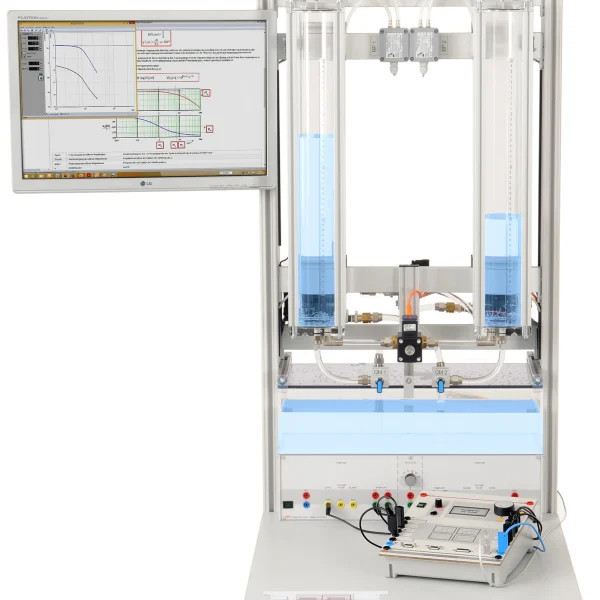
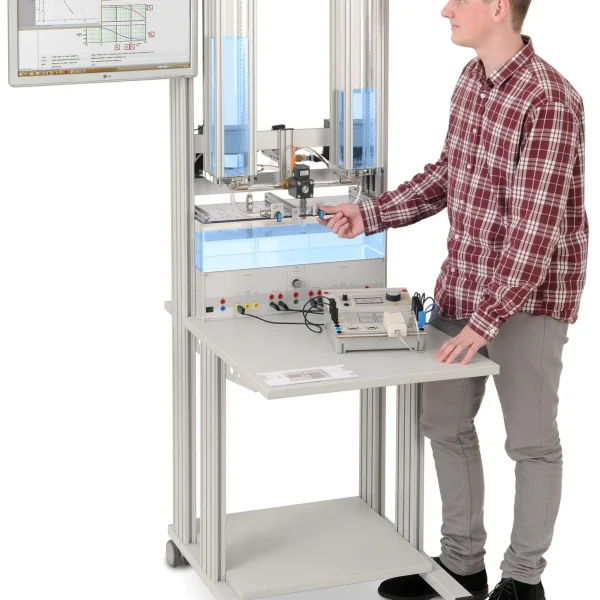
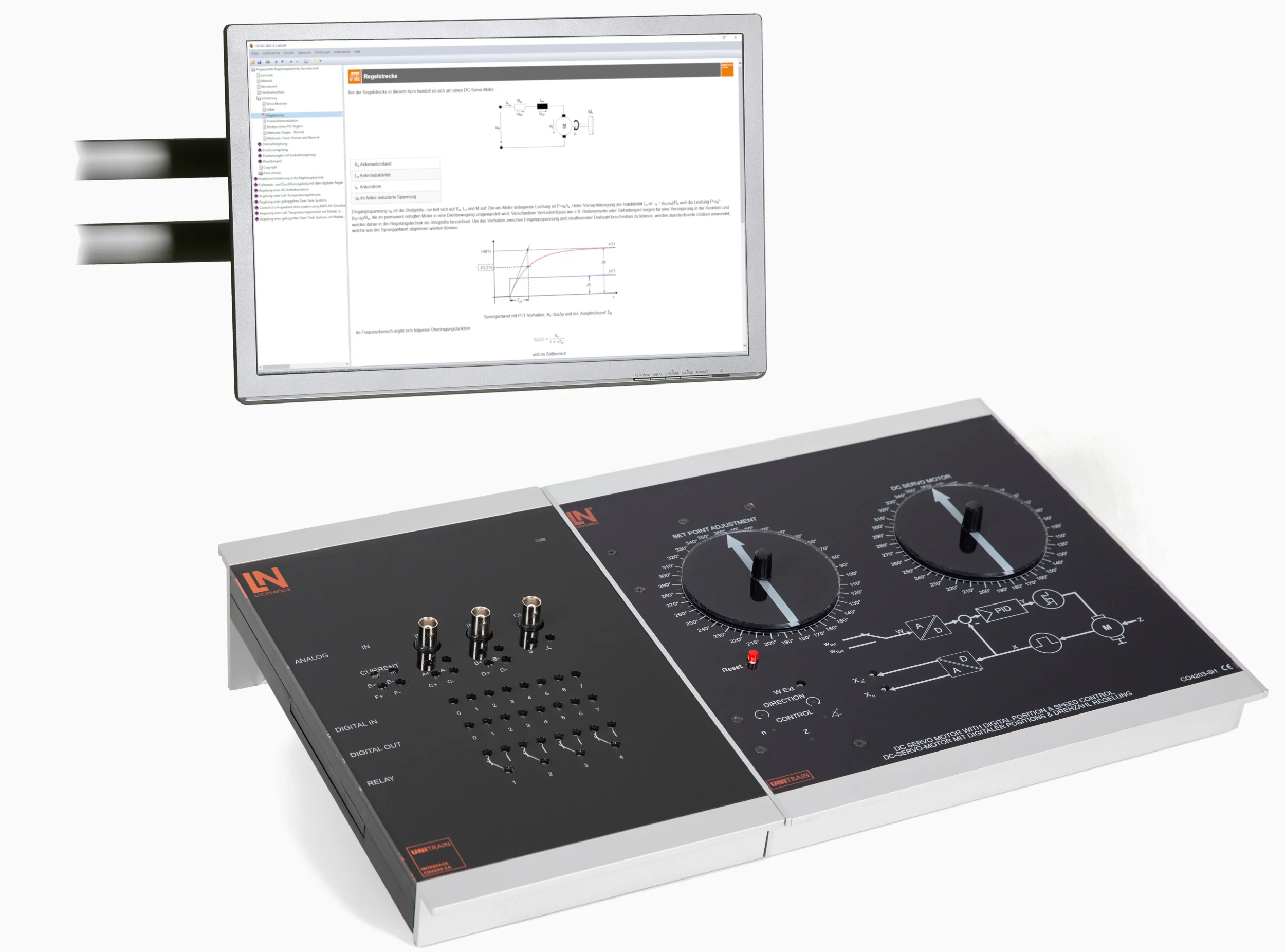
Compact UniTrain training system for analyzing, parameterizing and optimizing digital position, speed and cascade control on real DC servo motors with incremental encoders.

Learning Content
  • Analyzing the controlled system
  • Parameterizing P controllers
  • Optimizing PI speed control
  • Tuning PID controller parameters
KEY FEATURES
  • Hardware-based cascade control
  • Integrated disturbance generator
  • Methodical controller optimization
  • Two DC servo motors with incremental encoders
Speak with a Product Specialist +1 (757) 808-5696 · sales@lucas-nuelle.com

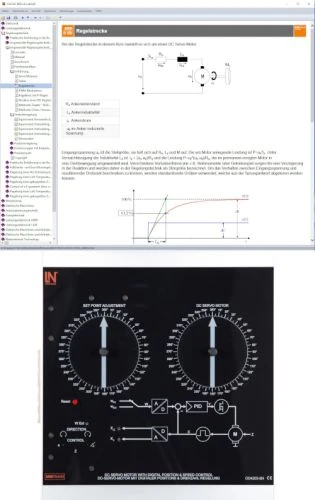
On production lines and in robots, precisely parameterized servo controllers ensure that positioning and speed setpoints are met accurately, even under changing loads. The training system replicates this task on a small scale: two DC servo motors with integrated incremental encoders record the angle of rotation and speed, and a disturbance generator applies load torques and friction. Learners first determine the characteristic values of the plant from step and ramp responses, then design P, PI and PID controllers according to Ziegler-Nichols and to Chien, Hrones and Reswick, and finally nest the speed and position control loops to form a cascade. The interactive LabSoft course software and the virtual instruments show every step over time.

CO4204-8HCourse: Control technology: Servo motor technology
SO4203-2VUniTrain storage case for experiment boardoptional
CO4203-2AUniTrain Interface mit virtuellen Instrumenten (Basis VI)
CO4203-2JUniTrain measurement accessories, shunts and connection cables
CO4203-2YUniTrain storage case for one UniTrain system

Learning Content in Detail

Learners analyze the servo plant, design controllers using common tuning rules and use them to build a cascade control system for speed and position.

Analyzing the controlled system

Learners determine the proportional gain, delay time and rise time of the DC servo motor from step and ramp responses.

Parameterizing P controllers

Learners determine the stability limit of the speed control system according to Ziegler-Nichols and calculate the controller parameters from it.

Optimizing PI speed control

Learners compare the reference response and oscillation behavior of PI and P controllers and eliminate the steady-state error.

Tuning PID controller parameters

Learners apply the Chien, Hrones and Reswick tuning rules and operate the servo system either with or without overshoot.

Investigating disturbance behavior

Learners apply simulated load torques and test the disturbance rejection of the speed and position control loops.

Building a cascade control system

Learners nest the speed and position control loops and structure the multi-loop control system from the inside out.

Assessing speed limitation

Learners analyze how limited manipulated variables and maximum speeds affect the overall settling time of mechatronic drives.

Features & Applications

The experiments are drawn from measurement and control engineering, from drive engineering with electric drive systems and from automation technology in production plants.
  • Hardware-based cascade control — The speed and position control loops can be nested. Learners use this to build multi-loop control structures from the inside out and master them on a real drive.
  • Integrated disturbance generator — The generator simulates dynamic load torques and friction. Learners check immediately how well their controller compensates for such operating disturbances.
  • Methodical controller optimization — The system enables comparative analyses according to Ziegler-Nichols and to Chien, Hrones and Reswick. Learners deliberately balance the reference response and disturbance response against each other.
  • Two DC servo motors with incremental encoders — The encoders record the angle of rotation and speed with high accuracy. This allows speed, position and cascade control to be investigated on real drives in a practical way.
  • Calibration and reset buttons — At the push of a button, the angle encoders are zeroed and adjusted to 0 degrees or 360 degrees, keeping measurements reproducible.
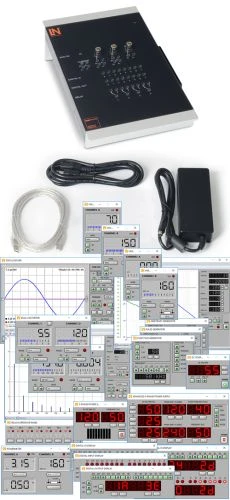
  • Integrated measurement and control technology — An oscilloscope, function generator, PID controller, cascade controller and Bode plot are available as virtual instruments. No additional measuring instruments are required.
  • Virtual instrument: speed controller — Learners parameterize P, PI and PID controllers, specify ramp functions and record the speed curves in real time.
  • Virtual instrument: position controller — The angle controller accepts setpoints as a fixed value, as a time profile or via a potentiometer. The results are displayed on the oscilloscope.
  • Virtual instrument: cascade controller — Speed and position control come together in one interface, with variable speed limiting and a disturbance variable that can be switched in.
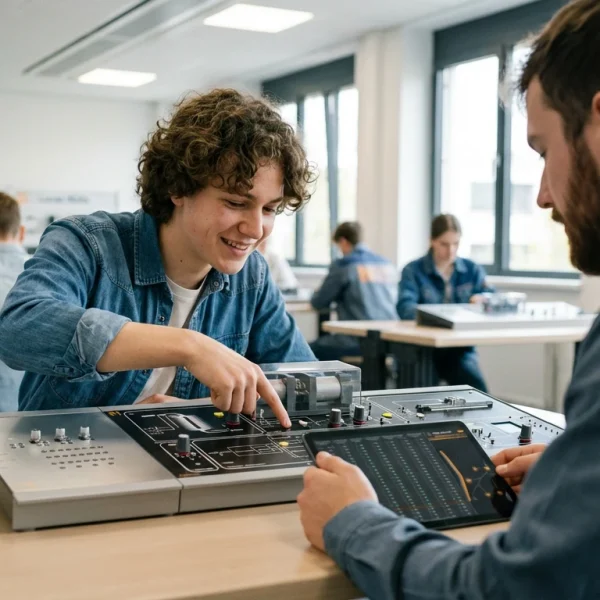
Learners working with RXLea on a tablet at a Lucas-Nuelle training system
RXLea

From Knowledge Comes Capability.

You guide the learning

Where theory and practice go hand in hand.

RXLea brings a new way of learning: project-based, hands-on and clearly structured. Learners solve real-world tasks, while instructors save time on preparation. Interactive modules, smart analytics and real hardware create a modern, efficient learning world.

Hands-on and interactive

Animations, interactive tasks and realistic scenarios build a deep understanding. All content is organized into clear learning paths for focused, hands-on learning.

Digital support

3D assembly animations and digital instructions simplify complex procedures, reduce errors and help learners work more independently.

Visual support

Overview graphics, screenshots and sample animations make the learning world transparent. Photos from the learning packages are also available, including country-specific versions where needed.


Learners using a tablet at an energy training system
RXLea on desktop, laptop and tablet
RXLea Path Creator for building learning journeys
RXLea Navigator showing the learning world
Learn more about RXLea
Newsletter

Stay ahead in
technical training.

Get the latest training systems, product launches and educational insights, delivered directly to your inbox.

Your email address

By subscribing, you agree to our Privacy Policy. You can unsubscribe at any time.

 Please select at least one category before subscribing.
I'm interested in - select all that apply