


Skip to content

Transformer Protection

RXLea
Digital projects for hands-on learningInteractive learning content, directly connected to the training system.

Transformer Protection

ETP11PT

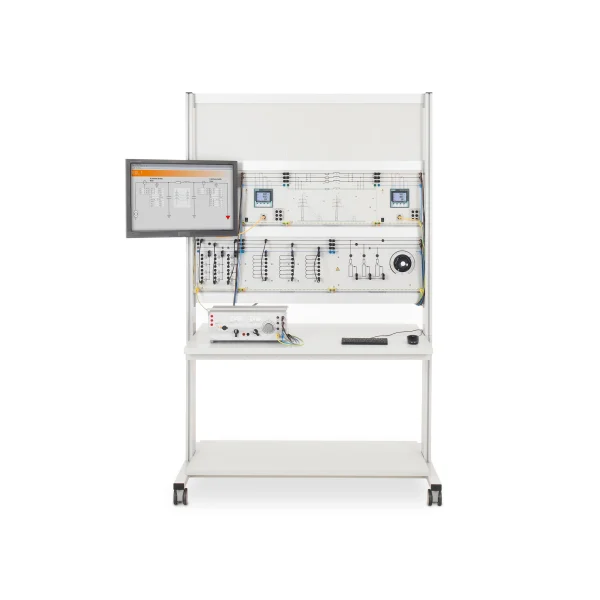
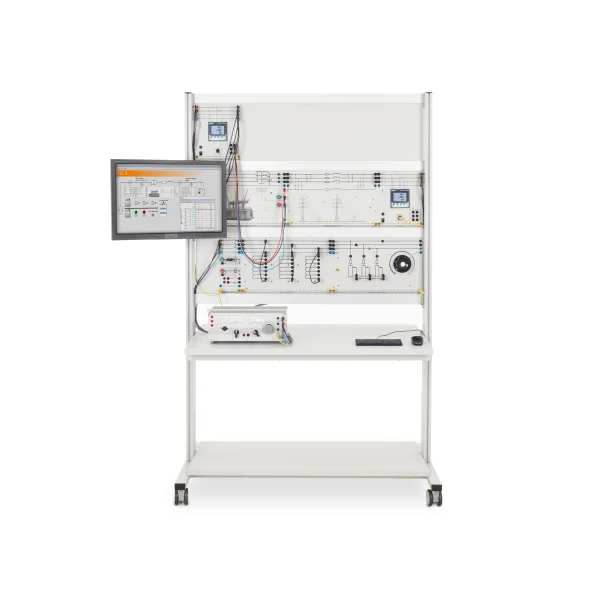
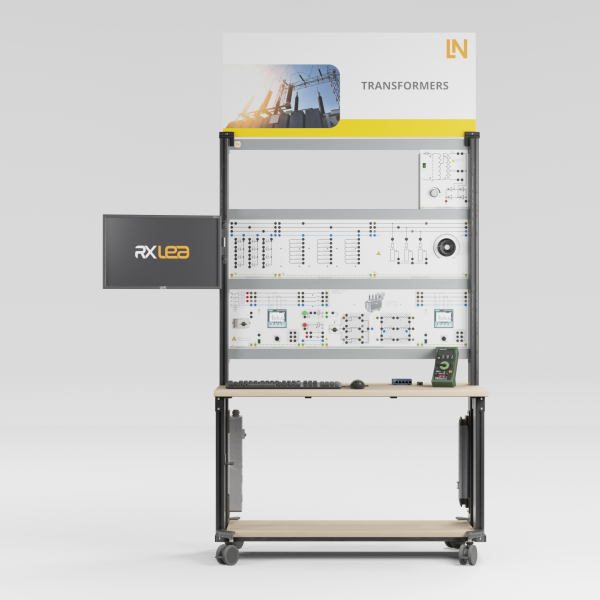
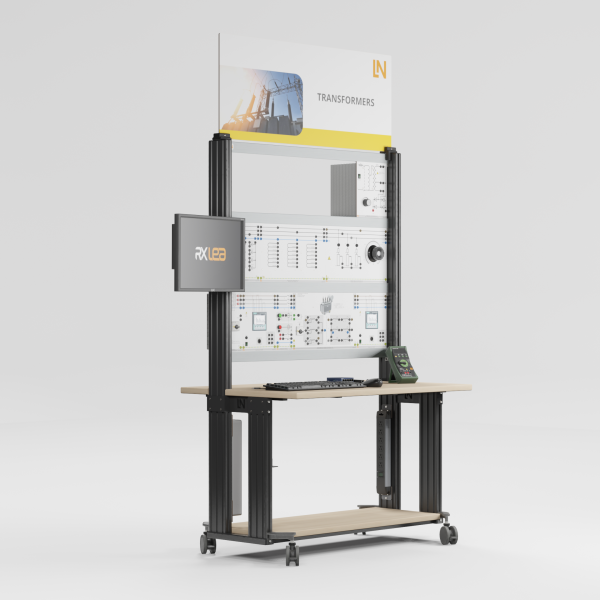
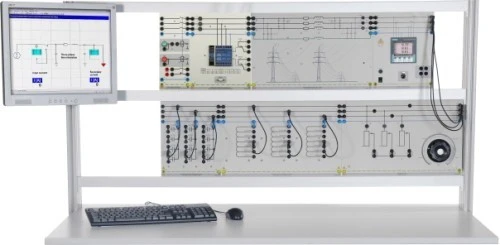
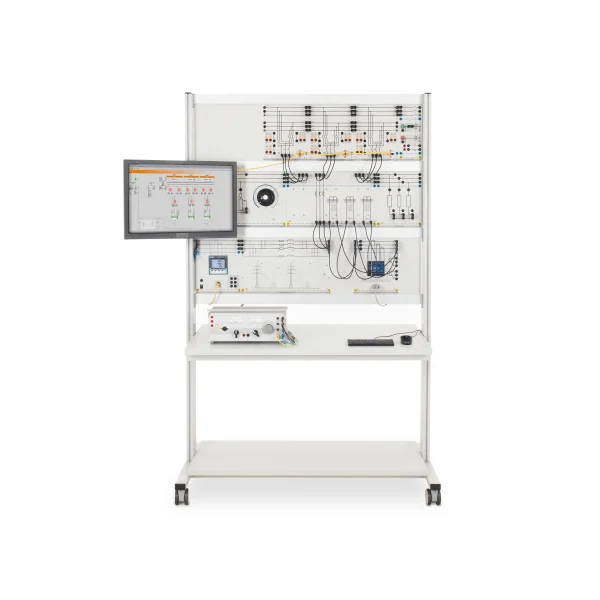
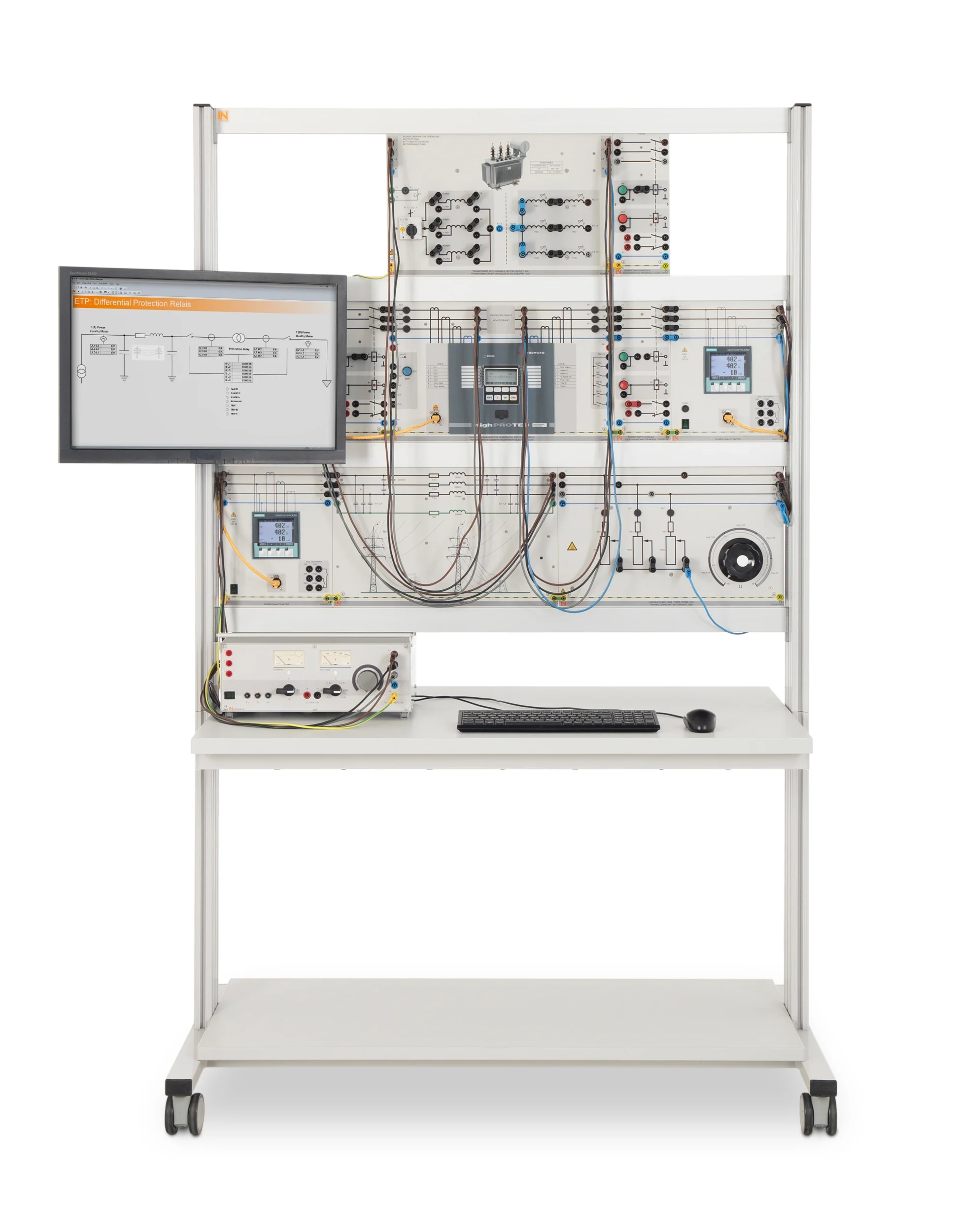
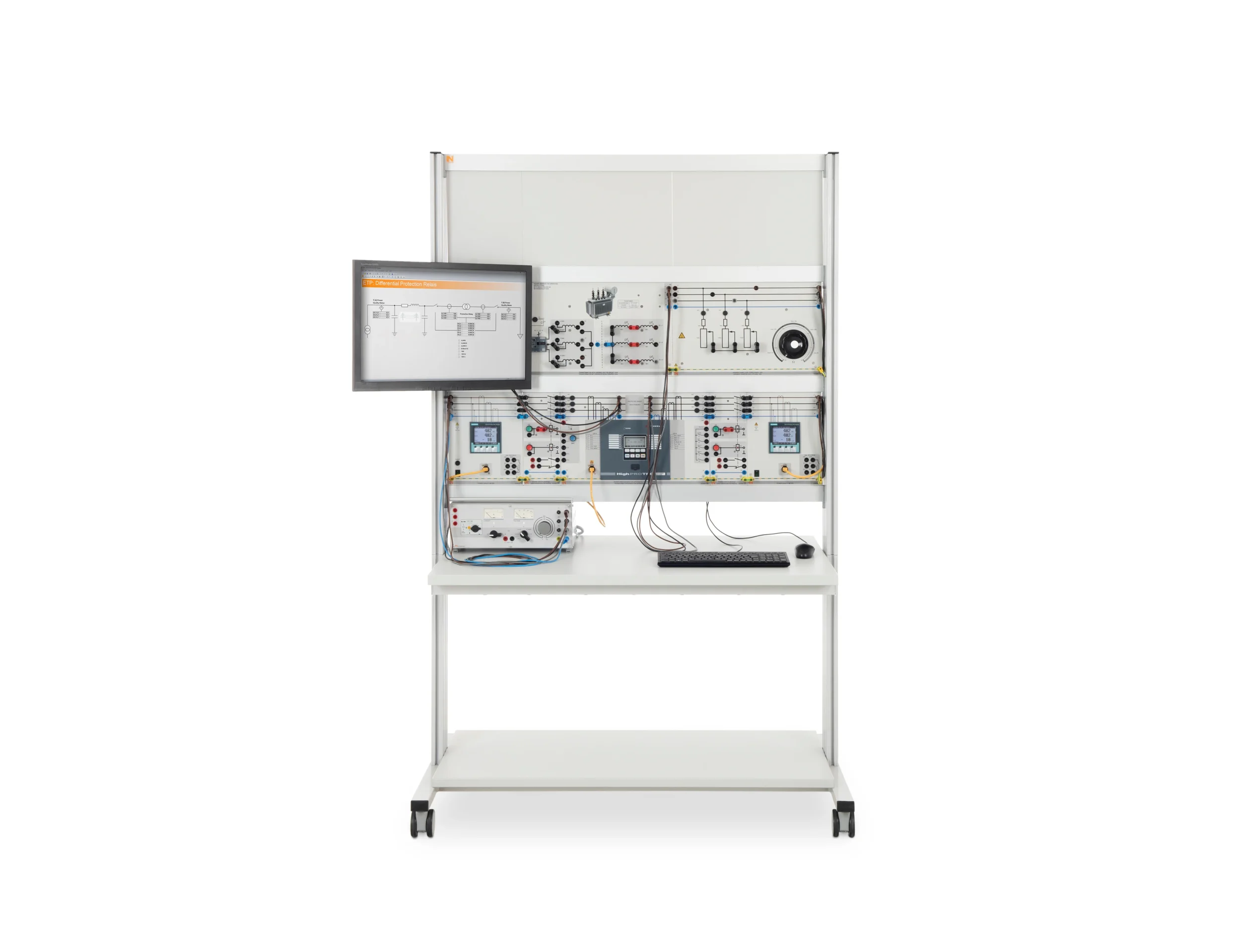
Complete equipment set for measurement-based investigation of transformer differential protection and time-overcurrent protection in three-phase networks. Students parameterize a real protective relay and test how it responds to faults.

Learning Content
  • Explaining protection principles
  • Parameterizing the protective relay
  • Calculating pick-up values and tripping characteristics
  • Investigating behavior during short circuits
KEY FEATURES
  • Differential protection on a real protective relay
  • Inrush current stabilization against false tripping
  • Recreating specific operating and fault conditions
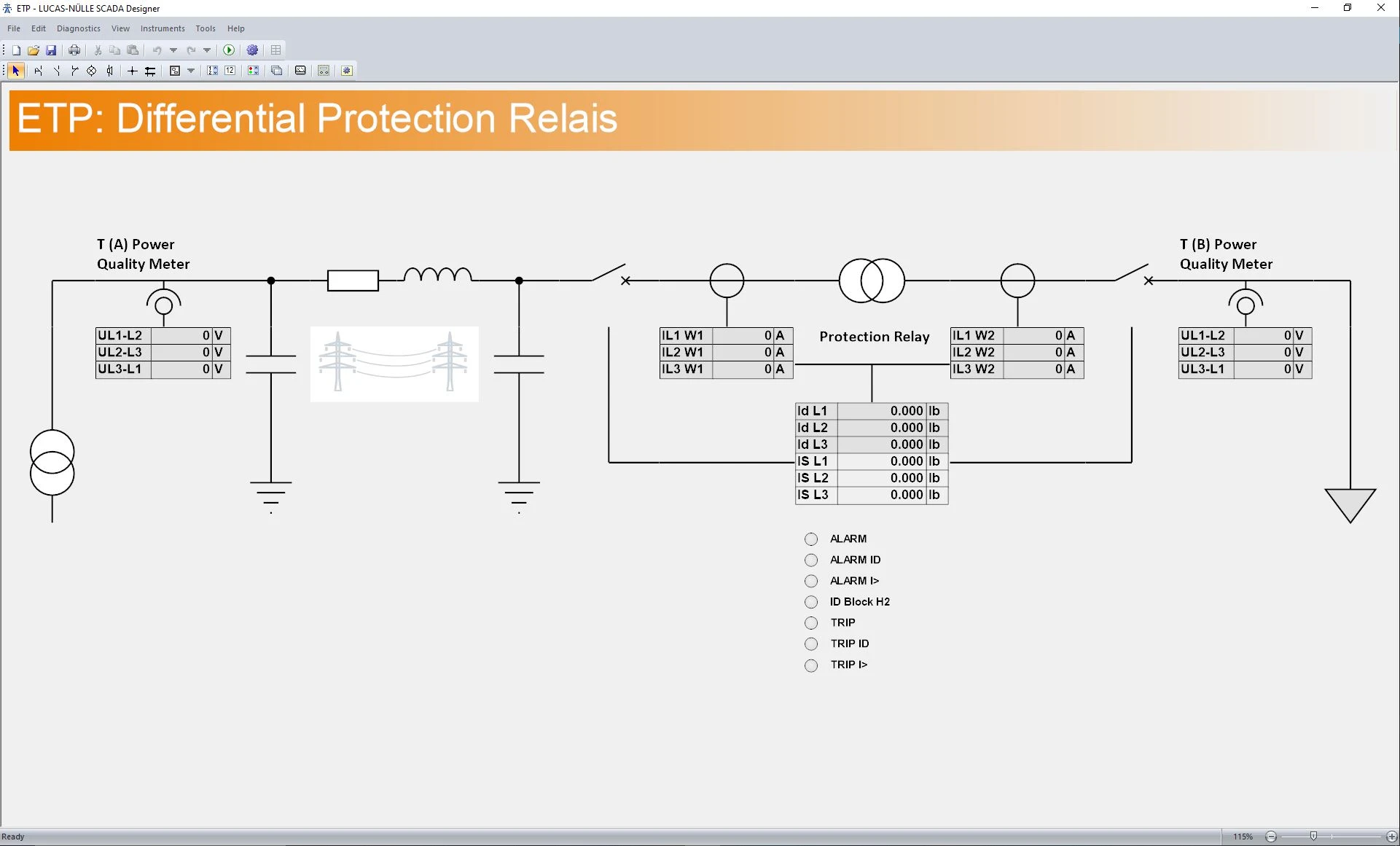
  • Guided experiments with the SCADA Viewer
Speak with a Product Specialist +1 (757) 808-5696 · sales@lucas-nuelle.com

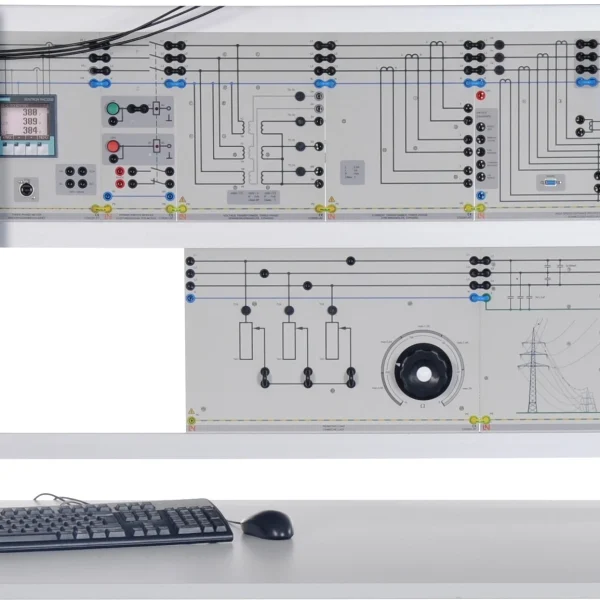
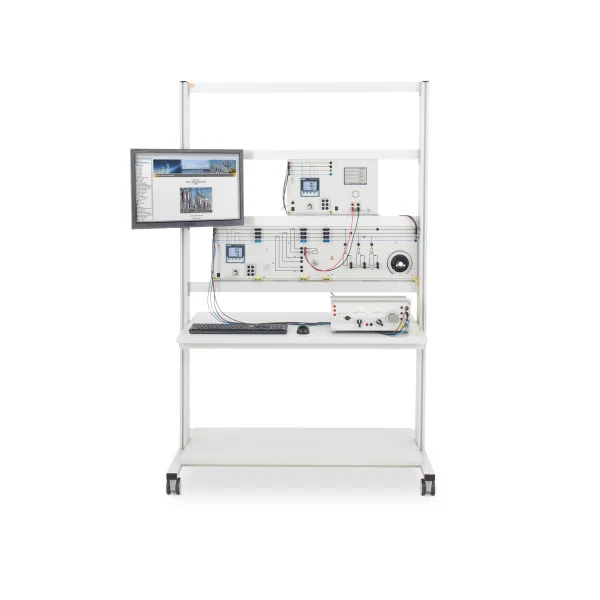
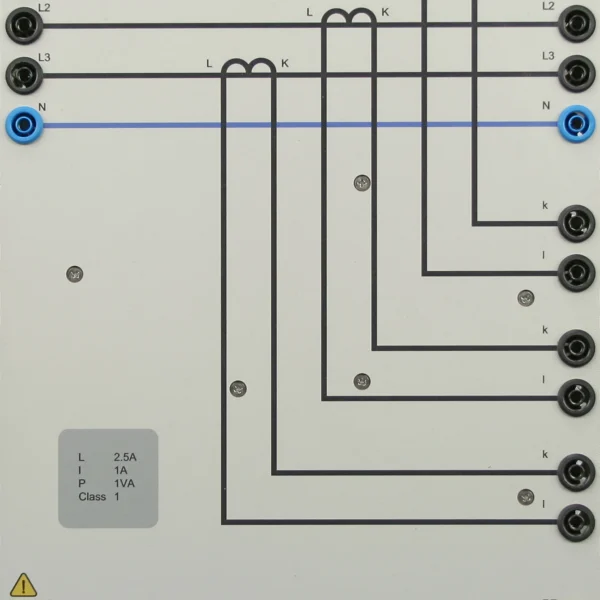
Power transformers transfer energy between voltage levels. Differential protection and time-overcurrent protection have to clear internal short circuits and overloads quickly and selectively without tripping falsely when the transformer is energized. This equipment set covers the complete scenario: an industrial protective relay, a multi-function transformer with a variable vector group, a line model, circuit breaker modules and measuring equipment on the panel system. Students parameterize the protection functions on the PC, set symmetrical and asymmetrical short circuits and observe the tripping. They analyze tripping characteristics, investigate the inrush effect and evaluate fault records. By the end, they can set up a protection system themselves and justify its behavior.

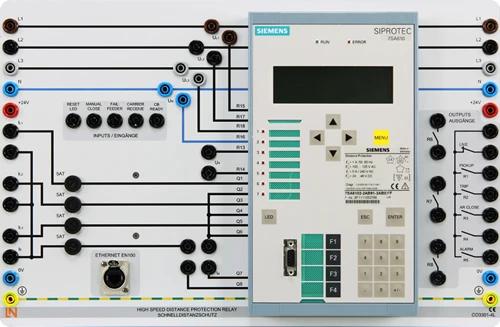
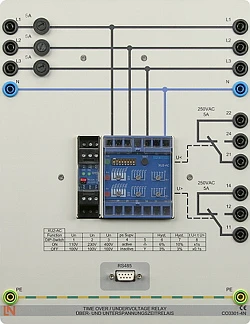
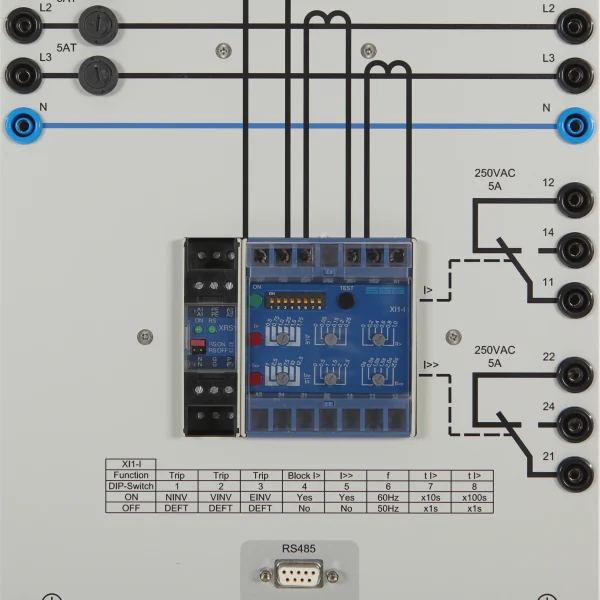
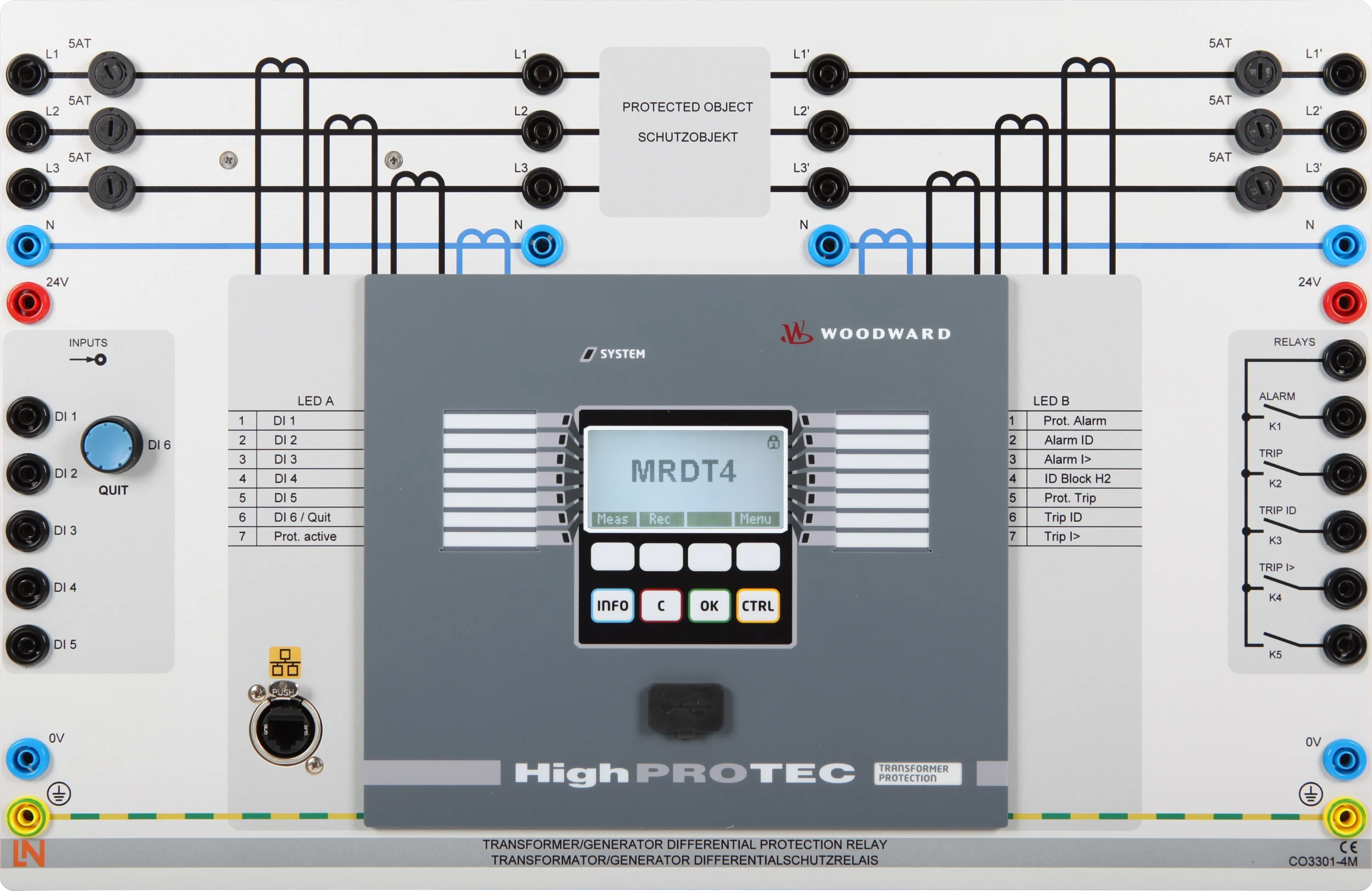
CO3301-4MTransformer / Generator differential protection relay
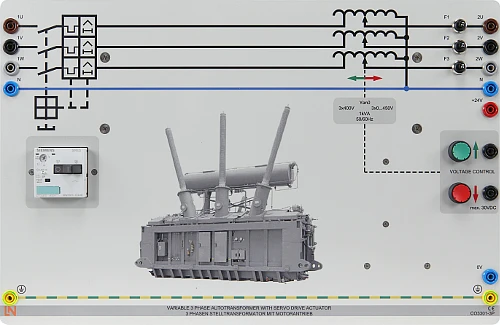
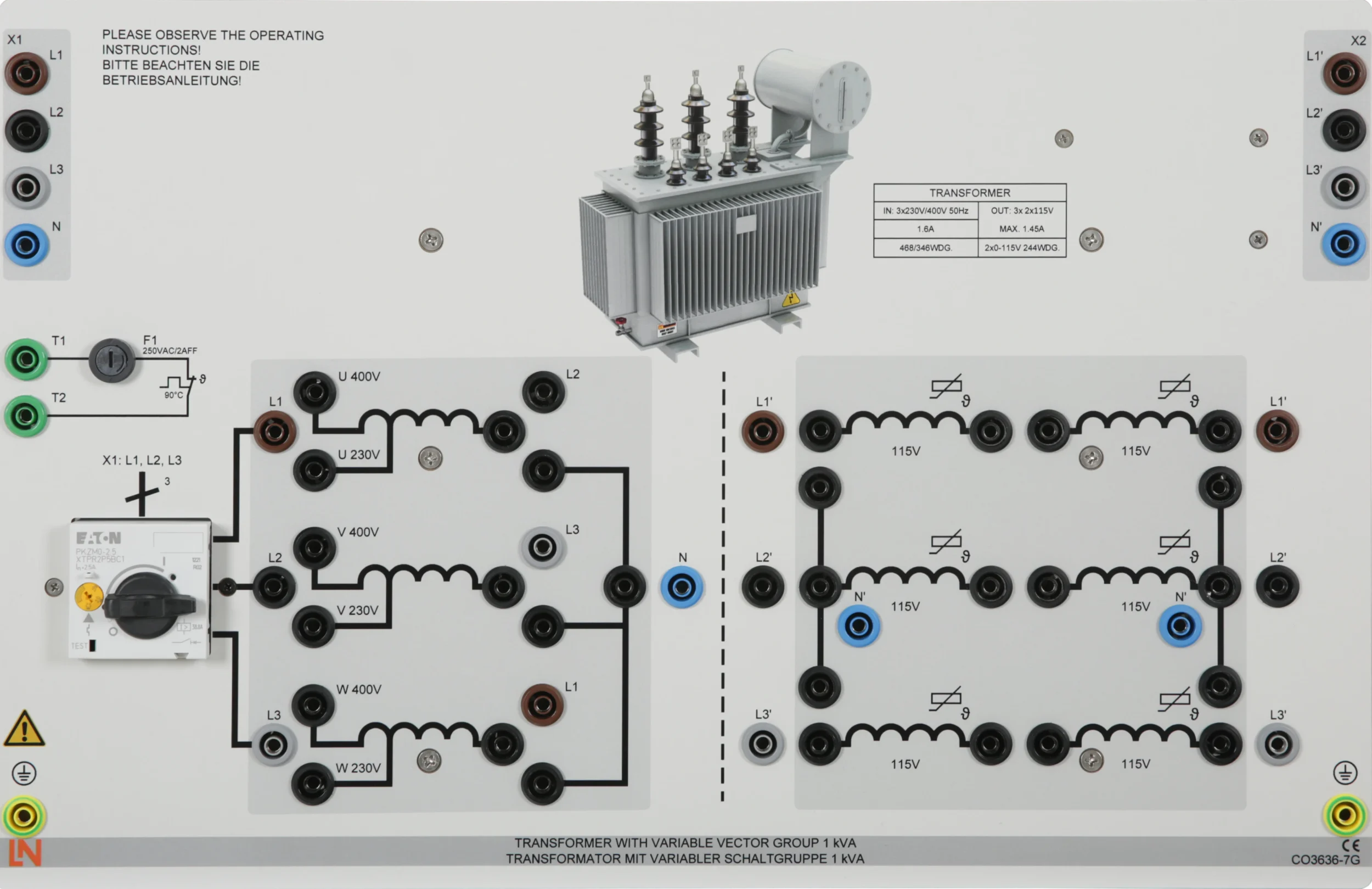
CO3636-7GMulti-function transformer 1 kVA
CO3301-5PPower switch module
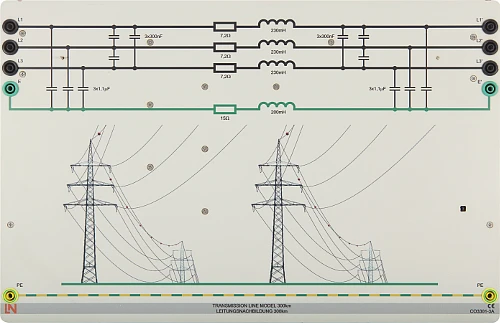
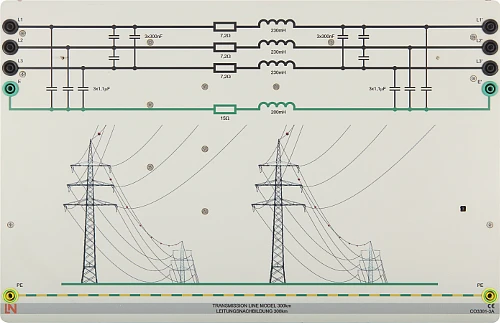
CO3301-3ATransmission line Model 150km/300km (93.2miles/186.4miles)
CO3301-3FVariable Ohmic load, three-phase, 1kW
SO2800-9DInteractive Lab Assistant: Protection for transformers
SO4001-3HSoftware SCADA Viewer
CO3301-3ZAdjustable 3-phase power supply, 0-450V/2A
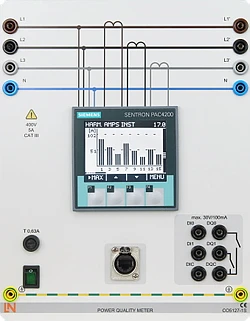
CO5127-1SThree-phase power quality meter with display and long-term memory
LM9057Patch cable Cat5E 1x 1m yellow, 2x 2m yellow
LM8257USB 2.0 Ethernet adapter, 10/100
LM99885-Port Ethernet Switch
ST8010-4JMultiple socket outlet, 6 fold, with illuminated switch
ST7200-7ASybaPro experiment trolley, 3-level, 6 sockets, 1250x1970x800mm
ST8010-4TMonitor holder for flat screen monitor of weight up to 15kg / 33lbs
ST7200-5LProtection cover for three-level experiment trolleys
ST8010-4GKeyboard adapter for flat screen monitor holders
ST8000-4PDisplay for Transformers equipment
SO5126-3RSafety connecting plug 4mm with tap (2x), black, 1000V/32A CAT II
SO5126-3VSafety connecting plug 4mm with tap (2x), blue, 1000V/32A CAT II
SO5126-3WSafety connecting plug 4mm with tap (2x), green/yellow, 1000V/32A CAT II
SO5148-1LSet of safety measurement cables, 4mm (31 leads)

Learning Content in Detail

Students work through protection engineering from the basic principle to the settings on the device: calculating characteristics, parameterizing relays, measuring fault cases and evaluating tripping behavior.

Explaining protection principles

Students describe the design and operating principle of transformer differential protection and time-overcurrent protection.

Parameterizing the protective relay

Students set up the protective relay using the software and the device’s own control panel.

Calculating pick-up values and tripping characteristics

Students calculate the values for differential protection and time-overcurrent protection and set them on the relay.

Investigating behavior during short circuits

Students test the protection system with symmetrical and asymmetrical short circuits.

Analyzing vector groups and reversed CT polarity

Students measure the effects of vector groups, phase faults and reversed current transformer polarity.

Recording and stabilizing the inrush effect

Students measure the inrush current and check stabilization by means of the second harmonic.

Carrying out a low-voltage test

Students systematically verify the circuit setup with a low-voltage test.

Verifying selective tripping behavior

Students distinguish between faults inside and outside the protection zone and check selectivity.

Evaluating fault records and measured values

Students analyze signal waveforms using the SCADA Viewer and the relay’s fault recorder.

Assessing main and backup protection

Students investigate how the two protection levels interact in the event of a line outage or cable break.

Features & Applications

The experiments follow the tasks of power system protection: monitoring power transformers in substations, safely disconnecting internal faults and short circuits, and avoiding false tripping caused by inrush current peaks.
  • Differential protection on a real protective relay — Students investigate three-phase current differential protection and non-directional time-overcurrent protection on an industrial protective relay instead of a simulation.
  • Inrush current stabilization against false tripping — Switching on a transformer causes the inrush effect. Students investigate it and block tripping by analyzing the second harmonic.
  • Recreating specific operating and fault conditions — Symmetrical and asymmetrical short circuits, phase reversals and faults inside and outside the protection zone can be set and evaluated.
  • Guided experiments with the SCADA Viewer — The learning environment guides users step by step through the experiments. The SCADA Viewer displays all measured values in real time.
  • Parameterization using industrial software — Students configure protection parameters, tripping characteristics and transformer ratios directly on the PC, as is standard practice in professional plant operation.
  • Ground-fault, unbalanced-load and overload protection — The relay also provides ground-fault differential protection, unbalanced-load protection, thermal overload protection and circuit breaker failure protection.
  • Digital protective relay (CO3301-4M) — Three-phase differential and overcurrent protective relay with graphic LCD, 14 two-color LEDs and USB and Modbus TCP/IP interfaces.
  • 1 kVA multi-function transformer (CO3636-7G) — The vector group can be varied, for example to Dyn5, to replicate different winding connections. A motor protection circuit breaker protects the transformer.
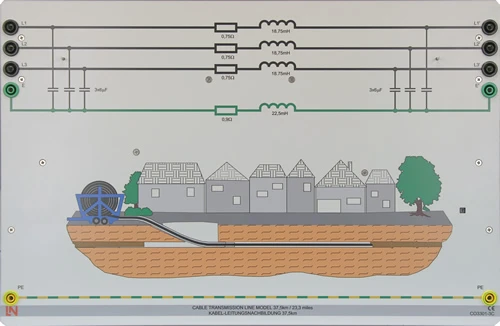
  • Line model 150 km / 300 km (CO3301-3A) — This three-phase model of a high-voltage transmission line allows measurements in various operating states. An overlay mask switches the length automatically.
  • Circuit breaker modules with remote control (CO3301-5P) — The modules have auxiliary contacts and a remote control input. In the event of a fault, they automatically disconnect all poles.
  • Power Quality Meter (CO5127-1S) — The digital three-phase meter records all grid parameters and harmonics. It comes with a graphic display and an Ethernet interface.
  • Variable resistive load, three-phase (CO3301-3F) — Three synchronously adjustable toroidal rheostats provide infinitely variable loading of the protection system in wye or delta connection.
  • Industrial software for protective relays — The software provides full parameterization of the protective relay, reads out the fault recorders and visualizes the measured values.
  • SCADA Viewer software — All measured values and system states of the three-phase network are displayed in real time. The software records them and makes them available for analysis.
Learners working with RXLea on a tablet at a Lucas-Nuelle training system
RXLea

From Knowledge Comes Capability.

You guide the learning

Where theory and practice go hand in hand.

RXLea brings a new way of learning: project-based, hands-on and clearly structured. Learners solve real-world tasks, while instructors save time on preparation. Interactive modules, smart analytics and real hardware create a modern, efficient learning world.

Hands-on and interactive

Animations, interactive tasks and realistic scenarios build a deep understanding. All content is organized into clear learning paths for focused, hands-on learning.

Digital support

3D assembly animations and digital instructions simplify complex procedures, reduce errors and help learners work more independently.

Visual support

Overview graphics, screenshots and sample animations make the learning world transparent. Photos from the learning packages are also available, including country-specific versions where needed.


Learners using a tablet at an energy training system
RXLea on desktop, laptop and tablet
RXLea Path Creator for building learning journeys
RXLea Navigator showing the learning world
Learn more about RXLea
Newsletter

Stay ahead in
technical training.

Get the latest training systems, product launches and educational insights, delivered directly to your inbox.

Your email address

By subscribing, you agree to our Privacy Policy. You can unsubscribe at any time.

 Please select at least one category before subscribing.
I'm interested in - select all that apply