

Skip to content

High-Speed Distance Protection

RXLea
Digital projects for hands-on learningInteractive learning content, directly connected to the training system.

High-Speed Distance Protection

ELP71PT

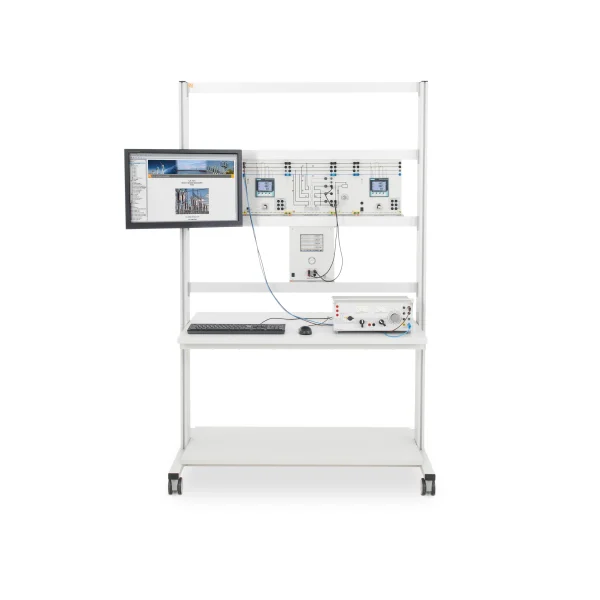
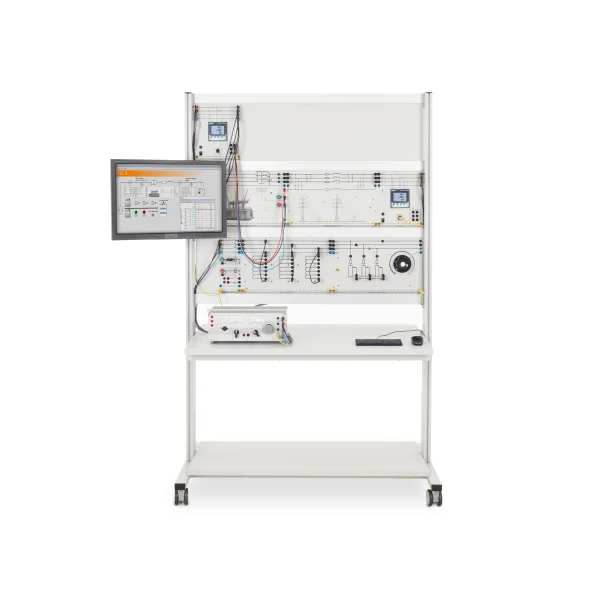
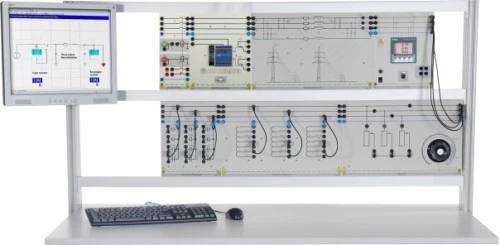
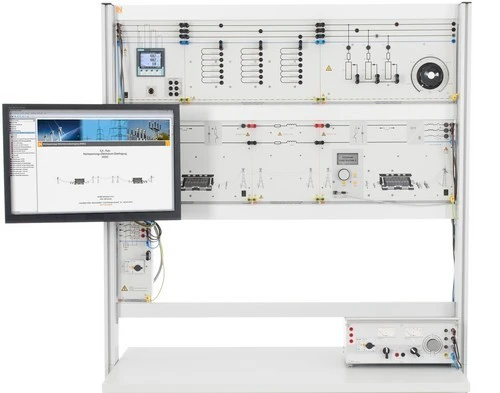
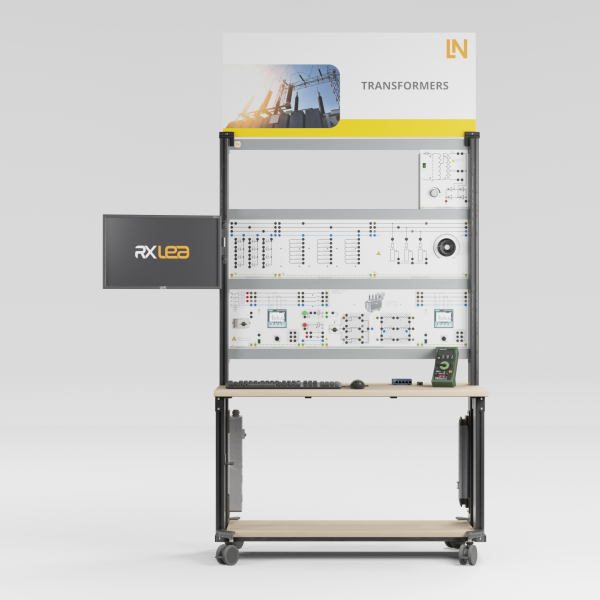
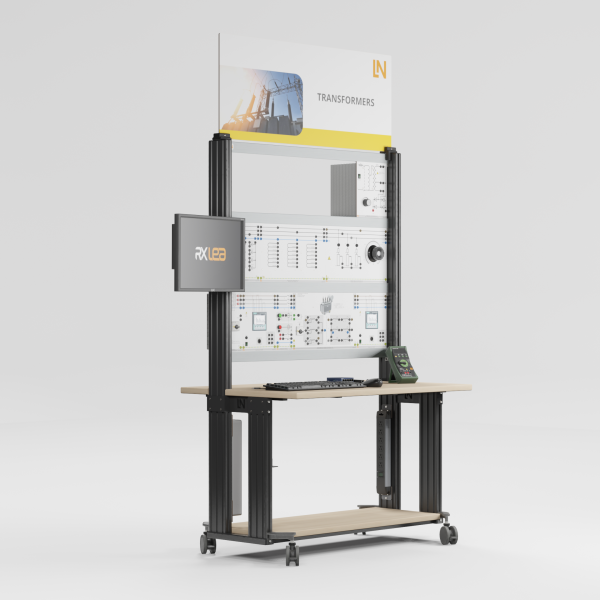
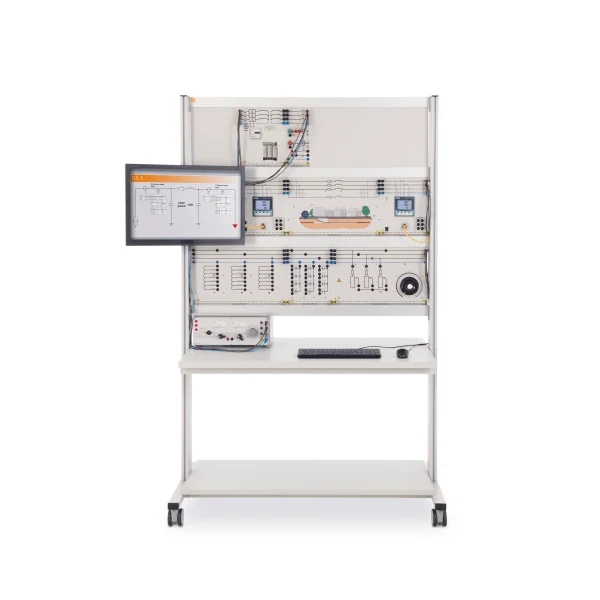
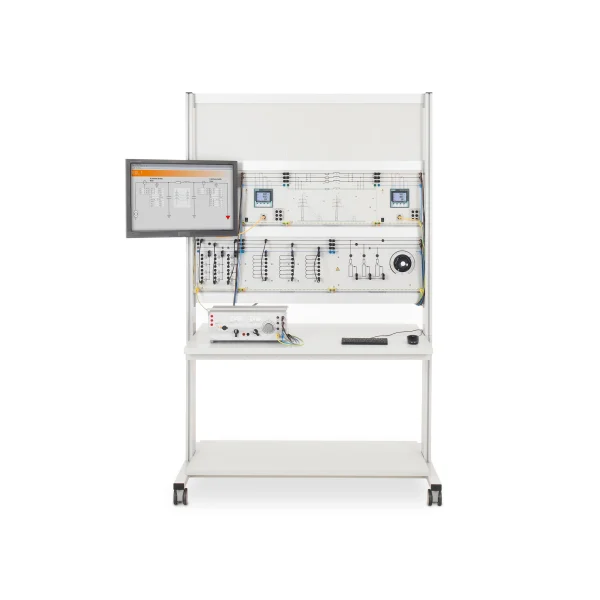
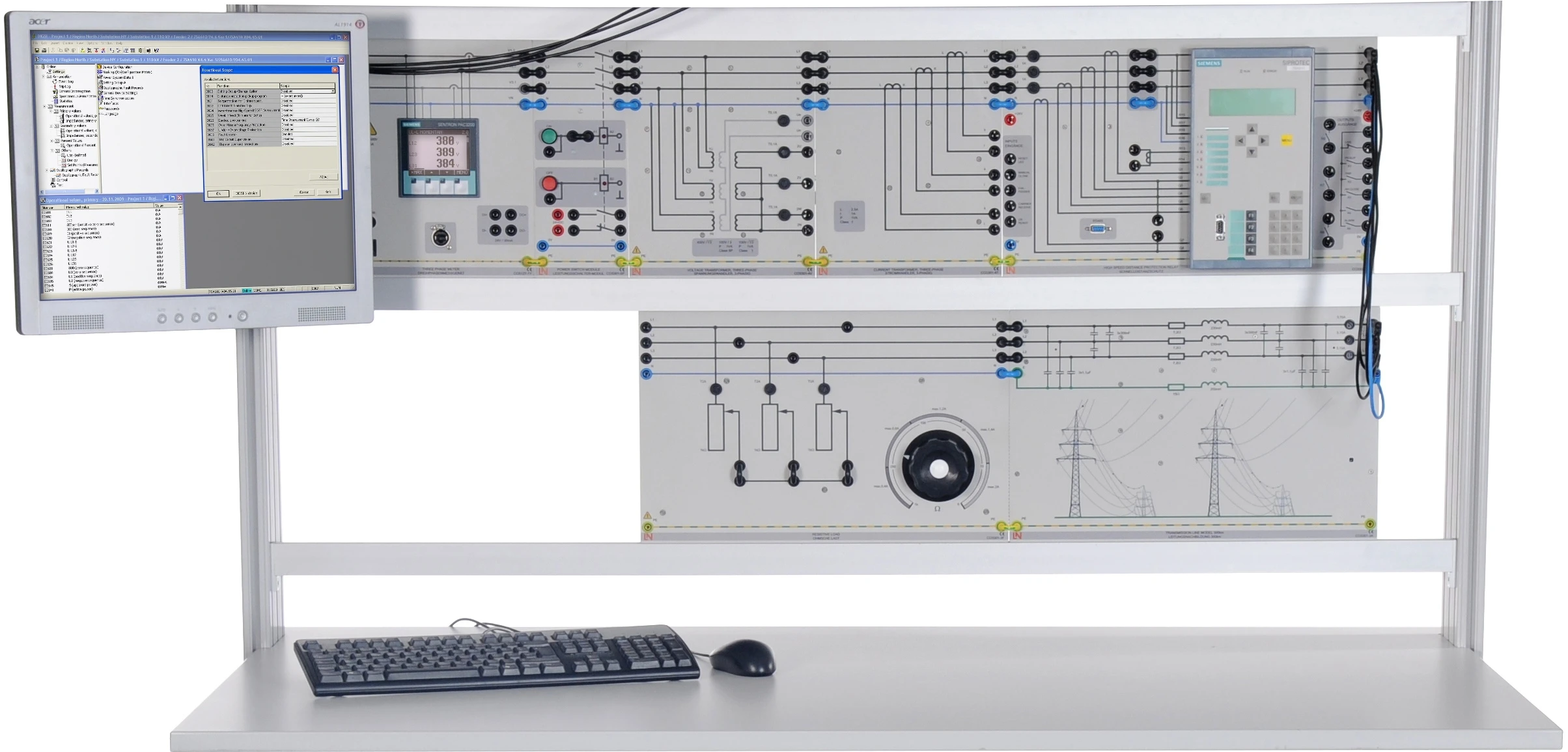
Equipment set for high-speed distance protection: students calculate line impedances, transfer the coordination plan and polygonal characteristic to an original relay and test the tripping behavior on a 600 km line model.

Learning Content
  • Working out the coordination plan
  • Transferring the polygonal characteristic
  • Parameterizing the relay with industrial software
  • Testing tripping behavior in the event of a fault
KEY FEATURES
  • Determining the fault location via the impedance
  • Six configurable distance zones
  • Choosing a polygonal or circular characteristic
  • Parameterization with industrial software
Speak with a Product Specialist +1 (757) 808-5696 · sales@lucas-nuelle.com

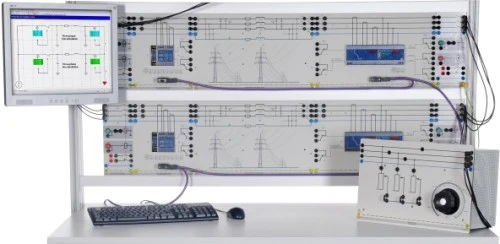
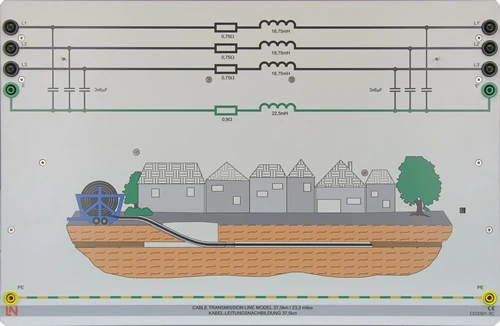
Because of its high selectivity, distance protection is used primarily in meshed high-voltage and extra-high-voltage grids. The protection device determines the impedance from current and voltage and uses it to establish the distance and direction of the fault. Using a graded stepped characteristic, it disconnects the affected line section at high speed. The equipment set replicates a 600 km line section made up of two line models with current and voltage transformers. Students calculate the line impedances, create a multi-stage coordination plan and transfer the line impedance characteristic and polygons to the relay via the Ethernet interface using industrial software. They then test the tripping behavior for short circuits inside and outside the protection zone.

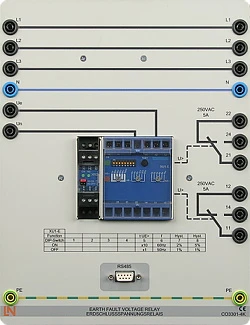
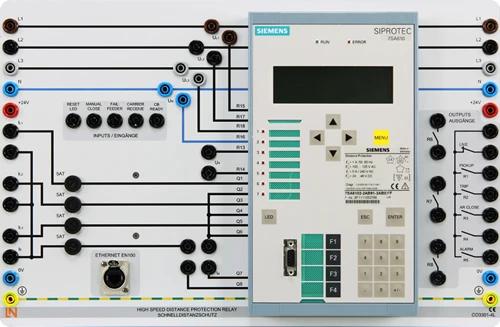
CO3301-4LHigh-speed distance protection relay
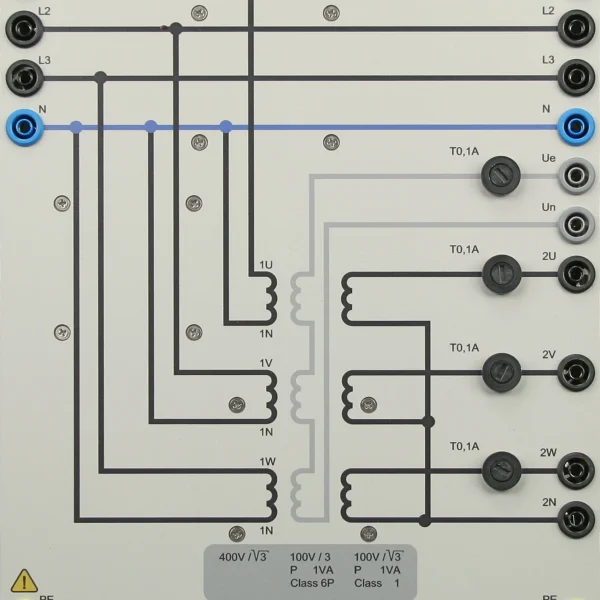
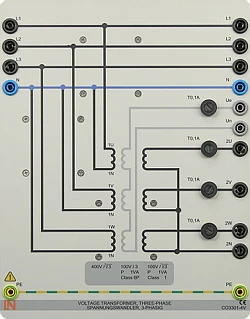
CO3301-4VVoltage transformer, 3 phase
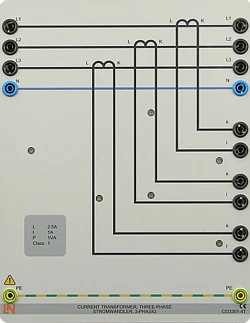
CO3301-4TCurrent transformer, 3 phase
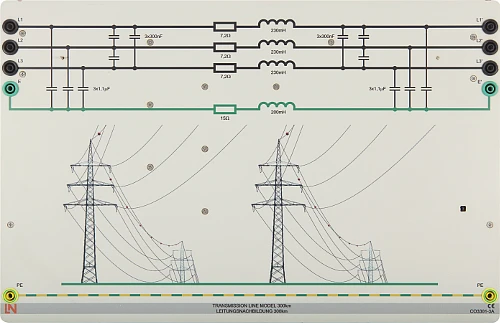
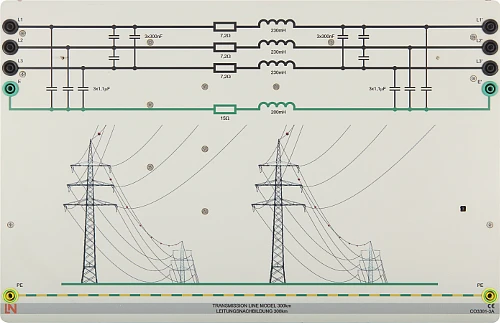
CO3301-3ATransmission line Model 150km/300km (93.2miles/186.4miles)
CO3301-3FVariable Ohmic load, three-phase, 1kW
CO3301-5PPower switch module
SO2800-6LInteractive Lab Assistant: Protective systems for high-voltage transmission line
SO4001-3HSoftware SCADA Viewer
CO3301-3ZAdjustable 3-phase power supply, 0-450V/2A
CO5127-2SPower Quality Meter mit Grafikdisplay und Langzeitspeicher
LM2330Multi13S digital multimeter
LM9057Patch cable Cat5E 1x 1m yellow, 2x 2m yellow
LM8257USB 2.0 Ethernet adapter, 10/100
LM99885-Port Ethernet Switch
ST8010-4JMultiple socket outlet, 6 fold, with illuminated switch
LM9025Interface converter USB/RS485
ST7200-7ASybaPro experiment trolley, 3-level, 6 sockets, 1250x1970x800mm
ST8010-4TMonitor holder for flat screen monitor of weight up to 15kg / 33lbs
ST7200-5LProtection cover for three-level experiment trolleys
ST8010-4GKeyboard adapter for flat screen monitor holders
ST8000-4LDisplay for Power Transmission equipment
SO5126-3RSafety connecting plug 4mm with tap (2x), black, 1000V/32A CAT II
SO5126-3VSafety connecting plug 4mm with tap (2x), blue, 1000V/32A CAT II
SO5126-3WSafety connecting plug 4mm with tap (2x), green/yellow, 1000V/32A CAT II
SO5148-1LSet of safety measurement cables, 4mm (31 leads)

Learning Content in Detail

Students explore the coordination plan, transfer it to the protective relay and test the tripping behavior in the event of a fault.

Working out the coordination plan

Students calculate the line impedances and use them to create a multi-stage coordination plan for the distance zones.

Transferring the polygonal characteristic

Students sketch the line impedance characteristic and polygons and transfer the tripping characteristic to the protective relay.

Parameterizing the relay with industrial software

Students configure the protective relay via the Ethernet interface.

Testing tripping behavior in the event of a fault

Students test the tripping for short circuits inside and outside the protection zone of the line.

Features & Applications

The experiments focus on selective short-circuit protection in high-voltage and extra-high-voltage grids and on determining the fault location and power flow direction in meshed networks.
  • Determining the fault location via the impedance — The protective relay calculates the impedance from current and voltage and uses it to determine the distance and direction of the fault.
  • Six configurable distance zones — The graded stepped characteristic enables selective high-speed disconnection and also serves as backup protection for adjacent line sections.
  • Choosing a polygonal or circular characteristic — The tripping characteristic can be adapted to the line section and takes fault resistances into account, for example in the case of arcing faults.
  • Parameterization with industrial software — The relay is configured on the PC with industrial operating software via the integrated interface.
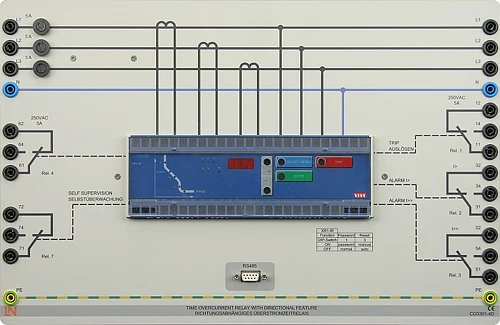
  • High-speed distance protective relay (CO3301-4L) — This compact original relay offers six distance zones, polygonal and circular characteristics, and overcurrent, voltage and frequency protection.
  • Voltage and current transformers (CO3301-4V, CO3301-4T) — These three-phase class 1 transformer sets supply current and voltage signals to the protective relay.
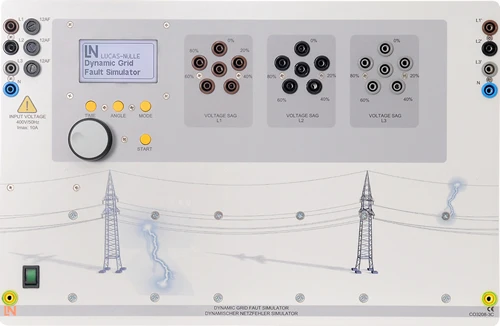
  • Line models 150 km / 300 km (CO3301-3A) — Two three-phase line models connected in series give a total length of 600 km, providing scope for several distance zones.
  • Circuit breaker modules (CO3301-5P) — The modules apply short circuits manually or by remote control at various points along the transmission line.
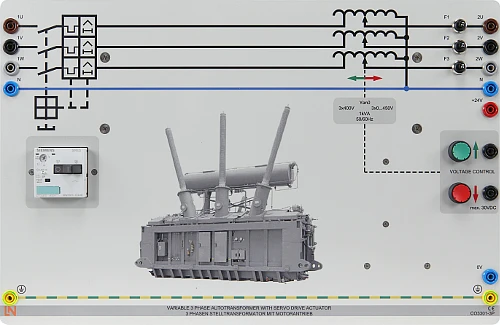
  • Variable three-phase power supply 0–450 V / 2 A (CO3301-3Z) — This infinitely variable power supply with motor protection circuit breaker provides a stable supply to the line network.
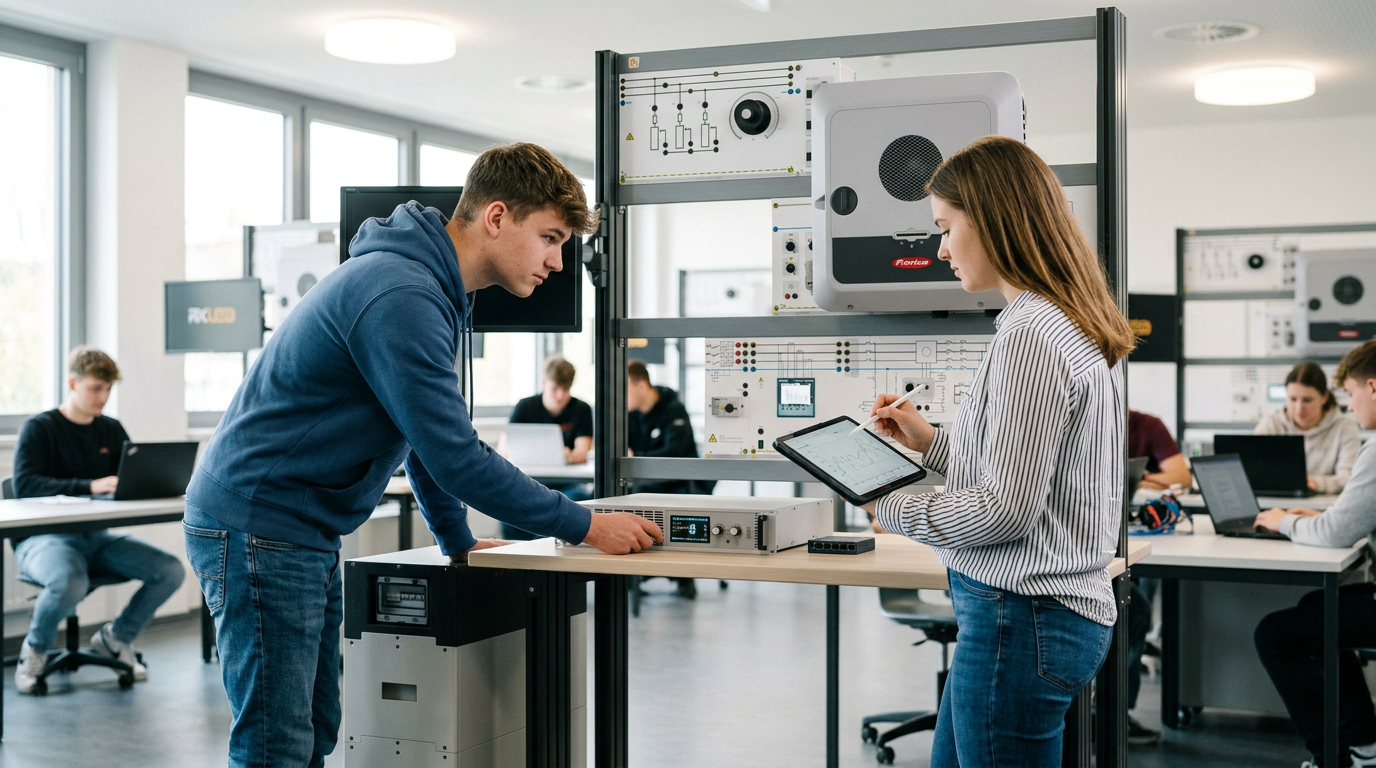
Learners working with RXLea on a tablet at a Lucas-Nuelle training system
RXLea

From Knowledge Comes Capability.

You guide the learning

Where theory and practice go hand in hand.

RXLea brings a new way of learning: project-based, hands-on and clearly structured. Learners solve real-world tasks, while instructors save time on preparation. Interactive modules, smart analytics and real hardware create a modern, efficient learning world.

Hands-on and interactive

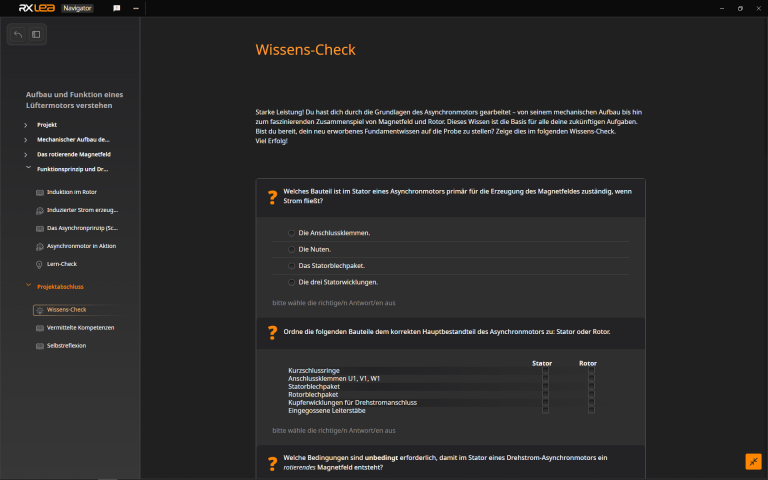
Animations, interactive tasks and realistic scenarios build a deep understanding. All content is organized into clear learning paths for focused, hands-on learning.

Digital support

3D assembly animations and digital instructions simplify complex procedures, reduce errors and help learners work more independently.

Visual support

Overview graphics, screenshots and sample animations make the learning world transparent. Photos from the learning packages are also available, including country-specific versions where needed.

Learners using a tablet at an energy training system
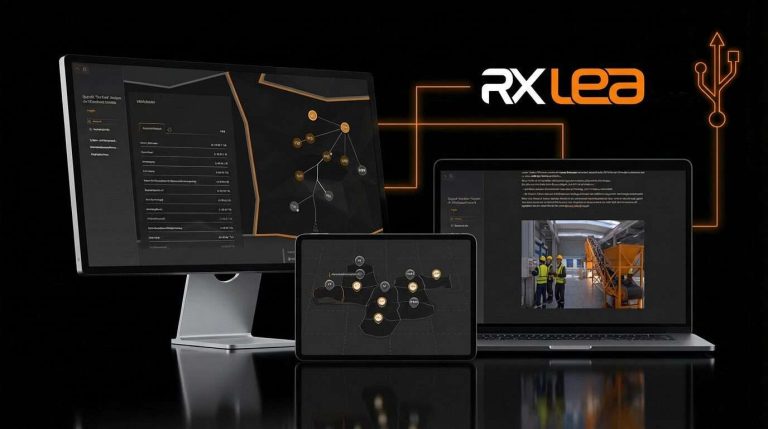
RXLea on desktop, laptop and tablet
RXLea Path Creator for building learning journeys
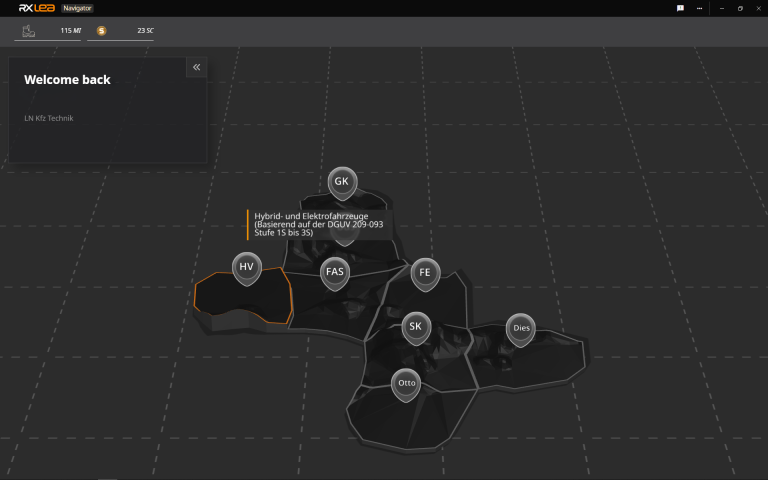
RXLea Navigator showing the learning world
Learn more about RXLea
Newsletter

Stay ahead in
technical training.

Get the latest training systems, product launches and educational insights, delivered directly to your inbox.

Your email address

By subscribing, you agree to our Privacy Policy. You can unsubscribe at any time.

 Please select at least one category before subscribing.
I'm interested in - select all that apply