


Magnetism/ Electromagnetism
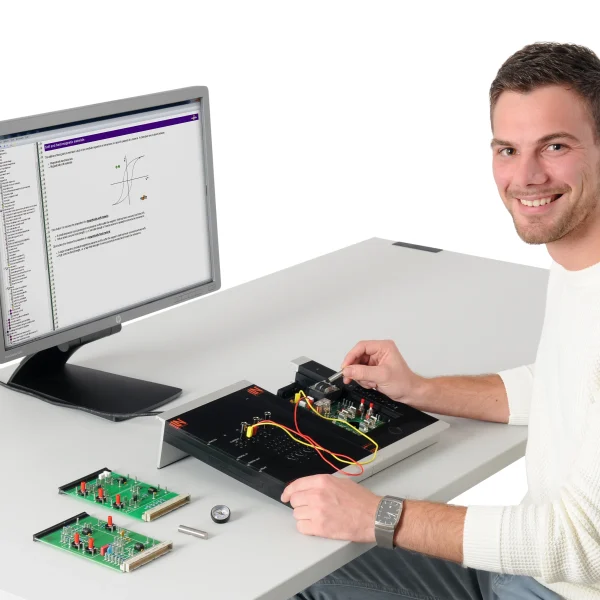
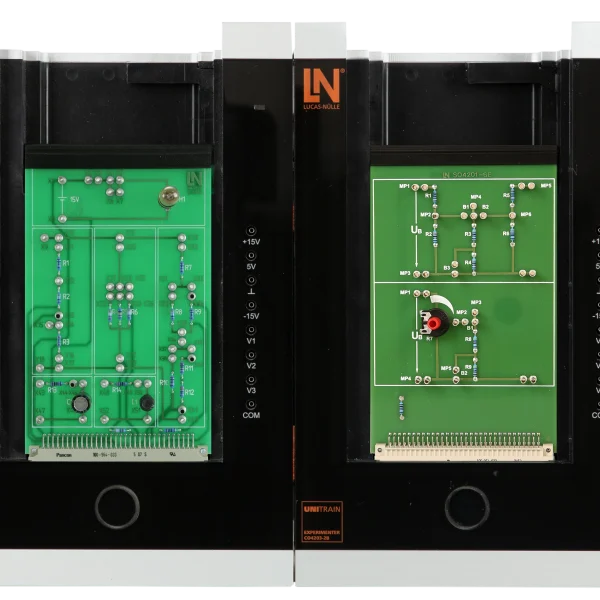
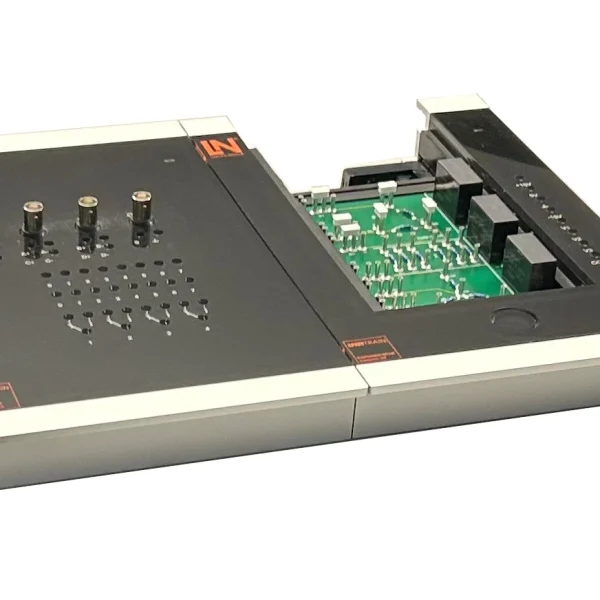
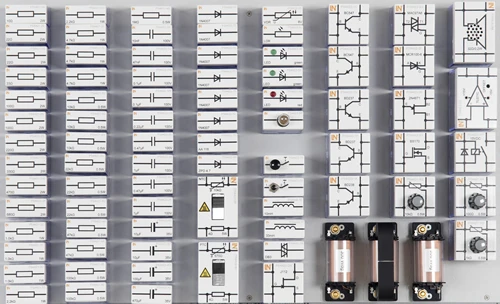
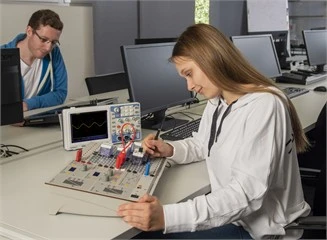
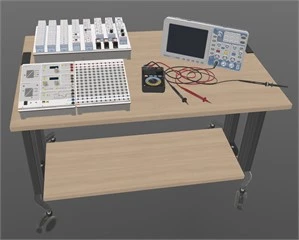
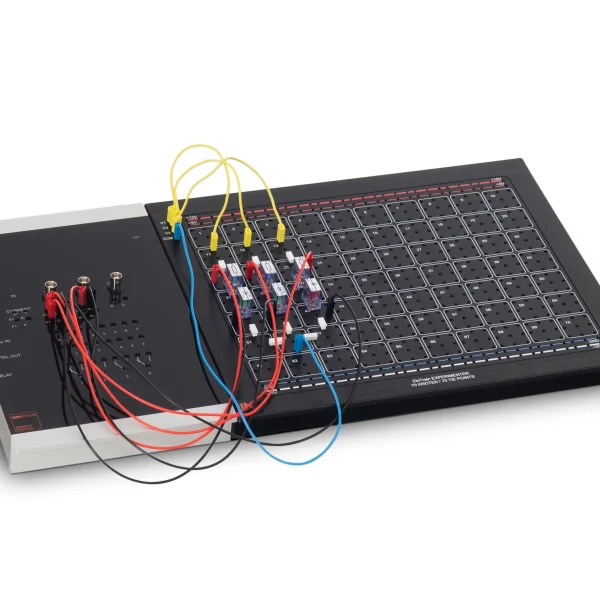
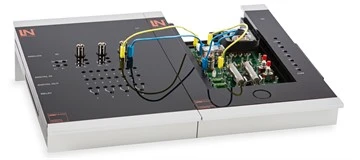
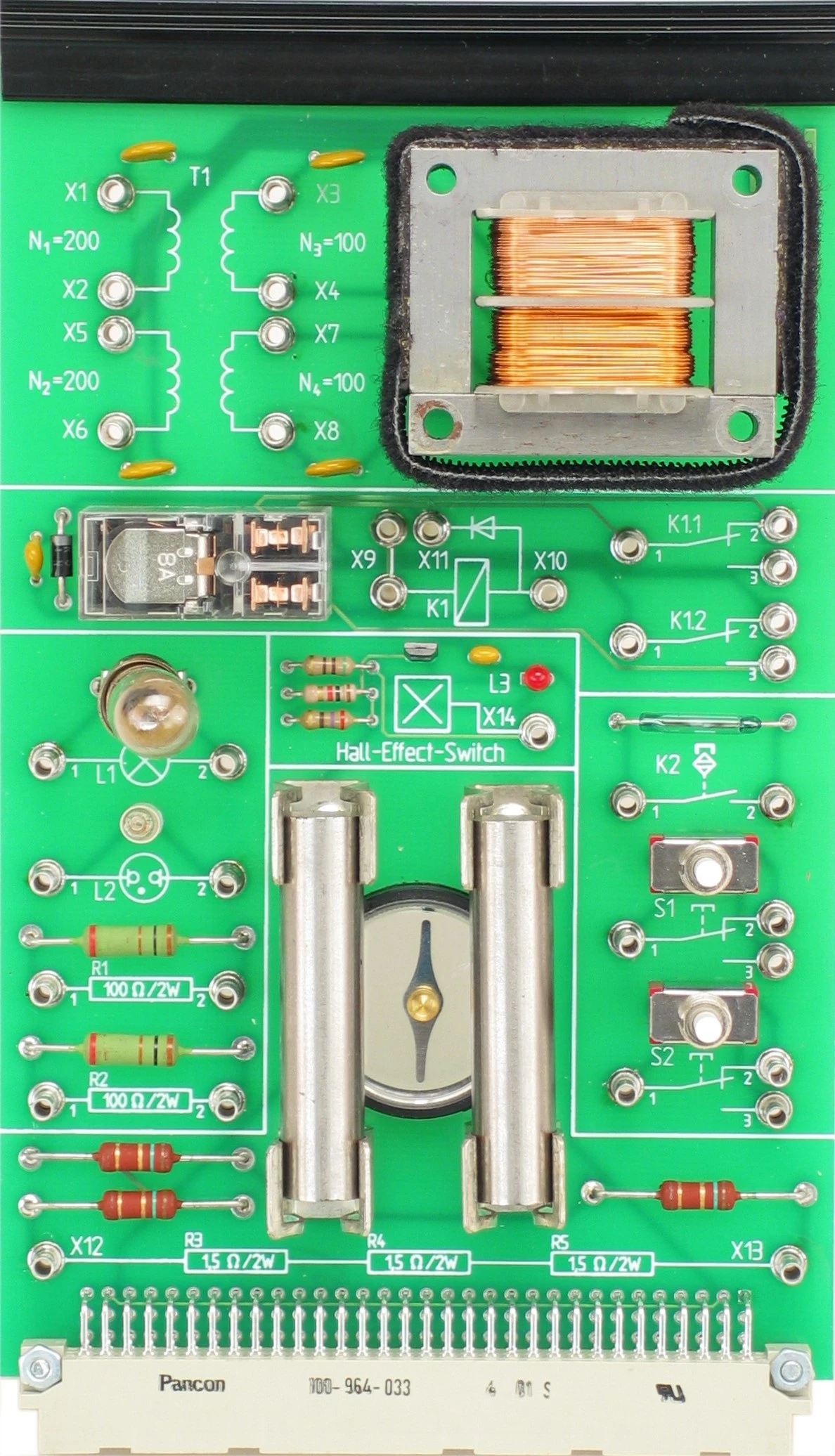
Compact UniTrain benchtop system for magnetism and electromagnetism: learners investigate fields, induction and electromagnetic components in seven experiment setups on one experiment card.
- Explaining the phenomenon of magnetism
- Naming magnetic materials
- Showing how magnetic materials are used
- Knowing and explaining field concepts
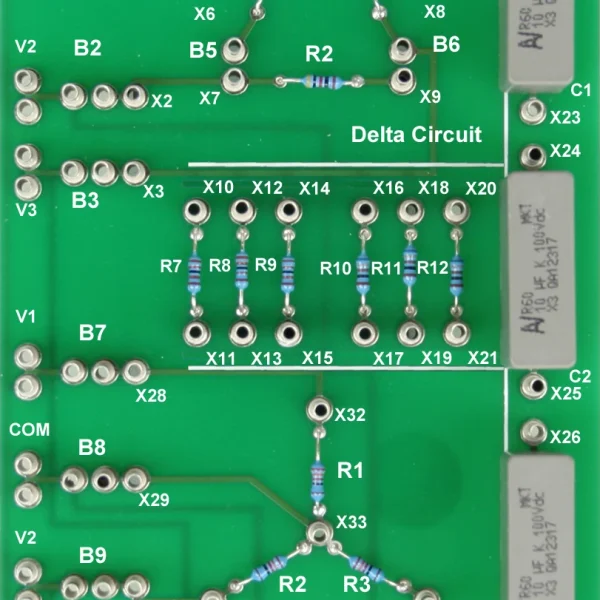
- Compact experiment card
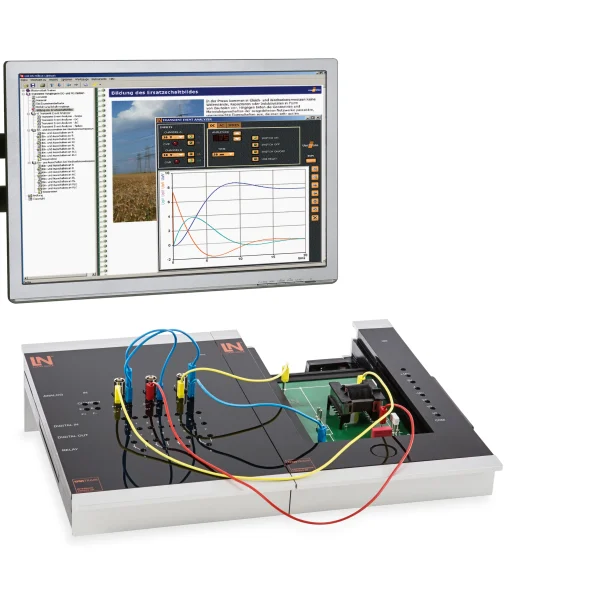
- Context-sensitive experiment instructions
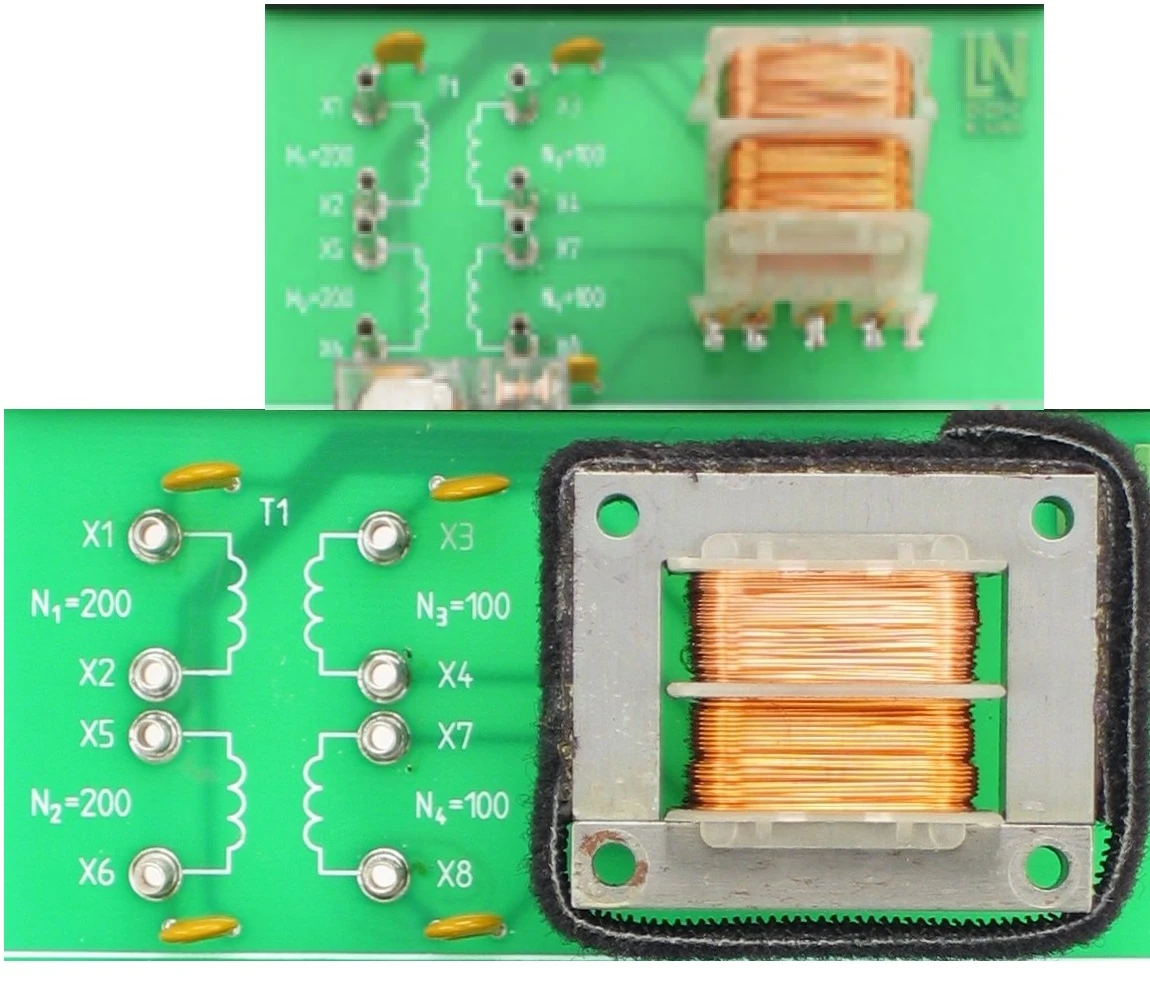
- Transformer with removable iron core
- Investigating the magnetic fields of magnets and conductors
Transformers, relays and sensors are based on magnetic operating principles. Those who understand these principles find faults in such components more quickly. The training system combines guided theory on the PC with measurements on real components on a pre-assembled experiment card. Learners use a compass to determine the field lines of permanent magnets and current-carrying conductors, investigate saturation and remanence in soft and hard magnetic materials, test Hall switches, relays and reed switches and determine the transformation ratio under load on the transformer with removable iron core. The glow lamp makes the self-induction voltage spike visible when an inductance is switched off.
| Course | |
| CO4204-4A | Course Electrical engineering 4: Magnetism/electromagnetism |
| Options | |
| LM2330 | Multi13S digital multimeteroptional |
| Accessories | |
| CO4203-2A | UniTrain Interface mit virtuellen Instrumenten (Basis VI) |
| CO4203-2J | UniTrain measurement accessories, shunts and connection cables |
| CO4203-2Y | UniTrain storage case for one UniTrain system |
| CO4203-2B | UniTrain Experimenter |
Learning Content in Detail
Explaining the phenomenon of magnetism
Naming magnetic materials
Showing how magnetic materials are used
Knowing and explaining field concepts
Investigating the magnetic field of a conductor and a coil
Explaining electromagnetic induction
Investigating the switch-on and switch-off behavior of an inductance
Explaining how the Lorentz force arises
Explaining the structure and function of the transformer
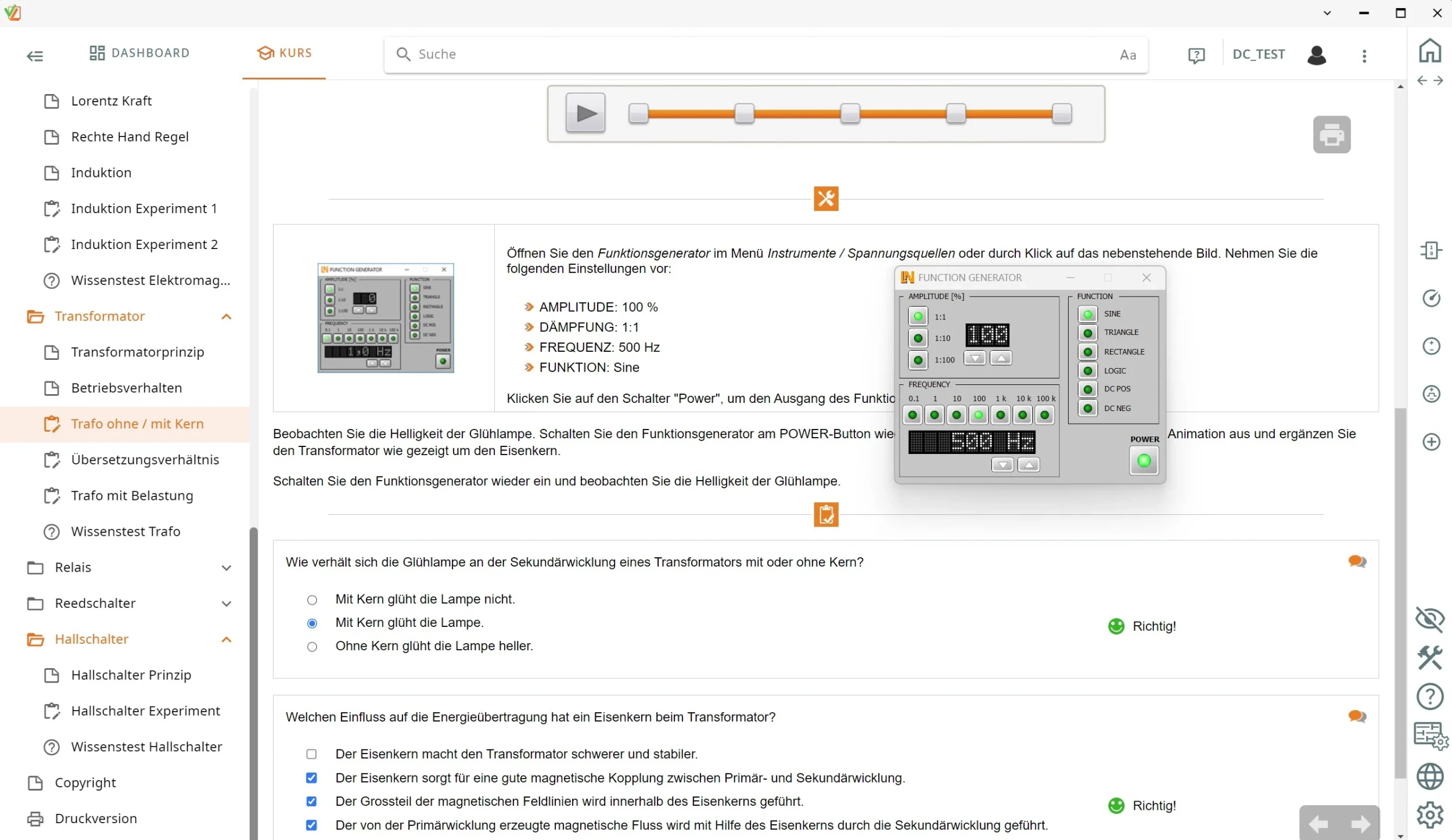
Investigating the influence of the iron core
Features & Applications
- Compact experiment card — The didactically structured experiment card combines seven self-contained experiment setups and allows learners to move on quickly to the next experiment.
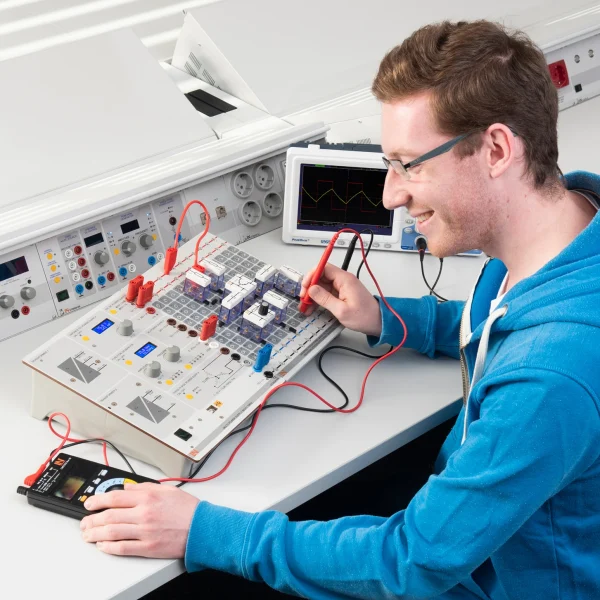
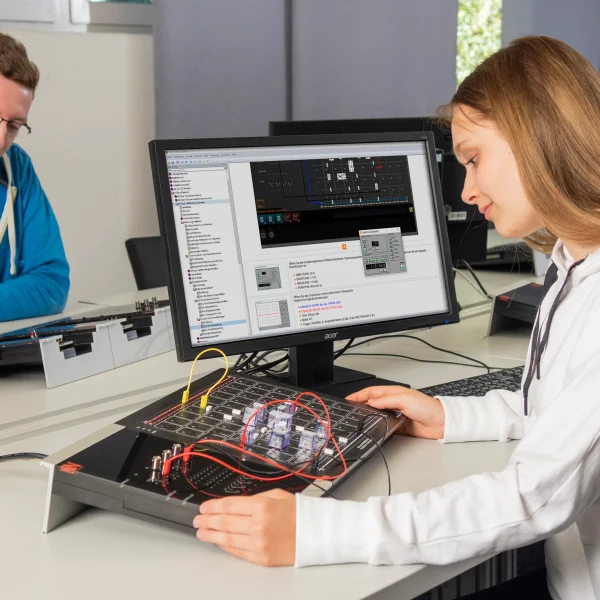
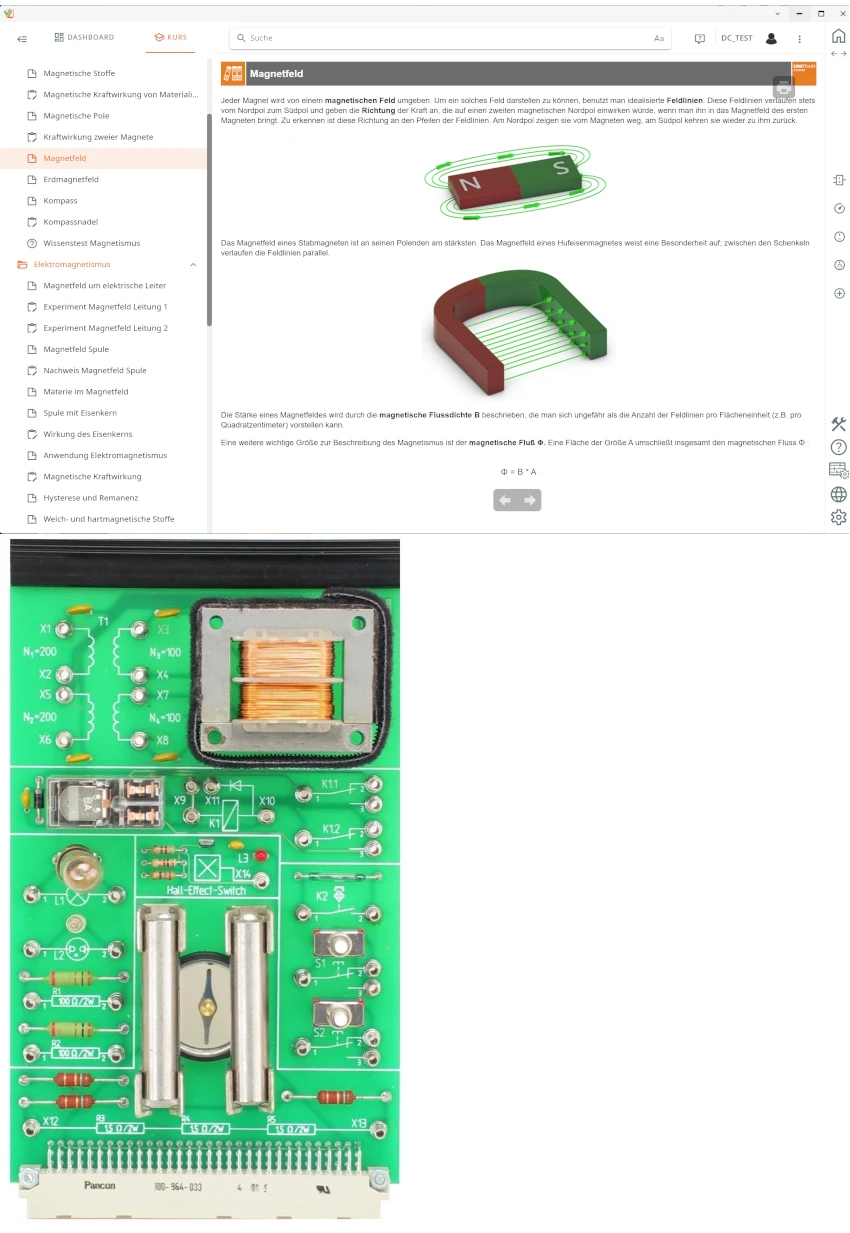
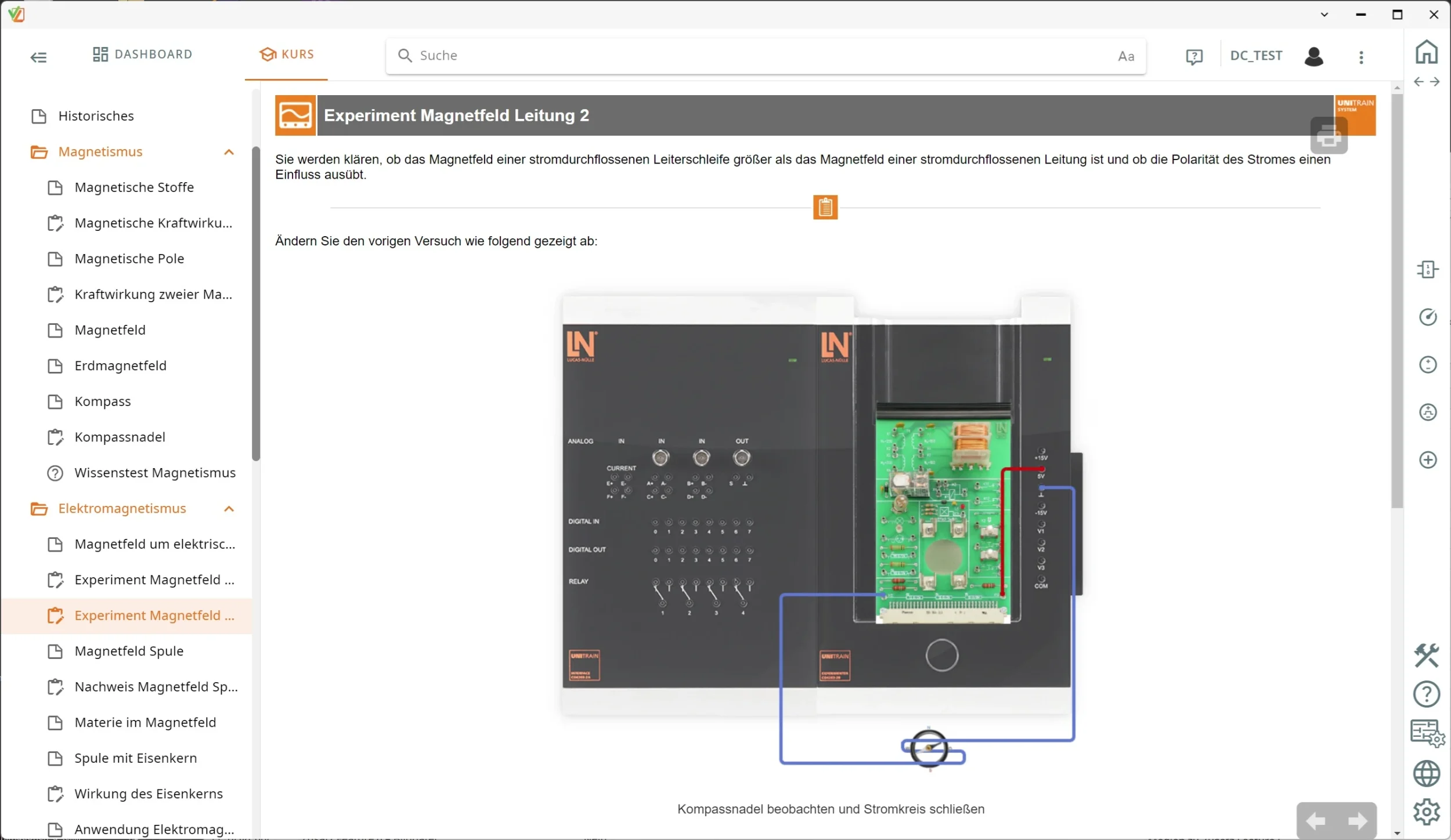
- Context-sensitive experiment instructions — Learners follow animated step-by-step instructions that link the real measurement tasks directly with the appropriate instruments.
- Transformer with removable iron core — It allows coils to be investigated with and without an iron core and enables numerous experiments on magnetic circuits and the transformer.
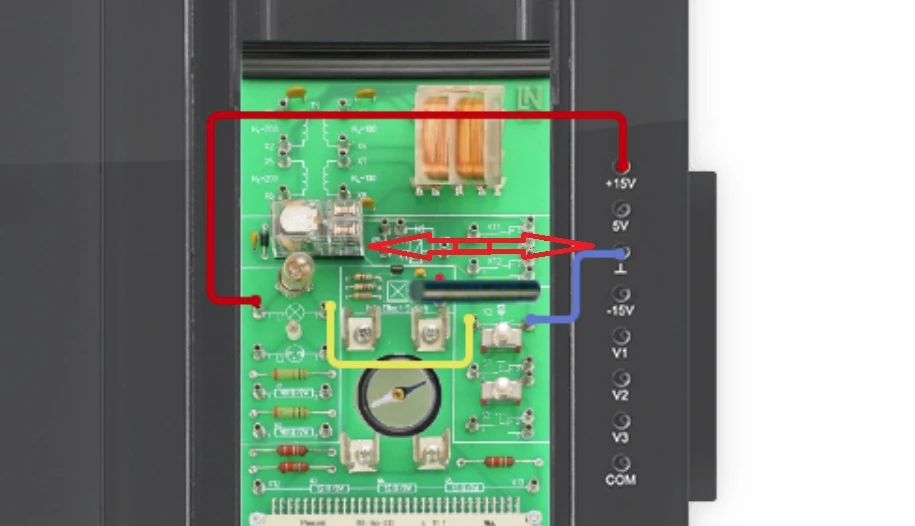
- Investigating the magnetic fields of magnets and conductors — Learners analyze the forces and poles of permanent magnets as well as the magnetic field of current-carrying conductors.
- Testing electromagnetic induction — Learners analyze the nonlinear behavior as well as saturation and remanence of soft and hard magnetic materials.
- Exploring electromagnetic components — Learners carry out experiments on the behavior of electromagnetic components such as Hall switches, relays and reed switches.
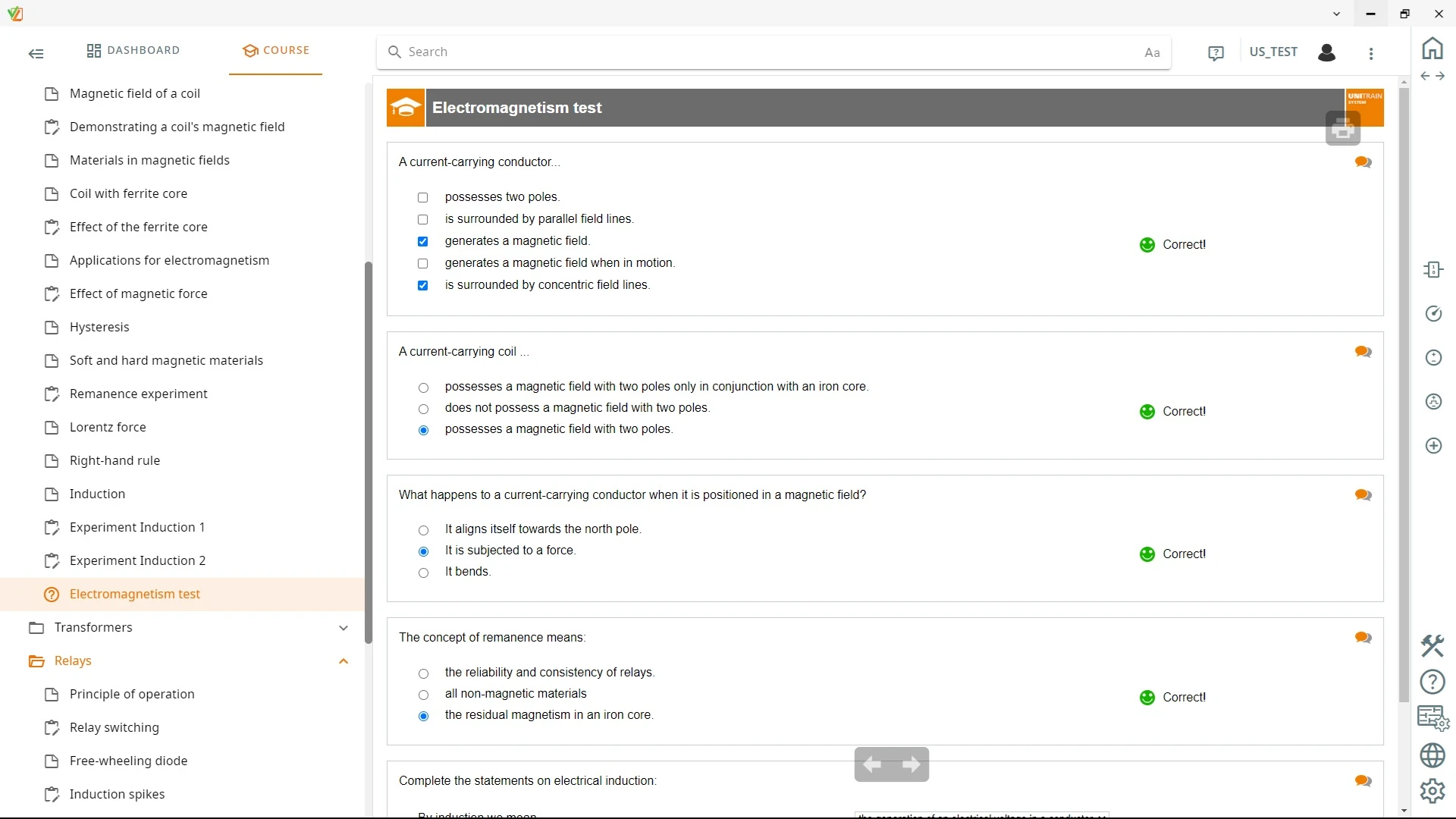
- Interactive knowledge tests — Quiz questions integrated into the multimedia course give learners immediate feedback on their learning progress.
- Analyzing the transformer principle — Learners determine the transformation ratio and real operating behavior of a transformer under variable load.
- Two bar magnets — They provide strong magnetic fields for analyzing forces of attraction and repulsion and for inducing voltages in air-core coils.
- Compass — As a sensitive field line indicator, it shows the spatial orientation of magnetic fields around conductors and coils.
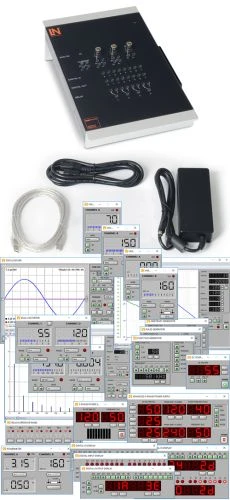
- LabSoft learning platform — LabSoft controls the experiment hardware, provides interactive HTML learning content and documents the learners’ measurement results.

From Knowledge Comes Capability.
You guide the learning
Where theory and practice go hand in hand.
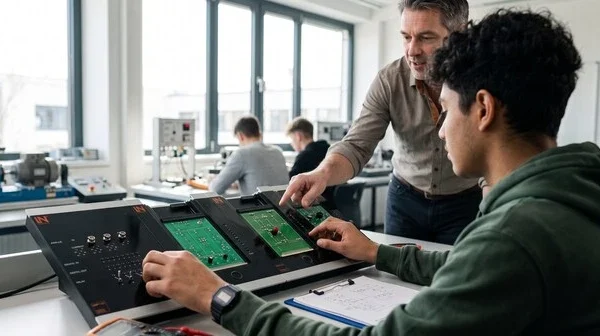
RXLea brings a new way of learning: project-based, hands-on and clearly structured. Learners solve real-world tasks, while instructors save time on preparation. Interactive modules, smart analytics and real hardware create a modern, efficient learning world.
Hands-on and interactive
Animations, interactive tasks and realistic scenarios build a deep understanding. All content is organized into clear learning paths for focused, hands-on learning.
Digital support
3D assembly animations and digital instructions simplify complex procedures, reduce errors and help learners work more independently.
Visual support
Overview graphics, screenshots and sample animations make the learning world transparent. Photos from the learning packages are also available, including country-specific versions where needed.




Stay ahead in
technical training.
Get the latest training systems, product launches and educational insights, delivered directly to your inbox.