


Skip to content

AC technology

RXLea
Digital projects for hands-on learningInteractive learning content, directly connected to the training system.

AC technology

BET02UT

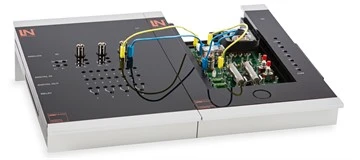
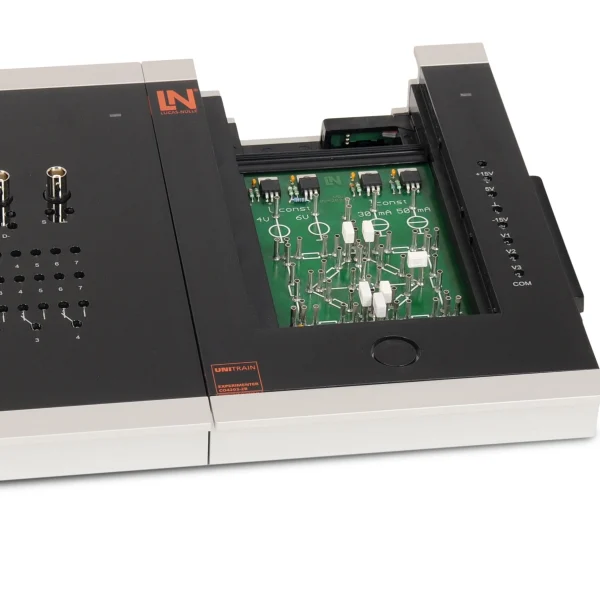
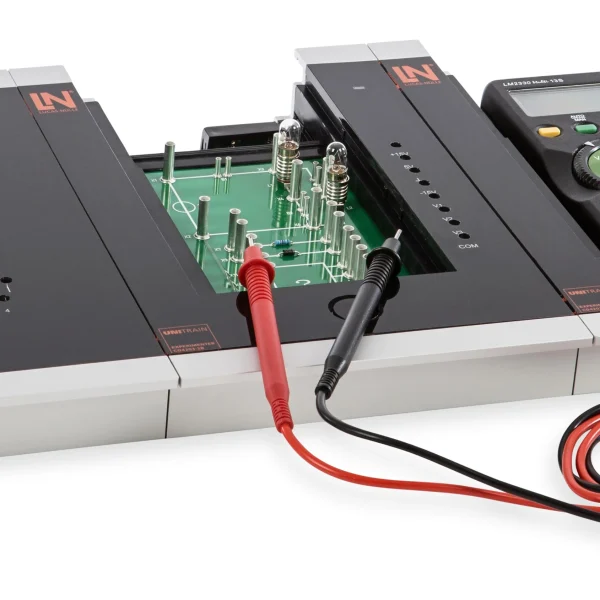
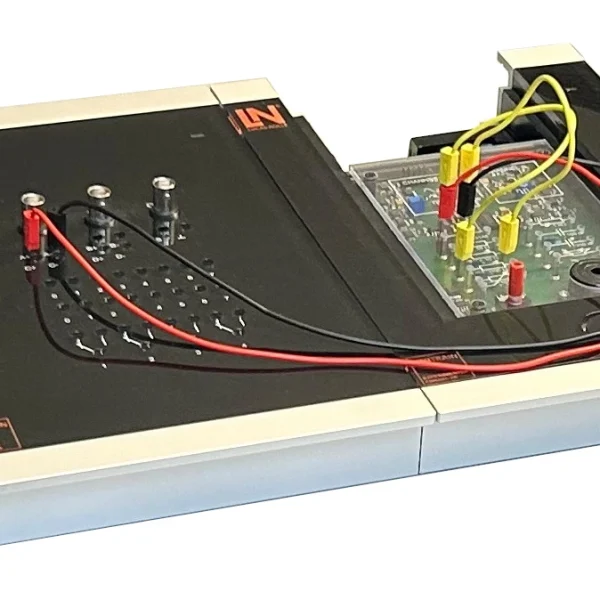
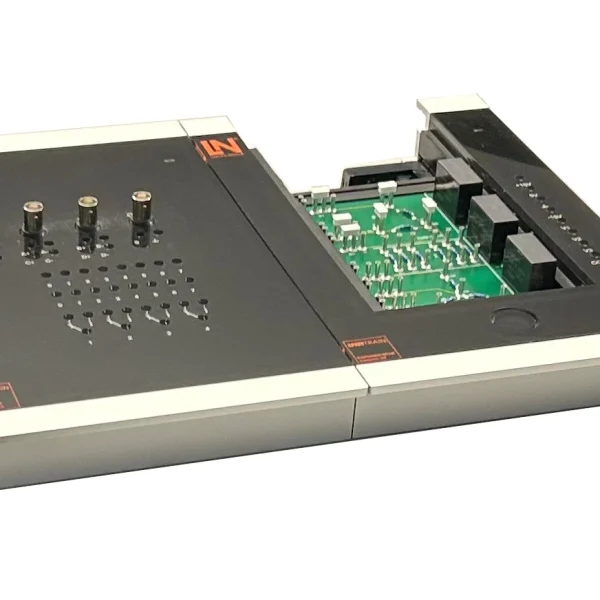
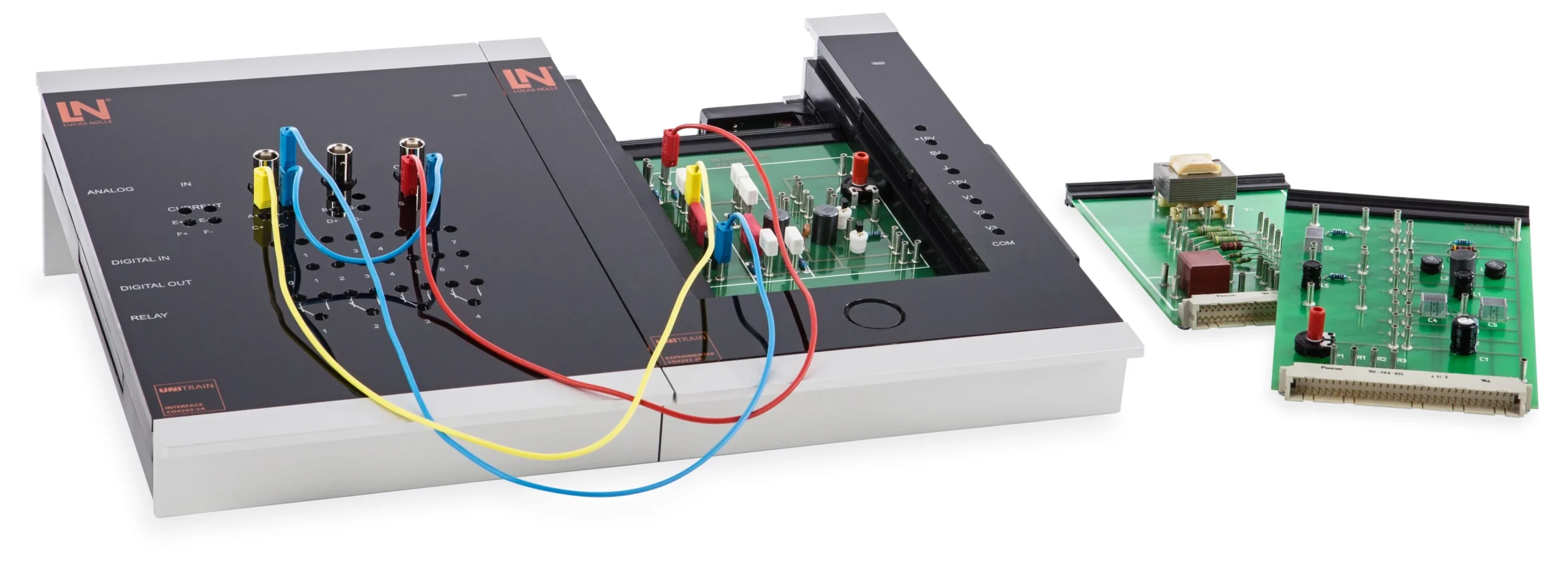
Computer-based training system for AC technology: learners investigate filters, resonant circuits, power quantities and transformers on plug-in cards and evaluate their measurements in the LabSoft learning environment.

Learning Content
  • Distinguish between DC and AC quantities
  • Identify key characteristics of sinusoidal signals
  • Determine RMS values of periodic signals
  • Apply phasor diagrams
KEY FEATURES
  • Investigating frequency-dependent voltage dividers
  • Analyzing electrical resonant circuits
  • Evaluating power in AC circuits
  • Operating behavior of transformers
Speak with a Product Specialist +1 (757) 808-5696 · sales@lucas-nuelle.com

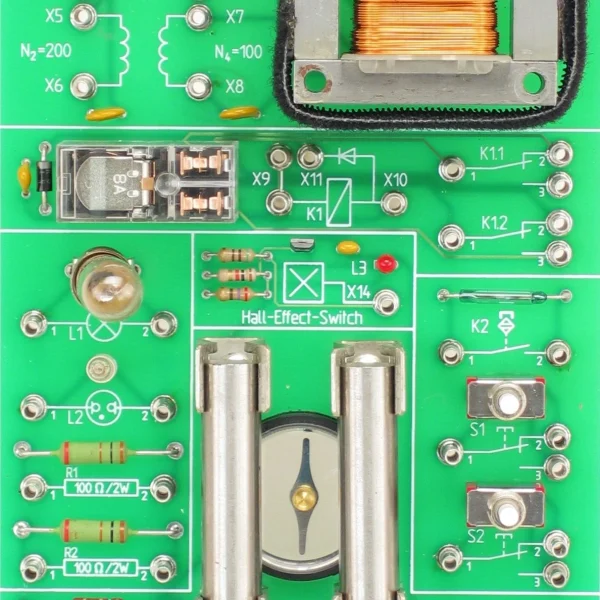
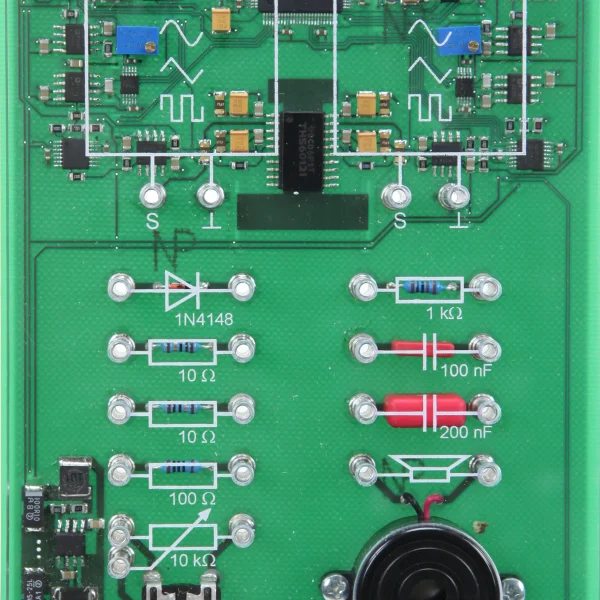
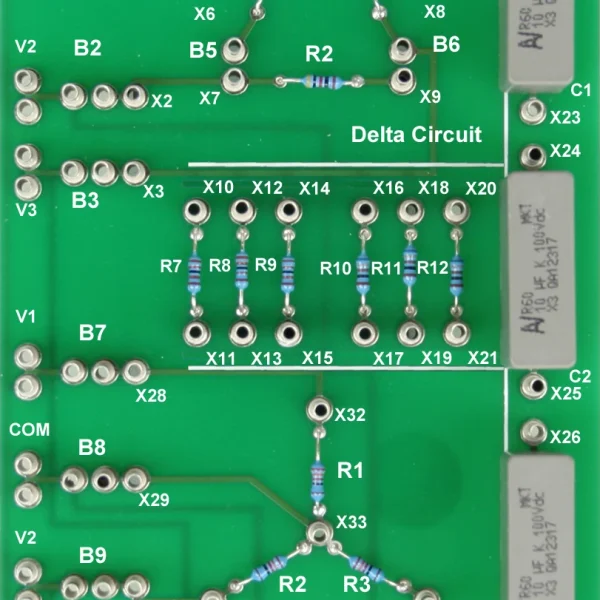
Calculating alternating quantities and assessing the behavior of inductors and capacitors in AC circuits are part of every qualified electrician’s basic toolkit. Those who have mastered reactive power, filter circuits and transformers can design and maintain industrial and power grids professionally. The LabSoft learning environment links interactive theory and guided measurement tasks directly with the experiment hardware on Eurocards. Learners record the cutoff frequencies of RC low-pass and RL high-pass filters, measure resonance, Q factor and bandwidth on series and parallel resonant circuits, determine the power factor and test transformers under no-load, load and short-circuit conditions. Four faults that can be activated via relays turn the measurement exercise into a diagnostic task.

CX4204-4FUniTrain Lab Wechselstromtechnik
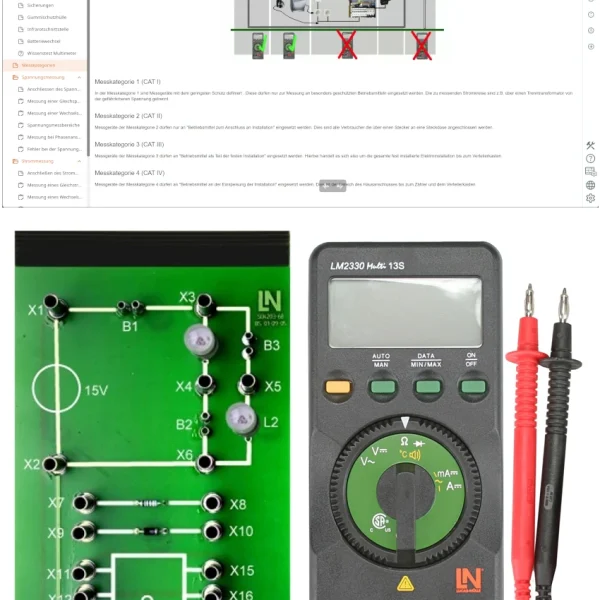
LM2330Multi13S digital multimeteroptional
CO4203-2AUniTrain Interface mit virtuellen Instrumenten (Basis VI)
CO4203-2JUniTrain measurement accessories, shunts and connection cables
CO4203-2YUniTrain storage case for one UniTrain system
CO4203-2BUniTrain Experimenter

Learning Content in Detail

Basic training in AC technology progresses from the parameters of sinusoidal signals and the behavior of inductors and capacitors through to the frequency response of filter circuits.

Distinguish between DC and AC quantities

Learners classify electrical quantities as direct or alternating based on their time-dependent behavior.

Identify key characteristics of sinusoidal signals

Learners describe amplitude, frequency, period, and phase angle of sinusoidal voltages and currents.

Determine RMS values of periodic signals

Learners determine RMS values of different periodic voltages and currents using their own measurements.

Apply phasor diagrams

Learners visualize the amplitude and phase relationships of sinusoidal quantities using phasor diagrams.

Understand key parameters of capacitance and inductance

Learners relate capacitance and inductance to the relevant electrical quantities and relationships.

Explain capacitors and inductors as energy storage components

Learners describe how capacitors store electrical energy and inductors store magnetic energy.

Measure capacitance and inductance

Learners determine component values through measurement and compare the results with specified values.

Determine reactance experimentally

Learners derive capacitive and inductive reactance from measured voltage and current values.

Analyze the AC behavior of RC and RL filters

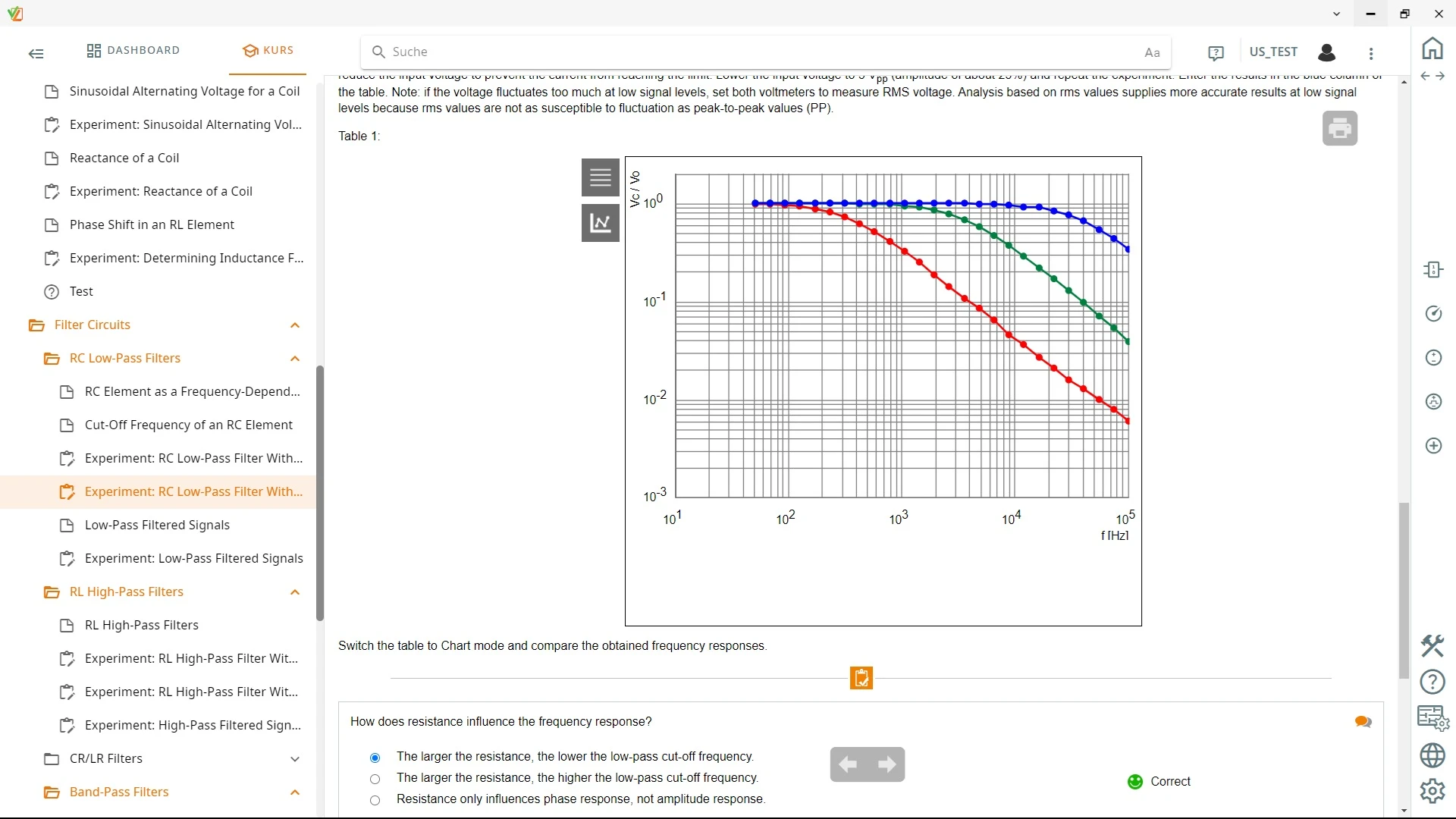
Learners examine how changes in frequency affect output voltage and attenuation in low-pass and high-pass filters.

Compare filter behavior with sine and square waves

Learners compare how basic filter circuits respond to sinusoidal and square-wave input signals.

Features & Applications

The experiments address issues from electrical power engineering and drive technology as well as from maintenance.
  • Investigating frequency-dependent voltage dividers — Learners analyze the attenuation behavior and cutoff frequency of RC low-pass and RL high-pass filters at varying frequencies.
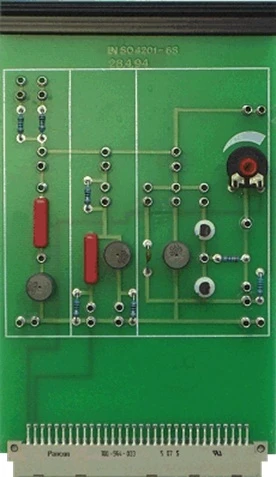
  • Analyzing electrical resonant circuits — Learners investigate resonance, Q factor and bandwidth directly on real series and parallel resonant circuits.
  • Evaluating power in AC circuits — Learners investigate the differences between real, reactive and apparent power and determine the resulting power factor.
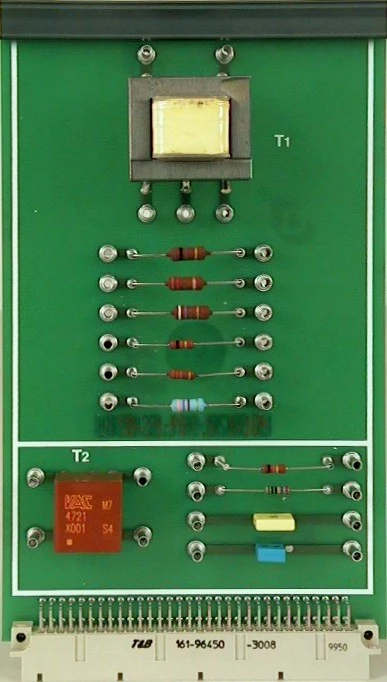
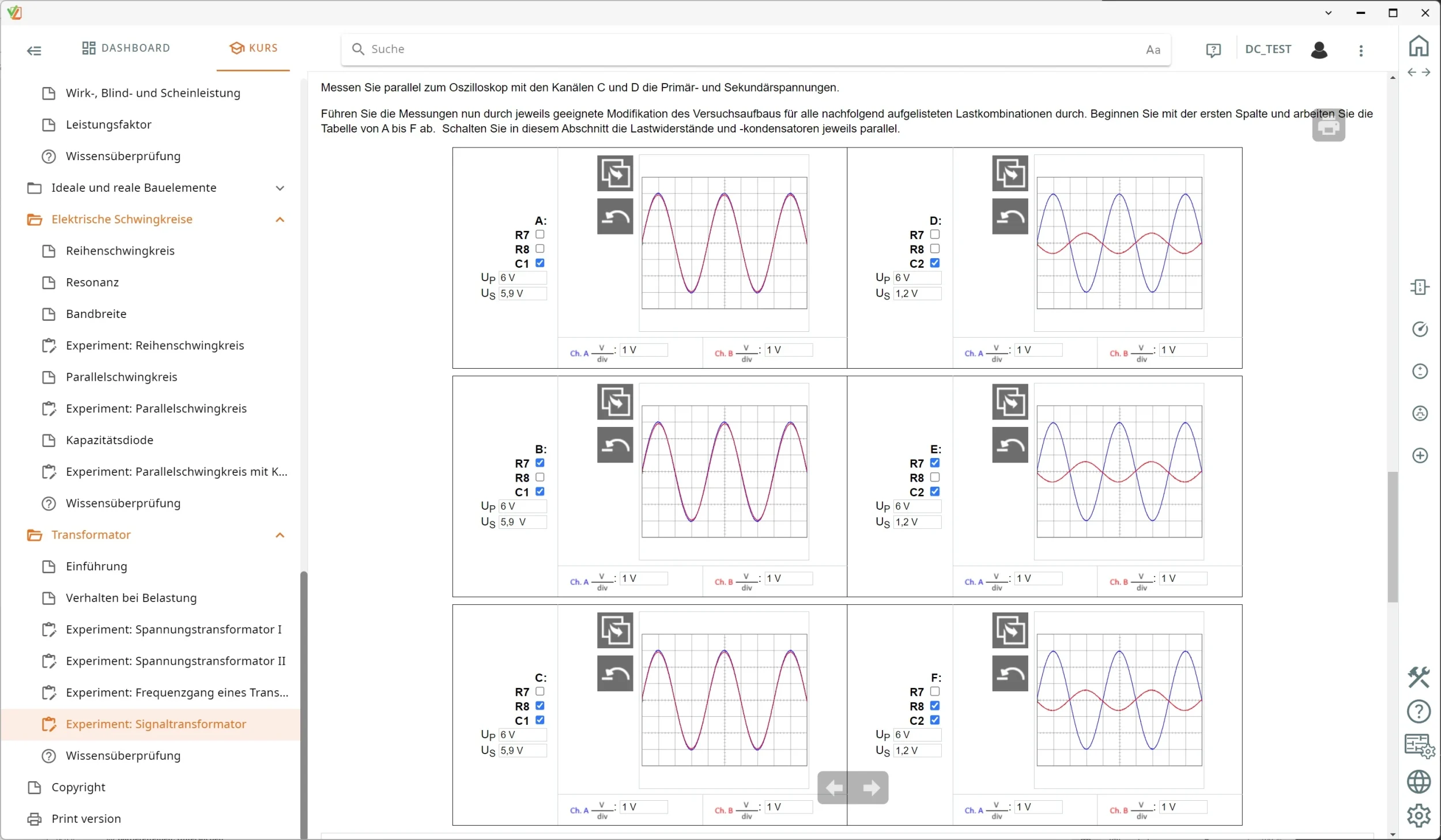
  • Operating behavior of transformers — Learners test power transformers and signal transformers experimentally under no-load, load and short-circuit conditions.
  • Interactive knowledge tests — Integrated test pages and targeted questions check theoretical understanding directly within the learning units.
  • Guided troubleshooting using measurement — Four separate fault scenarios that can be activated via relays guide learners through realistic circuit analyses and diagnoses.
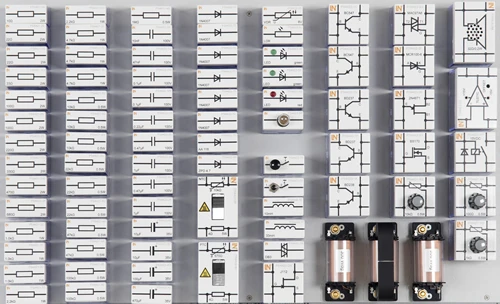
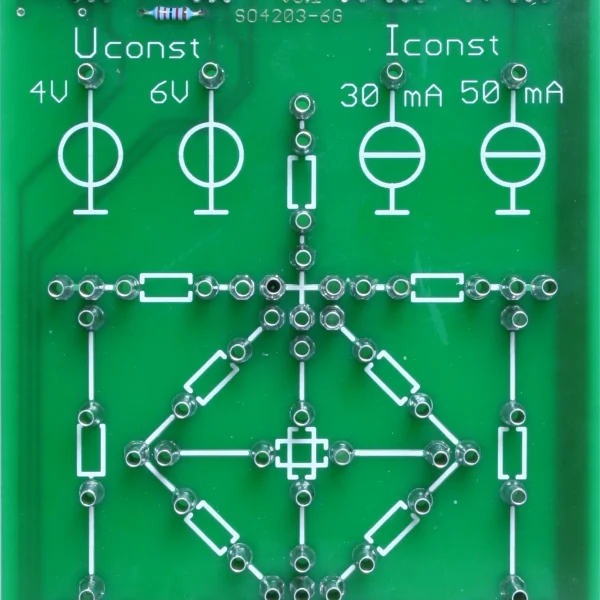
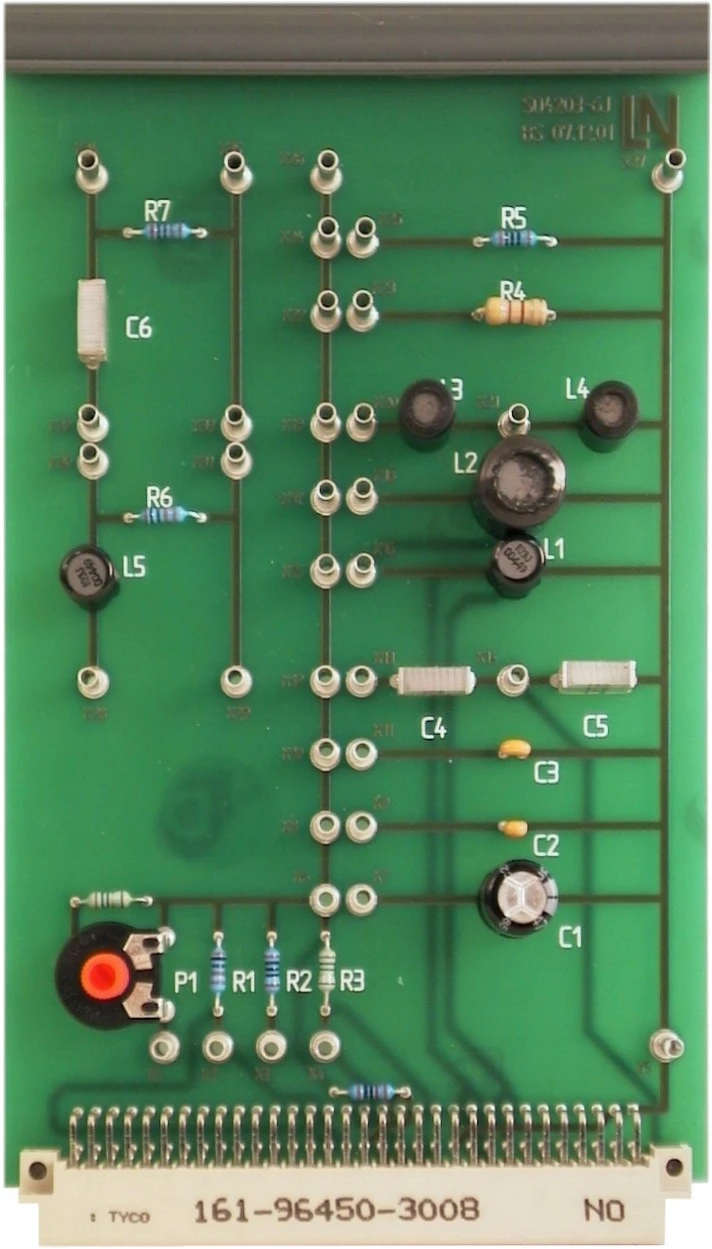
  • Flexible setup of different R-L-C circuits — The inductance and capacitor circuits plug-in card enables a wide variety of circuit variants to be set up quickly.
  • Investigating series and parallel resonant circuits — Learners explore the different resonance behavior of series and parallel resonant circuits through their own measurements.
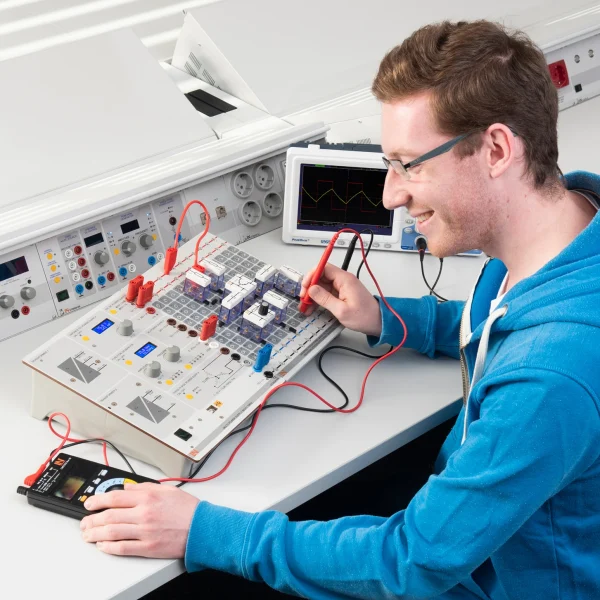
  • UniTrain interface — The UniTrain interface provides all the measuring devices and sources required for the experiments as digital instruments.
  • Questions for independent knowledge checks — Learners check their learning progress independently in the learning program.
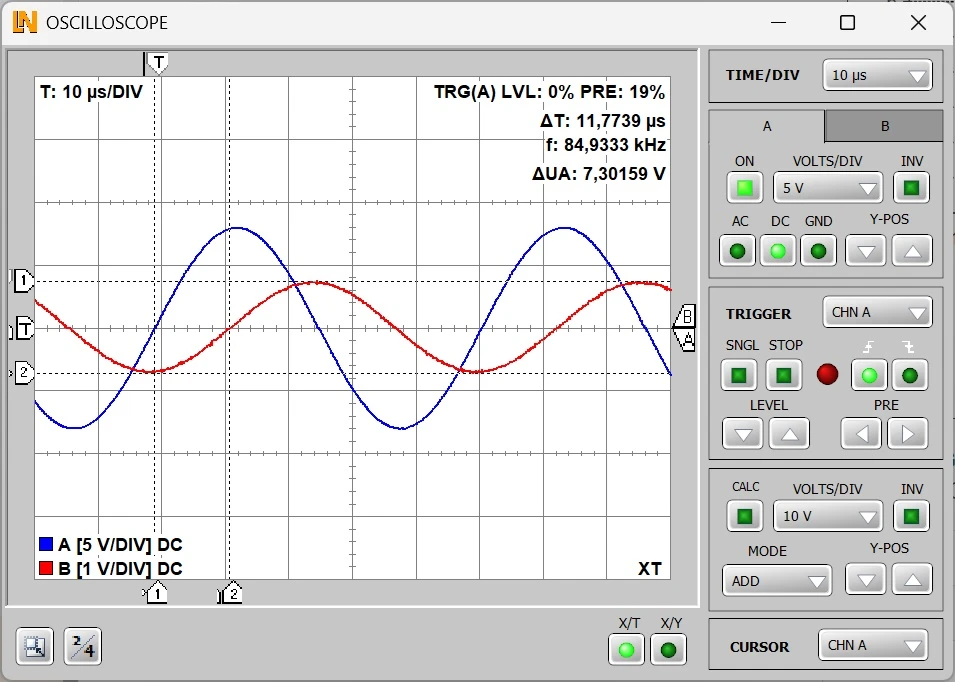
  • 2/4-channel oscilloscope — The cursor function allows the individual channels to be measured precisely.
  • Function generator up to 5 MHz — The function generator produces DC voltage and AC voltage in various waveforms at frequencies of up to 5 MHz.
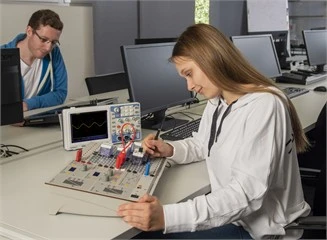
Learners working with RXLea on a tablet at a Lucas-Nuelle training system
RXLea

From Knowledge Comes Capability.

You guide the learning

Where theory and practice go hand in hand.

RXLea brings a new way of learning: project-based, hands-on and clearly structured. Learners solve real-world tasks, while instructors save time on preparation. Interactive modules, smart analytics and real hardware create a modern, efficient learning world.

Hands-on and interactive

Animations, interactive tasks and realistic scenarios build a deep understanding. All content is organized into clear learning paths for focused, hands-on learning.

Digital support

3D assembly animations and digital instructions simplify complex procedures, reduce errors and help learners work more independently.

Visual support

Overview graphics, screenshots and sample animations make the learning world transparent. Photos from the learning packages are also available, including country-specific versions where needed.


Learners using a tablet at an energy training system
RXLea on desktop, laptop and tablet
RXLea Path Creator for building learning journeys
RXLea Navigator showing the learning world
Learn more about RXLea
Newsletter

Stay ahead in
technical training.

Get the latest training systems, product launches and educational insights, delivered directly to your inbox.

Your email address

By subscribing, you agree to our Privacy Policy. You can unsubscribe at any time.

 Please select at least one category before subscribing.
I'm interested in - select all that apply