Skip to content

Smart factory: Car Production

RXLea
Digital projects for hands-on learningInteractive learning content, directly connected to the training system.

Smart factory: Car Production

CCP44IS

Experience the Industry 4.0 workflow of the modular production line – from individual configuration in the online store to order-driven assembly of the finished, “painted” model car.

Learning Content
  • Setting up and configuring a complete, modular production line for assembling and painting different vehicle types.
  • Understanding and configuring the entire digital chain, from the customer order in the online store and order processing in the ERP/MES to execution by the PLCs.
  • Understanding and applying direct Wi-Fi communication between the supervisory level (ERP) and the product’s microcontroller (car) for transferring production data (for example color).
  • Programming an Arduino microcontroller to perform a specific task (paint simulation) based on the commands of a higher-level PLC.
KEY FEATURES
  • Complete digital process: from buying a car to the finished product
  • Integration of smart products
  • Modular and flexible factory architecture
  • Hybrid learning: from 3D simulation to the real plant
Speak with a Product Specialist +1 (757) 808-5696 · sales@lucas-nuelle.com

Our system replicates the entire Industry 4.0 workflow – from individual configuration in the online store to the finished model car. This modular, fully functional production line addresses the requirements of modern, customized manufacturing. It digitalizes the complete car production process: an order triggers an automated assembly and painting process. Learners master vertical integration by networking ERP, PLC and smart products. The model cars act as cyber-physical systems that communicate with the ERP-Lab for order and color assignment. The modular factory architecture allows the production line to be combined flexibly using mobile Industrial Mechatronic Systems (IMS). Decentralized networking simplifies setup and illustrates the principle of modular production. The system also supports hybrid learning: an optional real-time 3D simulation enables PLC programs to be developed and tested virtually (with Siemens PLCSIM) before they are transferred to the real plant, thereby teaching the concepts of the digital twin and virtual commissioning in a practical way. For data-driven process optimization and analysis, the integrated ERP/MES system systematically records production data. Learners acquire the core skill of evaluating processes on the basis of data, identifying bottlenecks and uncovering optimization potential.

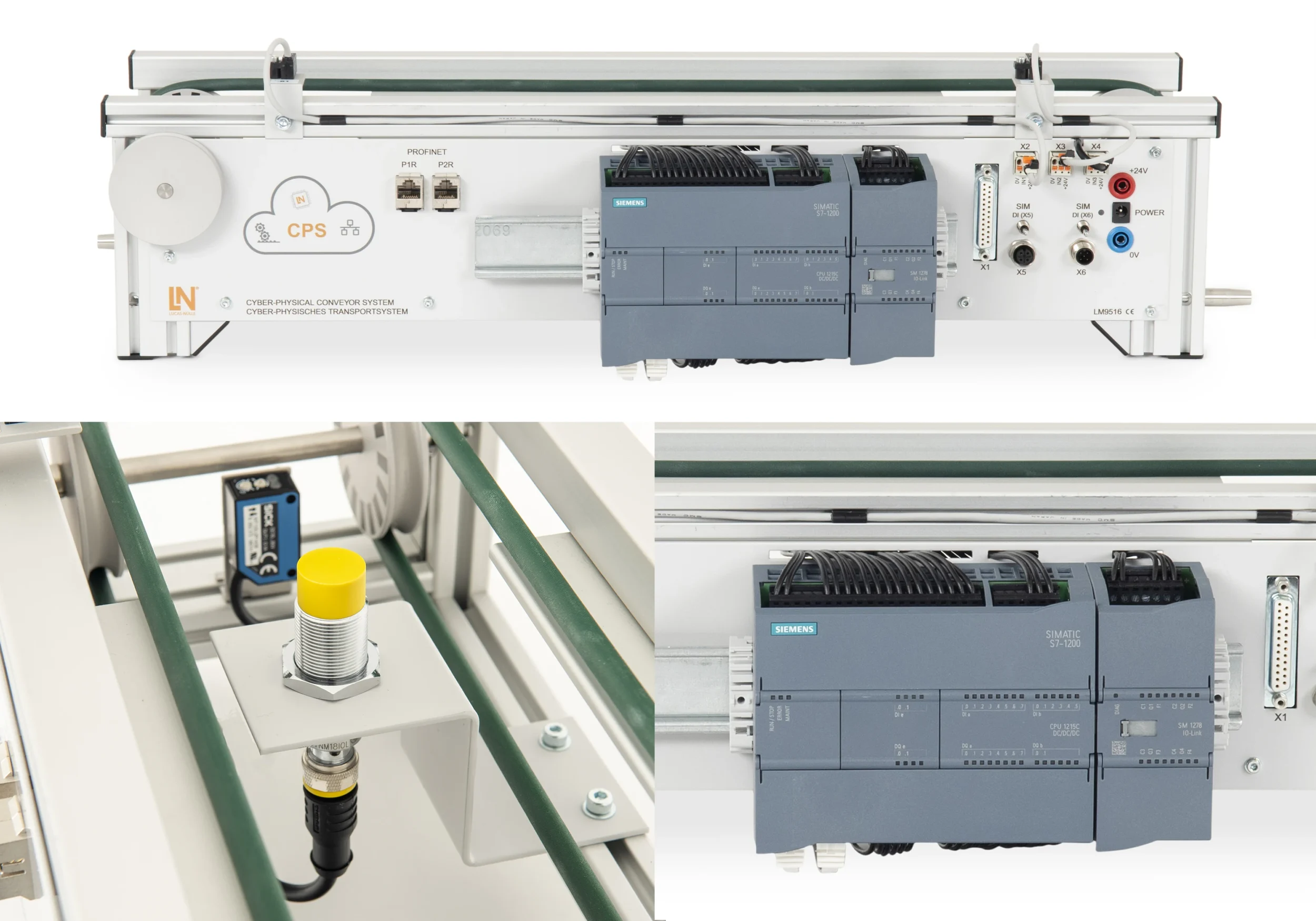
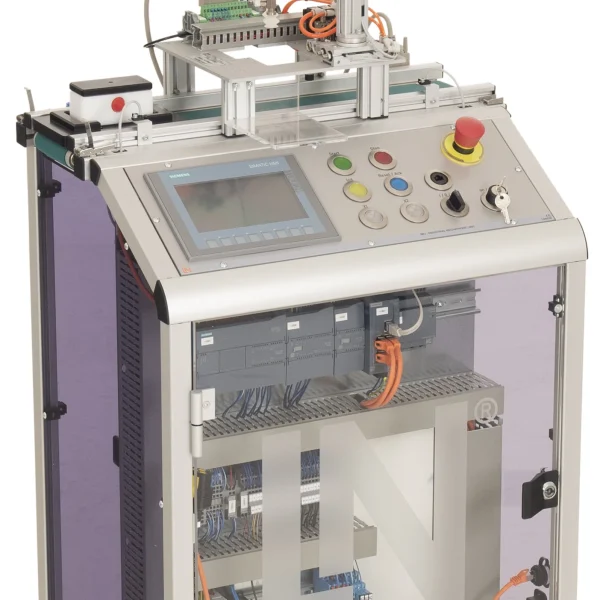
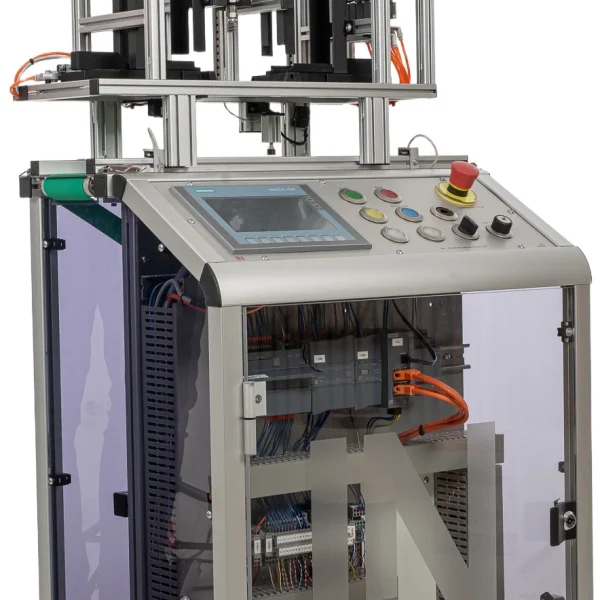
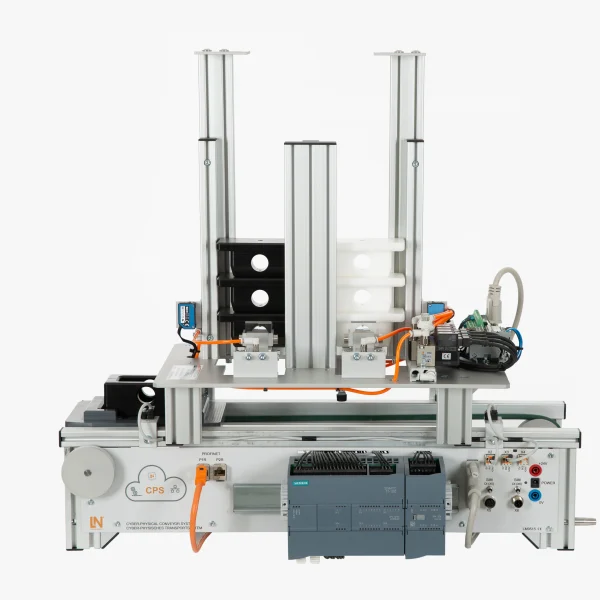
LM9515Cyber physical conveyor system with PLC
SO6200-2PQuickChart IMS 1.5 Cyber-physical conveyor belt system
LM9532Film, for oscilloscope cameratype LM 7000
LM9672DC power supply 24V/5A for IMS conveyor belts
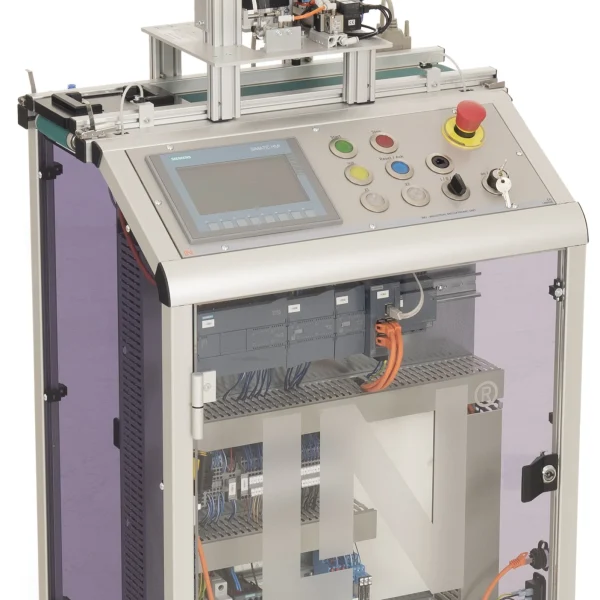
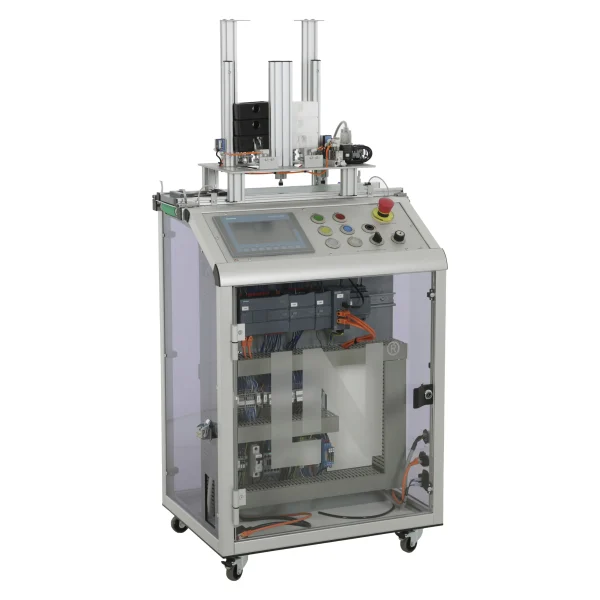
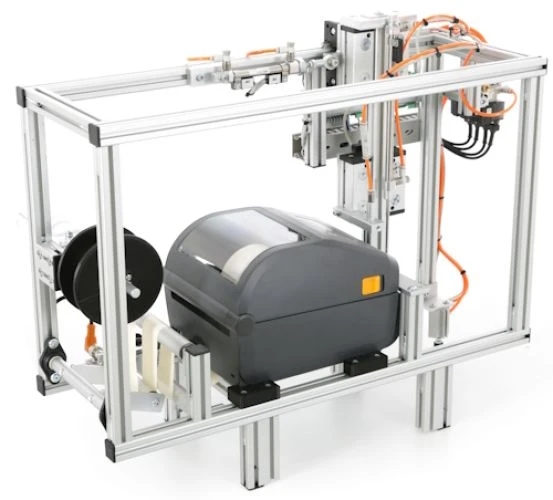
LM9649Guided assembly double station
LM9066Interface cable 25-pin, Sub-D socket / plug 1m
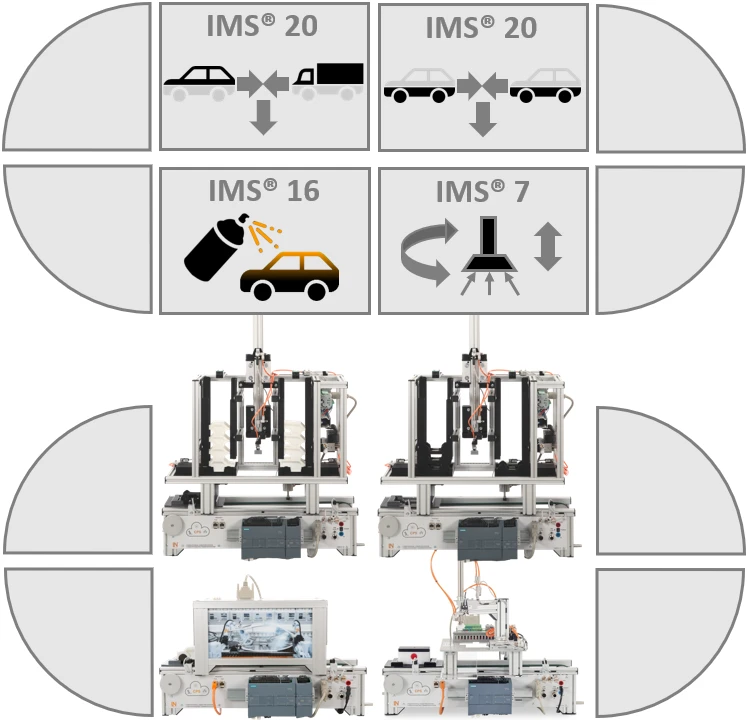
SO6200-2TQuickChart IMS 20 Mechatronics Guided assembly double station
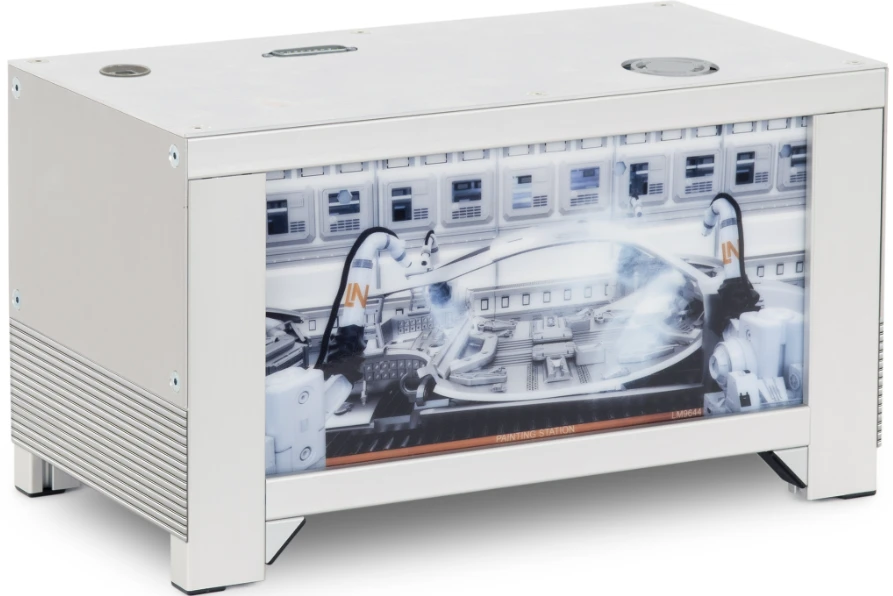
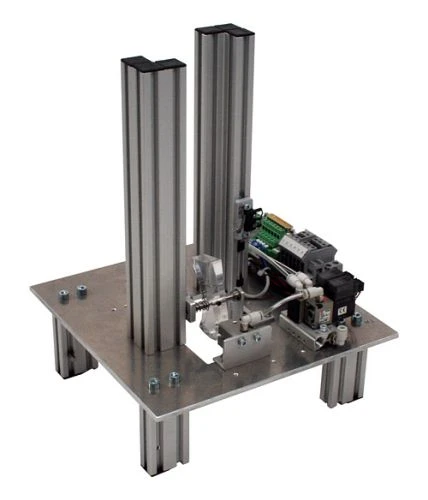
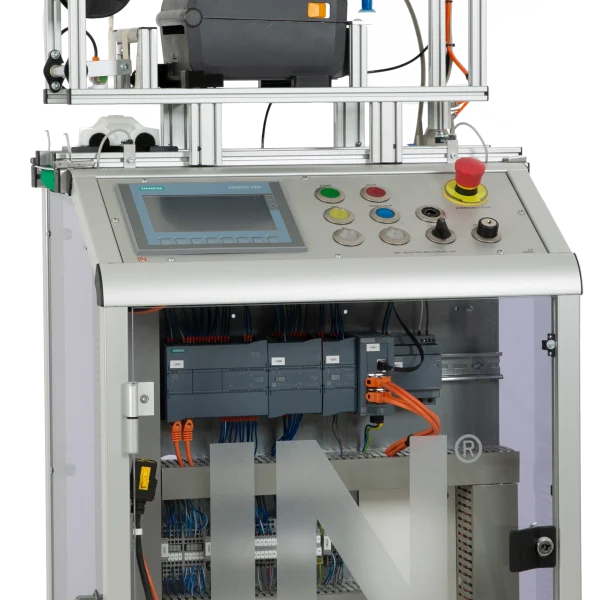
LM9644Painting station
LM9066Interface cable 25-pin, Sub-D socket / plug 1m
SO6200-2VQuickChart IMS 16 Mechatronics Painting Station
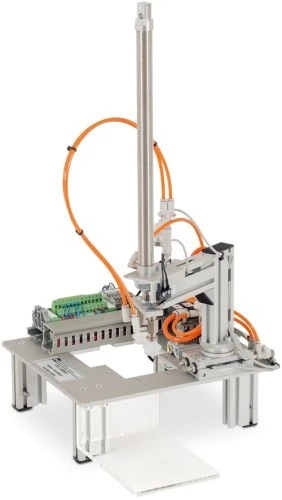
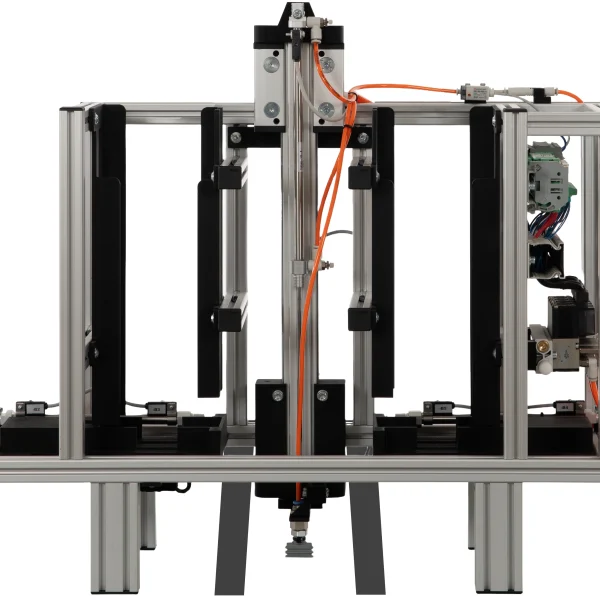
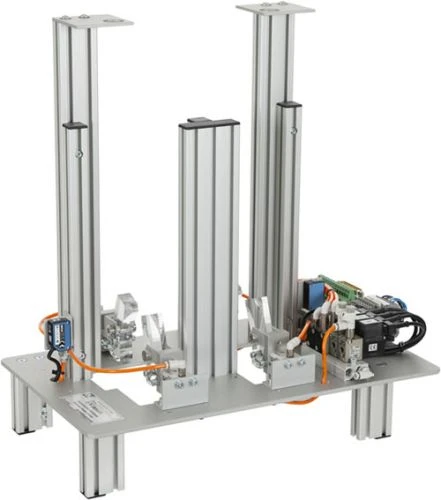
LM9683Handling station
LM9066Interface cable 25-pin, Sub-D socket / plug 1m
SO6200-1GQuickChart IMS 7 Mechatronics Handling station
CO3715-7ZUnifi Security WLAN Gateway
SO6001-7AIMS Virtual Trainer package
SO6002-1XSoftware, STEP 7 Trainer package 6xSTEP 7, S7-Graph, S7-SCL, PLC-Sim (D,GB,F,E,I)
SO2805-5ZInteractive Lab Assistant: ERP Lab for Smart Factories
SO2805-5FInteractive Lab Assistant: CBP / CCP Production I4.0 with IMS
SO2805-4FInteractive Lab Assistant: CFA 1 IMS Factory App (Augmented Reality)
SO2805-4VInteractive Lab Assistant: IMS Virtual Teacher V5
SO2805-4WInteractive Lab Assistant: IMS Virtual Student V5
SO2805-5HInteractive Lab Assistant: IMS 1 Cyber Physical Conveyor Belt System
SO2805-5XInteractive Lab Assistant: Self-commutated converter circuits
SO2805-5QInteractive Lab Assistant: IMS 16 Painting station
SO2805-5EInteractive Lab Assistant: CBP / CCP Production I3.0 with IMS
LM9659IO-Link signal light for mechatronic processing stationsoptional
LM9654Mounting Kit for IO-Link signal lightsoptional
CO3713-4QTouch Panel KTP700 Basic Trainer Packageoptional
SO5126-9FSafety measurement cable 4mm, 150cm/60", red, 600 V CAT III ~ 1000 V, CAT II / 32Aoptional
SO5126-9KSafety measurement cable 4mm, 150cm/60", blue, 600V CAT III ~1000V CAT II / 32Aoptional
LM9568Set of wheels for cars and vansoptional
ST8000-2ADisplay for Industry 4.0 equipment with IMSoptional
ST7200-5LProtection cover for three-level experiment trolleysoptional
LM961090° conveyor belt segment
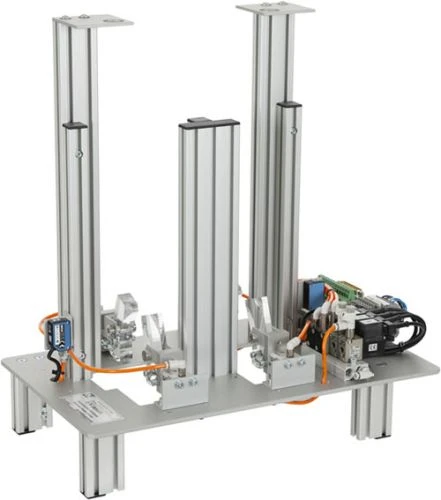
LM9694Material chute for handling station
LM9575Set of cars for the production line
LM9559Charging station for automotive PCB
LM9639IO-Link RFID sensor for car circuit boards
SE2902-9LCompressor, low-noise
LM9571Tubing and accessory set for mechatronics systems
LM8257USB 2.0 Ethernet adapter, 10/100
LM9070Patch cable Cat6 grey, (1m)
LM9716Set of Allen keys
ST7200-7ASybaPro experiment trolley, 3-level, 6 sockets, 1250x1970x800mm
ST7200-7BSybaPro experiment trolley, six-fold power outlet strip, 1250x760x800mm

Learning Content in Detail

This system prepares your participants well for the challenges of Industry 4.0 by enabling them to acquire sound knowledge of networked production, digital process integration and data-driven optimization and to strengthen their practical skills.

Setting up and configuring a complete, modular production line for assembling and painting different vehicle types.

Learners acquire the ability to plan and assemble a fully functional production line from scratch and set it up for high-variety manufacturing.

Understanding and configuring the entire digital chain, from the customer order in the online store and order processing in the ERP/MES to execution by the PLCs.

Learners understand and implement vertical integration by establishing the connection between the business level, the management level and the production level.

Understanding and applying direct Wi-Fi communication between the supervisory level (ERP) and the product’s microcontroller (car) for transferring production data (for example color).

Participants learn how smart products are actively integrated into the manufacturing process as IoT systems and exchange data.

Programming an Arduino microcontroller to perform a specific task (paint simulation) based on the commands of a higher-level PLC.

Learners develop skills in microcontroller programming and understand interface communication between different control levels.

Evaluating production processes on the basis of data, identifying bottlenecks and uncovering optimization potential.

Learners acquire the ability to analyze collected production data and use it to make well-founded decisions for increasing efficiency.

Integrating and networking IT systems such as ERP and MES with the production level (PLC).

Trainees understand the horizontal and vertical integration of systems in a smart factory environment.

Applying the concepts of the digital twin and virtual commissioning in practice.

Learners use virtual environments to develop and test automation solutions before they are implemented in the real plant.

Features & Applications

Our system lets learners experience the complete Industry 4.0 workflow in practice. They master the planning, commissioning and control of fully automated production lines. The modular design makes it easier to integrate the system into the curriculum.
  • Complete digital process: from buying a car to the finished product — This system replicates the complete Industry 4.0 workflow for customizable products. A online store order uses the ERP to initiate an MES production order, which is transmitted to the PLCs in order to assemble and (in simulation) paint a unique car.
  • Integration of smart products — The model cars are active IoT systems. Each one has a function board with a Wi-Fi chip, RFID tag and RGB LEDs, communicates directly with the ERP-Lab for order and color assignment and thus becomes an integral part of the digital factory ecosystem.
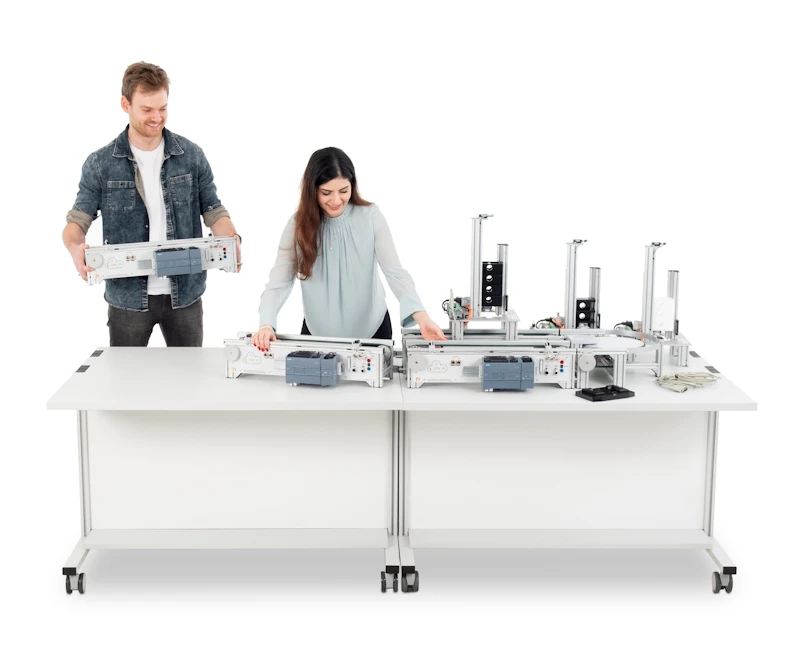
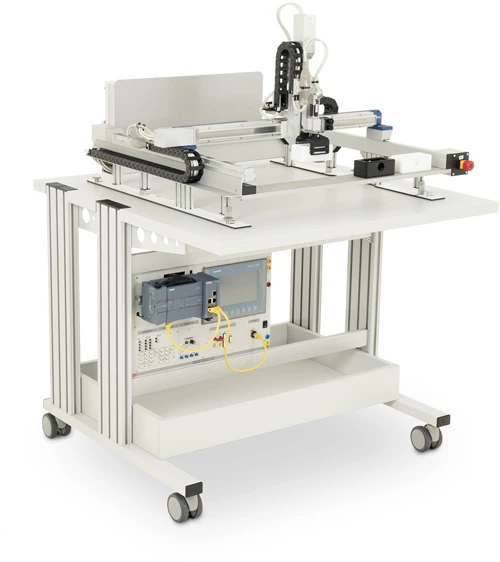
  • Modular and flexible factory architecture — The production line consists of mobile Industrial Mechatronic Systems (IMS) that can be combined flexibly into different plant layouts. Decentralized station-to-station networking simplifies setup and illustrates the principle of modular production.
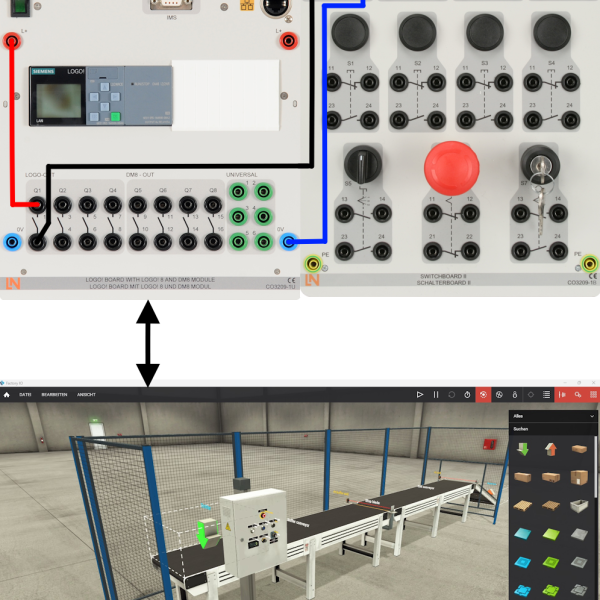
  • Hybrid learning: from 3D simulation to the real plant — IMS Virtual: software-based real-time 3D simulation for virtual PLC programming (with Siemens PLCSIM) and fault simulation – without physical hardware. As the programs can be transferred 1:1 to real plants, the digital twin and virtual commissioning are taught in a practical way.
  • Data-driven process optimization and analysis — The ERP/MES system controls orders and records production data. Visualizing and analyzing this data using dashboards (SCADA, Grafana) enables production processes to be evaluated on the basis of data, bottlenecks to be identified and potential to be uncovered – essential for data-driven manufacturing.
  • ERP-Lab as the central control and planning level — The ERP-Lab provides central, web-based plant control. It integrates MES (production planning), SCADA (live visualization), inventory management (warehouse management) and a online store. Learners use it to configure the production logic at enterprise level and to control smart cars.
  • Painting station with Arduino control — The painting station uses an integrated Arduino microcontroller to simulate the painting process via LED strips. Here, learners gain insights into the world of PLCs, microcontroller programming and interface communication between the higher-level PLC and the subsystem.
  • Integration of intelligent sensors via IO-Link — The system integrates intelligent IO-Link sensors via a master module and an RFID head. Learners experience the “last mile” of digital field communication in practice and learn how sensors transmit parameter, process and diagnostic data to the controller and how they can be configured.
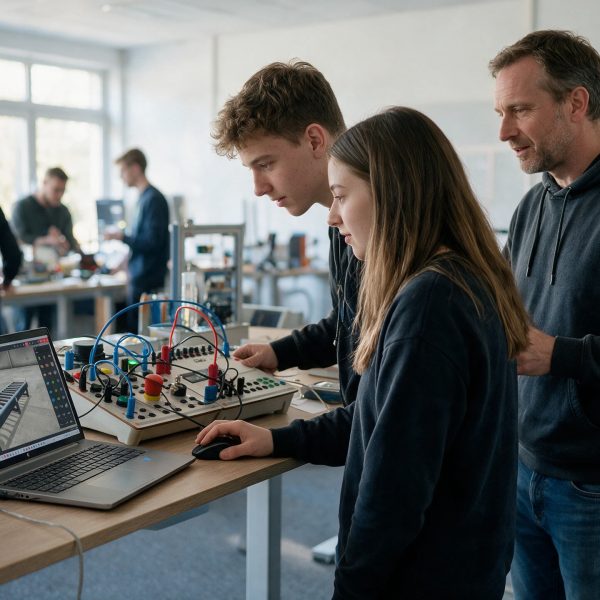
Learners working with RXLea on a tablet at a Lucas-Nuelle training system
RXLea

From Knowledge Comes Capability.

You guide the learning

Where theory and practice go hand in hand.

RXLea brings a new way of learning: project-based, hands-on and clearly structured. Learners solve real-world tasks, while instructors save time on preparation. Interactive modules, smart analytics and real hardware create a modern, efficient learning world.

Hands-on and interactive

Animations, interactive tasks and realistic scenarios build a deep understanding. All content is organized into clear learning paths for focused, hands-on learning.

Digital support

3D assembly animations and digital instructions simplify complex procedures, reduce errors and help learners work more independently.

Visual support

Overview graphics, screenshots and sample animations make the learning world transparent. Photos from the learning packages are also available, including country-specific versions where needed.

Learners using a tablet at an energy training system
RXLea on desktop, laptop and tablet
RXLea Path Creator for building learning journeys
RXLea Navigator showing the learning world
Learn more about RXLea
Newsletter

Stay ahead in
technical training.

Get the latest training systems, product launches and educational insights, delivered directly to your inbox.

Your email address

By subscribing, you agree to our Privacy Policy. You can unsubscribe at any time.

 Please select at least one category before subscribing.
I'm interested in - select all that apply