


Skip to content

Line Commutated Converter Circuits 300W

RXLea
Digital projects for hands-on learningInteractive learning content, directly connected to the training system.

Line Commutated Converter Circuits 300W

EPE30PT-7-300W

Master the fundamentals of power electronics. Analyze all common circuit topologies, from simple rectifiers to complex three-phase bridges, focusing on phase control.

Learning Content
  • Applying the fundamentals of power semiconductors
  • Mastering phase angle control
  • Building and analyzing power converter circuits
  • Assessing grid perturbations
KEY FEATURES
  • One kit for all line-commutated circuits
  • Setting the firing angle and analyzing harmonics
  • Investigating rectifiers, AC converters and three-phase converters systematically
  • Universal thyristor/diode power converter
Speak with a Product Specialist +1 (757) 808-5696 · sales@lucas-nuelle.com

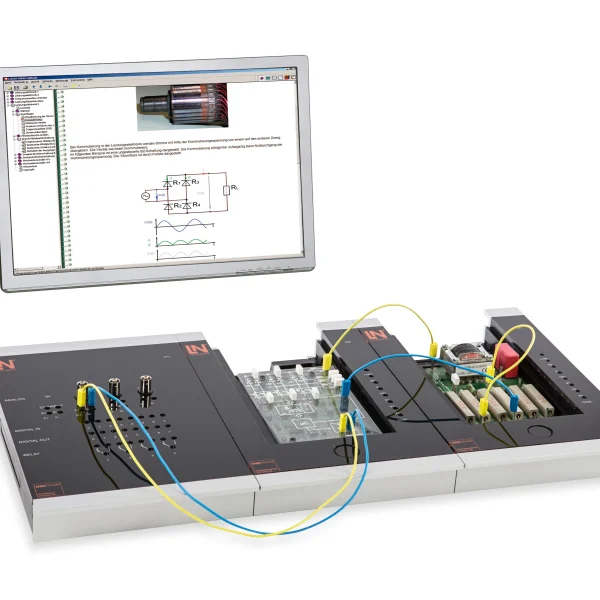
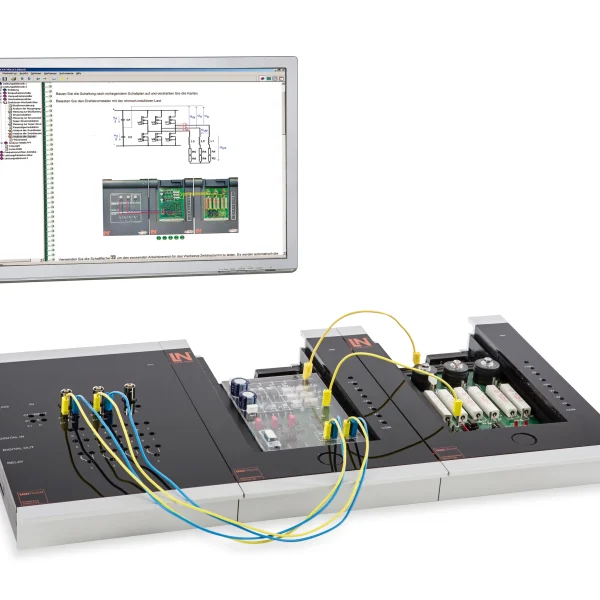
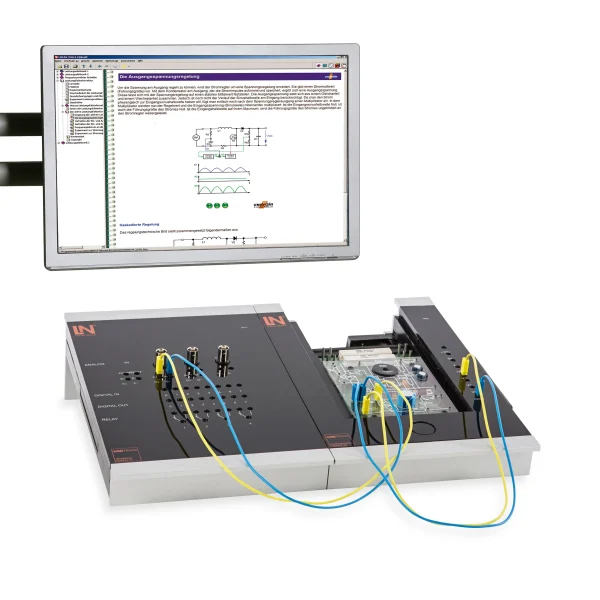
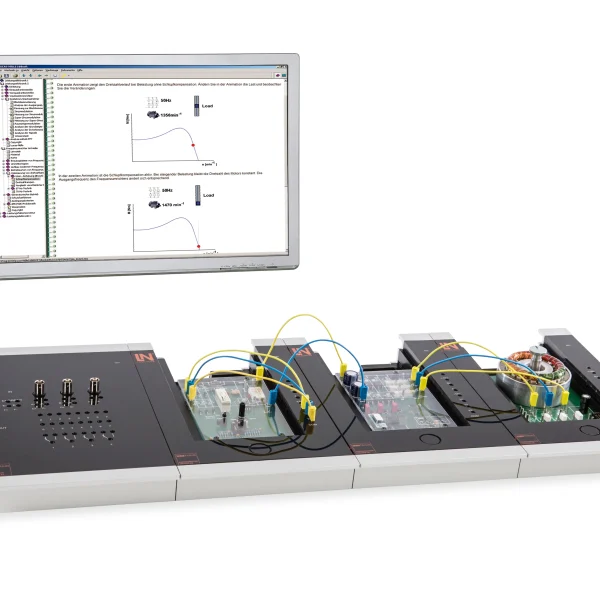
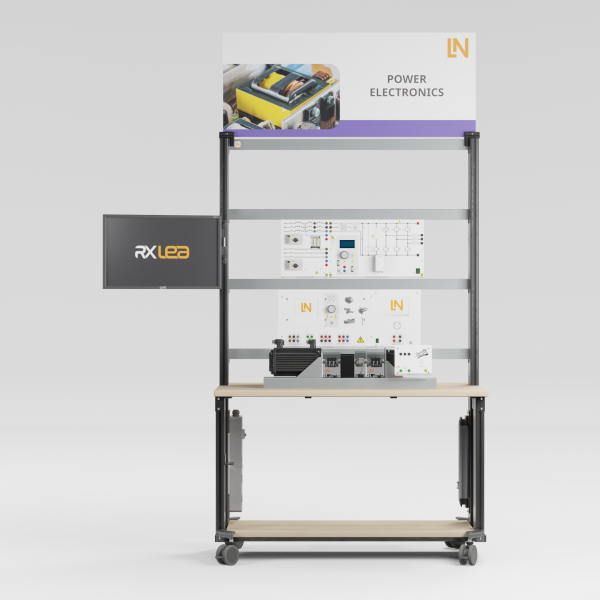
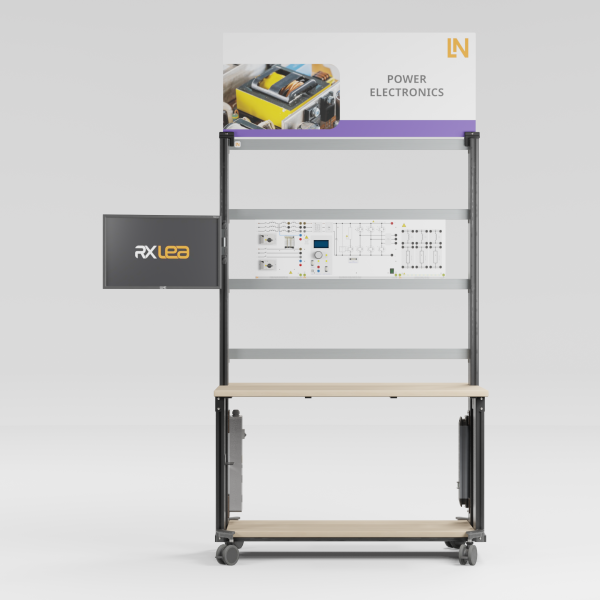
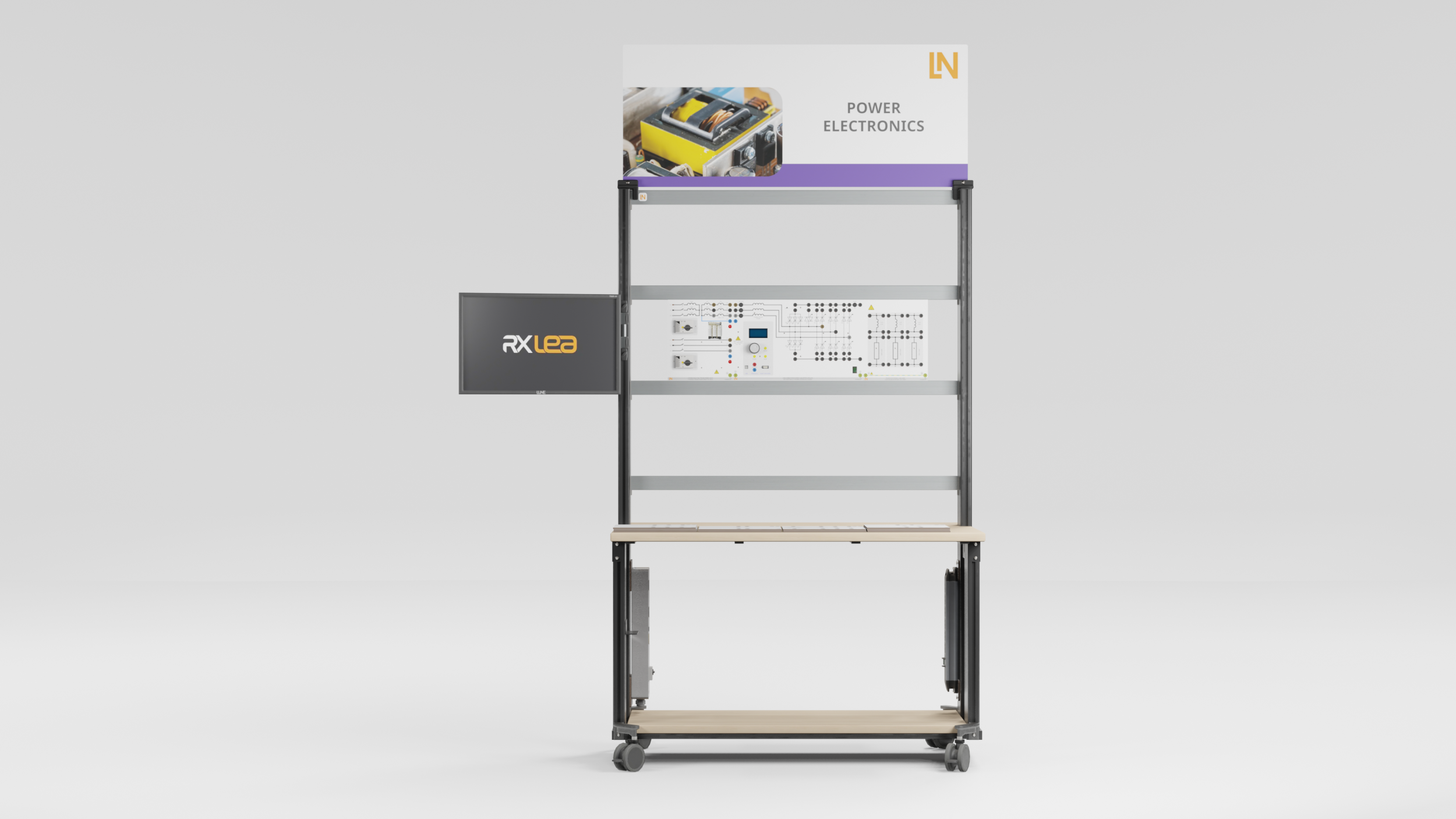
Line-commutated power converters are the robust foundation of power electronics and the basis for DC drives and industrial applications. Phase-angle control of thyristors allows power to be controlled continuously. This equipment set covers the topic step by step: students build the topologies themselves instead of operating ready-made devices. One board carries 12 thyristors, 6 diodes and a triac together with the DSP-based control and measurement technology; the software turns these into more than 15 circuits. The R/L load makes the difference between resistive and resistive-inductive operation visible, right through to discontinuous conduction. Students use the firing angle to control the output voltage and then use FFT to evaluate what the circuit feeds back into the grid.

CO3636-3FPower electronics load set, 300 W
SO2800-2A7Interactive Lab Assistant: Line-commutated converter circuits
CO3636-3A7Line-commutated converter circuits
CO3636-3E73-Phasen Trenntransformator 300VA
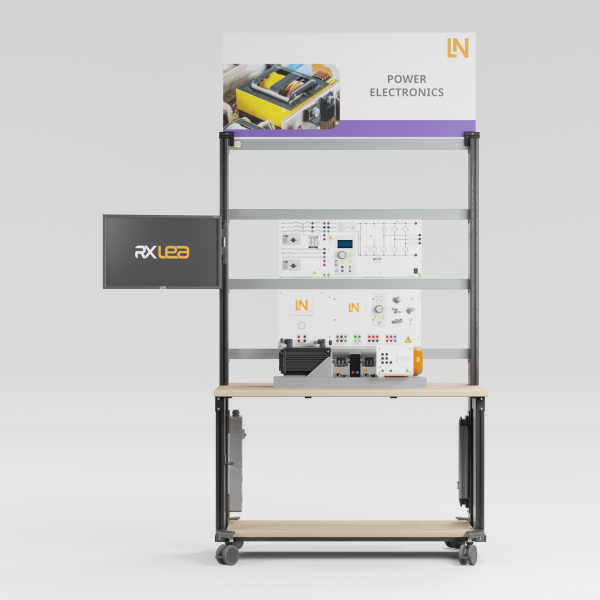
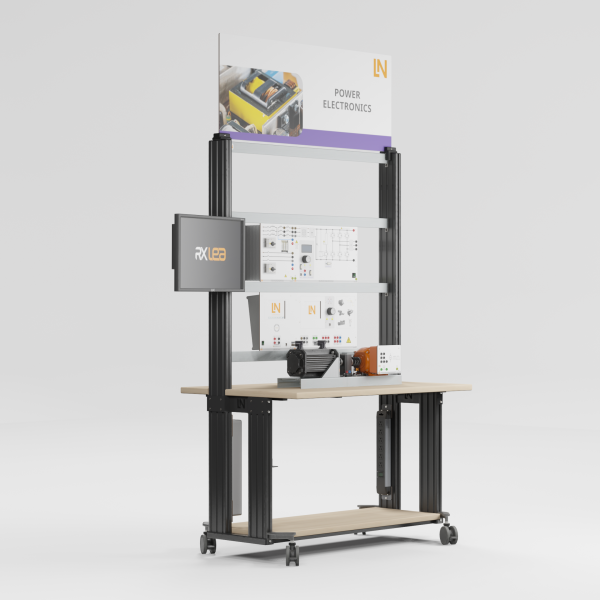
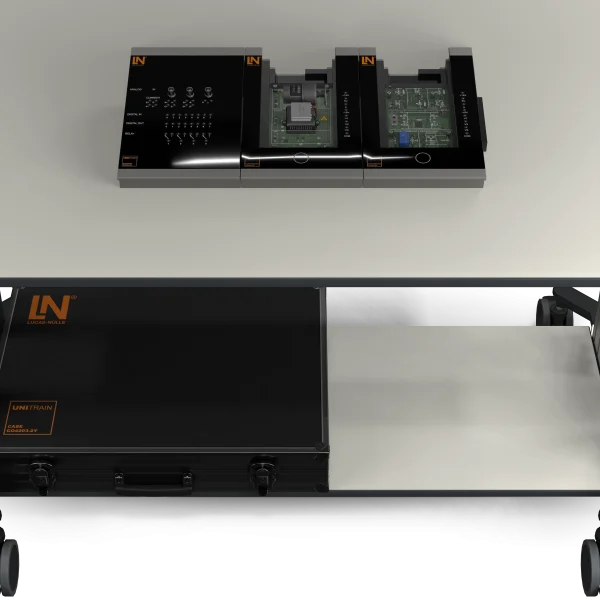
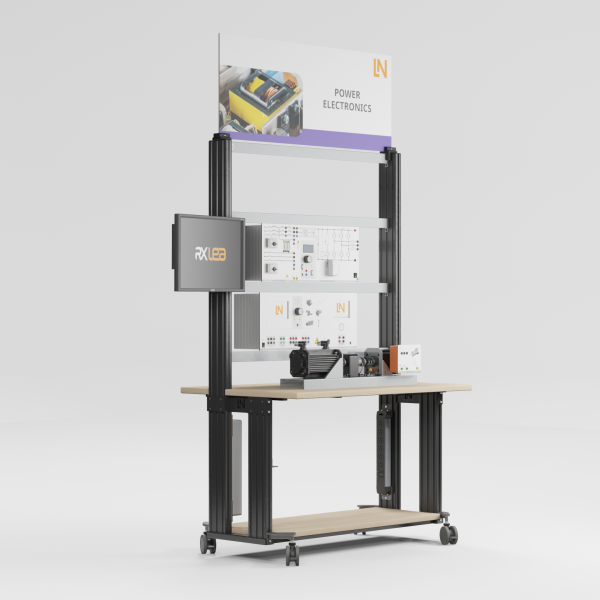
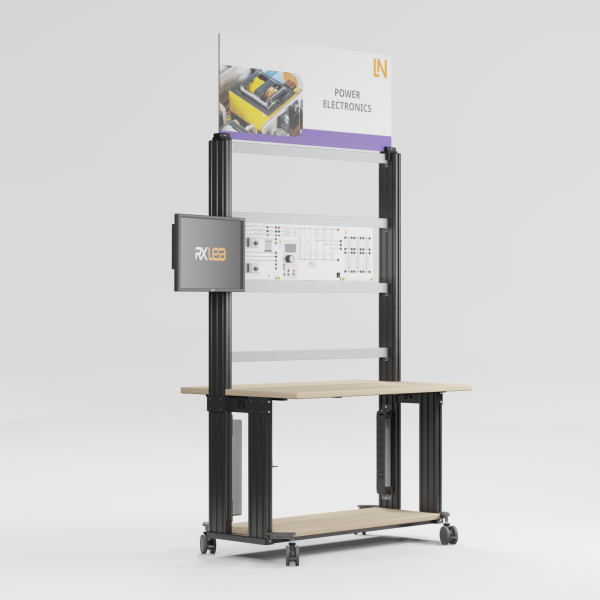
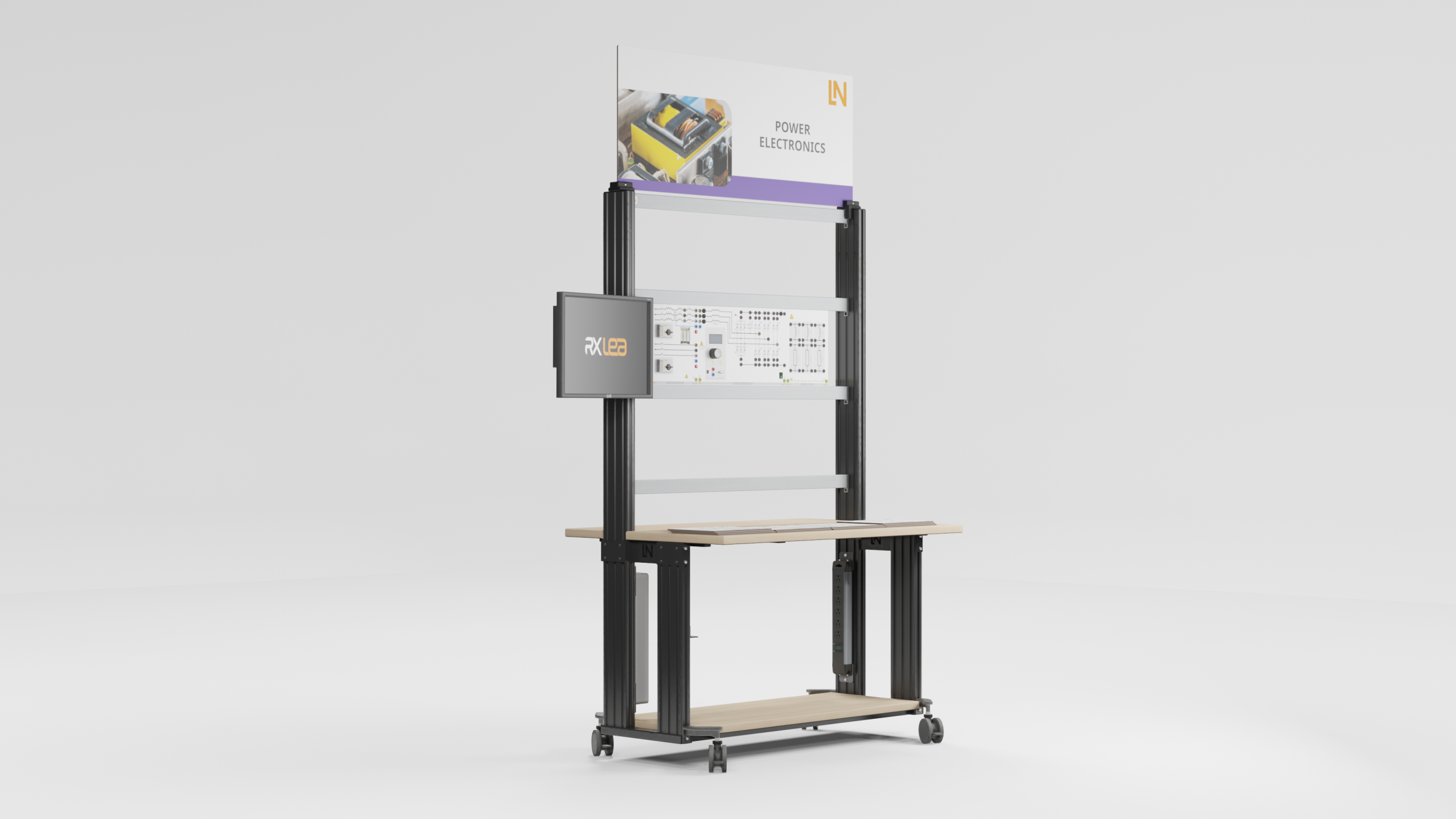
ST7200-7A7Mobile workstation, 3 level frame, 6 sockets, 1250x1970x800 mm, 49"x77.5"x31.5"
ST8010-4TMonitor holder for flat screen monitor of weight up to 15kg / 33lbs
ST7200-5LProtection cover for three-level experiment trolleys
ST8010-4GKeyboard adapter for flat screen monitor holders
ST8008-8N7Protected power distribution for workstations
ST8010-4J8Multiple power outlet strip, 6 outlets, US-standard
ST8000-5BDisplay for Power Electronics equipment
SO5148-1LSet of safety measurement cables, 4mm (31 leads)
SO5126-3RSafety connecting plug 4mm with tap (2x), black, 1000V/32A CAT II
SO5126-3VSafety connecting plug 4mm with tap (2x), blue, 1000V/32A CAT II
SO5126-3WSafety connecting plug 4mm with tap (2x), green/yellow, 1000V/32A CAT II

Learning Content in Detail

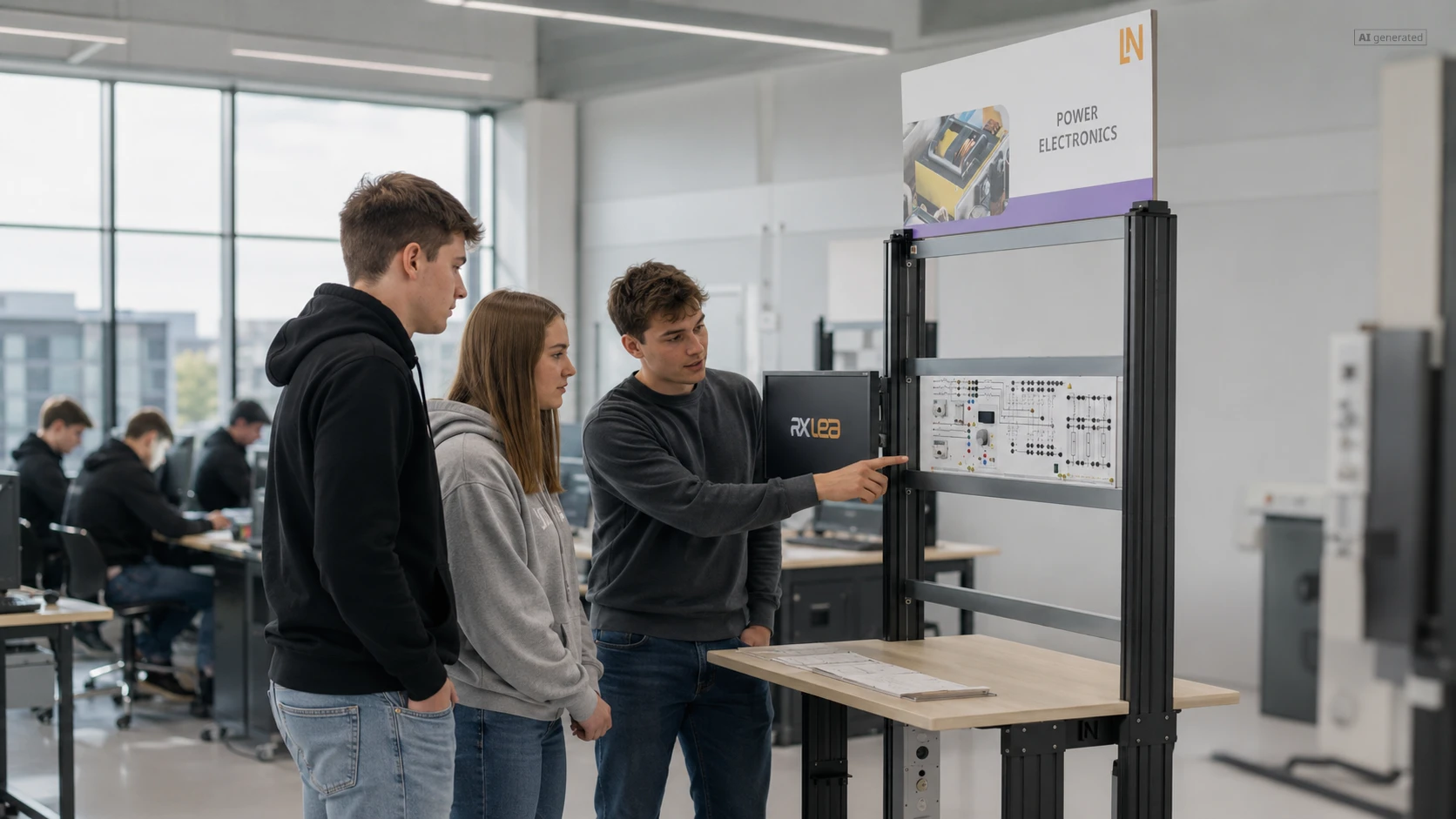
Students acquire the skills to build line-commutated power converter circuits, record their control characteristics and evaluate their effects on the supply grid.

Applying the fundamentals of power semiconductors

Students explain how diodes, thyristors and triacs work and analyze their behavior in DC and AC circuits.

Mastering phase angle control

Students control the output voltage in a targeted way via the firing angle and record the associated control characteristic.

Building and analyzing power converter circuits

Students implement M1, B2, B6, W1 and W3 circuits and measure the characteristic voltage and current waveforms with R and RL loads.

Assessing grid perturbations

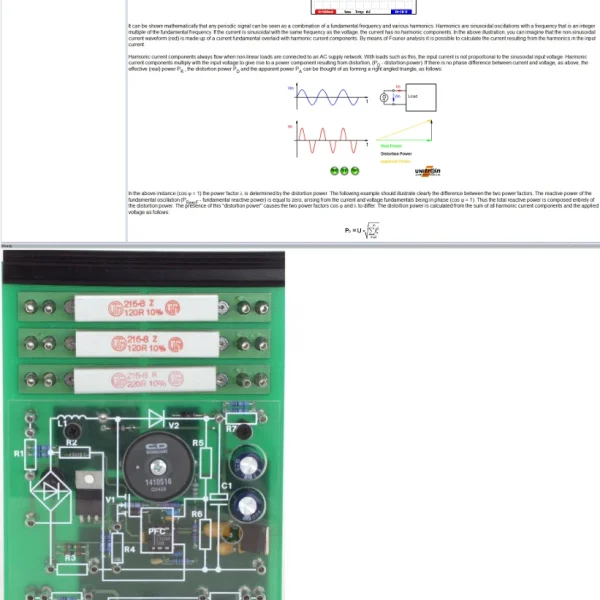
Students determine the harmonic content of the input current using FFT and assess its effect on the grid.

Features & Applications

The equipment set covers three fields of application: power switches and dimmers with phase-angle control in power engineering, controlled rectifiers for DC drives, and the fundamentals of high-voltage direct current (HVDC) transmission.
  • One kit for all line-commutated circuits — Using the integrated diode and thyristor valves, students build M1, B2, B6 and other topologies themselves. Building the circuits by hand makes the differences and similarities between the topologies easy to understand.
  • Setting the firing angle and analyzing harmonics — Using the Converter Control virtual instrument, students set the firing angle alpha precisely. The integrated FFT analyzer shows how phase-angle control affects the harmonic content of the current.
  • Investigating rectifiers, AC converters and three-phase converters systematically — Single-pulse (M1), two-pulse (B2) and six-pulse (B6) circuits can be implemented, as well as single-phase and three-phase AC power controllers (W1, W3) in uncontrolled, half-controlled and fully controlled versions.
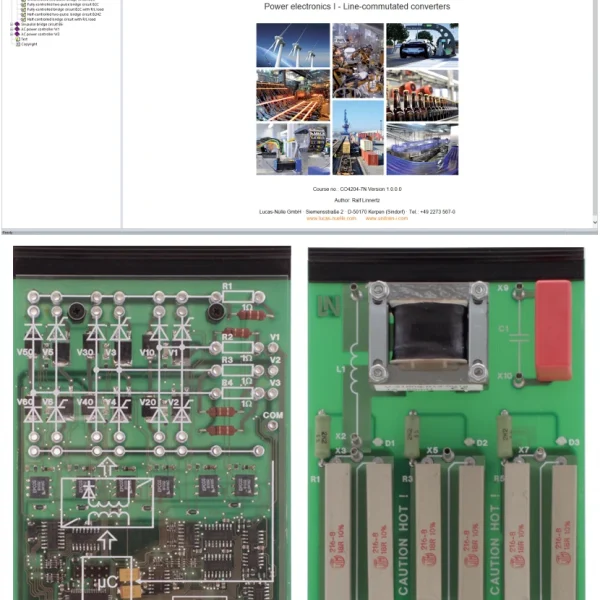
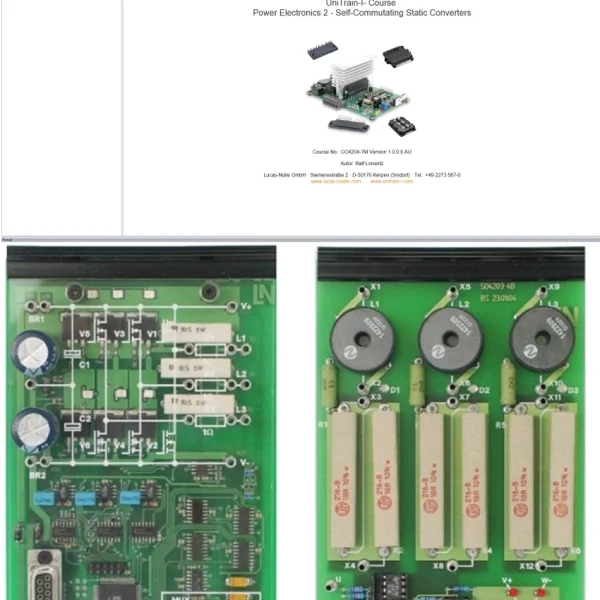
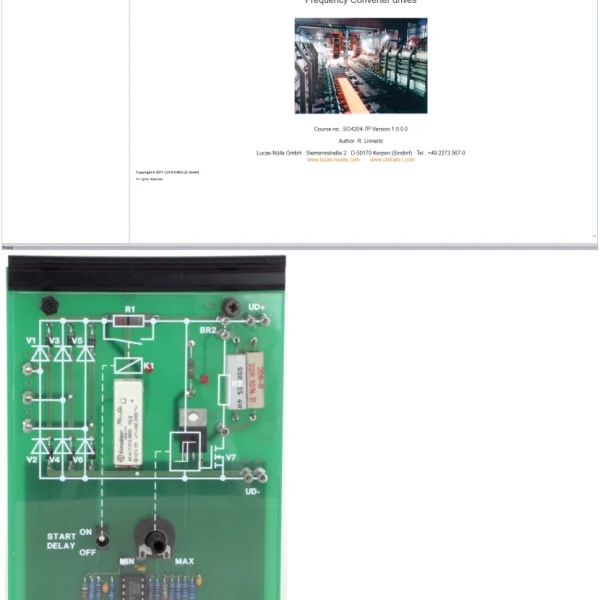
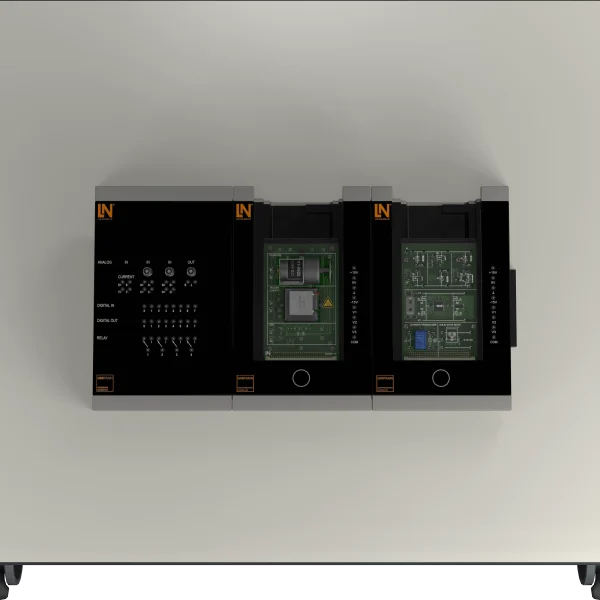
  • Universal thyristor/diode power converter — The core component combines 12 thyristors, 6 diodes and a triac with the complete DSP-based control and measurement technology on one board. More than 15 circuits are created via software instead of external wiring.
  • Universal R/L load for realistic load cases — The resistive and inductive load components can be switched separately. Students analyze phase-angle control with an R load and the motor case with an R-L load, including reactive power and discontinuous conduction. LEDs indicate the current direction, and self-resetting overload protection ensures reliable operation.
  • Converter Control virtual instrument — The PC software controls the power converter: students select the circuit, such as M1C, B2C or B6C, set the firing angle manually or automatically, follow signal waveforms on the integrated oscilloscope, analyze the spectrum using FFT and read off all measured variables.
Learners working with RXLea on a tablet at a Lucas-Nuelle training system
RXLea

From Knowledge Comes Capability.

You guide the learning

Where theory and practice go hand in hand.

RXLea brings a new way of learning: project-based, hands-on and clearly structured. Learners solve real-world tasks, while instructors save time on preparation. Interactive modules, smart analytics and real hardware create a modern, efficient learning world.

Hands-on and interactive

Animations, interactive tasks and realistic scenarios build a deep understanding. All content is organized into clear learning paths for focused, hands-on learning.

Digital support

3D assembly animations and digital instructions simplify complex procedures, reduce errors and help learners work more independently.

Visual support

Overview graphics, screenshots and sample animations make the learning world transparent. Photos from the learning packages are also available, including country-specific versions where needed.


Learners using a tablet at an energy training system
RXLea on desktop, laptop and tablet
RXLea Path Creator for building learning journeys
RXLea Navigator showing the learning world
Learn more about RXLea
Newsletter

Stay ahead in
technical training.

Get the latest training systems, product launches and educational insights, delivered directly to your inbox.

Your email address

By subscribing, you agree to our Privacy Policy. You can unsubscribe at any time.

 Please select at least one category before subscribing.
I'm interested in - select all that apply