

Line-Commutated Power Converters
A UniTrain course on line-commutated power converters: learners wire thyristors and diodes to form M1, B2 and B6 circuits, from uncontrolled to fully controlled, and investigate control characteristics, load behavior and effects on the grid.
- Analyzing commutation
- Recording control characteristics
- Assessing grid perturbations
- Testing semiconductor behavior
- Comprehensive range of circuits
- Integrated firing transformer technology
- Measurement data analysis with FFT
- Safe experimenting at safety extra-low voltage
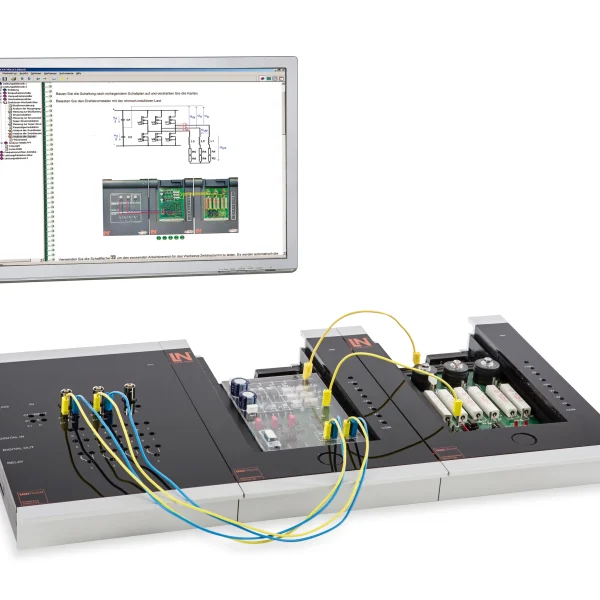
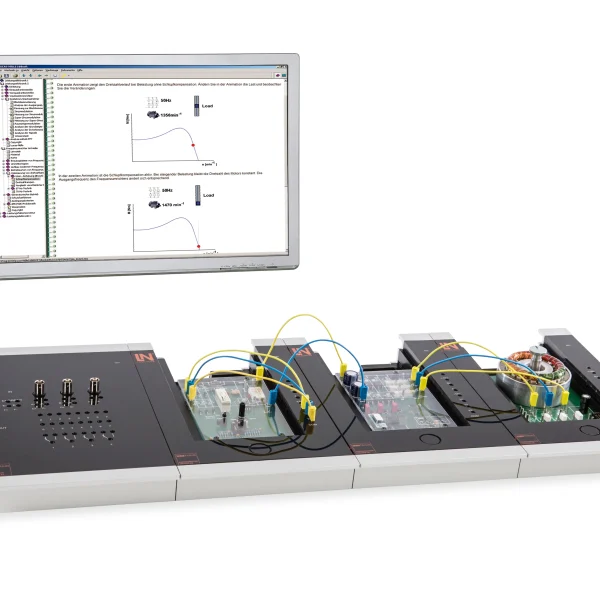
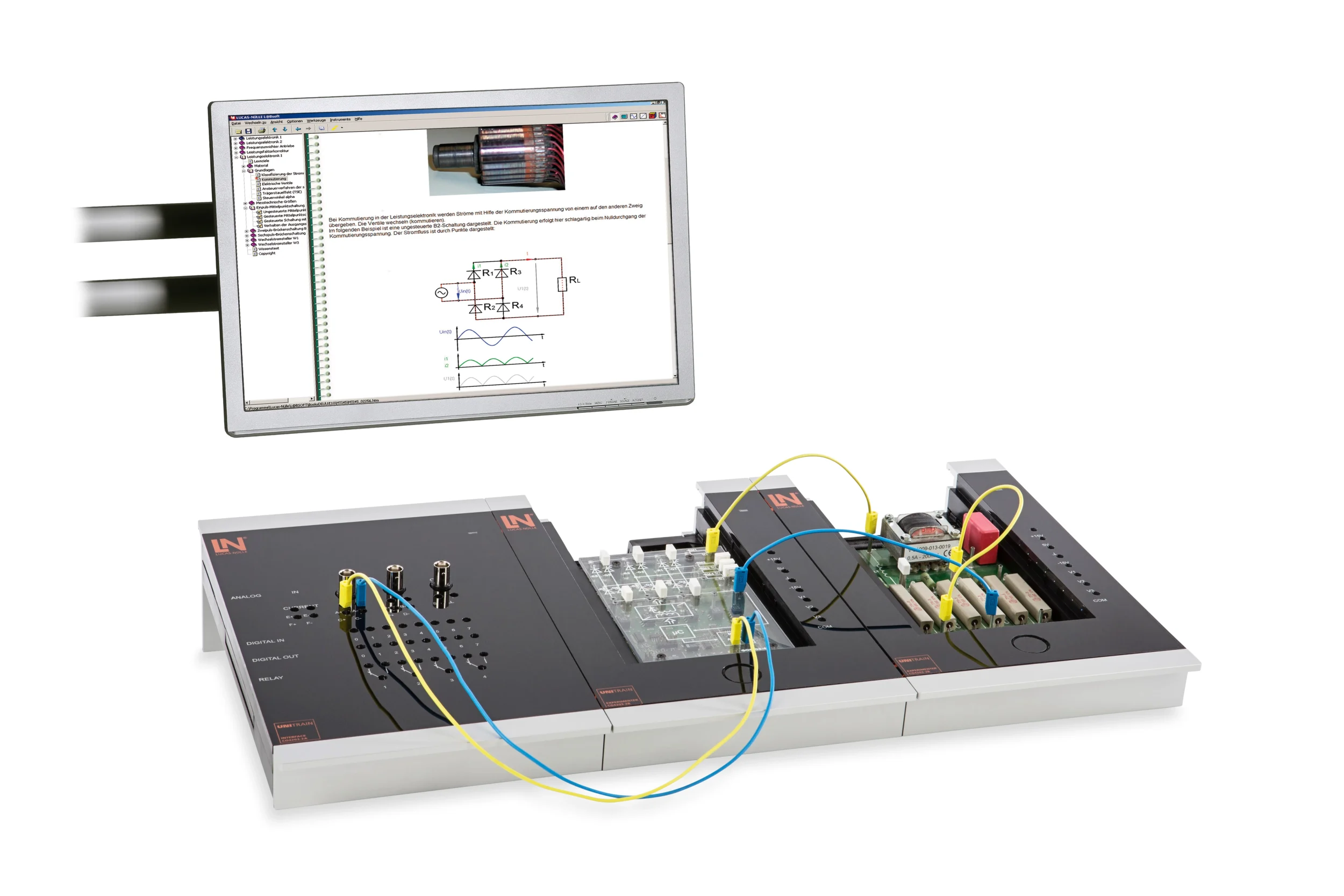
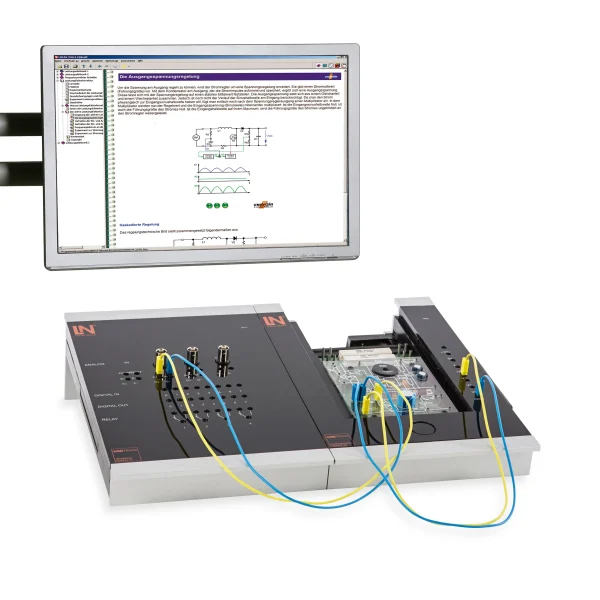
Line-commutated power converters use the line voltage for commutation. They are found in chargers, heating controls and DC drives, and anyone who designs or maintains them must be able to interpret firing angles and signal distortion. The UniTrain course leads there step by step. The experiment card carries thyristors and power diodes, which learners freely wire into M1, B2 and B6 circuits: uncontrolled, half-controlled and fully controlled. Real firing pulses via firing transformers demonstrate galvanic isolation and multi-pulse firing. On the RLC load card, learners investigate the load behavior and the effect of freewheeling diodes, and use FFT analysis to examine the harmonics that the converter feeds back into the grid. The entire setup works with safety extra-low voltage.
| Base Product | |
| CO4204-7N | Course Power electronics 1: Line-commutated power converters |
| Accessories | |
| CO4203-2A | UniTrain Interface mit virtuellen Instrumenten (Basis VI) |
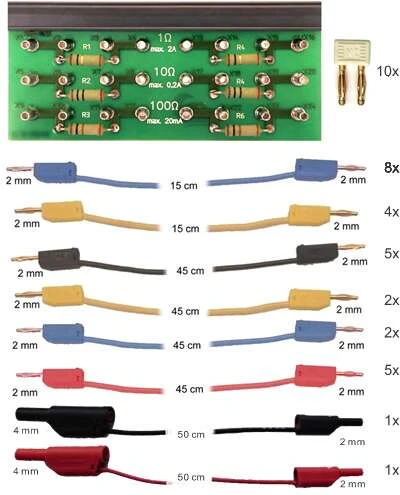
| CO4203-2J | UniTrain measurement accessories, shunts and connection cables |
| CO4203-2Y | UniTrain storage case for one UniTrain system |
| CO4203-2B | UniTrain Experimenter |
Learning Content in Detail
Analyzing commutation
Recording control characteristics
Assessing grid perturbations
Testing semiconductor behavior
Features & Applications
- Comprehensive range of circuits — Learners build uncontrolled, half-controlled and fully controlled circuits and compare the M1, B2 and B6 topologies under different load conditions.
- Integrated firing transformer technology — The system generates real firing pulses for the thyristors. Learners use them to grasp galvanic isolation and how multi-pulse firing works.
- Measurement data analysis with FFT — Learners investigate the effects on the grid using frequency analysis and assess how the converter load alters the sinusoidal line voltage.
- Safe experimenting at safety extra-low voltage — The system works with harmless safety extra-low voltage. Learners wire the circuits and measure the signals without risk.
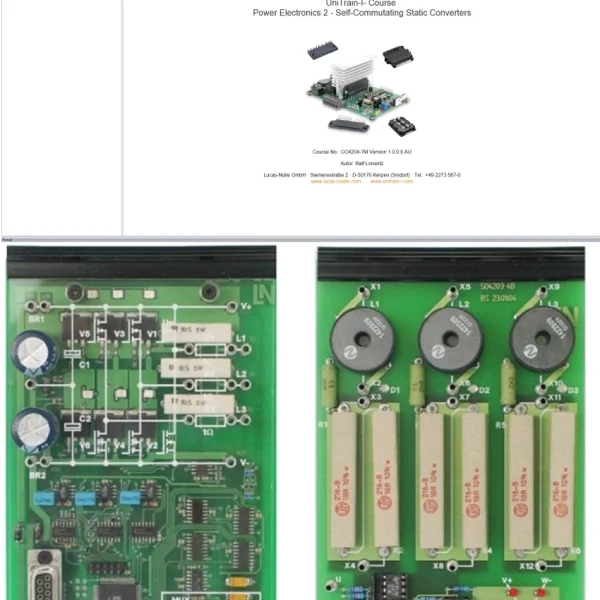
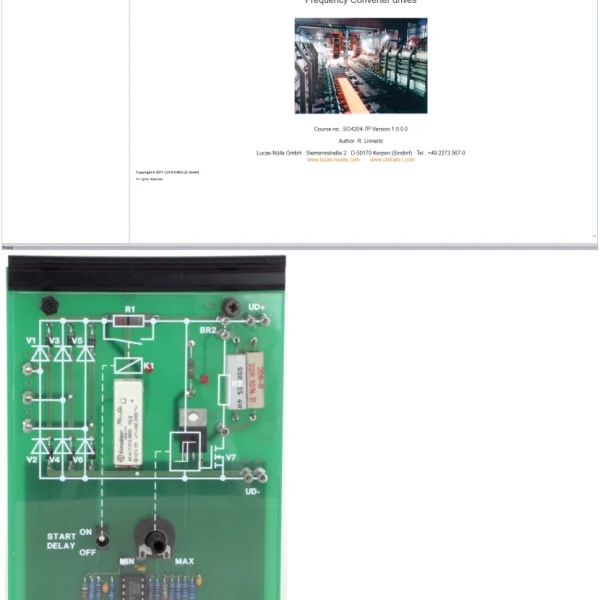
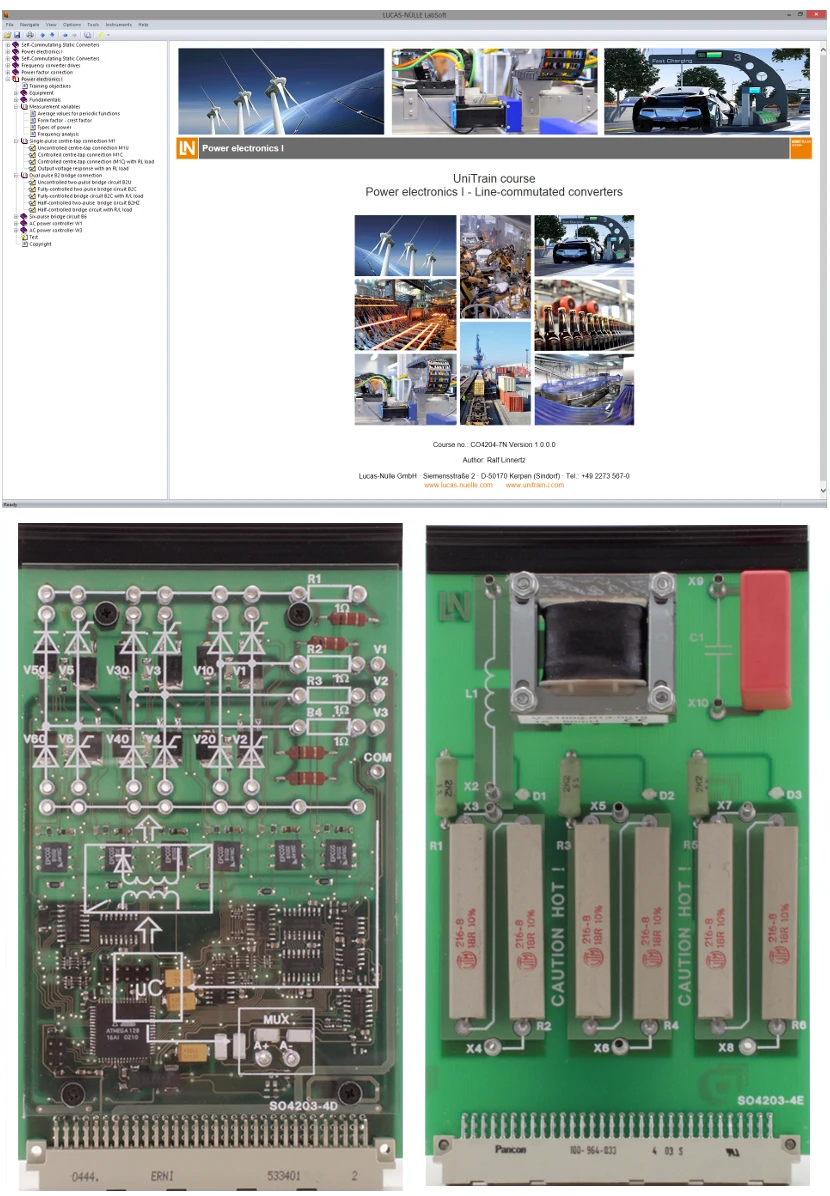
- Line-commutated power converters experiment card — The card contains thyristors and power diodes. Learners flexibly wire the semiconductors into various circuits and measure their operating behavior.
- RLC load experiment card — The card provides resistive, inductive and capacitive loads. Learners investigate the load behavior and the influence of freewheeling diodes on the current flow.
- Integrated measurement signal multiplexer — The multiplexer provides access to numerous measuring points in the circuit. Learners display several signals together and can thus determine operating behavior and timing precisely.
- LabSoft digital learning environment — The software combines theory and experiment: learners read instructions, answer interactive tests and save their measurement results directly in the HTML interface.
- Converter virtual instrument — Learners set the control angle alpha manually or automatically, regulate the output voltage and optimize the firing instants for inductive loads.
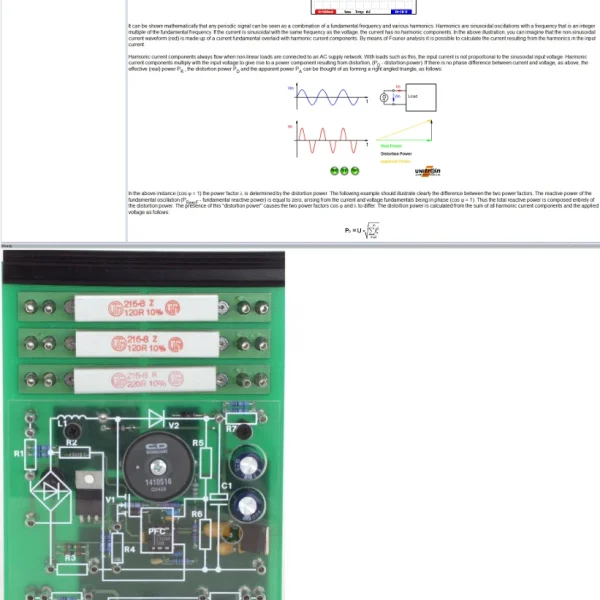
- Spectrum analyzer (FFT) with 3D power cube — The tool breaks distorted signals down into their harmonics and displays active, reactive and distortion power as a vector graphic. Learners evaluate the degree of distortion and the effects on the grid on screen.

From Knowledge Comes Capability.
You guide the learning
Where theory and practice go hand in hand.
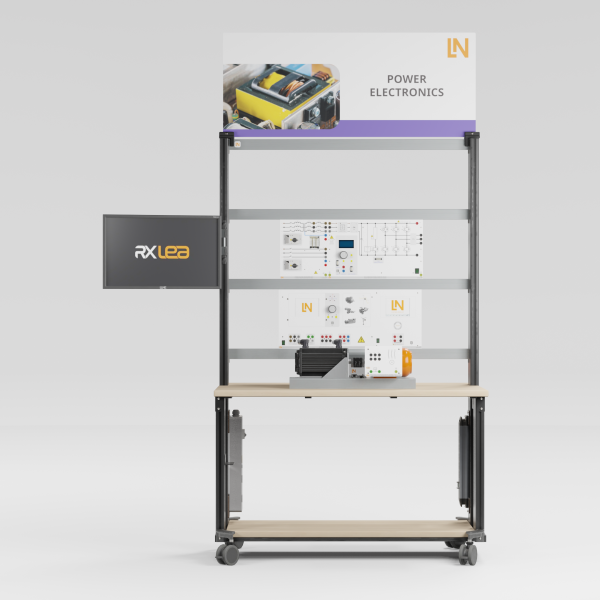
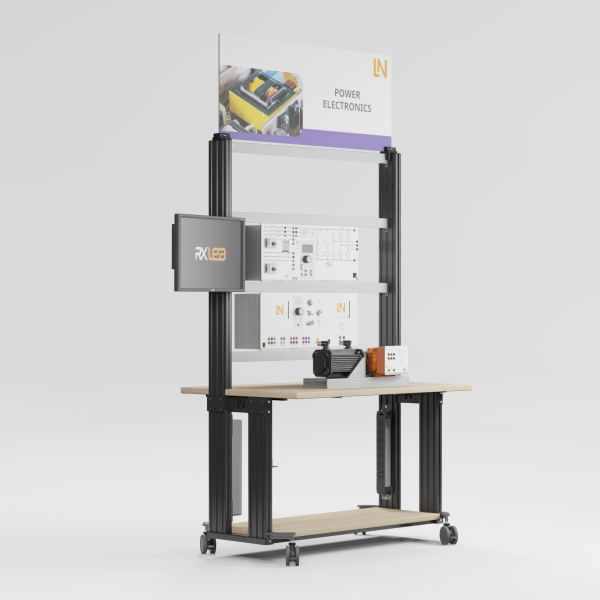
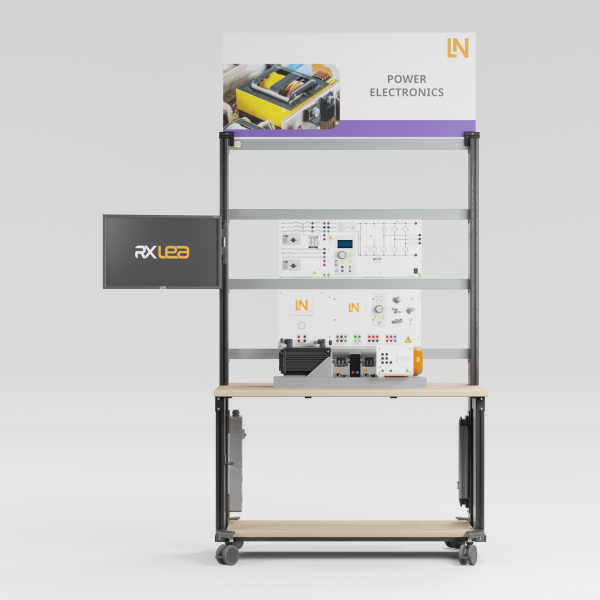
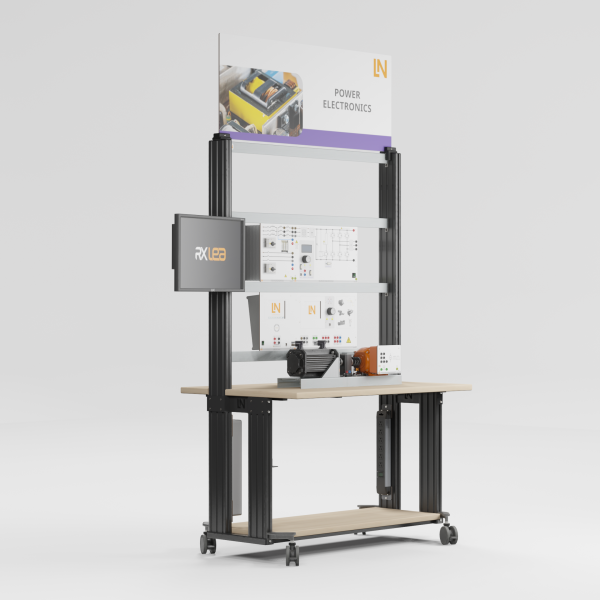
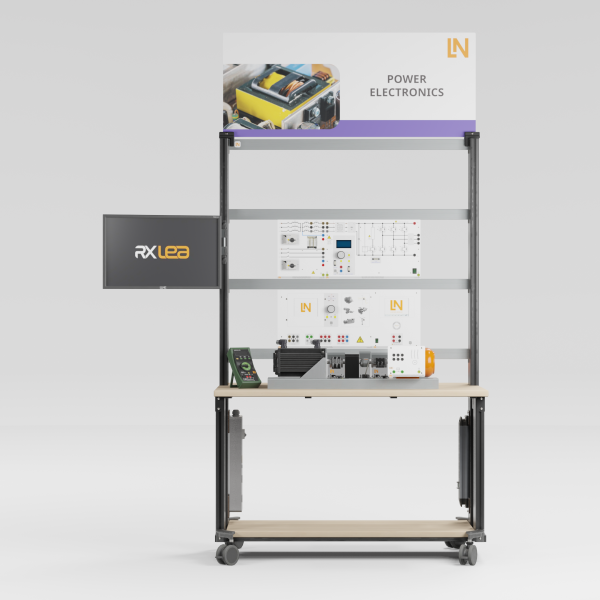
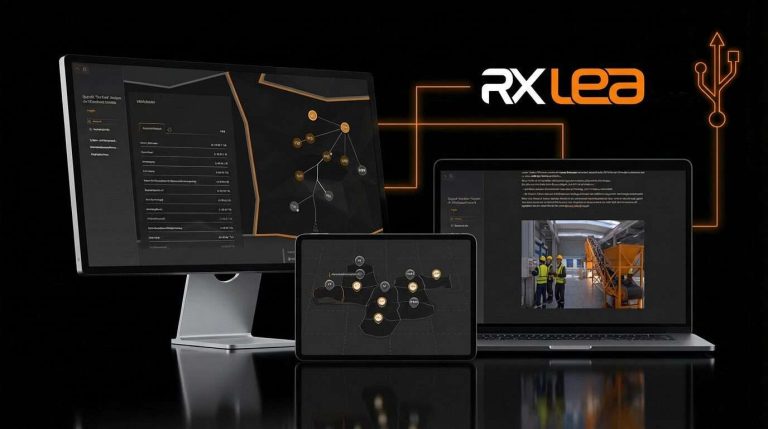
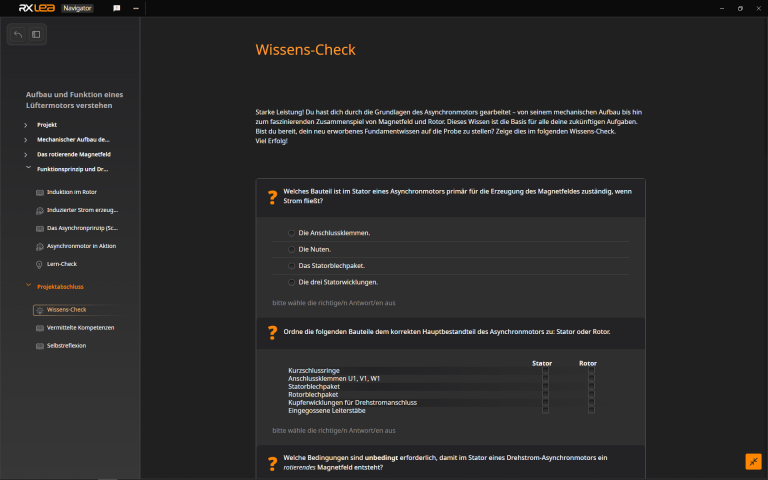
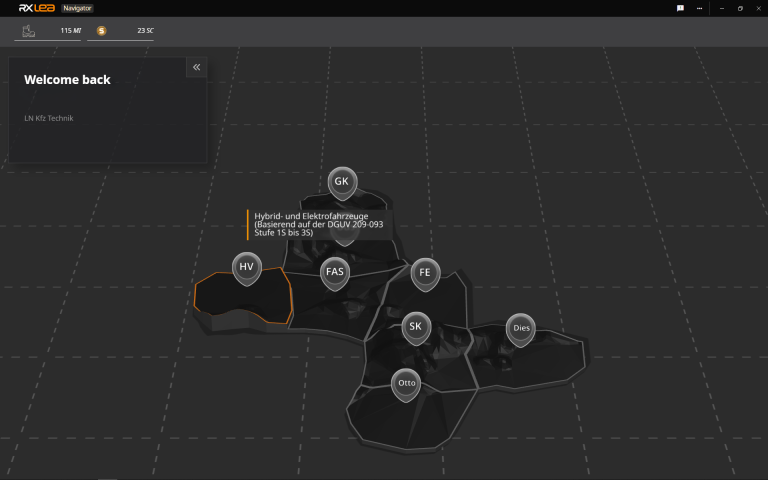
RXLea brings a new way of learning: project-based, hands-on and clearly structured. Learners solve real-world tasks, while instructors save time on preparation. Interactive modules, smart analytics and real hardware create a modern, efficient learning world.
Hands-on and interactive
Animations, interactive tasks and realistic scenarios build a deep understanding. All content is organized into clear learning paths for focused, hands-on learning.
Digital support
3D assembly animations and digital instructions simplify complex procedures, reduce errors and help learners work more independently.
Visual support
Overview graphics, screenshots and sample animations make the learning world transparent. Photos from the learning packages are also available, including country-specific versions where needed.

Stay ahead in
technical training.
Get the latest training systems, product launches and educational insights, delivered directly to your inbox.