

Skip to content

Synchronous Machines 300W

RXLea
Digital projects for hands-on learningInteractive learning content, directly connected to the training system.

Synchronous Machines 300W

EEM51PT-7-300W

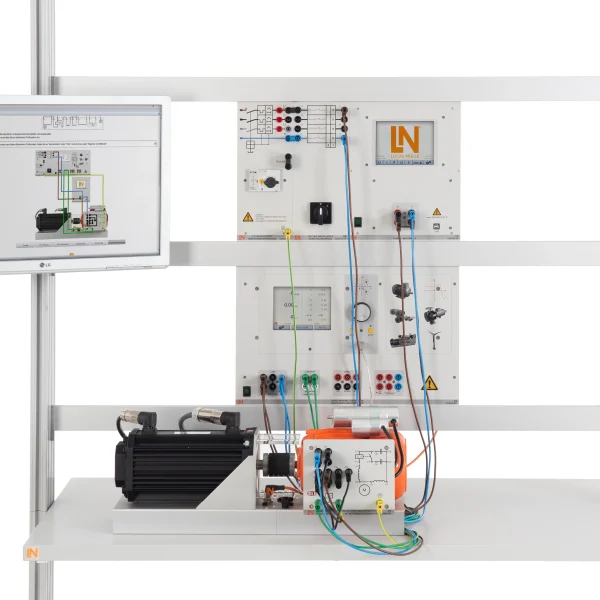
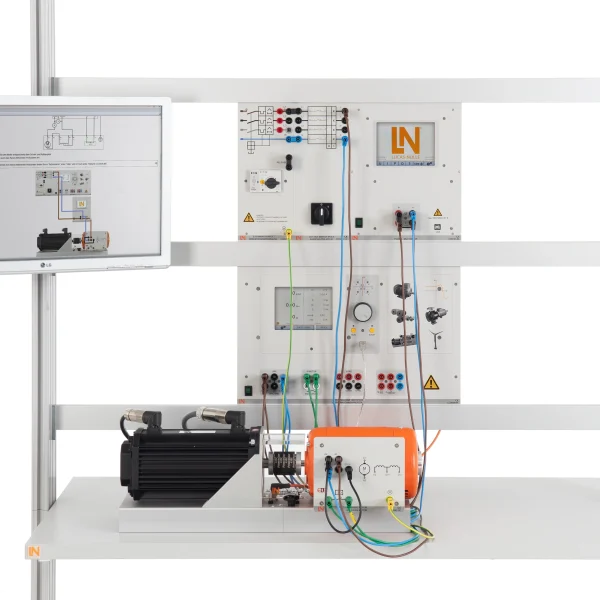
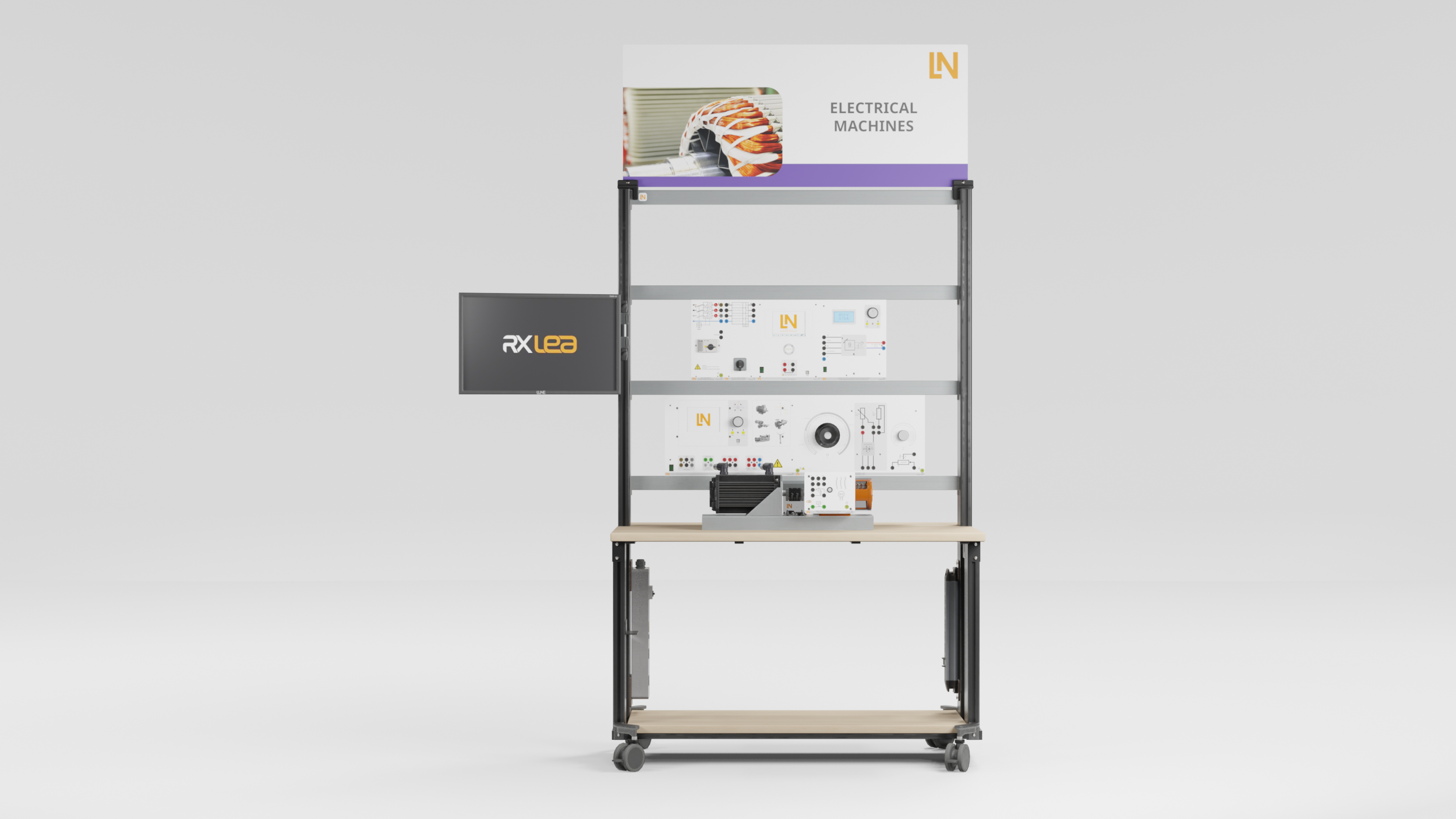
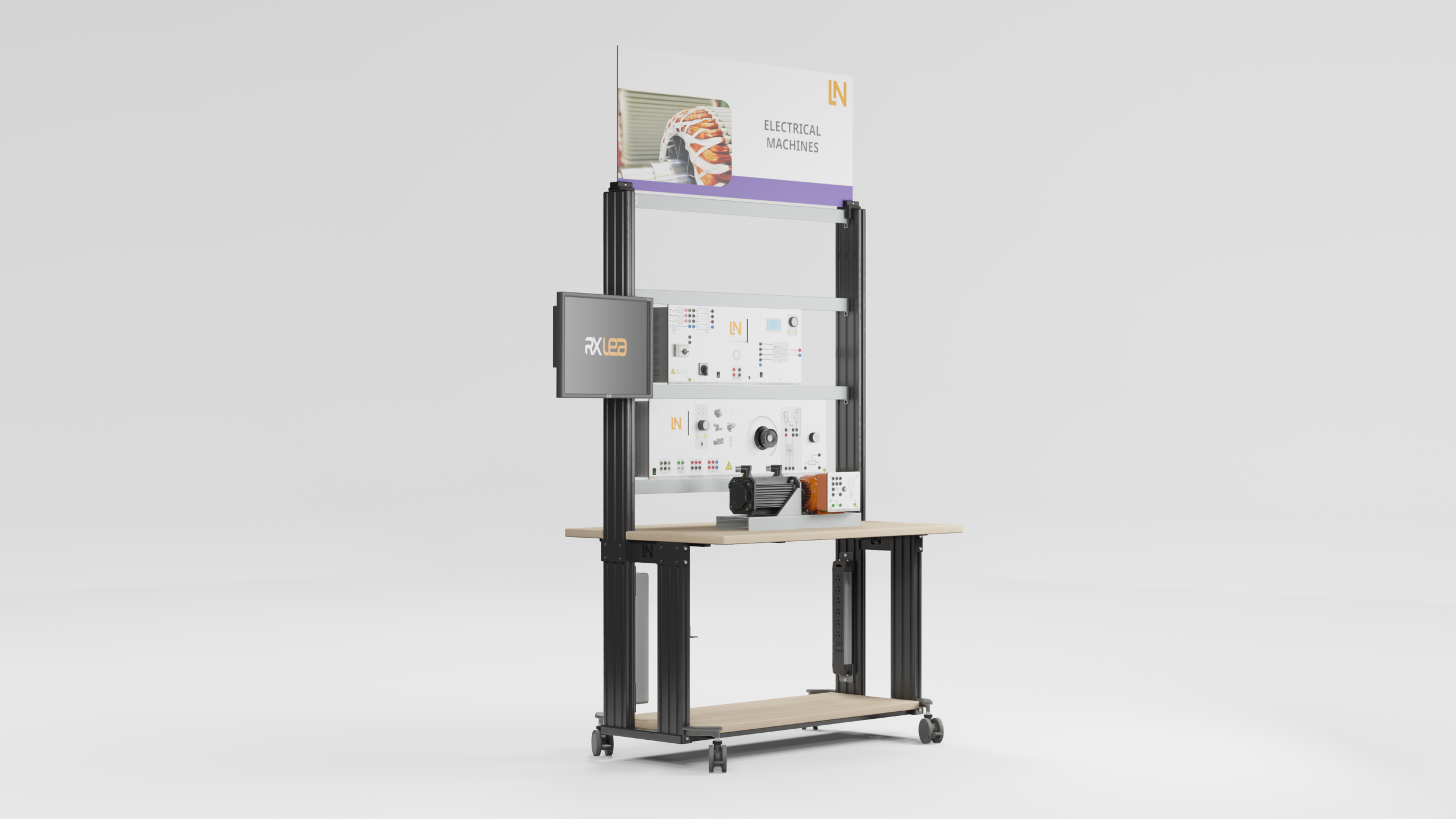
Training system for investigating three-phase synchronous machines in motor and generator operation, including phase shifter mode and V-curves.

Learning Content
  • Comparing operating modes
  • Applying synchronous condenser operation
  • Analyzing stability limits
  • Simulating island operation
KEY FEATURES
  • Analyzing motor and generator operation
  • Investigating synchronous condenser operation
  • Recording V-curves and the stability limit
  • Dynamic four-quadrant operation
Speak with a Product Specialist +1 (757) 808-5696 · sales@lucas-nuelle.com

Synchronous generators produce the electrical energy in almost all power plants. The bench-top system makes this behavior measurable in the laboratory: students operate the 0.3 kW machine as a motor and as a generator, record load characteristics and observe its constant-speed behavior right up to the point where it falls out of step. Using the excitation voltage controller, they vary the excitation current and investigate reactive power compensation. The servo machine test system loads the machine under test continuously in all four quadrants, the interactive course guides students through the experiments and ActiveServo records the characteristics. Finally, students determine V-curves, the stability limit and the behavior in island operation.

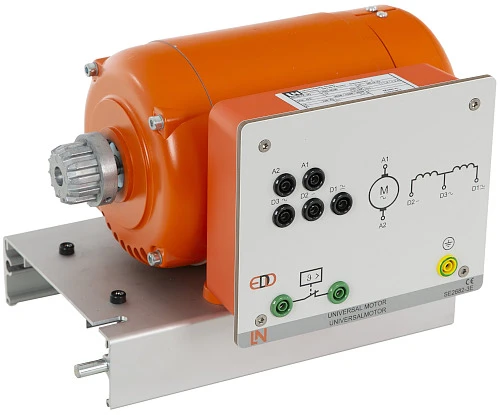
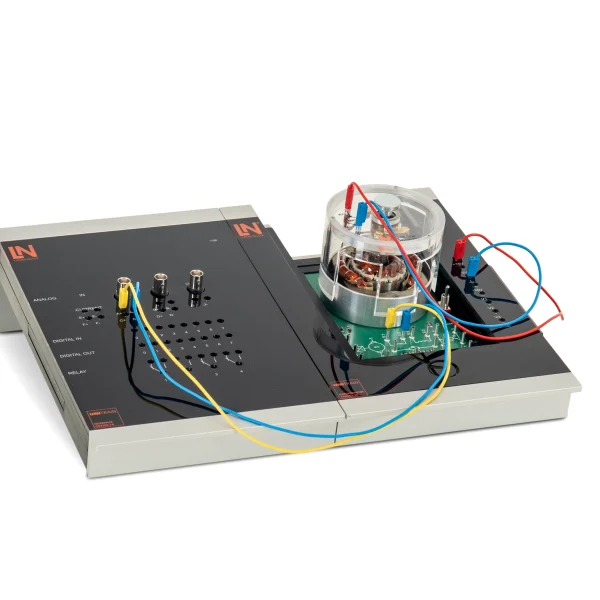
SE2682-3Q7Three-phase synchronous machine, 0,3 kW
CO3301-5GExciter voltage controller with de-excitation
SO2805-1G7Interactive Lab Assistant: Sync. machines, synchronization 0.3 kW
CO3212-5V7Three-phase power supply with motor protection switch
CO5127-2APower-Multimeter
CO3636-6X7Dynamic servo machine test stand for 300W machines incl. control software ActiveServo 2.0
SE2662-2ARubber coupling sleeve, 0.3kW
SE2662-7CCoupling guard with LED lighting for 300W machines
ST8010-4GKeyboard adapter for flat screen monitor holders
ST8008-8N7Protected power distribution for workstations
ST8010-4J8Multiple power outlet strip, 6 outlets, US-standard
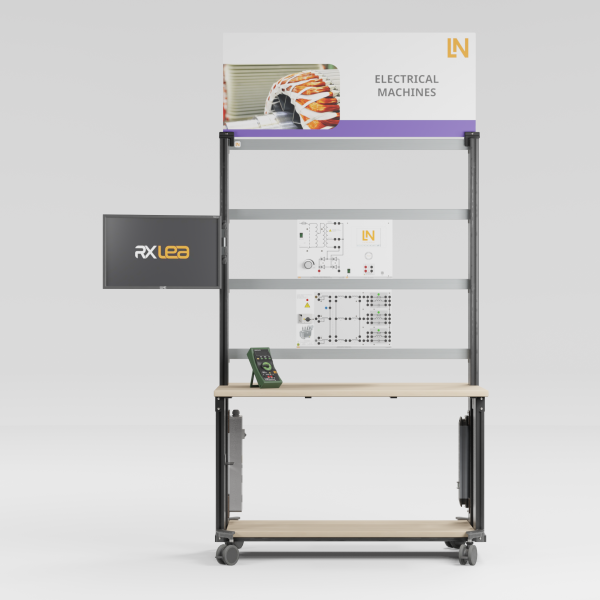
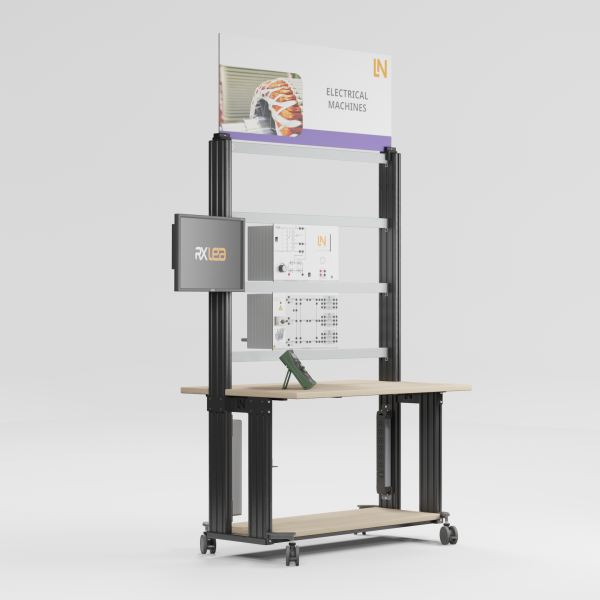
ST8000-5ADisplay for Electrical Machines equipment
SO5148-1LSet of safety measurement cables, 4mm (31 leads)
SO5126-3RSafety connecting plug 4mm with tap (2x), black, 1000V/32A CAT II
SO5126-3VSafety connecting plug 4mm with tap (2x), blue, 1000V/32A CAT II
SO5126-3WSafety connecting plug 4mm with tap (2x), green/yellow, 1000V/32A CAT II

Learning Content in Detail

Students explore the behavior of the synchronous machine in grid operation, in island operation and at the stability limit.

Comparing operating modes

Students distinguish between the behavior of the synchronous machine in motor and generator operation on the basis of load characteristics.

Applying synchronous condenser operation

Students compensate reactive power in the grid by specifically controlling the excitation current of the synchronous machine.

Analyzing stability limits

Students record V-curves and determine how different torques affect the loss of synchronism.

Simulating island operation

Students operate the synchronous generator autonomously and evaluate how speed and excitation current influence the output voltage.

Features & Applications

The experiments address tasks from power supply and grid technology, power plant engineering and the electricity industry, as well as from industrial drive technology.
  • Analyzing motor and generator operation — Students investigate the synchronous machine in both operating modes. They determine load characteristics and analyze torques as well as the behavior of the electrical quantities.
  • Investigating synchronous condenser operation — Students operate the machine for reactive power compensation. They vary the excitation current and analyze when capacitive and when inductive reactive power occurs.
  • Recording V-curves and the stability limit — Students vary the excitation at constant load, use this to determine the V-curves, observe the loss of synchronism and determine the stability limit of the machine.
  • Dynamic four-quadrant operation — The system allows load tests in all four quadrants. Students analyze torques and speeds over a continuously variable range and evaluate the measurement series on the PC.
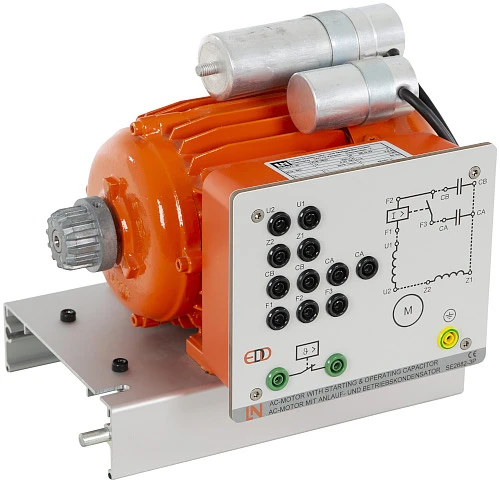
  • Three-phase synchronous machine, 0.3 kW — With its cylindrical rotor, the machine is suitable for motor and generator operation. An electronic nameplate (EDD) transfers the machine data to the software, making parameterization easier.
  • Servo machine test system as an active brake — The test system consists of a control unit and an induction servo. Students control torque or speed and measure the resulting mechanical and electrical quantities.
  • Excitation voltage controller with de-excitation — Students control the excitation manually. In the event of a fault, the de-excitation switch protects the generator by switching it off immediately.
  • Universal resistor as an adjustable load — The stepped load resistor simulates different loads, for example for generator operation.
  • Power multimeter with touch display — The measuring instrument records voltages, currents and power regardless of waveform. Students evaluate the signal waveforms on the PC via the USB interface.
  • Tool-free coupling with temperature protection — The machine under test and the brake are coupled without backlash and without tools. An integrated temperature contact monitors the machine and protects it against thermal overload.
  • Shaft cover with safety interlock — The plug-on cover protects against rotating parts. Its LED lights up green and enables the voltage only when there are no faults; in the event of overtemperature or other faults, it stays off.
  • ActiveServo software — Students use the software to record characteristics. They configure ramps, record load characteristics and export the measurement series for evaluation.
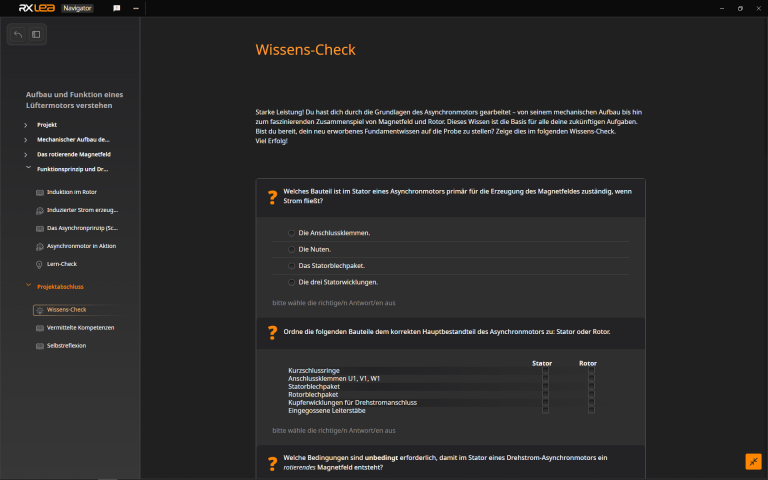
  • Interactive ILA course — The software guides students through all the experiments using multimedia. Students answer knowledge questions, evaluate measurements and save results by drag and drop.
  • Load simulation module — The software superimposes the motor characteristic on the characteristic of a virtual driven machine. Students read off the operating point live on the crosshair.
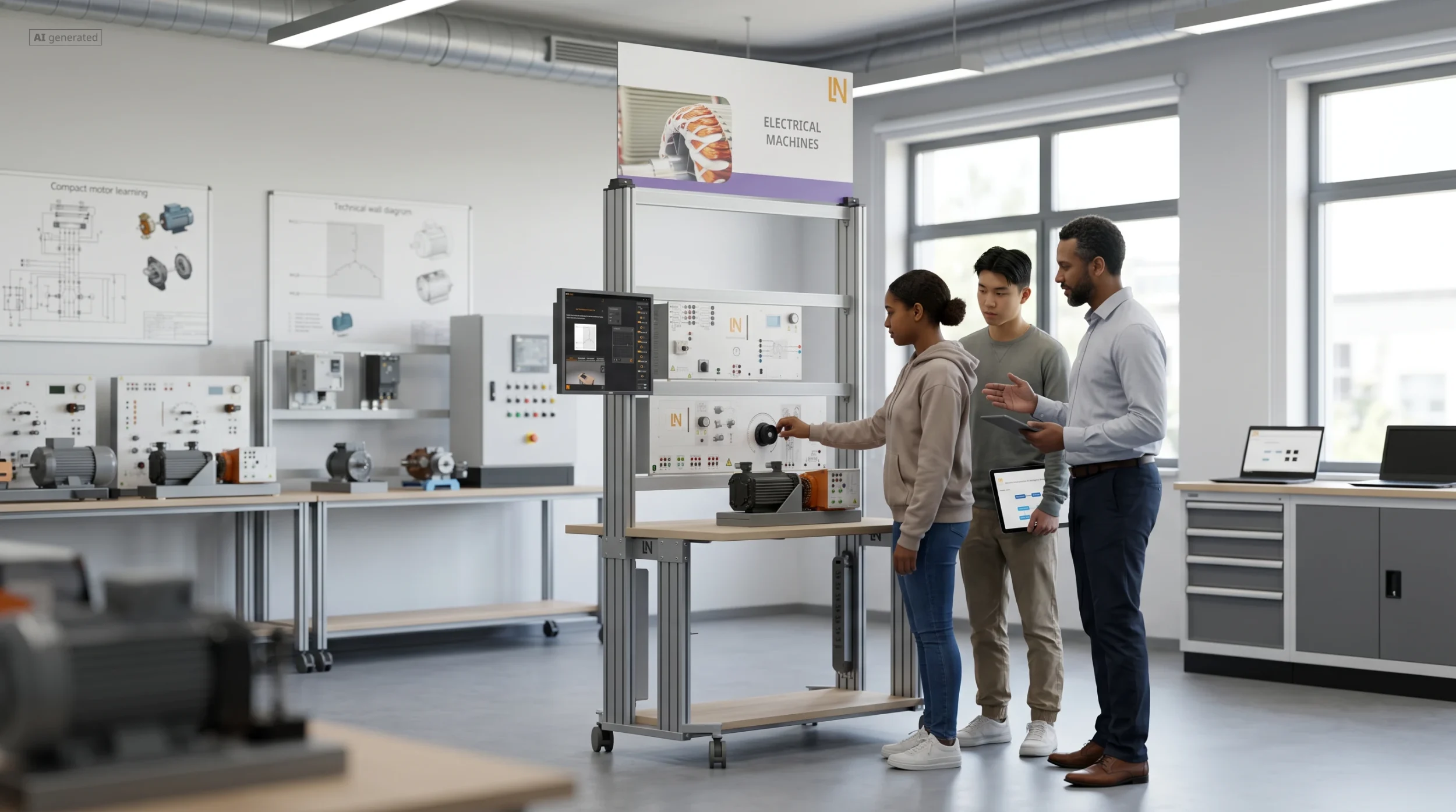
Learners working with RXLea on a tablet at a Lucas-Nuelle training system
RXLea

From Knowledge Comes Capability.

You guide the learning

Where theory and practice go hand in hand.

RXLea brings a new way of learning: project-based, hands-on and clearly structured. Learners solve real-world tasks, while instructors save time on preparation. Interactive modules, smart analytics and real hardware create a modern, efficient learning world.

Hands-on and interactive

Animations, interactive tasks and realistic scenarios build a deep understanding. All content is organized into clear learning paths for focused, hands-on learning.

Digital support

3D assembly animations and digital instructions simplify complex procedures, reduce errors and help learners work more independently.

Visual support

Overview graphics, screenshots and sample animations make the learning world transparent. Photos from the learning packages are also available, including country-specific versions where needed.

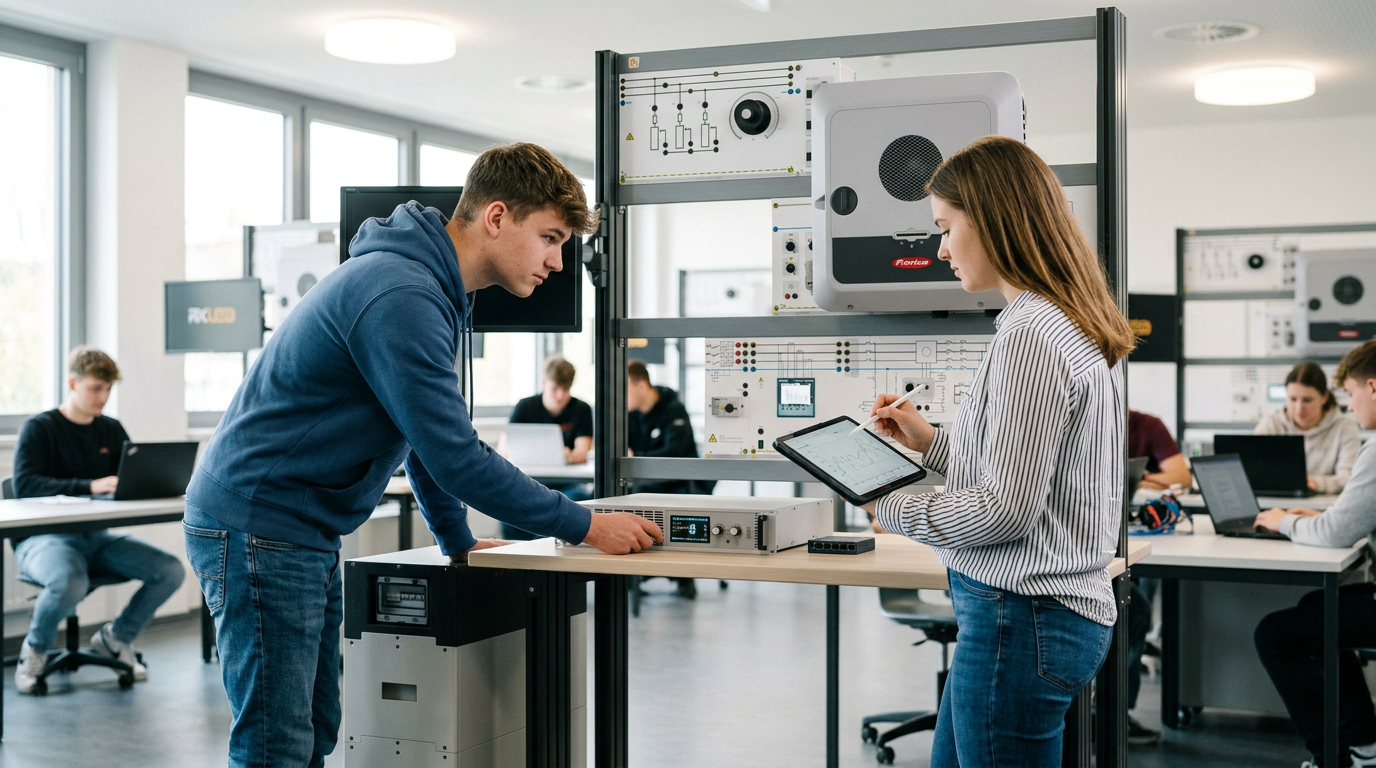
Learners using a tablet at an energy training system
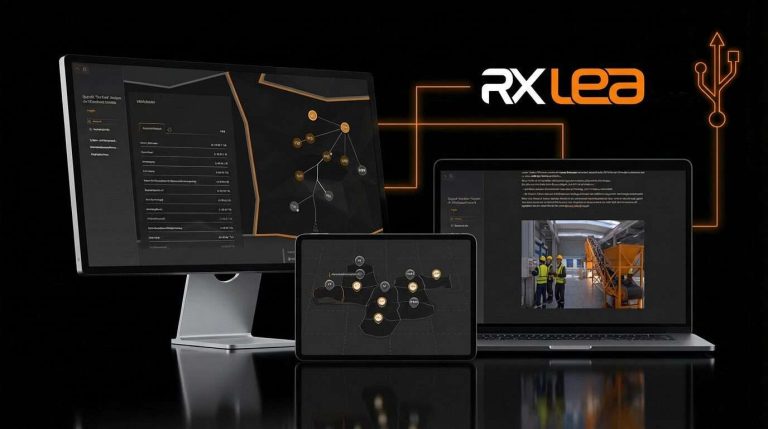
RXLea on desktop, laptop and tablet
RXLea Path Creator for building learning journeys
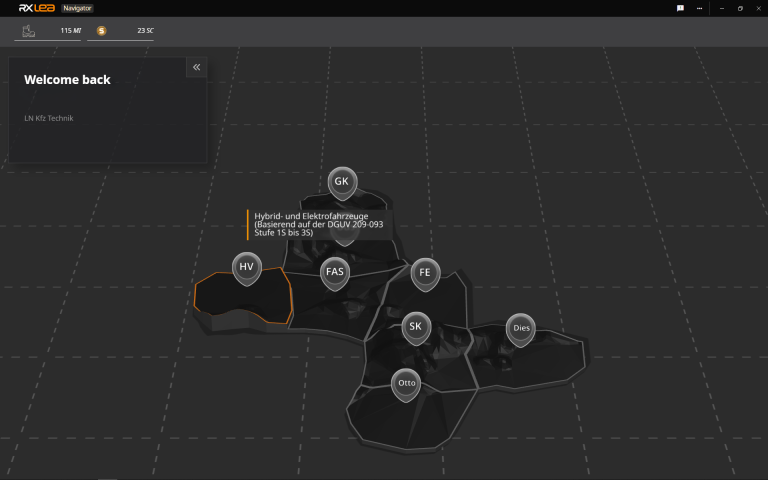
RXLea Navigator showing the learning world
Learn more about RXLea
Newsletter

Stay ahead in
technical training.

Get the latest training systems, product launches and educational insights, delivered directly to your inbox.

Your email address

By subscribing, you agree to our Privacy Policy. You can unsubscribe at any time.

 Please select at least one category before subscribing.
I'm interested in - select all that apply