

Skip to content

Semiconductor Components

RXLea
Digital projects for hands-on learningInteractive learning content, directly connected to the training system.

Semiconductor Components

BEL01UT

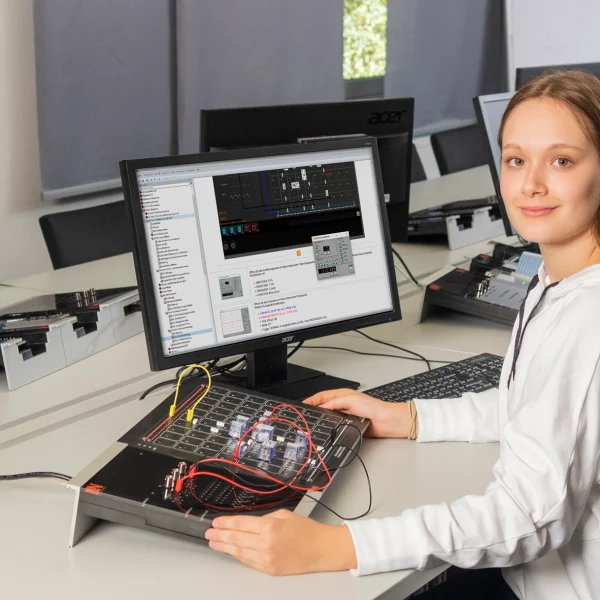
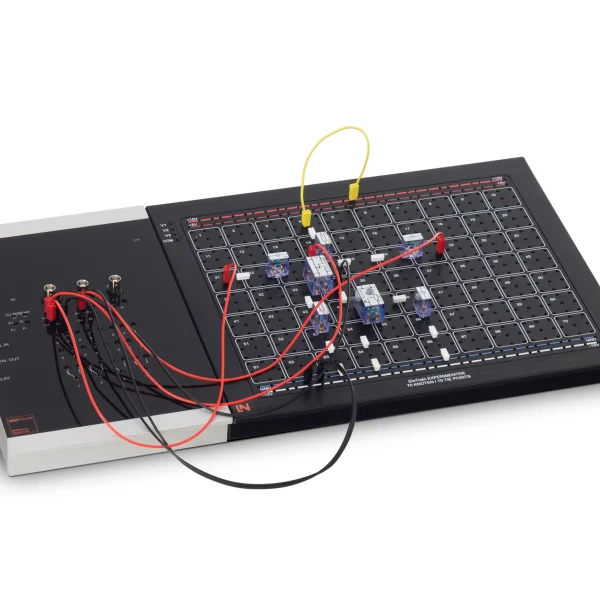
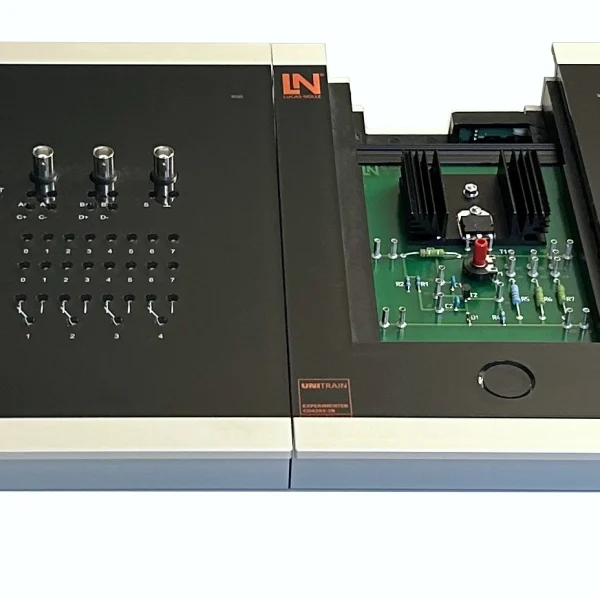
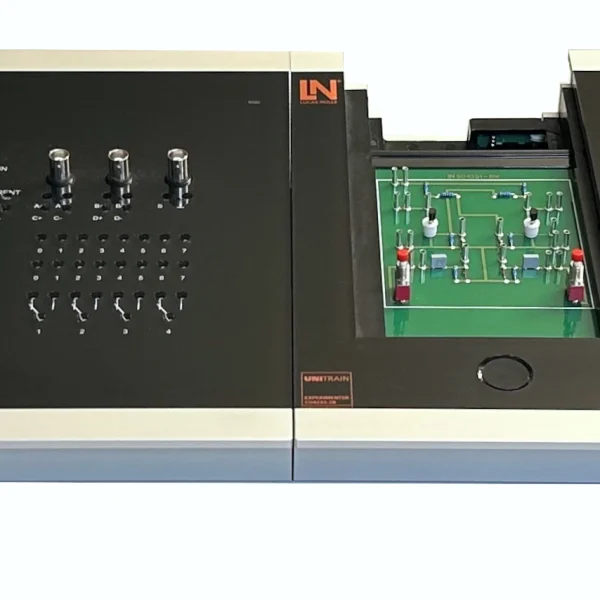
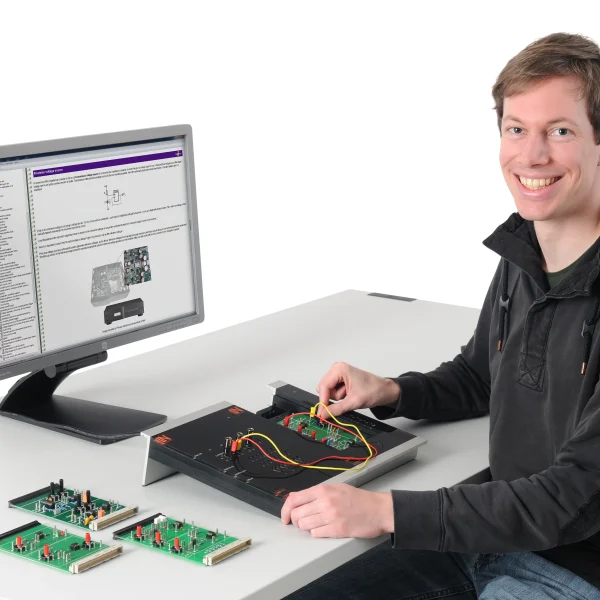
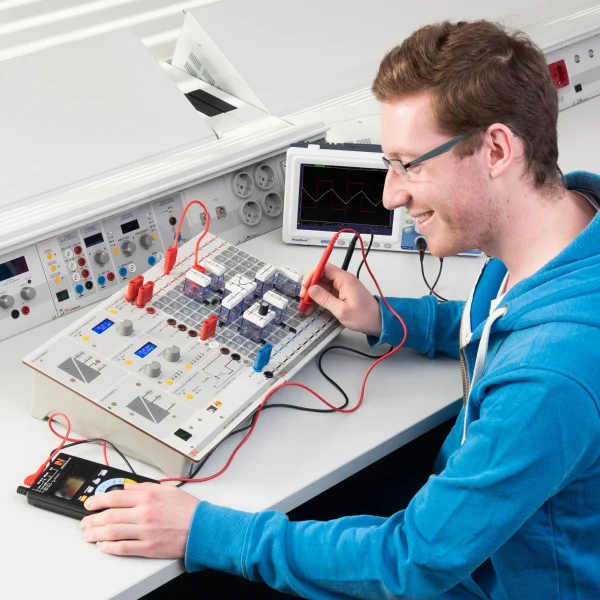
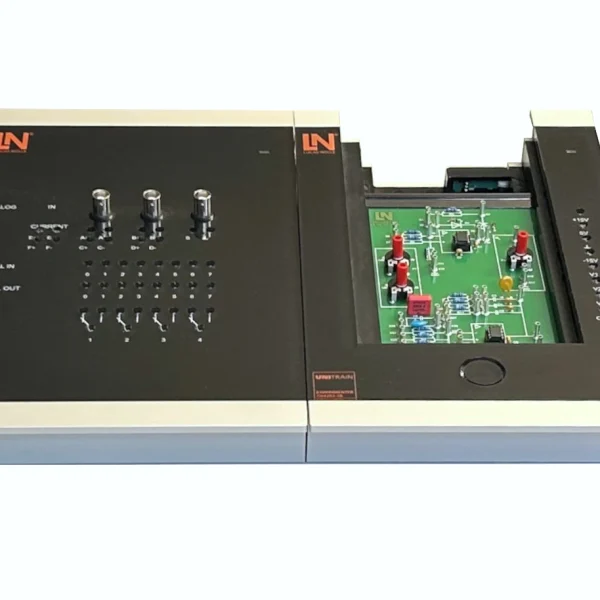
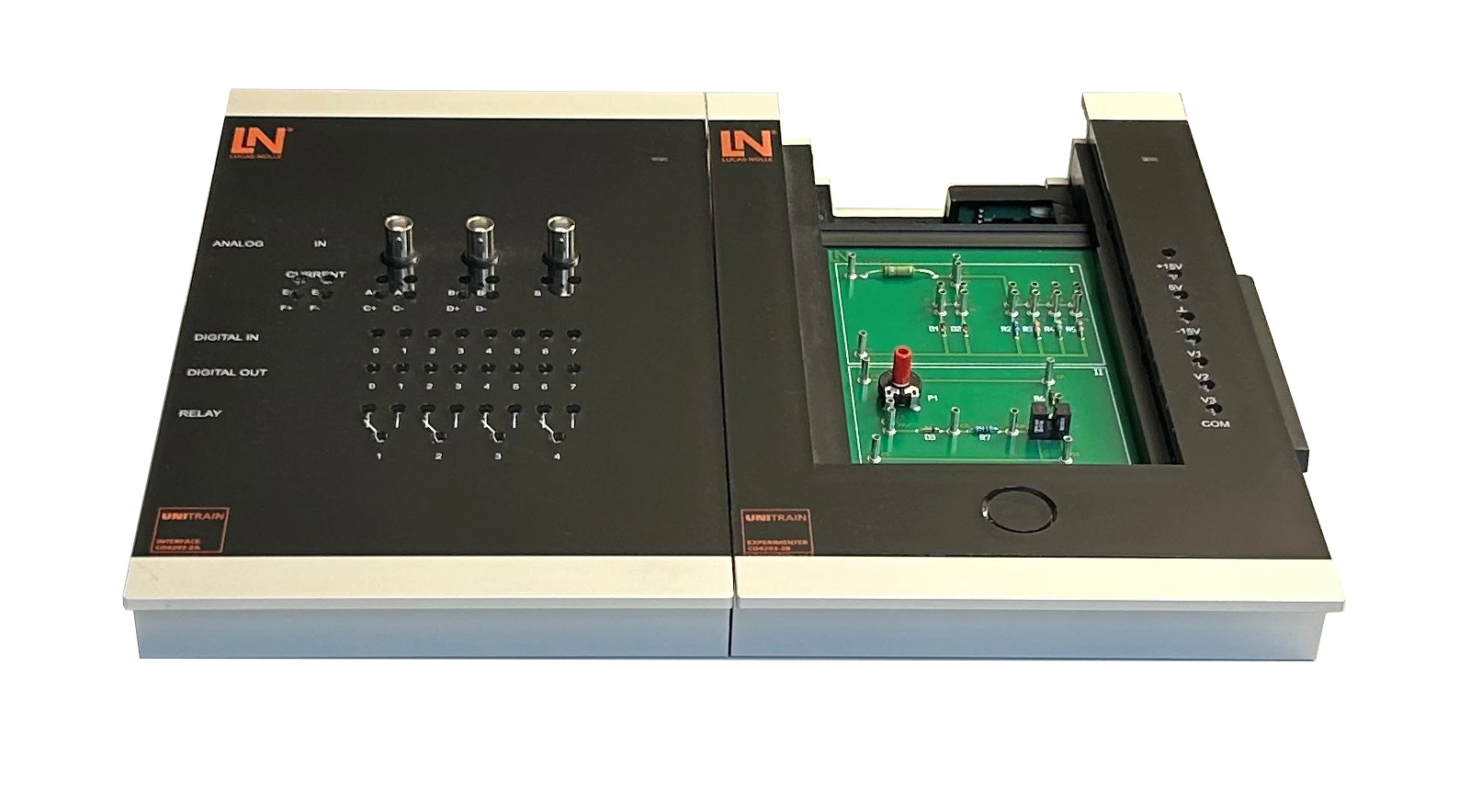
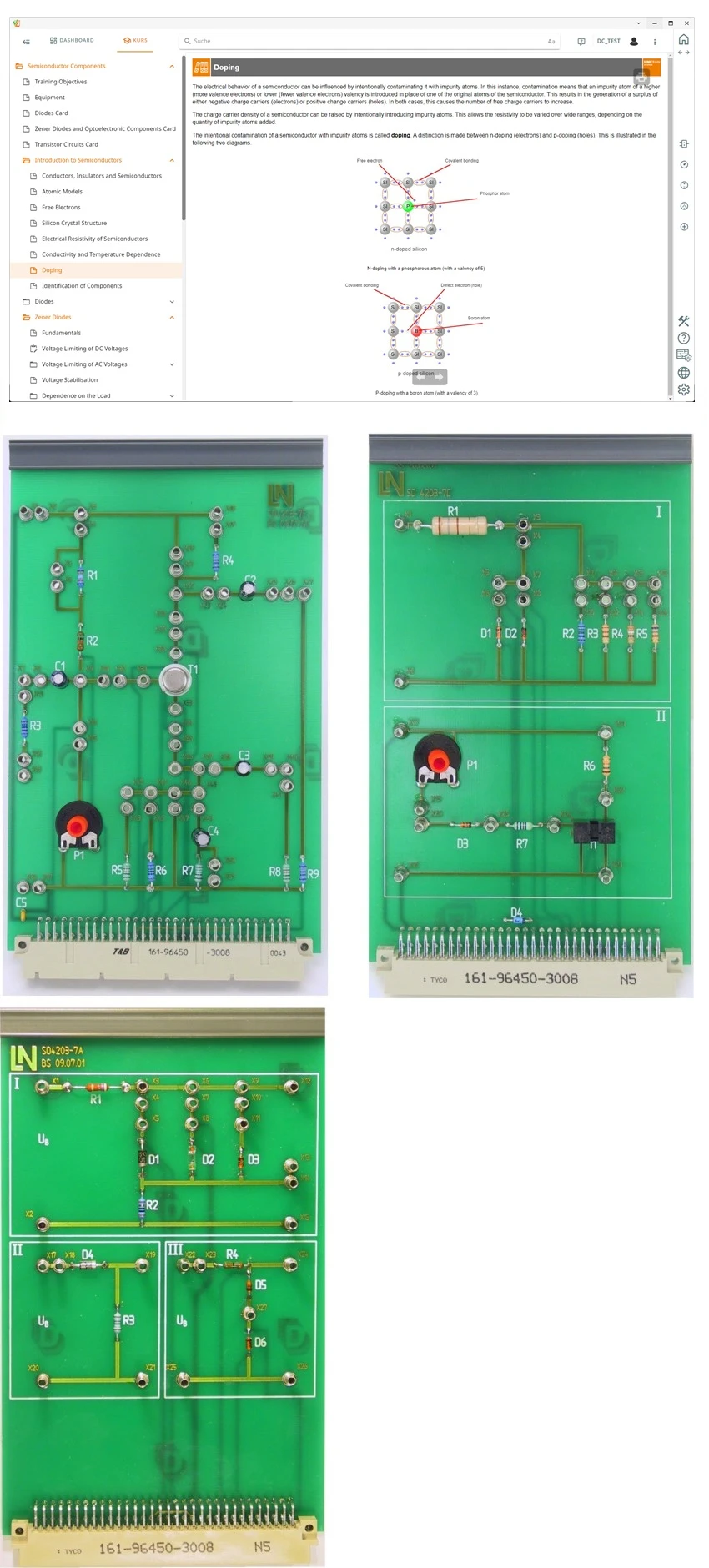
UniTrain training system with experiment cards on diodes, Zener diodes, optoelectronics and transistor circuits: learners record characteristic curves and use the software to locate inserted faults.

Learning Content
  • Understanding how semiconductors work
  • Naming semiconductor materials and their properties
  • Explaining doping and the p-n junction
  • Naming the properties of diodes
KEY FEATURES
  • Investigating transistor circuits in detail
  • Software-assisted troubleshooting
  • Theory and experiment closely interlinked
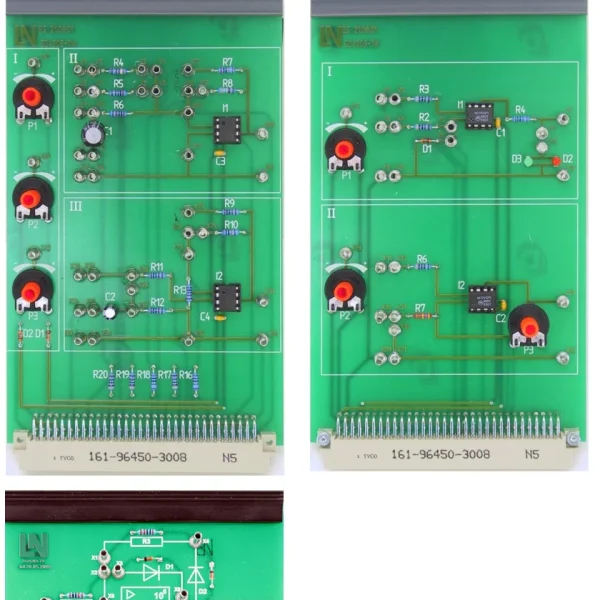
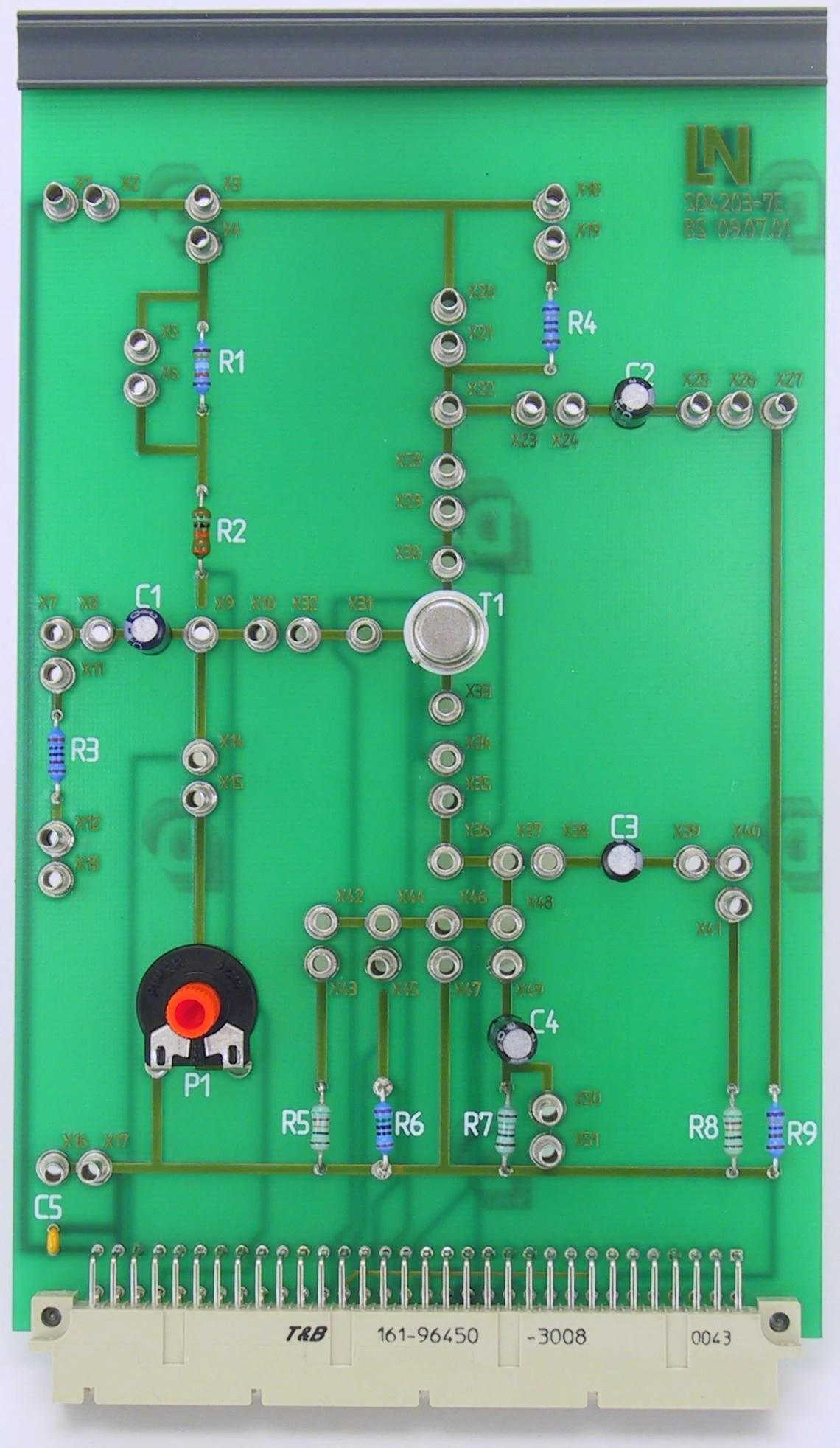
  • Transistor circuits experiment card
Speak with a Product Specialist +1 (757) 808-5696 · sales@lucas-nuelle.com

No electronic assembly can be repaired without a reliable understanding of how semiconductor components behave. The training system therefore combines theory with laboratory experiments: three experiment cards cover diodes, Zener diodes with optoelectronic components, and transistor circuits. Learners record static and dynamic diode characteristics, investigate limiter and stabilizer circuits with Zener diodes, take measurements on infrared LEDs, phototransistors, optocouplers and fork light barriers, and adjust the operating point of a bipolar transistor in common-emitter and common-collector configurations. Measurements are made with virtual instruments via the UniTrain interface. The software uses built-in relays to insert faults on the cards, so that troubleshooting is practiced as well.

CO4204-5ACourse Electronics 1: Semiconductor components
LM2330Multi13S digital multimeteroptional
CO4203-2AUniTrain Interface mit virtuellen Instrumenten (Basis VI)
CO4203-2JUniTrain measurement accessories, shunts and connection cables
CO4203-2YUniTrain storage case for one UniTrain system
CO4203-2BUniTrain Experimenter

Learning Content in Detail

Learners can name the properties of diodes, Zener diodes, optoelectronic components and transistors, record their characteristic curves and evaluate circuits by measurement.

Understanding how semiconductors work

Learners learn how semiconductor components are structured and what gives rise to their effect.

Naming semiconductor materials and their properties

Learners name the common semiconductor materials and assign their properties to them.

Explaining doping and the p-n junction

Learners explain what doping does and what happens at the p-n junction.

Naming the properties of diodes

Learners name the most important properties of diodes and assign them to the different types.

Recording static and dynamic diode characteristics

Learners record the characteristic curves of various diodes statically and dynamically and evaluate them.

Investigating limiter and stabilizer circuits

Learners investigate circuits with Zener diodes for voltage limiting and stabilization.

Investigating the switching properties of the phototransistor

Learners test the switching behavior of a phototransistor and record its characteristic curve.

Measuring a phototransistor and LED together

Learners investigate the interaction between an LED and a phototransistor and record the characteristic curves of both components.

Naming basic transistor circuits

Learners name the basic transistor circuits and distinguish between them.

Investigating transistor circuits by measurement

Learners adjust the operating point of a bipolar transistor and compare the voltage gain of common-emitter and common-collector circuits.

Features & Applications

The experiments address the tasks that arise in circuit engineering and electronics development, as well as in the maintenance of electronic assemblies.
  • Investigating transistor circuits in detail — Learners analyze bipolar transistors in common-emitter and common-collector circuits with different types of negative feedback and adjust the operating point experimentally.
  • Software-assisted troubleshooting — The software uses built-in relays to insert faults on the cards. Learners locate them systematically and build diagnostic skills in the process, without anyone having to intervene in the hardware.
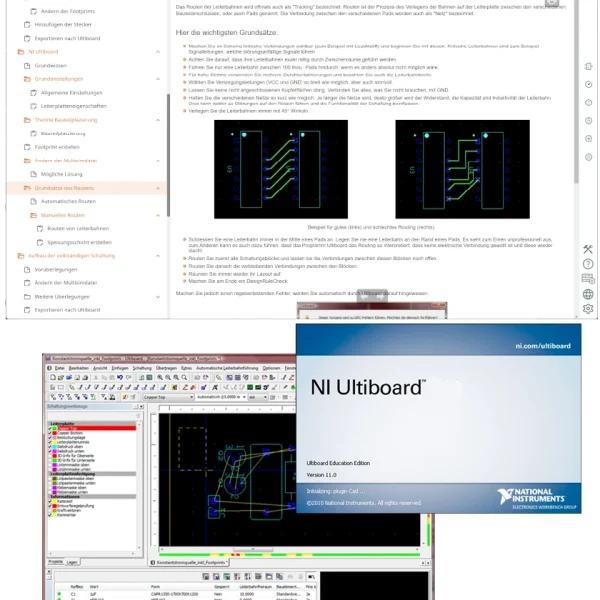
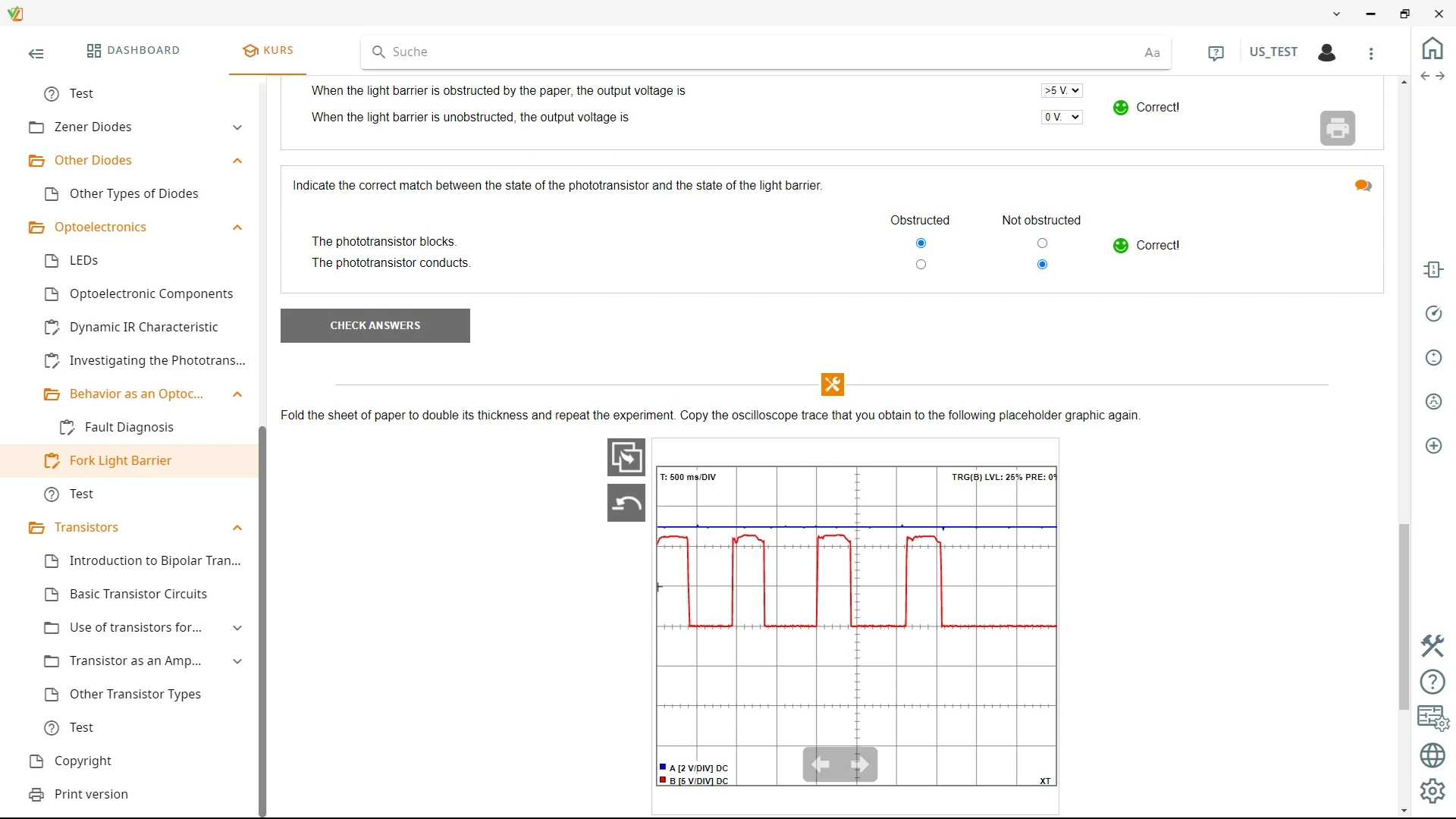
  • Theory and experiment closely interlinked — Multimedia content and the experiments on the cards dovetail with each other. Learners work independently and apply what they have read directly to building the circuit.
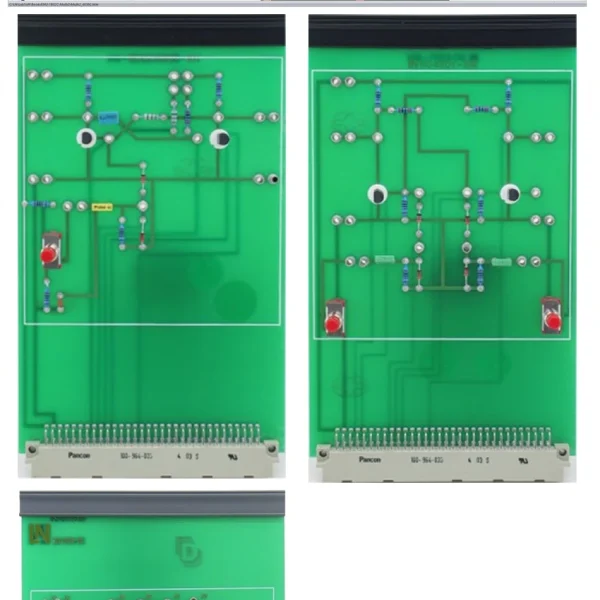
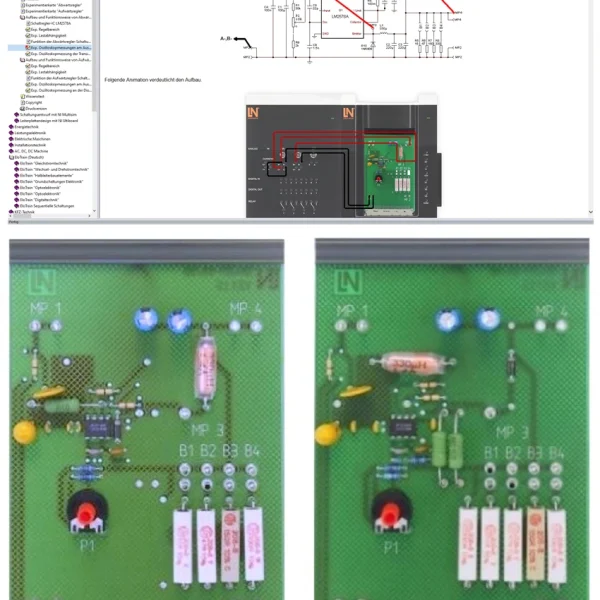
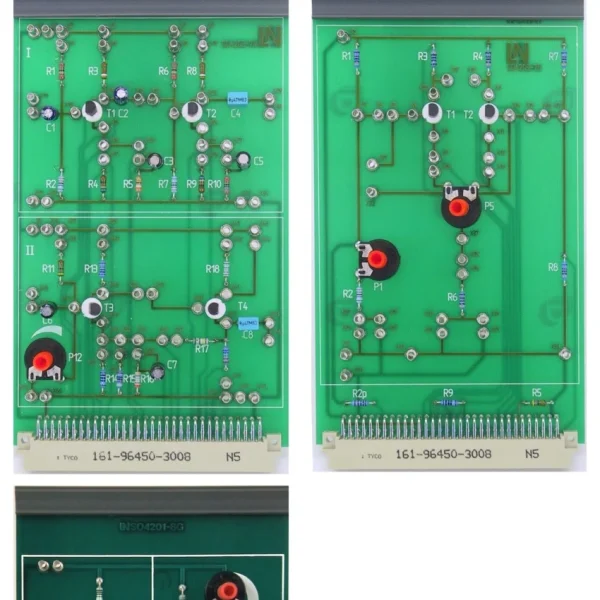
  • Transistor circuits experiment card — A variable circuit matrix with a BC140 transistor allows common-emitter and common-collector circuits to be built flexibly using 2 mm bridging plugs.
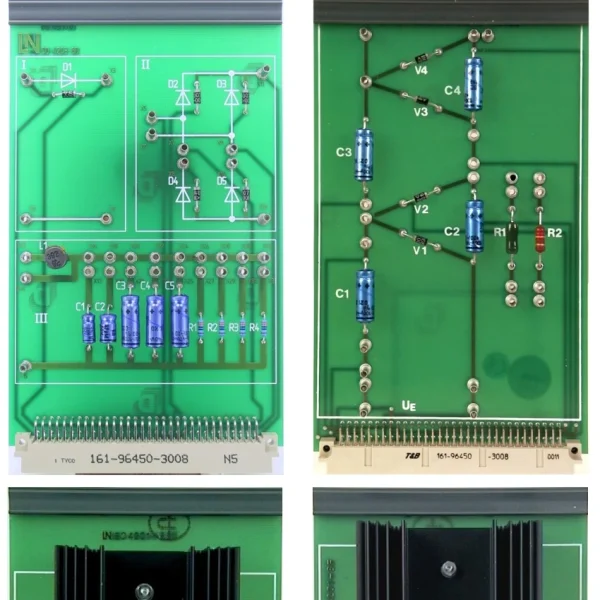
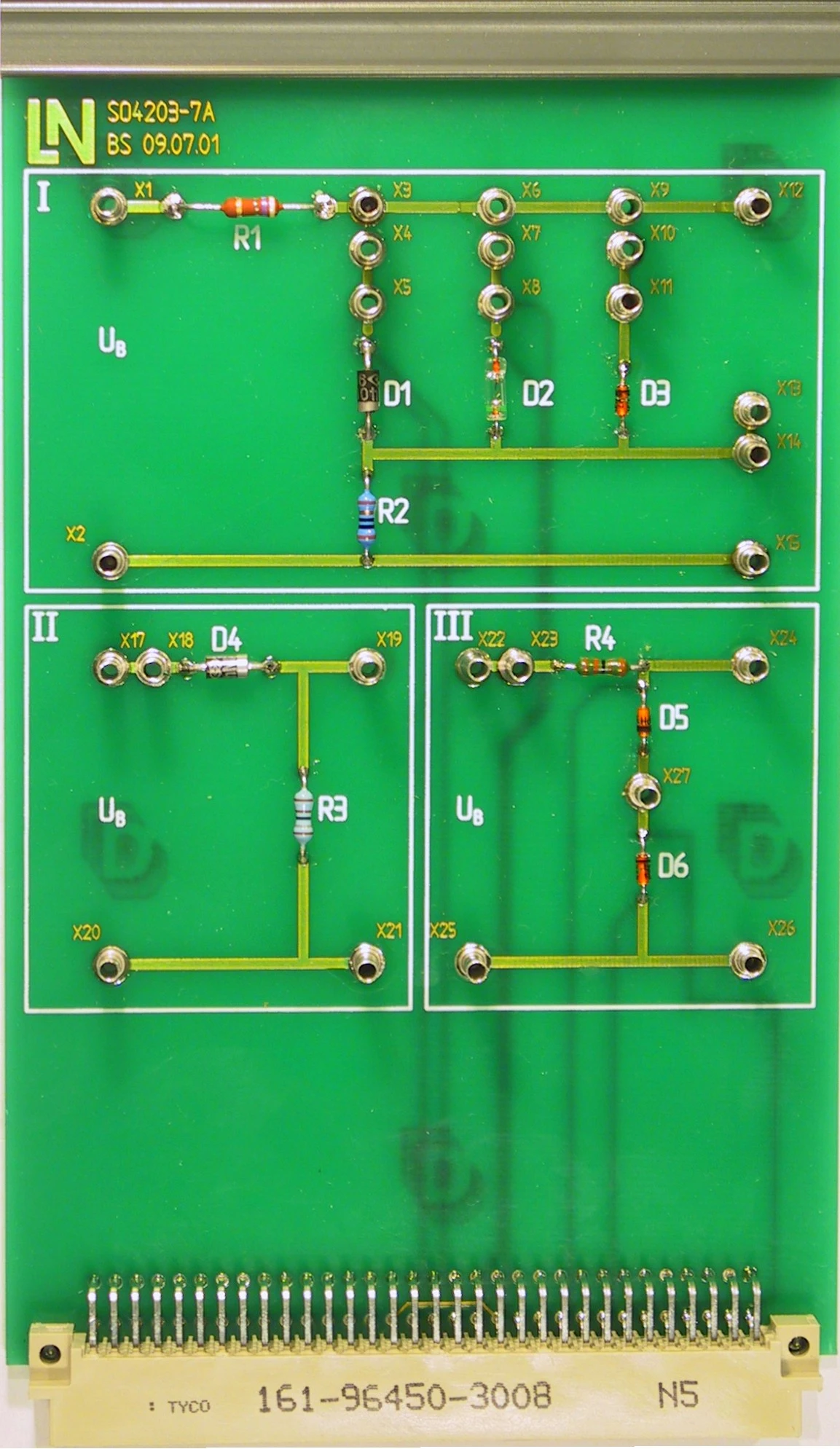
  • Diodes experiment card — The card contains three separate function groups for three diode types with series resistors, a Si diode and a voltage limiter circuit with two Zener diodes.
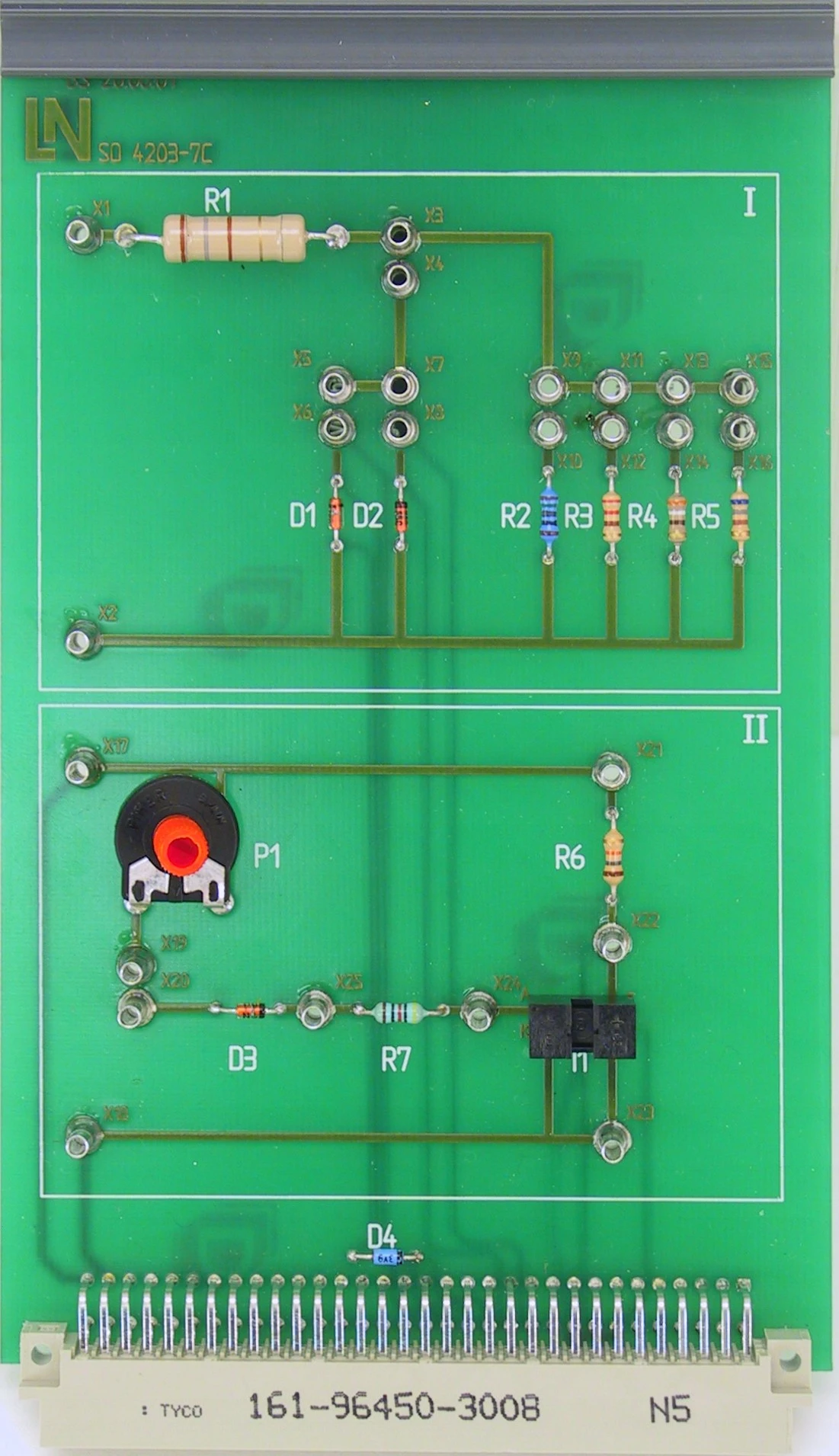
  • Zener diodes and optoelectronics experiment card — The card features voltage stabilization modules with variable load resistors and a fork light barrier with an infrared LED and phototransistor.
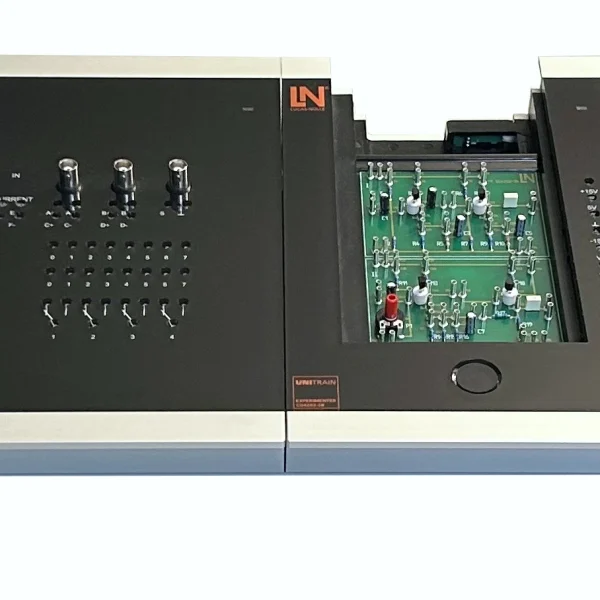
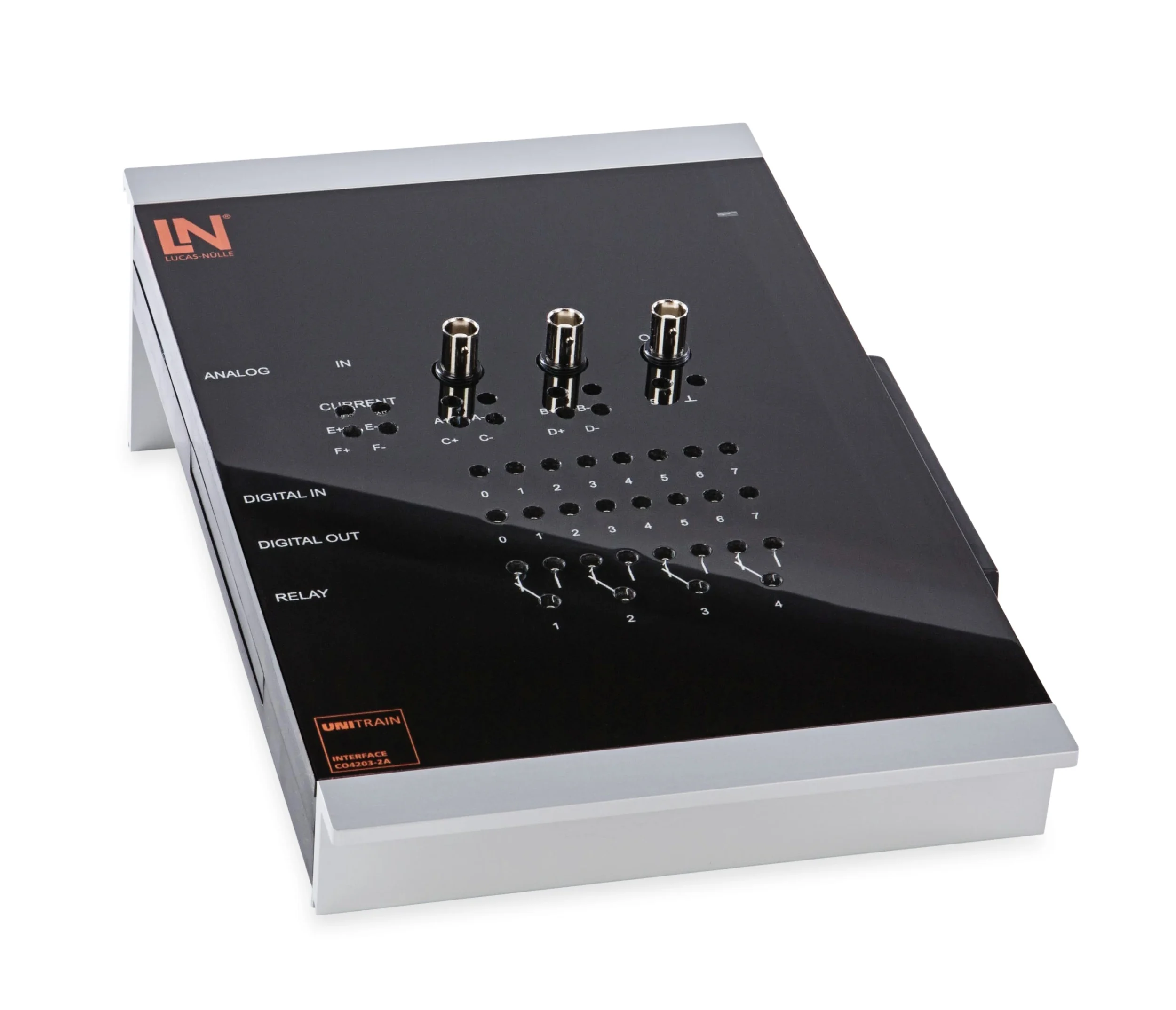
  • UniTrain interface as measurement and control center — The interface with its 32-bit processor offers six analog differential amplifier inputs and integrated analog outputs, providing the basis for precise signal analysis.
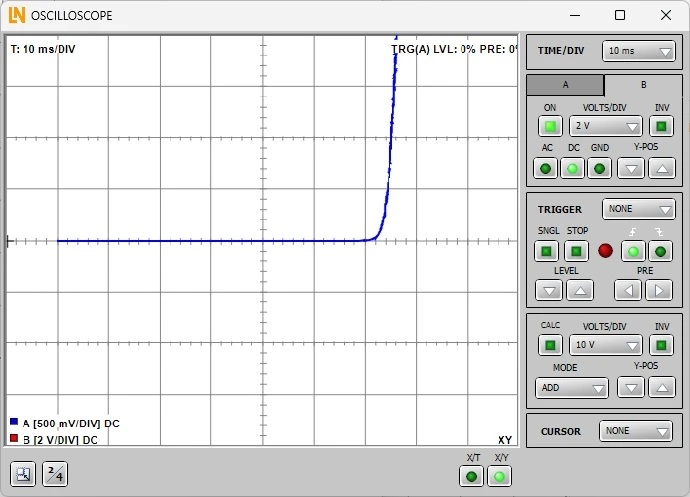
  • Oscilloscope with XY mode — The 2/4-channel oscilloscope with X-Y mode is used for the dynamic recording of characteristic curves on semiconductor components.
  • Function generator — The generator produces sine, triangle and square-wave voltages up to 5 MHz and uses them to feed the measuring circuits.
  • Recording static and dynamic characteristics — Learners record the characteristic curves of various diodes and interpret the threshold voltage and reverse-blocking behavior directly on the PC.
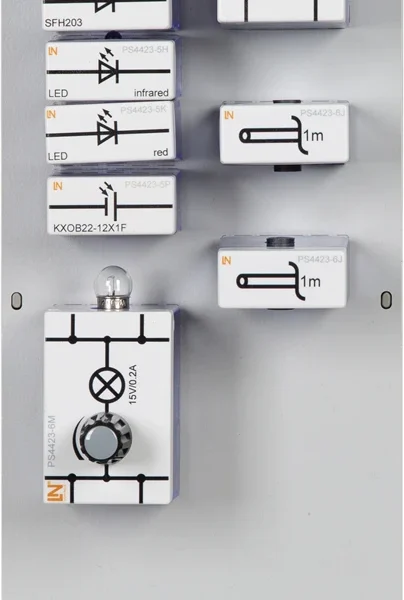
  • Measuring optoelectronic applications — Infrared LEDs, phototransistors, optocouplers and fork light barriers can be investigated by measurement in practical circuits.
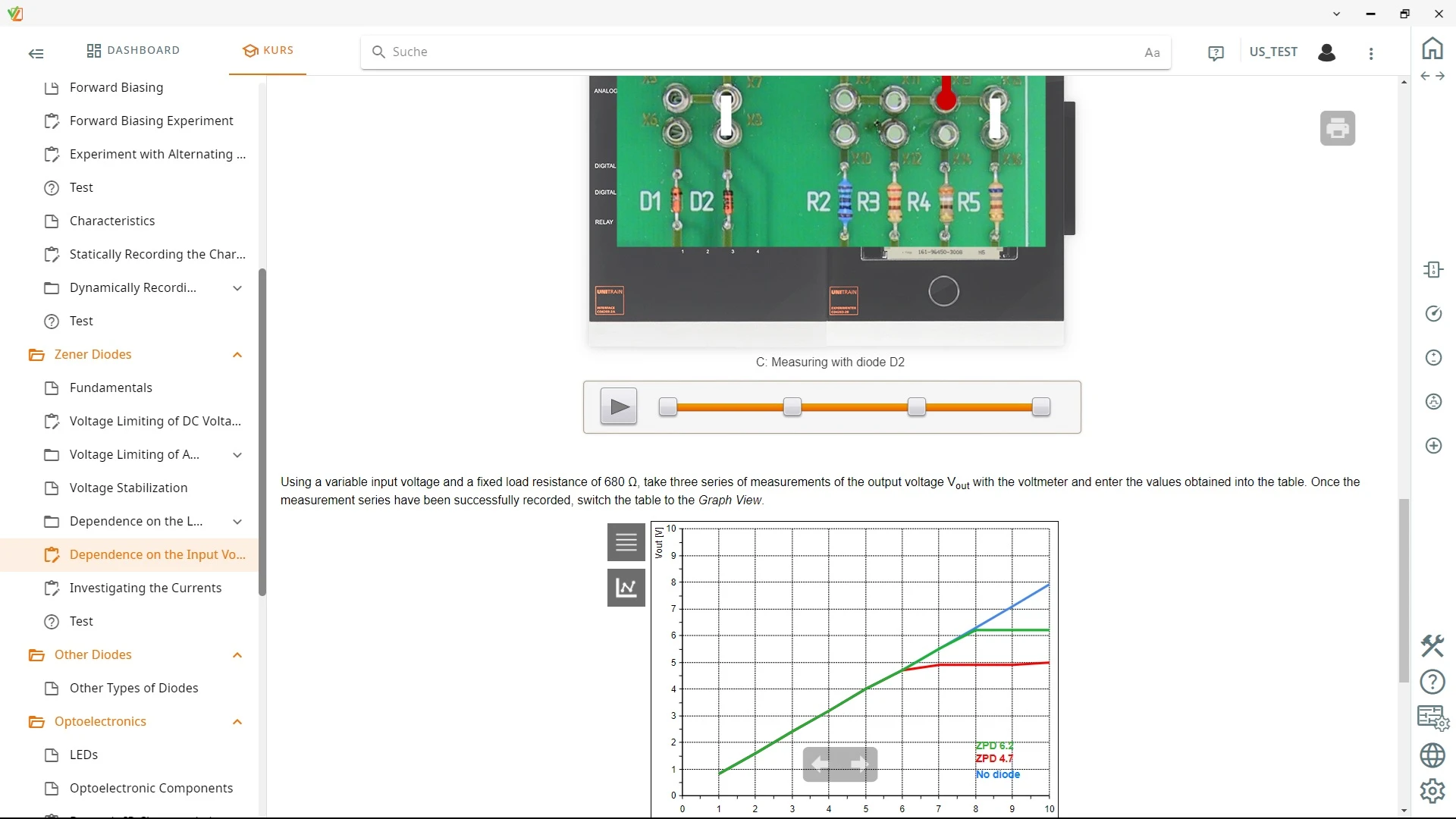
  • Analyzing Zener diode circuits — Learners investigate limiter and stabilizer circuits in laboratory experiments and determine how the Zener diode responds to load and input voltage.
Learners working with RXLea on a tablet at a Lucas-Nuelle training system
RXLea

From Knowledge Comes Capability.

You guide the learning

Where theory and practice go hand in hand.

RXLea brings a new way of learning: project-based, hands-on and clearly structured. Learners solve real-world tasks, while instructors save time on preparation. Interactive modules, smart analytics and real hardware create a modern, efficient learning world.

Hands-on and interactive

Animations, interactive tasks and realistic scenarios build a deep understanding. All content is organized into clear learning paths for focused, hands-on learning.

Digital support

3D assembly animations and digital instructions simplify complex procedures, reduce errors and help learners work more independently.

Visual support

Overview graphics, screenshots and sample animations make the learning world transparent. Photos from the learning packages are also available, including country-specific versions where needed.

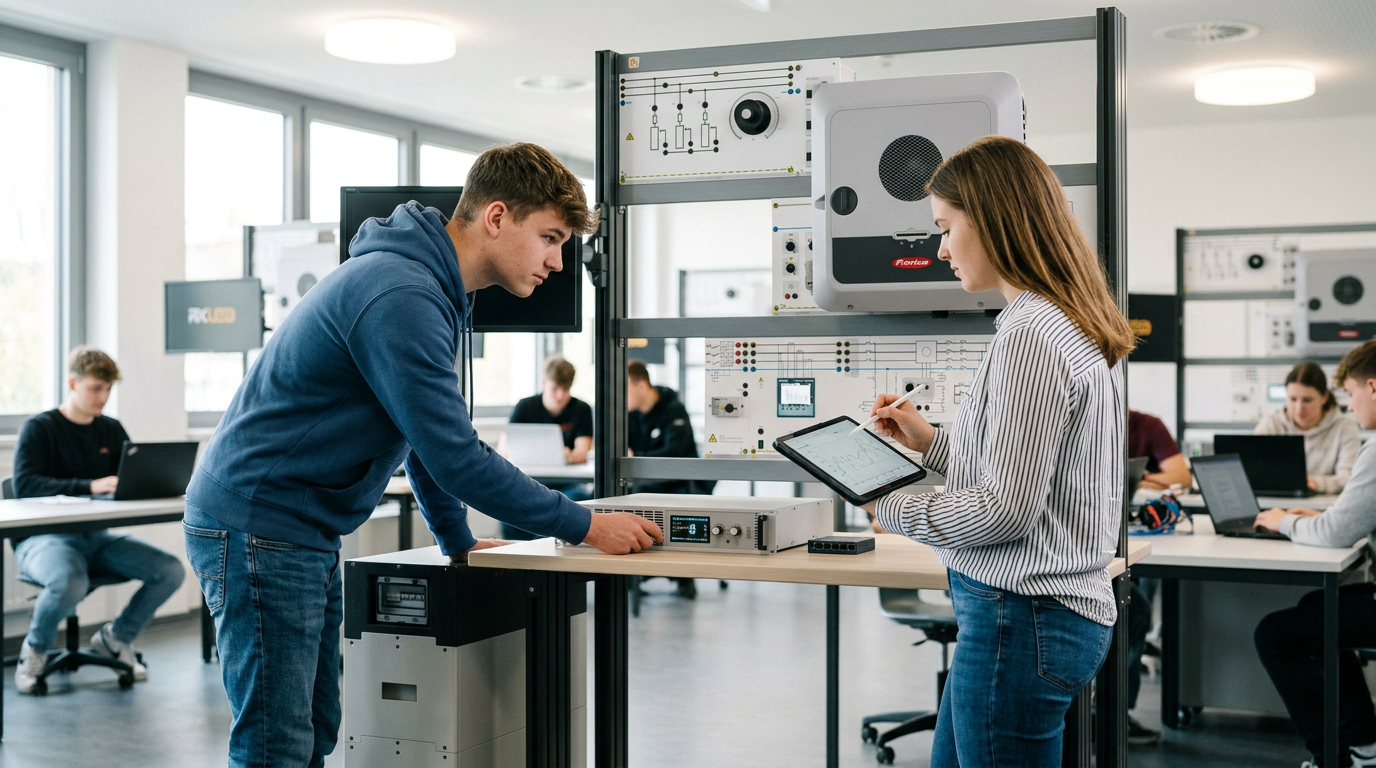
Learners using a tablet at an energy training system
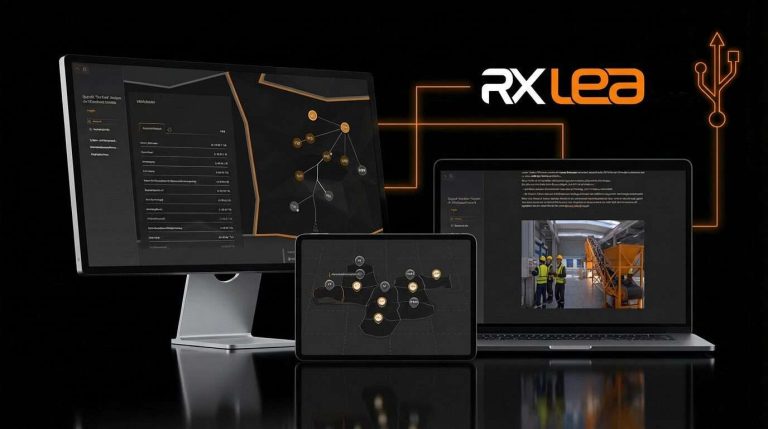
RXLea on desktop, laptop and tablet
RXLea Path Creator for building learning journeys
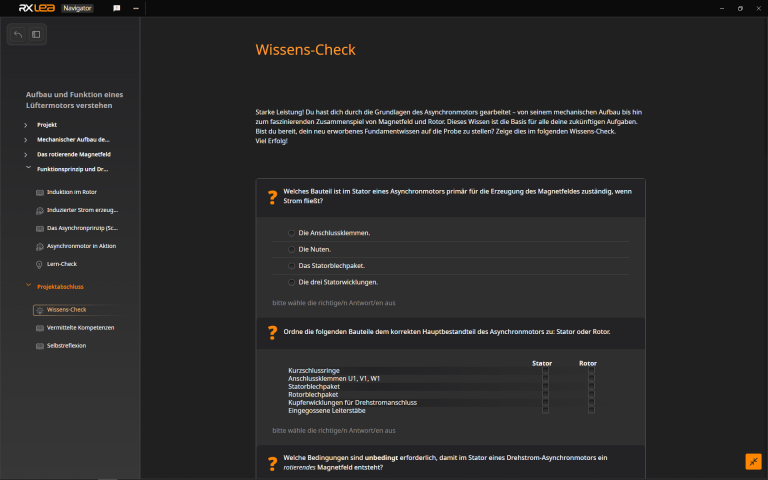
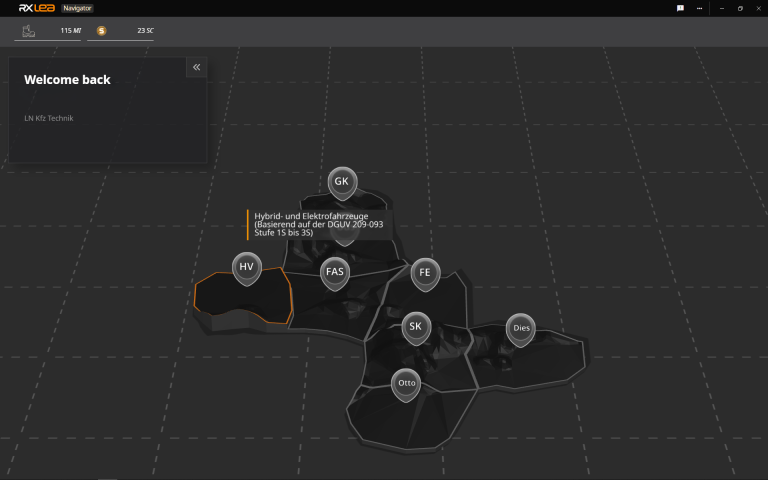
RXLea Navigator showing the learning world
Learn more about RXLea
Newsletter

Stay ahead in
technical training.

Get the latest training systems, product launches and educational insights, delivered directly to your inbox.

Your email address

By subscribing, you agree to our Privacy Policy. You can unsubscribe at any time.

 Please select at least one category before subscribing.
I'm interested in - select all that apply