


Skip to content

Students Master Parking Assistance Systems: Diagnose & Calibration

RXLea
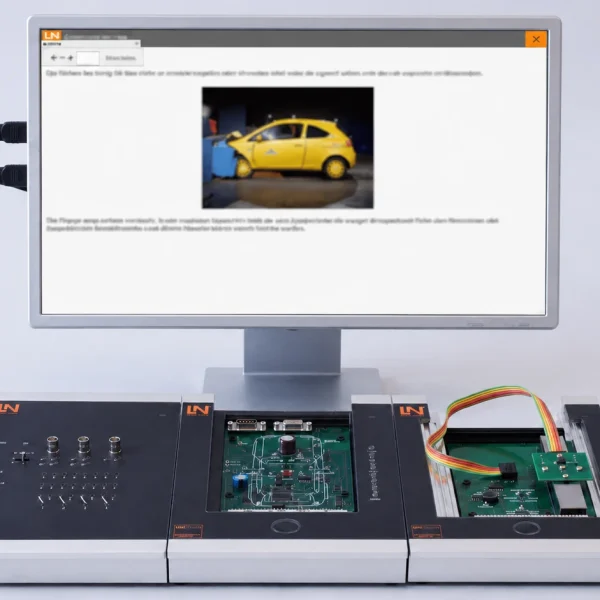
Digital projects for hands-on learningInteractive learning content, directly connected to the training system.

Students Master Parking Assistance Systems: Diagnose & Calibration

AEP21UT

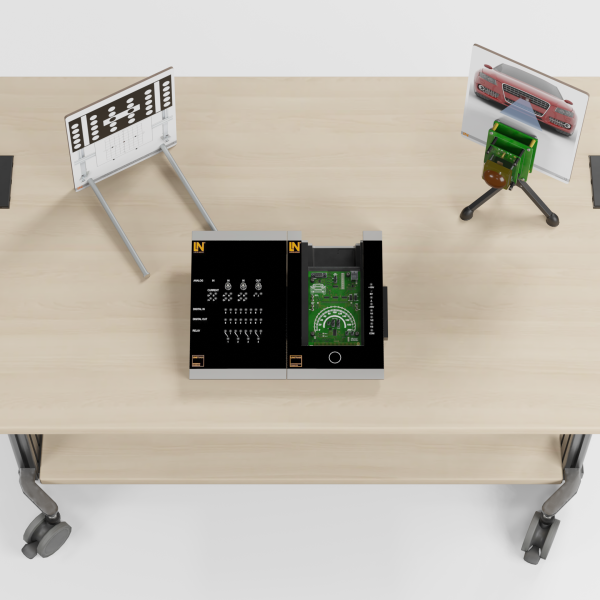
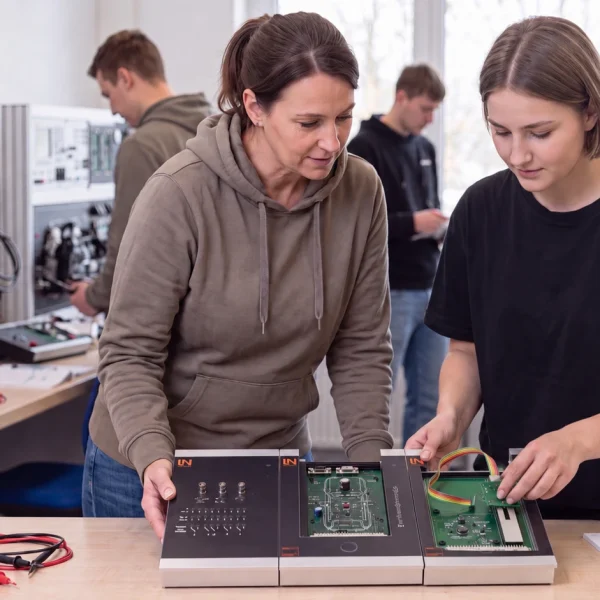
This UniTrain system provides practical insights into the function and systematic diagnosis of ultrasonic and camera-based parking assistance systems. Teach to efficiently calibrate and maintain modern driver assistance systems.

Learning Content
  • Understanding operating principles
  • Dynamic trajectory guide lines
  • Systematic diagnosis
  • Evaluating sensor detection
KEY FEATURES
  • Integrated fault simulation
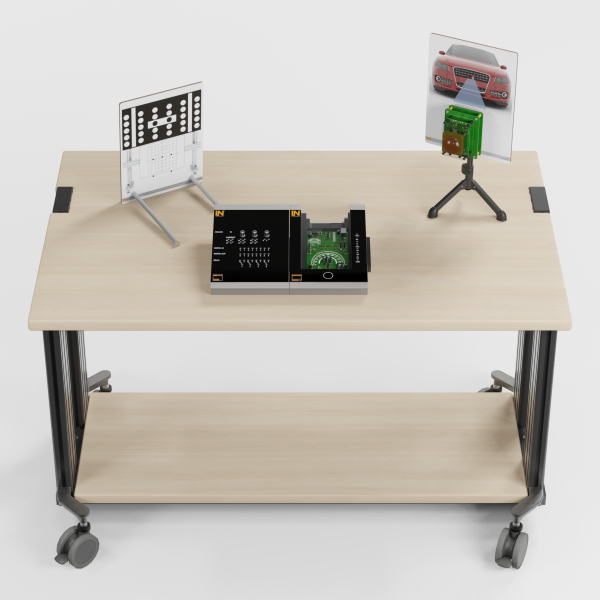
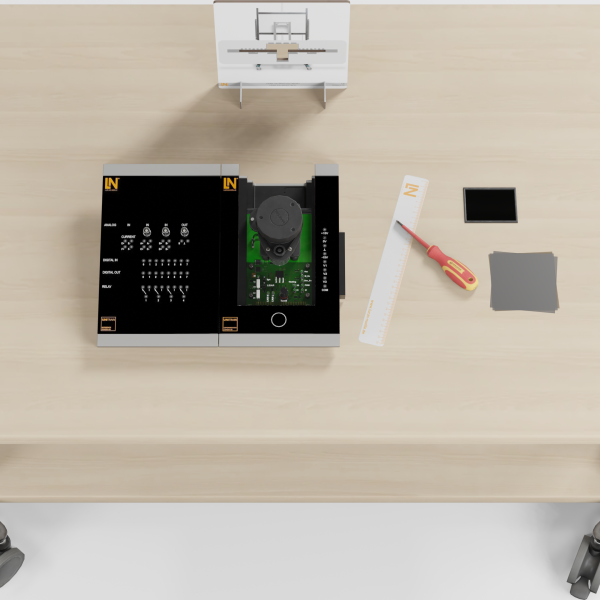
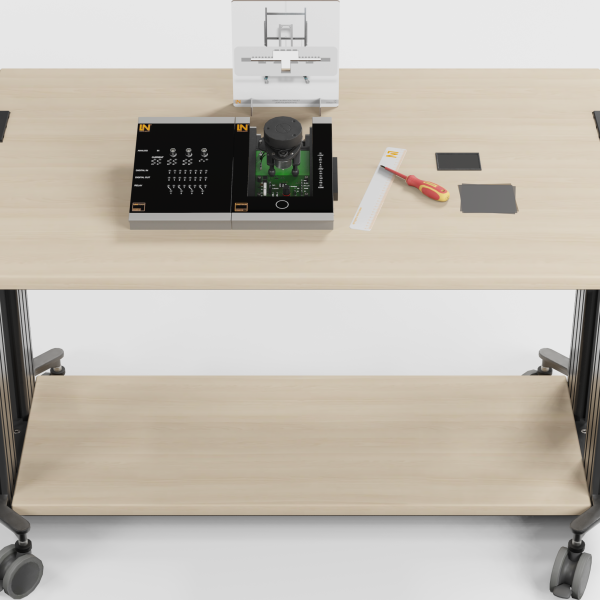
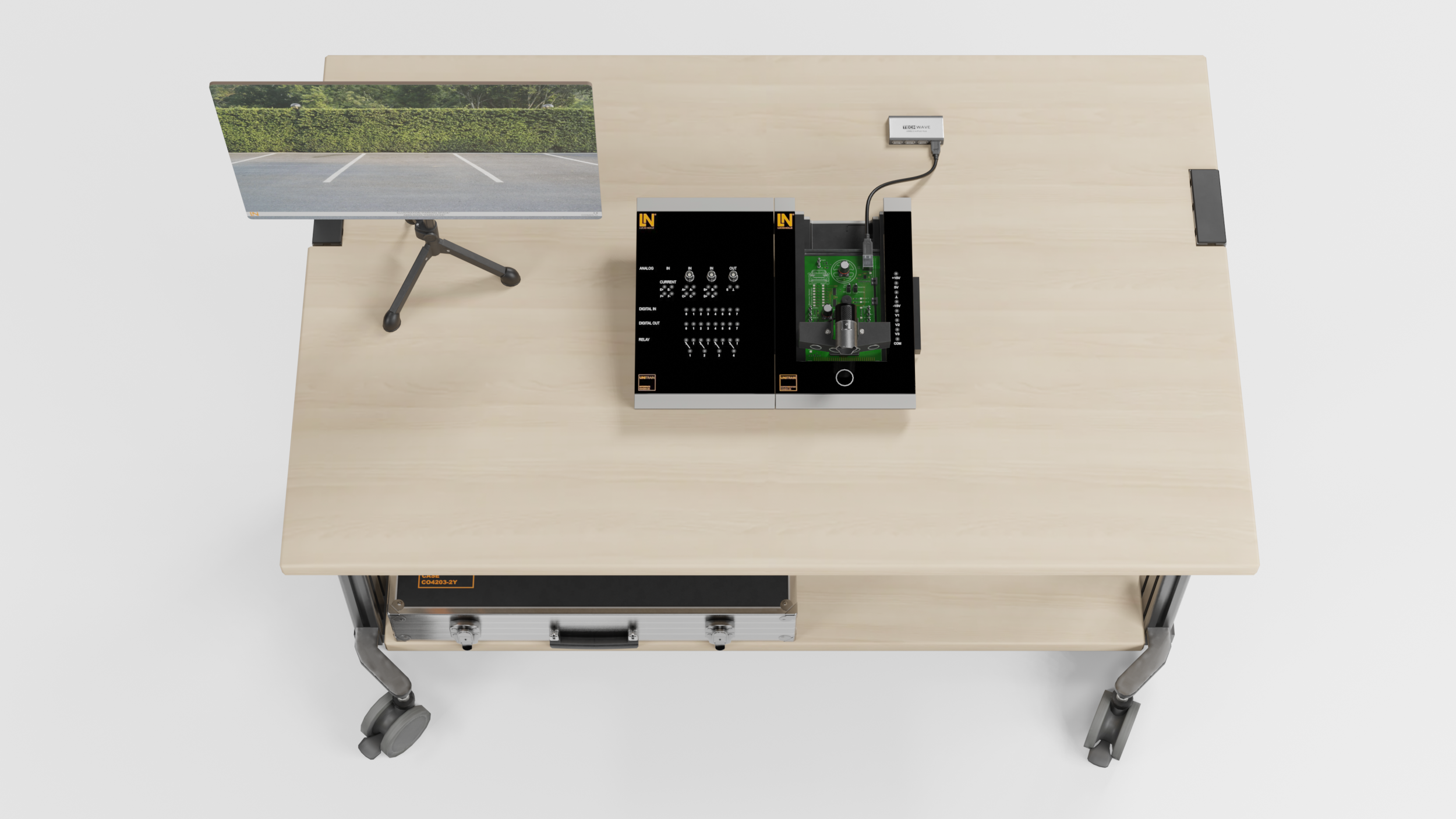
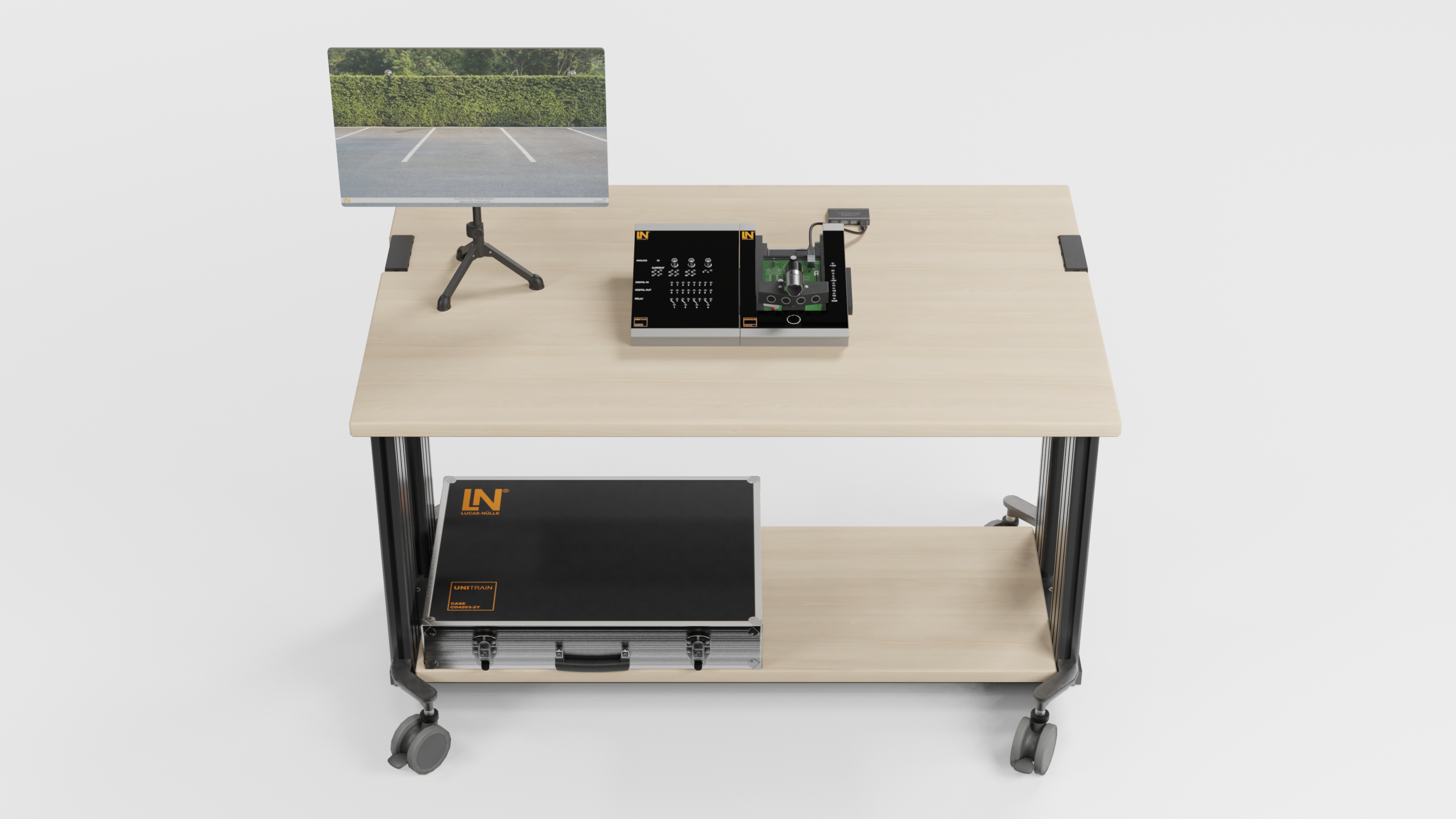
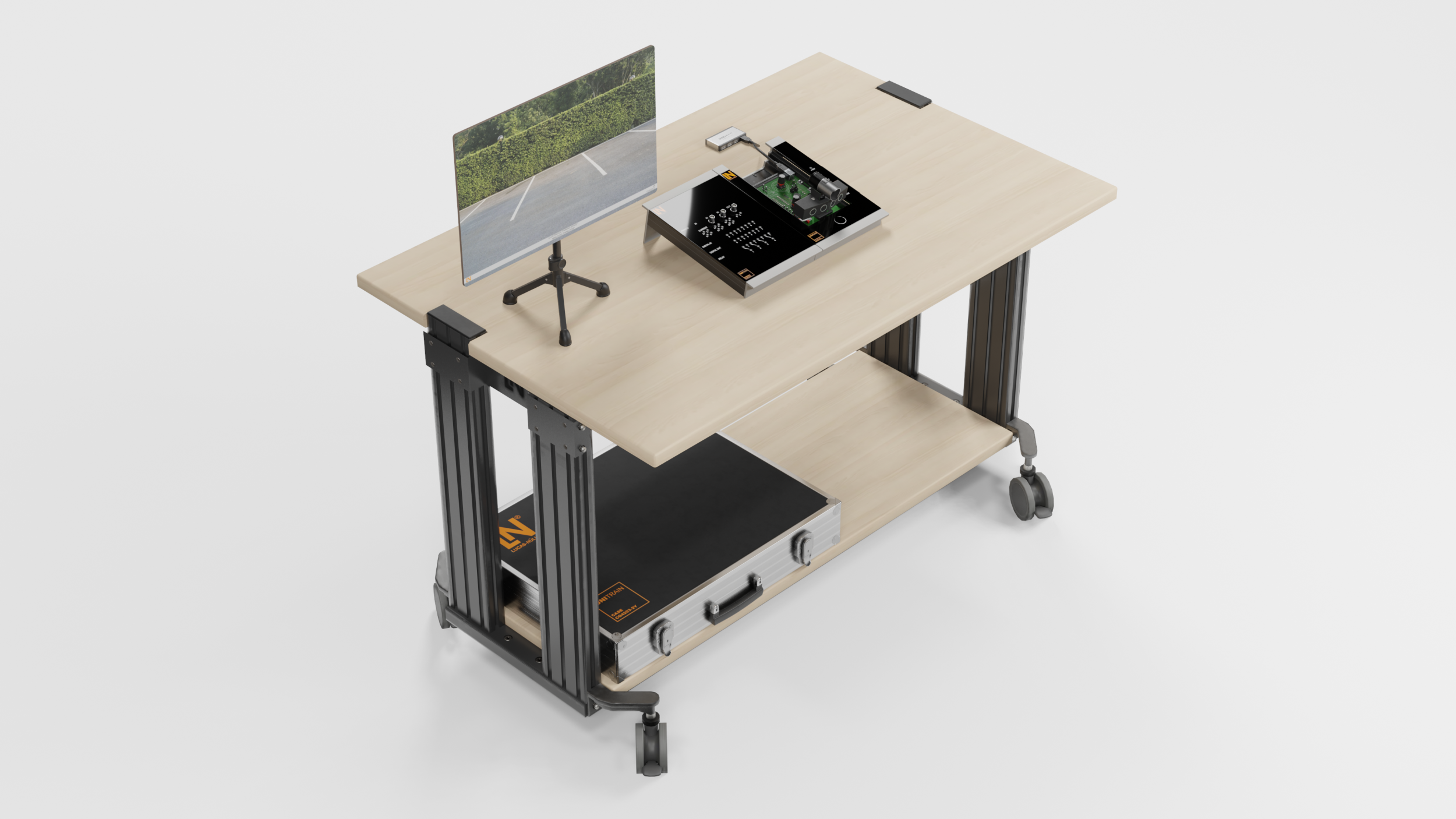
  • Compact laboratory model of a vehicle rear
  • Real-time data visualization
  • Physical system limits
Speak with a Product Specialist +1 (757) 808-5696 · sales@lucas-nuelle.com

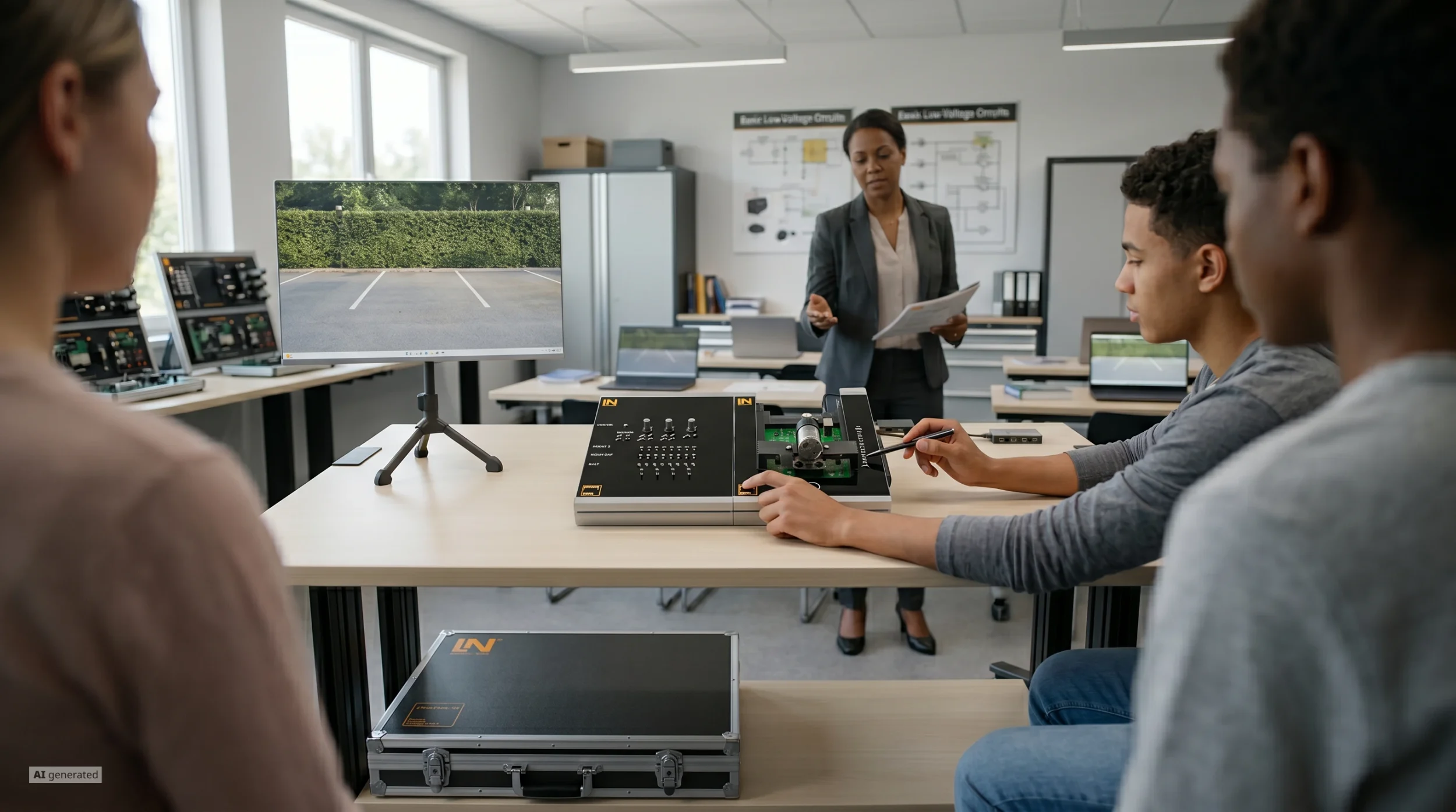
Increasing traffic density is making assistance systems such as parking assist systems an indispensable standard feature. This UniTrain training system combines real ultrasonic sensors with an HD backup camera to make the synergy between these technologies tangible. By working through real diagnostic jobs, participants learn about the physical limits of the sensors. They carry out targeted repairs and analyze sensor data processing for autonomous vehicle functions. This is how you prepare learners effectively for everyday work in the shop.

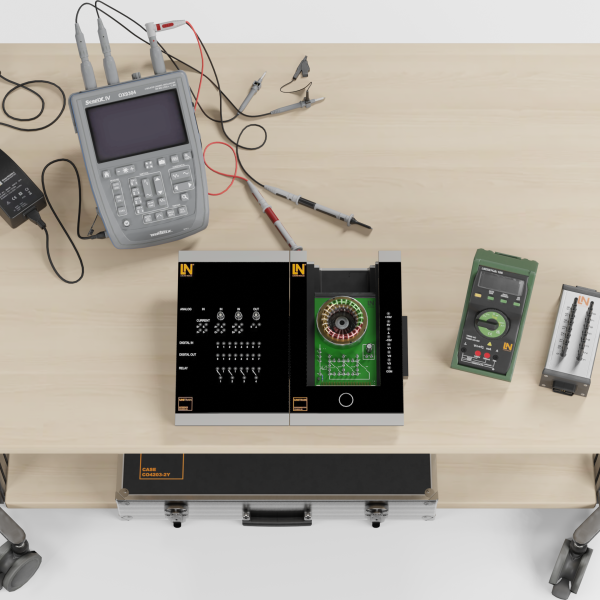
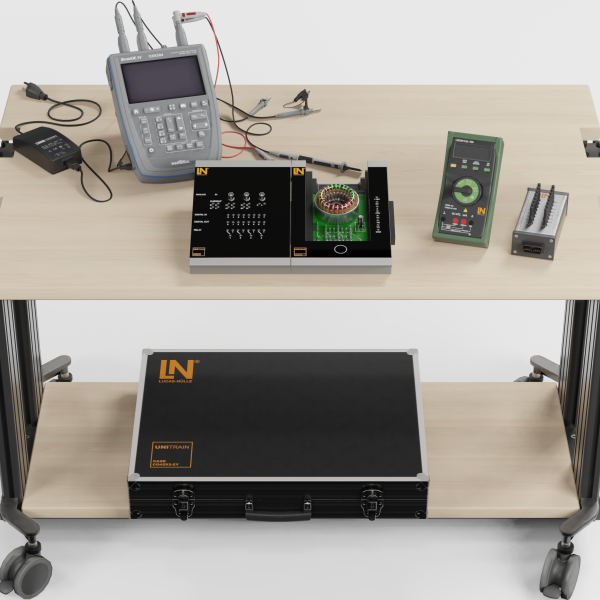
CO4205-1CCourse: Ultrasonic Park Assist with Rear View Camera
CO4203-2AUniTrain Interface mit virtuellen Instrumenten (Basis VI)
CO4203-2JUniTrain measurement accessories, shunts and connection cables
CO4203-2BUniTrain Experimenter
CO4203-2YUniTrain storage case for one UniTrain system

Learning Content in Detail

With this system, learners acquire sound skills in automotive diagnostics. They achieve the following learning objectives:

Understanding operating principles

Learners explain the physical principles of ultrasonic and camera sensors and justify their areas of application in vehicles.

Dynamic trajectory guide lines

Learners analyze and demonstrate the relationship between the steering angle and the calculation of dynamic guide lines.

Systematic diagnosis

Learners carry out systematic diagnoses on driver assistance systems to identify faults such as defective sensors.

Evaluating sensor detection

Learners determine the limits of sensor detection with diffuse obstacles and assess their significance for road safety.

Features & Applications

Discover the versatile functions of this system. They enable practical training in the systematic diagnosis and calibration of modern parking assist systems.
  • Integrated fault simulation — Learners identify system faults independently and develop methodical troubleshooting strategies for everyday shop practice.
  • Compact laboratory model of a vehicle rear — Integrating all the sensors, the camera and the control unit on a single card makes the system architecture easy to grasp without taking up much space.
  • Real-time data visualization — The system visualizes approaching obstacles digitally in real time, making the IPO (input-process-output) principle clear and easy to follow.
  • Physical system limits — Learners actively investigate how dirt or object geometries affect sensor reliability.
  • HD backup camera — Enables learners to practice linking steering angle data with dynamically displayed trajectory guide lines.
  • Four-channel ultrasonic array — By measuring signal propagation times at the sensors, learners understand the echo-sounding principle and the challenges of object detection.
  • Steering angle sensor simulator — Allows real steering movements to be simulated so that their effects on the predictive display elements can be analyzed live.
  • Acoustic warning system — Learners analyze the relationship between object distance and the frequency of the warning signal for multisensory driver information.
  • LabSoft parking monitor — A software environment that displays the camera image including guide lines, visualizes ultrasonic distances and provides measuring instruments.
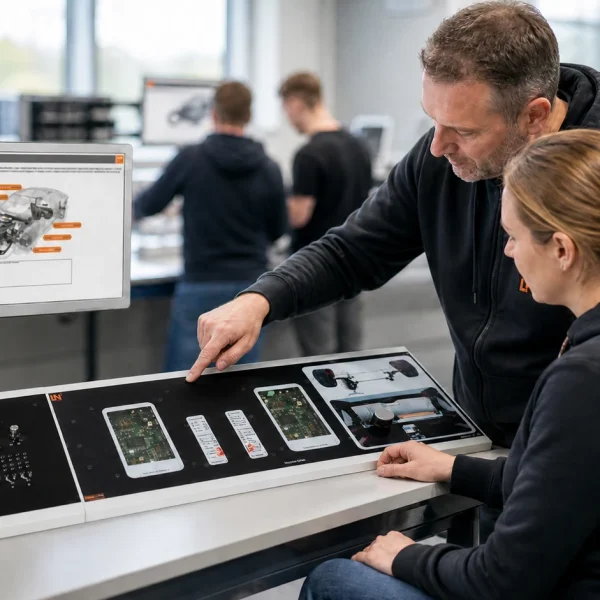
Learners working with RXLea on a tablet at a Lucas-Nuelle training system
RXLea

From Knowledge Comes Capability.

You guide the learning

Where theory and practice go hand in hand.

RXLea brings a new way of learning: project-based, hands-on and clearly structured. Learners solve real-world tasks, while instructors save time on preparation. Interactive modules, smart analytics and real hardware create a modern, efficient learning world.

Hands-on and interactive

Animations, interactive tasks and realistic scenarios build a deep understanding. All content is organized into clear learning paths for focused, hands-on learning.

Digital support

3D assembly animations and digital instructions simplify complex procedures, reduce errors and help learners work more independently.

Visual support

Overview graphics, screenshots and sample animations make the learning world transparent. Photos from the learning packages are also available, including country-specific versions where needed.


Learners using a tablet at an energy training system
RXLea on desktop, laptop and tablet
RXLea Path Creator for building learning journeys
RXLea Navigator showing the learning world
Learn more about RXLea
Newsletter

Stay ahead in
technical training.

Get the latest training systems, product launches and educational insights, delivered directly to your inbox.

Your email address

By subscribing, you agree to our Privacy Policy. You can unsubscribe at any time.

 Please select at least one category before subscribing.
I'm interested in - select all that apply