


Skip to content

12V Three-Phase Generator in Motor Vehicles

RXLea
Digital projects for hands-on learningInteractive learning content, directly connected to the training system.

12V Three-Phase Generator in Motor Vehicles

ADG21UT

Teach the design, rectification and voltage regulation of three-phase alternators in a hands-on way. Ideal for automotive training at technical schools.

Learning Content
  • Investigating phase shift
  • Determining the number of pole pairs
  • Comparing rectifier circuits
  • Checking voltage regulation
KEY FEATURES
  • Interactive alternator control
  • Rectifier circuits
  • Comparison of regulator concepts
  • Integrated fault insertion
Speak with a Product Specialist +1 (757) 808-5696 · sales@lucas-nuelle.com

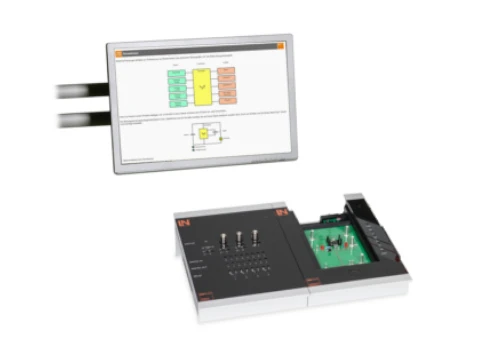
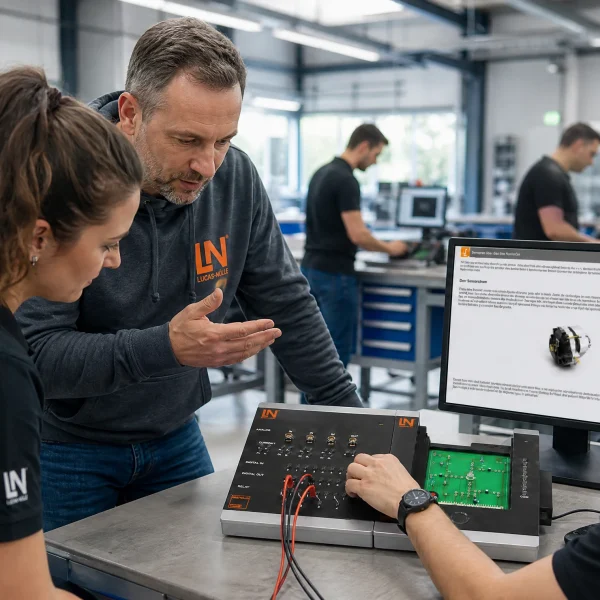
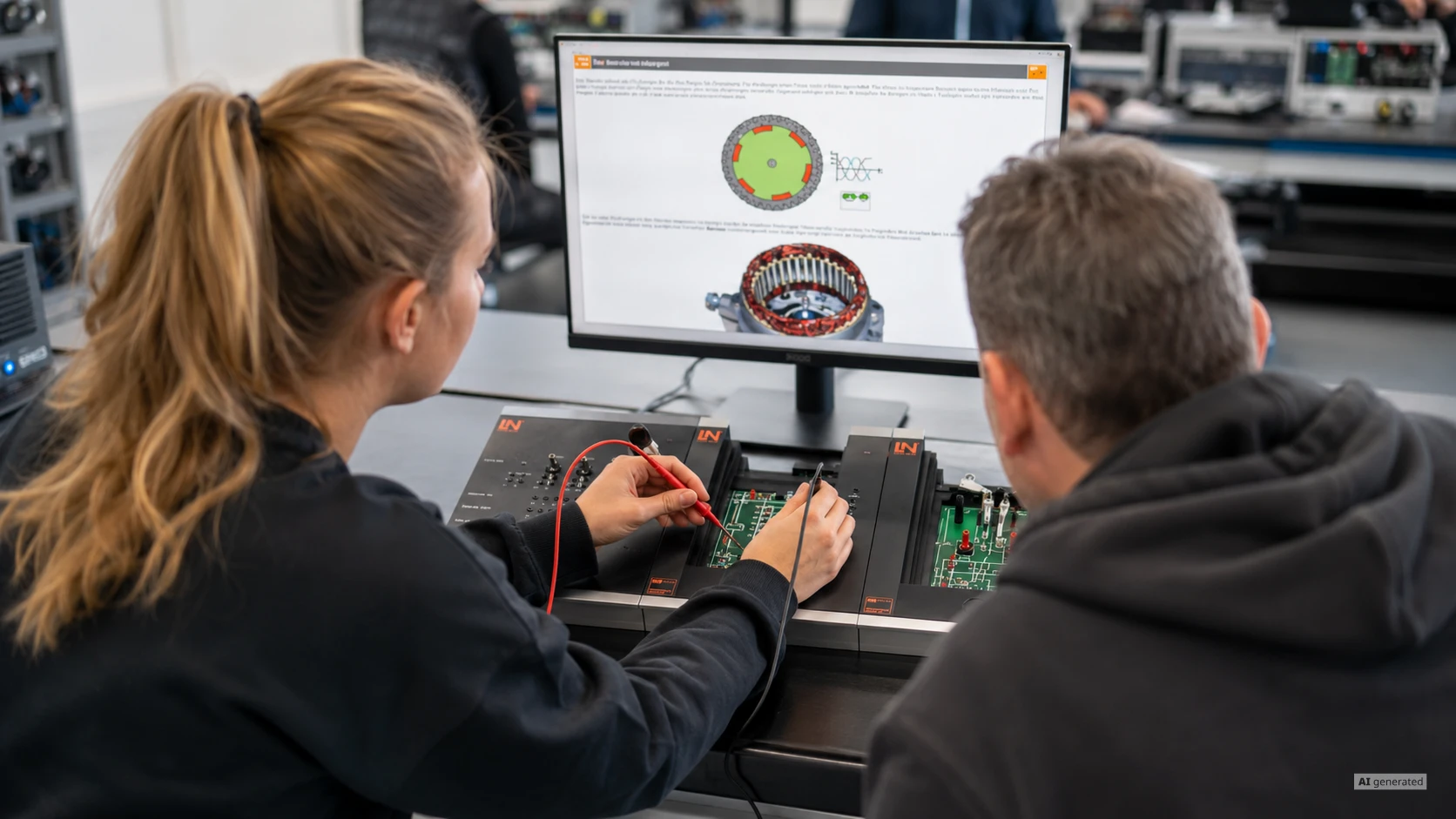
The alternator is the central source of energy in the vehicle. Automotive technicians must be able to diagnose excitation circuits and rectifier circuits reliably. With the UniTrain “12 V three-phase alternator in vehicles” from Lucas-Nülle, you prepare learners optimally for these requirements. The compact benchtop system combines modular experiment cards with a virtual alternator control. Guided troubleshooting exercises in the learning software convey an in-depth understanding of electrodynamic induction and electronic voltage regulation. Develop your learners’ diagnostic skills for real-world service shop work in a targeted way.

CO4205-1XCourse: 12V three-phase generator in motor vehicles
CO4203-2AUniTrain Interface mit virtuellen Instrumenten (Basis VI)
CO4203-2JUniTrain measurement accessories, shunts and connection cables
CO4203-2YUniTrain storage case for one UniTrain system
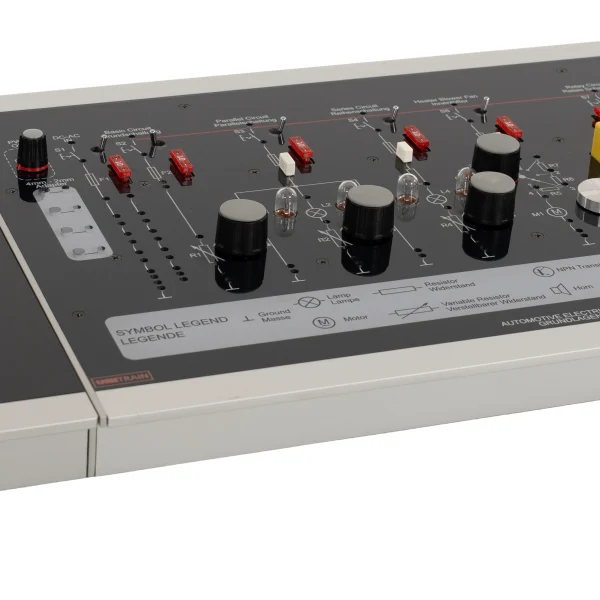
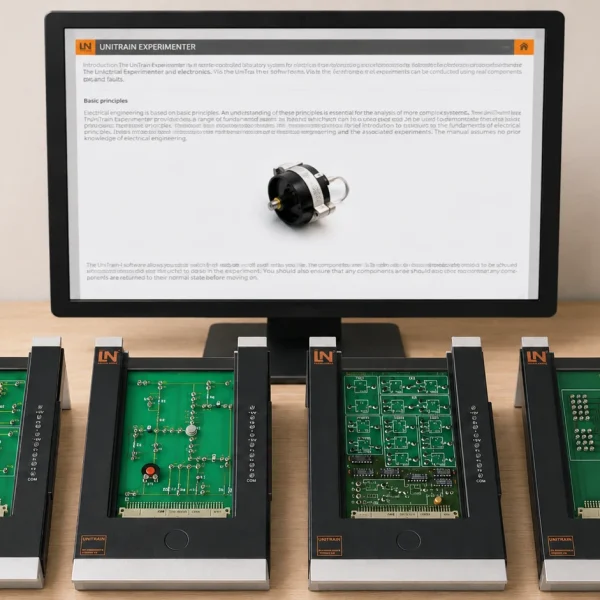
CO4203-2BUniTrain Experimenter
CO4203-2YUniTrain storage case for one UniTrain system

Learning Content in Detail

The training system offers didactically structured learning objectives to prepare trainees optimally for real-world service shop work.

Investigating phase shift

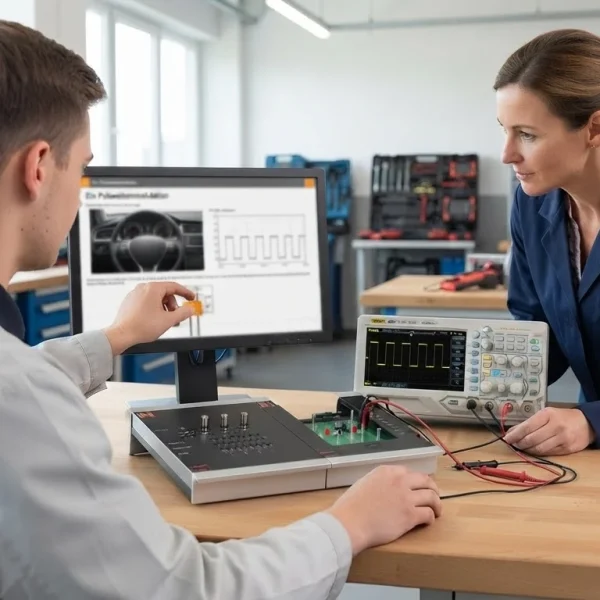
Learners measure three phase AC voltages with the oscilloscope and determine the 120-degree offset.

Determining the number of pole pairs

Learners calculate the number of pole pairs from the measured period and the alternator speed.

Comparing rectifier circuits

Learners analyze the output signals of half-wave and bridge rectifiers under variable load.

Checking voltage regulation

Learners investigate the switching behavior of the regulator under fluctuating speed and electrical load.

Carrying out fault diagnosis

Learners systematically locate defects in diodes and regulator components using oscillograms.

Features & Applications

Benefit from a modular system that seamlessly combines theory and practice. The hardware and software enable interactive experiments and realistic diagnostics.
  • Interactive alternator control — Learners control the virtual alternator via software. They vary the speed continuously and observe changes in frequency and voltage in real time.
  • Rectifier circuits — Your learners explore the key differences between half-wave and bridge rectifiers in automotive applications in a clear, practical way.
  • Comparison of regulator concepts — Learners switch between a discrete and an integrated regulator. They investigate how the excitation current is switched under variable load.
  • Integrated fault insertion — Learners activate defined faults via the software. They analyze faulty voltage signals on the oscilloscope and locate defects systematically.
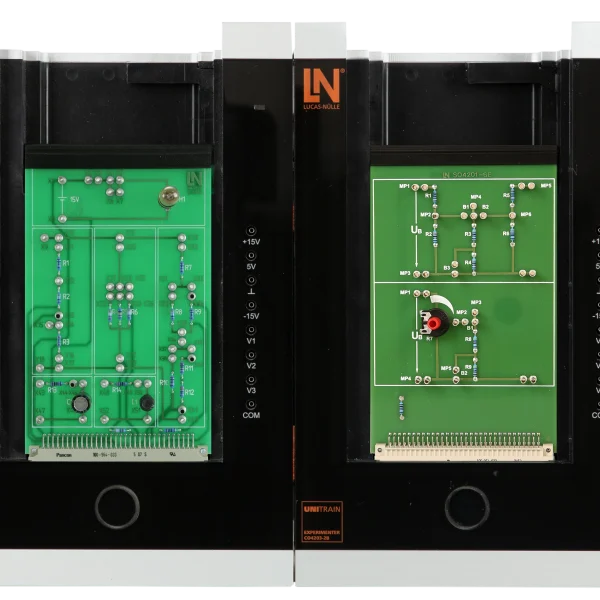
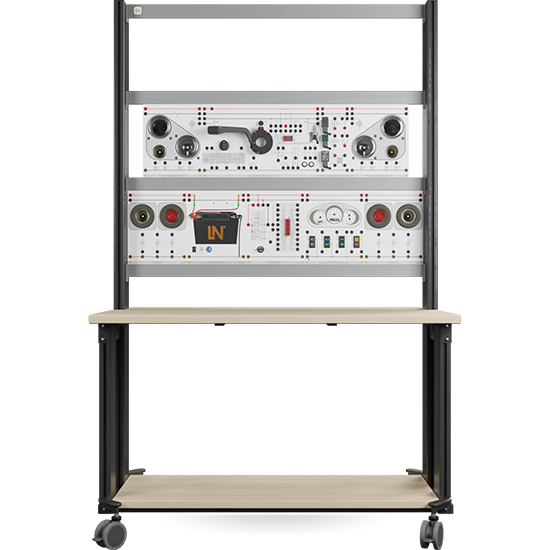
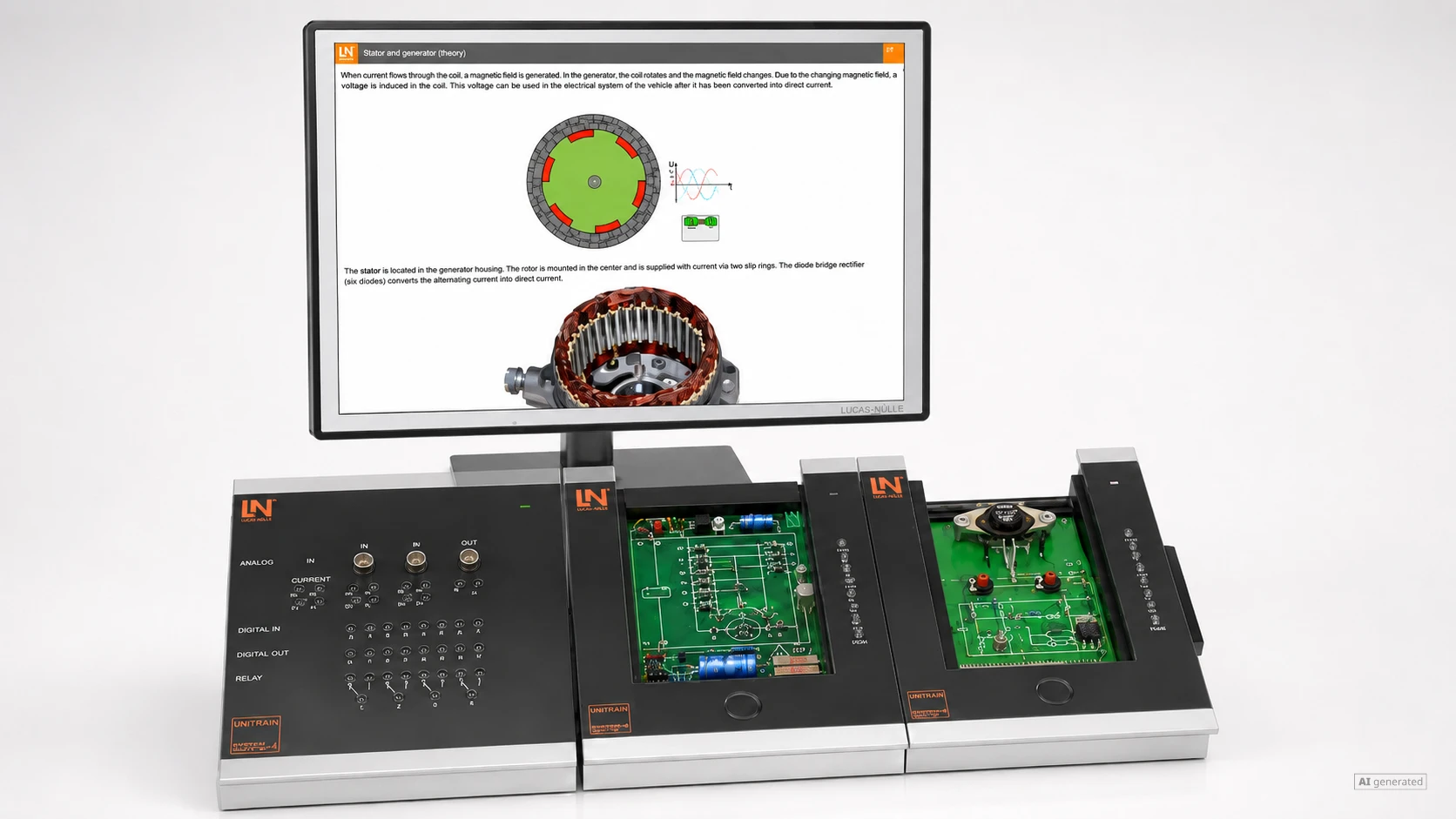
  • Three-phase generator — The experiment card shows a three-phase alternator with rectifiers, excitation coil and charge indicator lamp for practical understanding.
  • Regulator circuit — The card combines an integrated hybrid circuit and a discrete transistor regulator with adjustable voltage dividers.
  • Rectifier circuit — Demonstrate the conversion of AC voltage into DC voltage with half-wave and bridge rectifiers in a hands-on way on the hardware.
  • Smoothing components — Capacitors and an inductor smooth the pulsating voltage. Learners connect components and evaluate the residual ripple.
  • Virtual alternator control — The digital tool controls the drive motor on the card. Learners vary the speed and simulate different engine operating states.
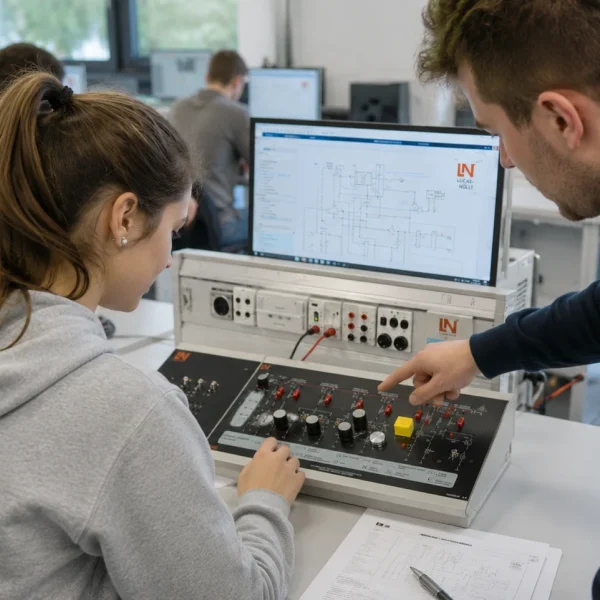
Learners working with RXLea on a tablet at a Lucas-Nuelle training system
RXLea

From Knowledge Comes Capability.

You guide the learning

Where theory and practice go hand in hand.

RXLea brings a new way of learning: project-based, hands-on and clearly structured. Learners solve real-world tasks, while instructors save time on preparation. Interactive modules, smart analytics and real hardware create a modern, efficient learning world.

Hands-on and interactive

Animations, interactive tasks and realistic scenarios build a deep understanding. All content is organized into clear learning paths for focused, hands-on learning.

Digital support

3D assembly animations and digital instructions simplify complex procedures, reduce errors and help learners work more independently.

Visual support

Overview graphics, screenshots and sample animations make the learning world transparent. Photos from the learning packages are also available, including country-specific versions where needed.


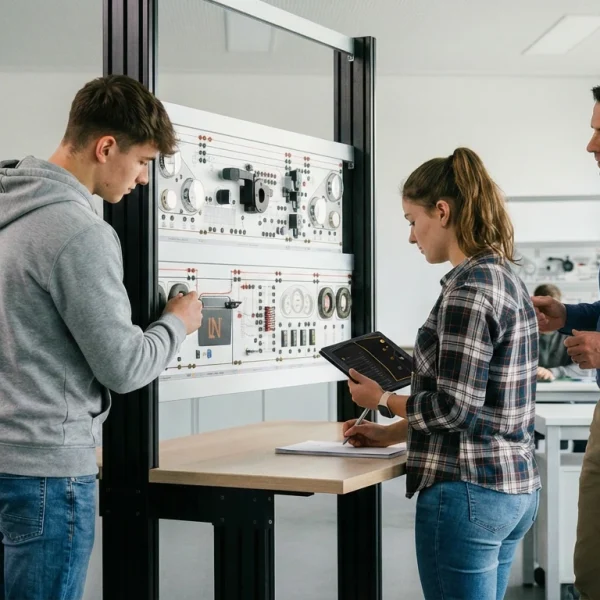
Learners using a tablet at an energy training system
RXLea on desktop, laptop and tablet
RXLea Path Creator for building learning journeys
RXLea Navigator showing the learning world
Learn more about RXLea
Newsletter

Stay ahead in
technical training.

Get the latest training systems, product launches and educational insights, delivered directly to your inbox.

Your email address

By subscribing, you agree to our Privacy Policy. You can unsubscribe at any time.

 Please select at least one category before subscribing.
I'm interested in - select all that apply