


Skip to content

Sequential Circuits

RXLea
Digital projects for hands-on learningInteractive learning content, directly connected to the training system.

Sequential Circuits

BDI02UE

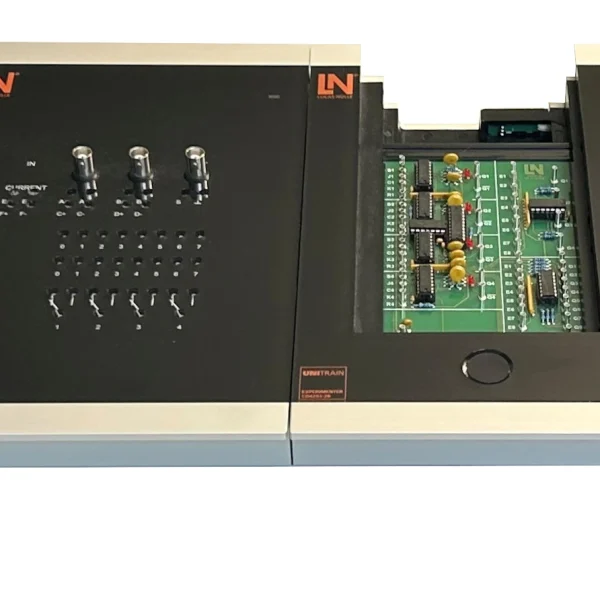
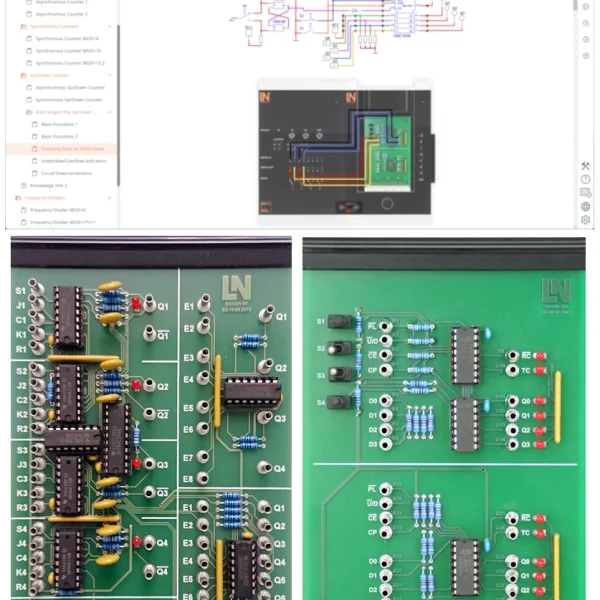
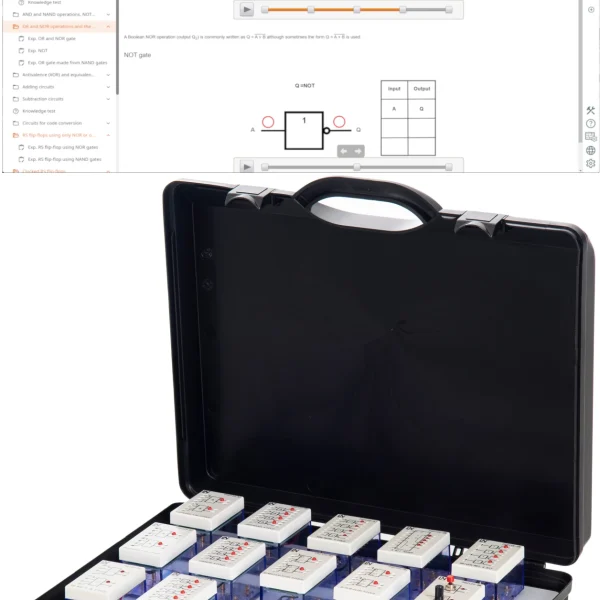
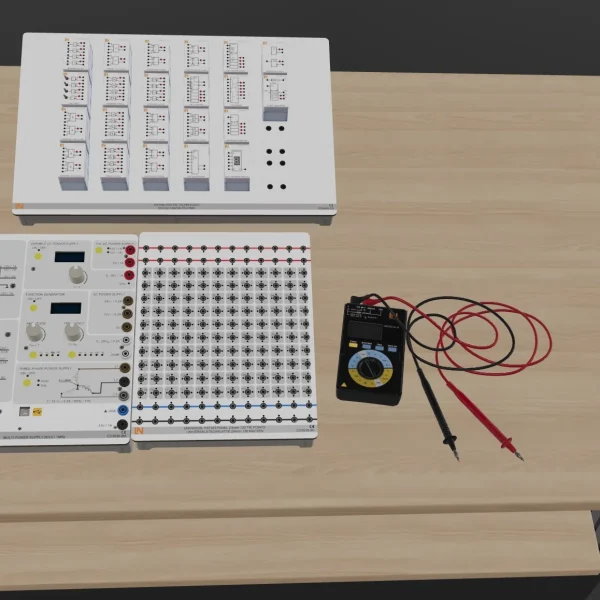
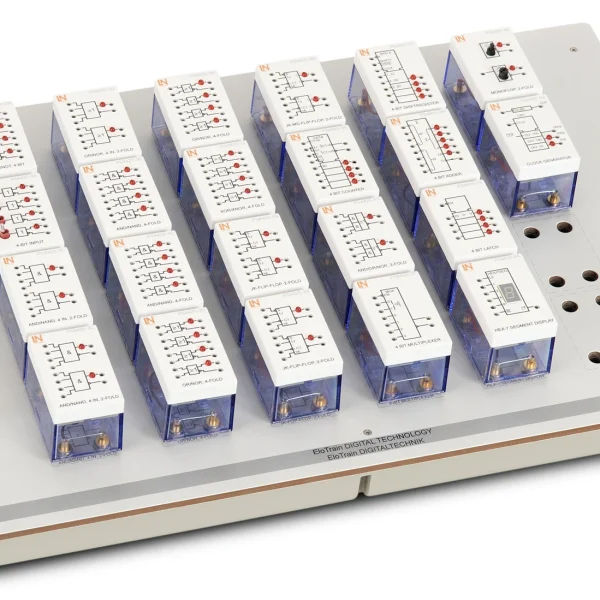
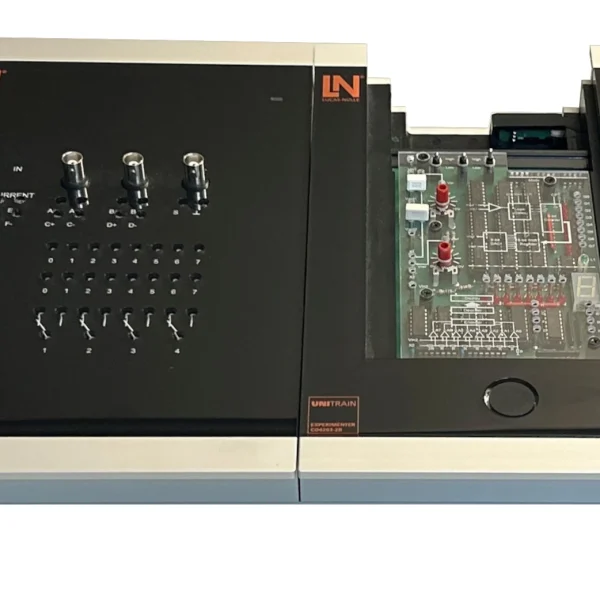
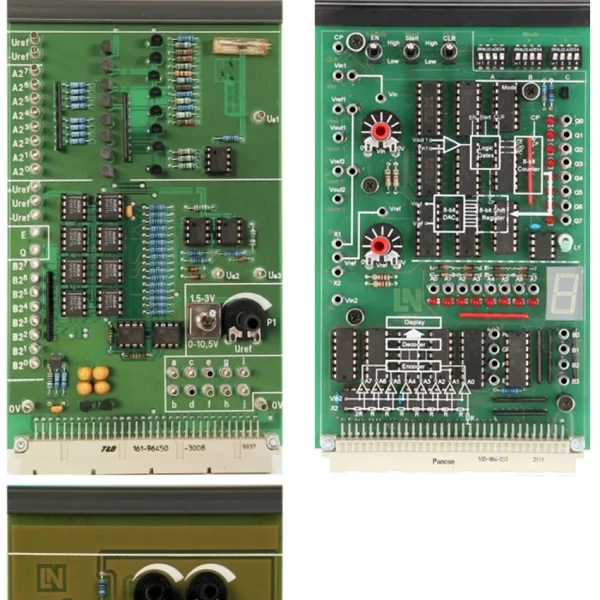
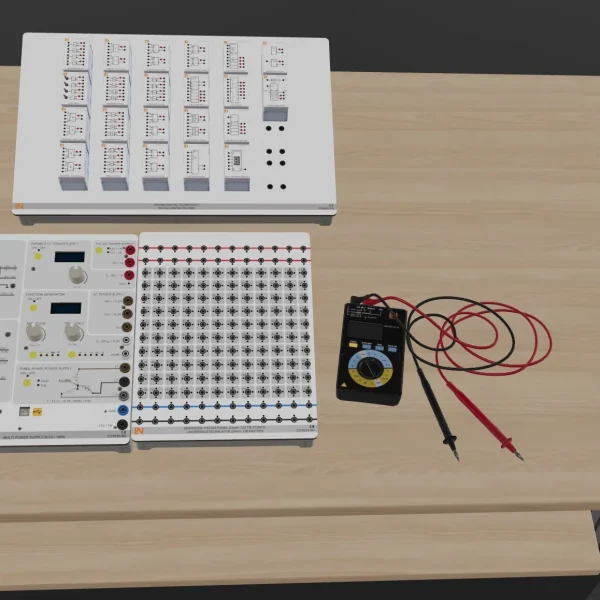
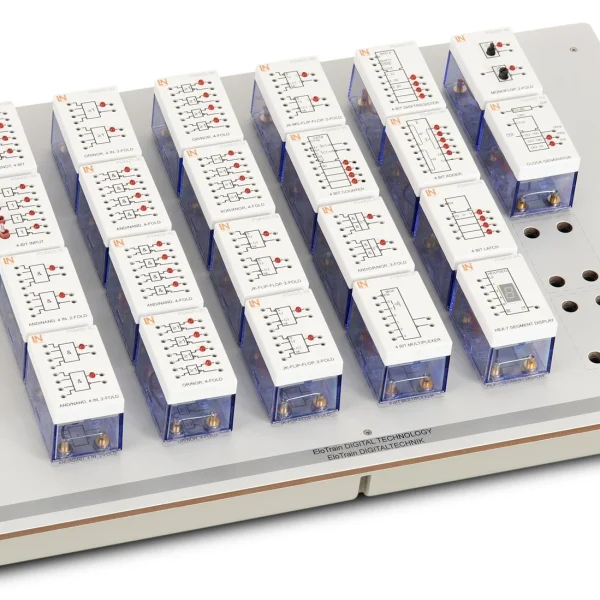
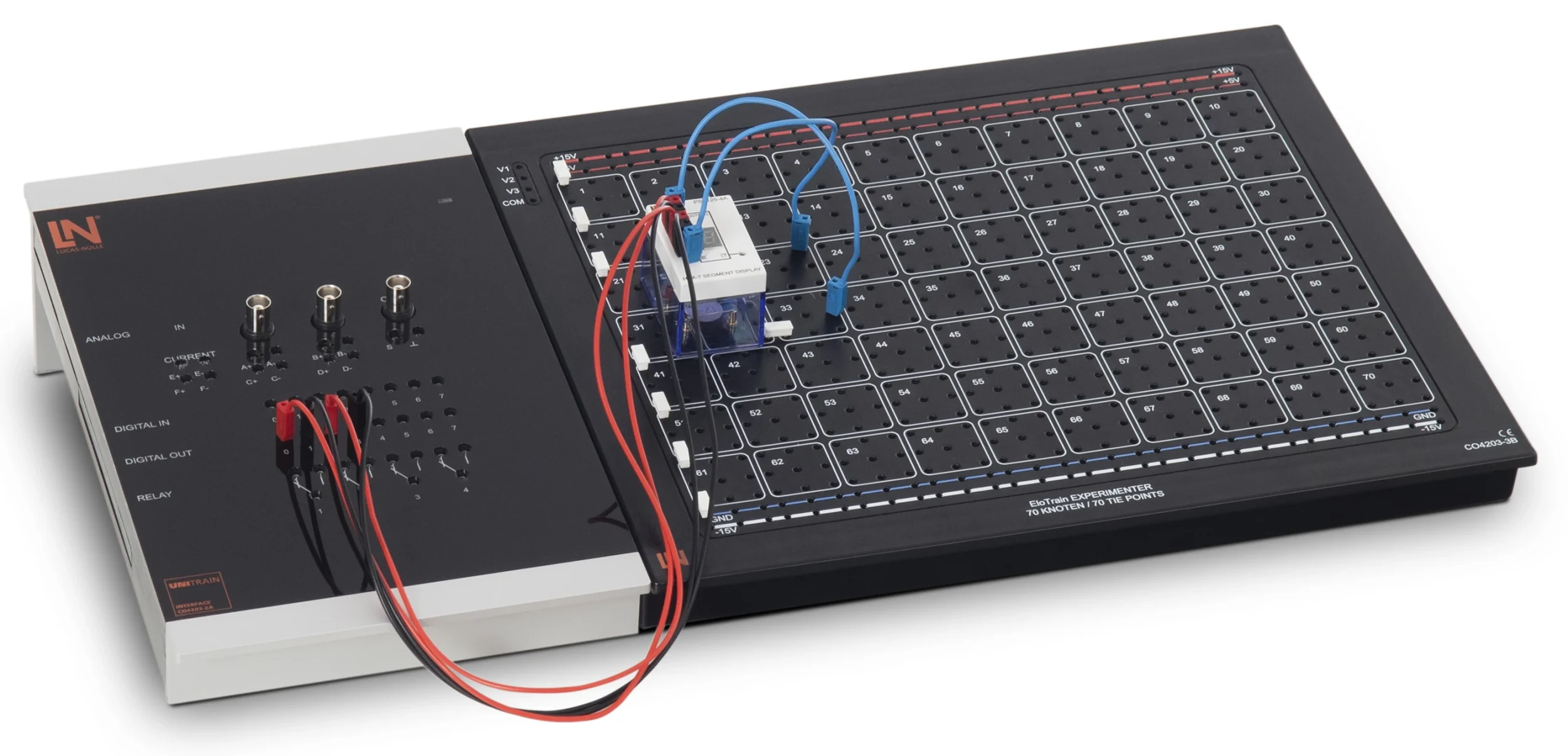
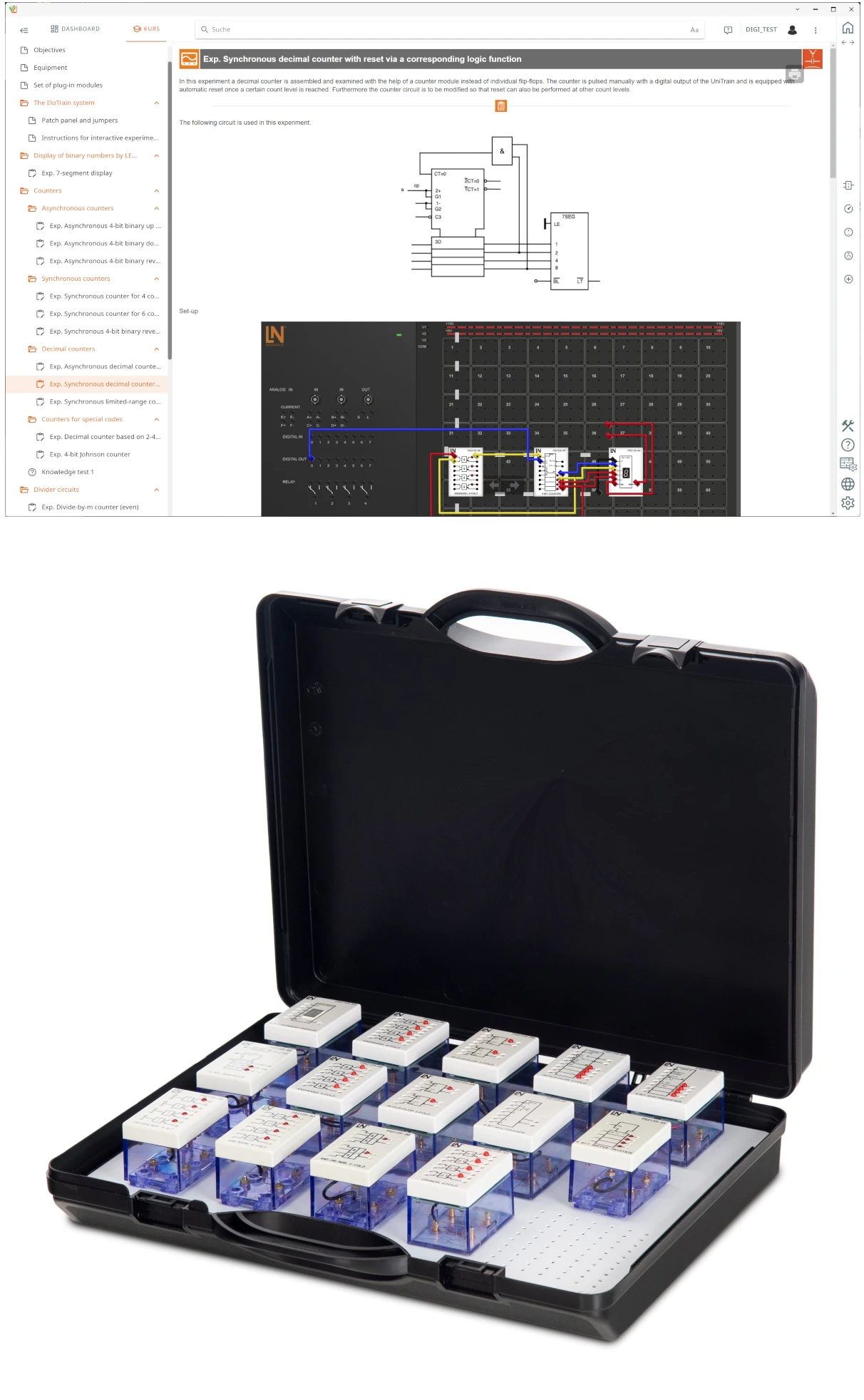
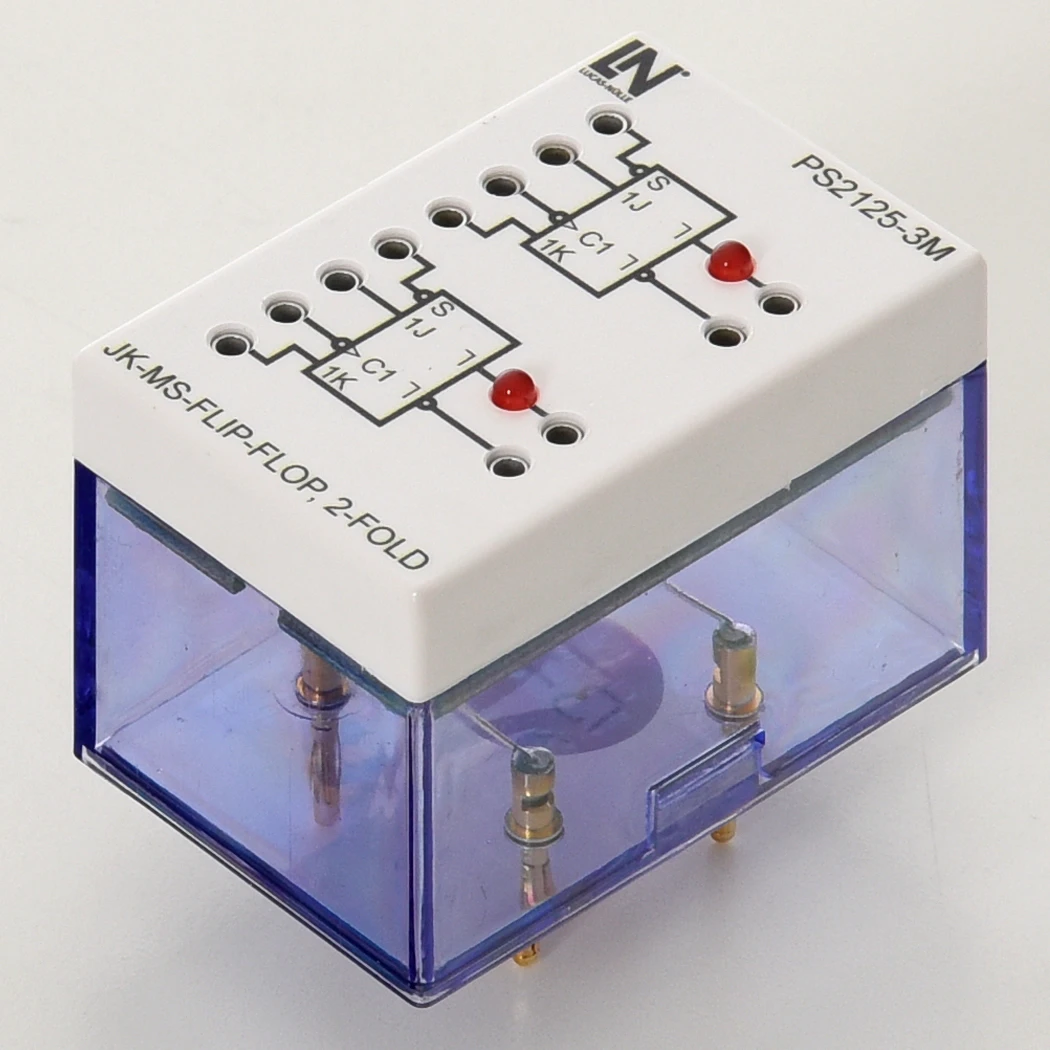
Modular EloTrain system in 2 mm format with 14 plug-in components, operated with the UniTrain interface. Learners build counters, registers and multiplexers and track clock signals and states using the integrated measurement technology.

Learning Content
  • Explaining the design and function of counters and registers
  • Driving an LED display
  • Analyzing asynchronous counters
  • Understanding synchronous counters
KEY FEATURES
  • Detailed analysis of counter circuits
  • Registers and data transmission
  • Frequency division and decoding
  • Practical sequential control systems
Speak with a Product Specialist +1 (757) 808-5696 · sales@lucas-nuelle.com

Sequential digital circuits with storage elements form the basis of control systems, arithmetic units and automation systems. This training system shows how clocked flip-flops are used to create counters, shift registers and frequency dividers. Learners assemble the circuits themselves and check their function by taking measurements at the inputs and outputs. Fourteen plug-in components in 2 mm format cover asynchronous and synchronous counters, Aiken and Johnson counters, parallel and shift registers, and multiplexers and demultiplexers. The UniTrain interface provides logic level displays and a function generator with clock rates from 0.5 to 5 MHz, so that timing behavior and counting sequences can be followed directly.

CO4206-1GCourse, EloTrain 7: Sequential circuits
CO4203-2AUniTrain Interface mit virtuellen Instrumenten (Basis VI)
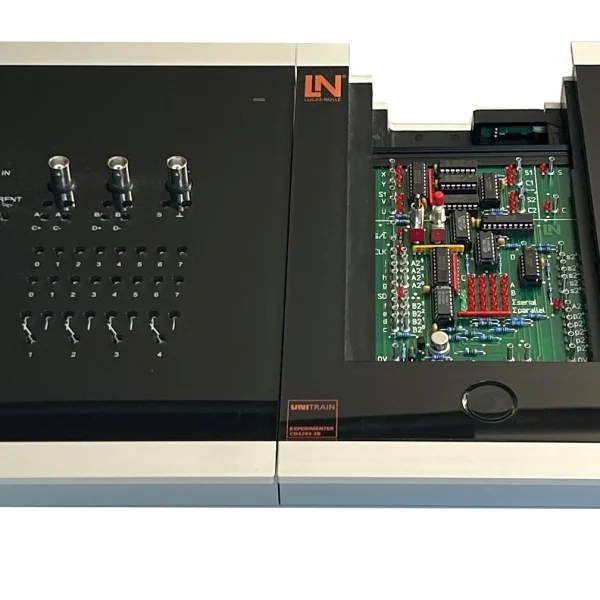
CO4203-3BEloTrain Experimenter
SO5146-1NEloTrain set of connection cables and plugs for 2mm system
CO4203-2YUniTrain storage case for one UniTrain system

Learning Content in Detail

Learners acquire the skills to build clocked digital circuits, analyze their timing behavior and make targeted use of counters, registers and multiplexers.

Explaining the design and function of counters and registers

Learners explain how the various types of counters and registers are constructed and how they operate.

Driving an LED display

Learners test BCD-to-7-segment decoders and display decimal digits using 4-bit code words.

Analyzing asynchronous counters

Learners build 4-bit up and down counters from JK flip-flops and determine the counting capacity.

Understanding synchronous counters

Learners implement clocked counters with a common clock line and demonstrate that all stages switch synchronously.

Investigating special counters

Learners examine the counting sequences of Aiken code and Johnson counters and restrict the counting range as required.

Evaluating frequency dividers

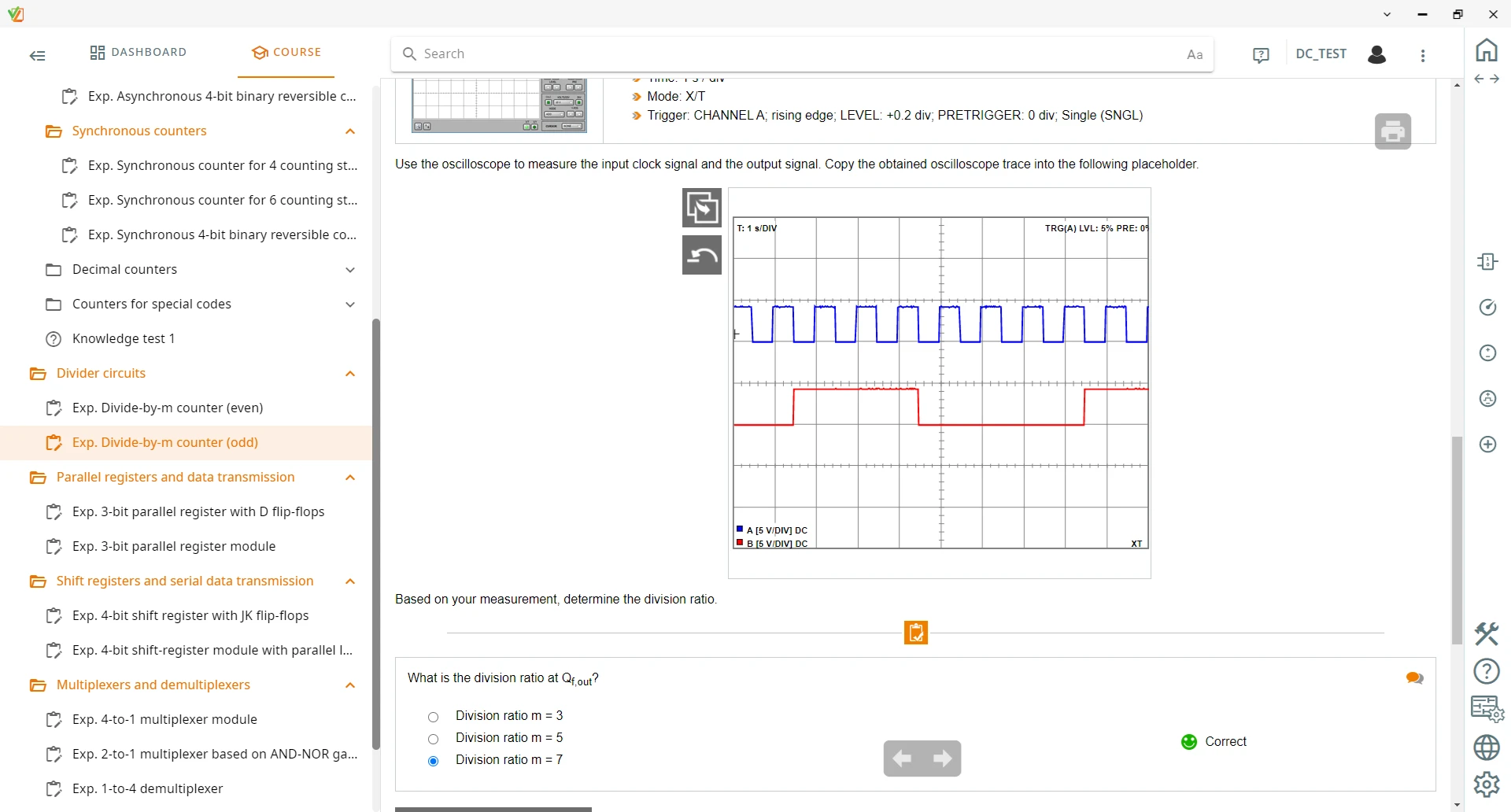
Learners use counter circuits to divide frequencies and calculate the output frequencies for even and odd division factors.

Testing data transfer with registers

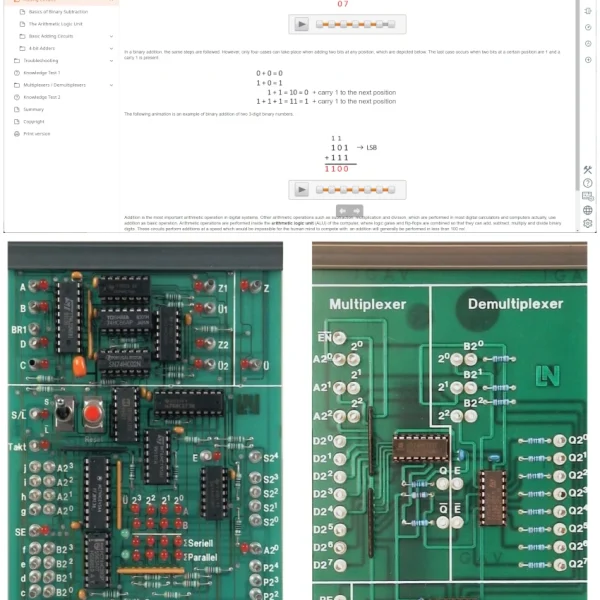
Learners build parallel and shift registers and compare serial with parallel data transmission.

Applying multiplexing

Learners wire up 4-to-1 multiplexers and 1-to-4 demultiplexers for orderly channel control of digital signals.

Features & Applications

The experiments address tasks from the servicing and maintenance of digital electrical systems, as well as from their assembly, commissioning and testing.
  • Detailed analysis of counter circuits — Learners build asynchronous and synchronous binary, decimal and special-code counters (Aiken and Johnson) and analyze their counting capacity and counting direction.
  • Registers and data transmission — Parallel and shift registers can be built and investigated. Learners use them to compare serial and parallel data transmission and the buffering of bit patterns.
  • Frequency division and decoding — Learners try out even and odd frequency dividers and the BCD control of 7-segment displays, and work with MUX and DEMUX components.
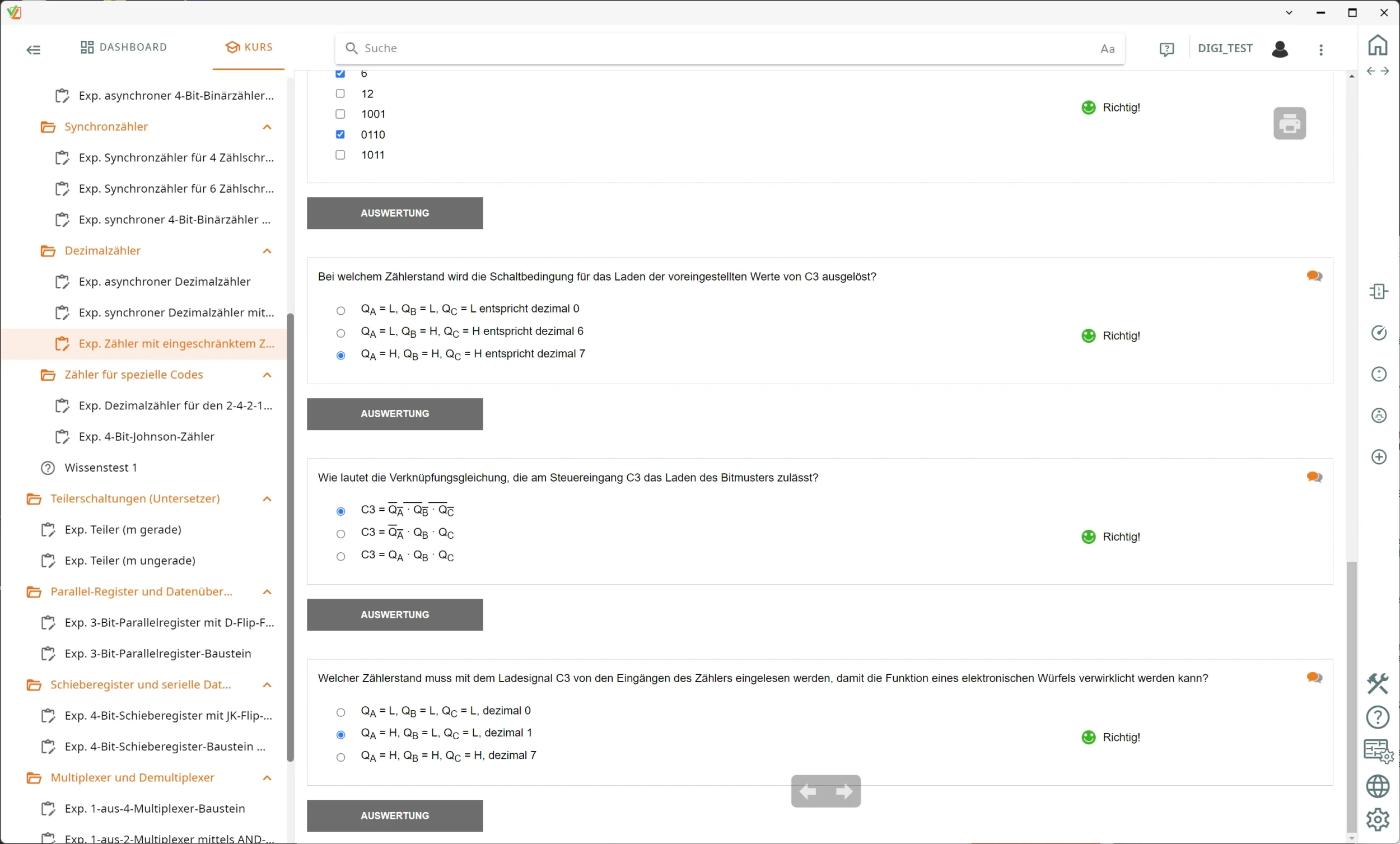
  • Practical sequential control systems — Using programmable counting ranges and clock generators, learners recreate real-life applications such as an electronic dice or a clocked sequence control system.
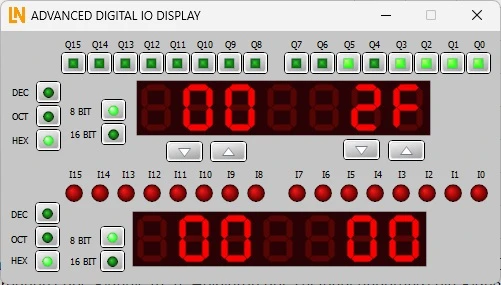
  • Integrated measurement technology via the UniTrain interface — The direct connection to the UniTrain interface provides logic level displays for the digital inputs and outputs as well as digital signal sources. Learners analyze the circuit in real time.
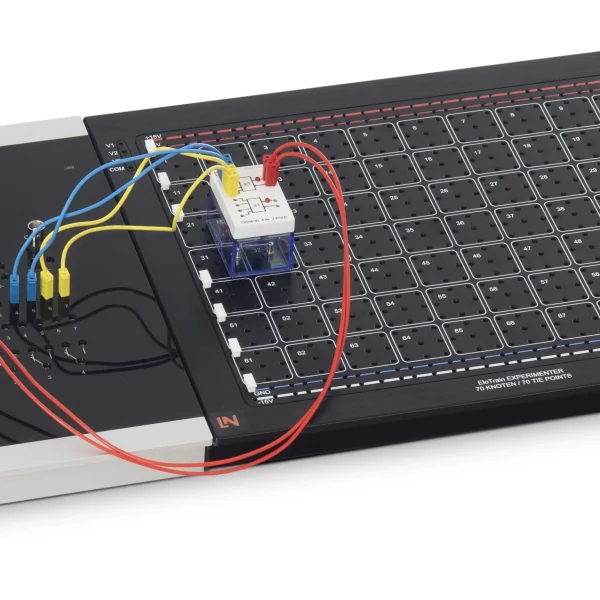
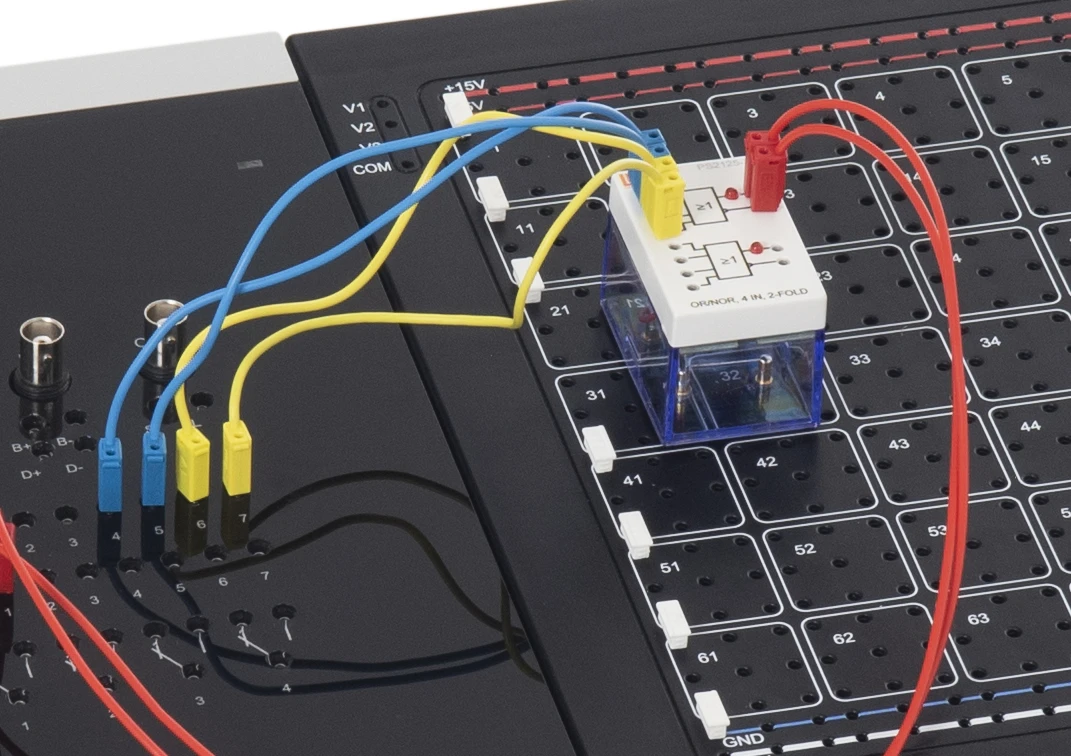
  • Separate routing for supply and signals — The 2 mm plugs on the underside provide the power supply, while learners connect the digital inputs and outputs on the top using 2 mm test leads. This keeps the setup clear.
  • Integrated status LEDs — LEDs fitted at the outputs indicate the high or low level immediately. Learners follow counter states and bit patterns visually.
  • Circuit wiring on the top — The logic components are connected via 2 mm jacks on the top. The signal path remains visible and the circuit setup is easy to follow.
  • Scratch-resistant digital printing on the components — The high-contrast print shows the standard-compliant circuit symbol and the type designation of the component, so learners can identify the components more quickly during setup.
  • EloTrain 2 mm plug-in board with bus structures — 70 numbered nodes, each with nine 2 mm jacks, are available. The supply voltages are distributed clearly via bus structures.
  • Extended digital inputs and outputs — The instrument switches the digital outputs and displays the states of the inputs and outputs in decimal, hexadecimal and octal.
  • Function generator — With the logic waveform setting, clock rates between 0.5 and 5 MHz can be set with variable amplitude.
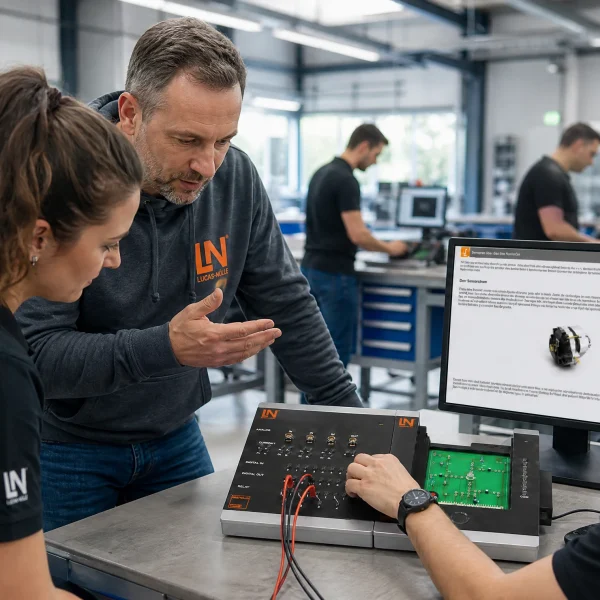
Learners working with RXLea on a tablet at a Lucas-Nuelle training system
RXLea

From Knowledge Comes Capability.

You guide the learning

Where theory and practice go hand in hand.

RXLea brings a new way of learning: project-based, hands-on and clearly structured. Learners solve real-world tasks, while instructors save time on preparation. Interactive modules, smart analytics and real hardware create a modern, efficient learning world.

Hands-on and interactive

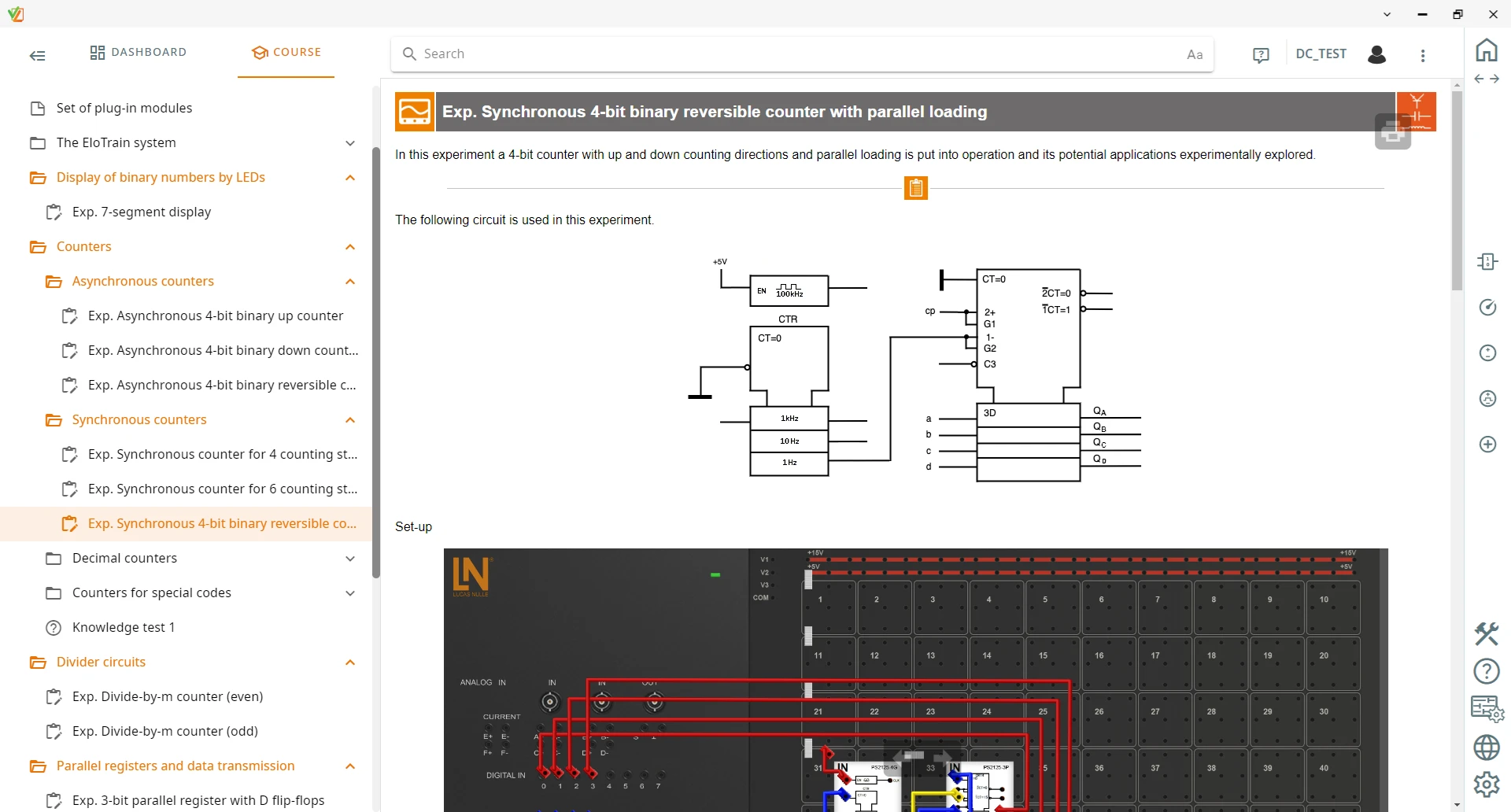
Animations, interactive tasks and realistic scenarios build a deep understanding. All content is organized into clear learning paths for focused, hands-on learning.

Digital support

3D assembly animations and digital instructions simplify complex procedures, reduce errors and help learners work more independently.

Visual support

Overview graphics, screenshots and sample animations make the learning world transparent. Photos from the learning packages are also available, including country-specific versions where needed.


Learners using a tablet at an energy training system
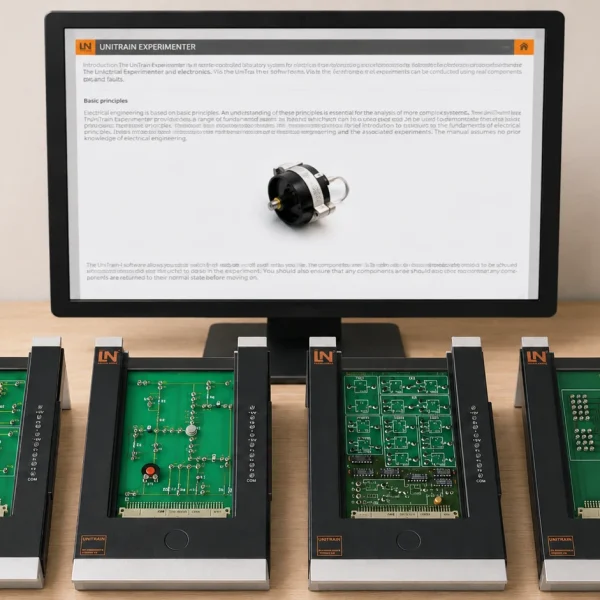
RXLea on desktop, laptop and tablet
RXLea Path Creator for building learning journeys
RXLea Navigator showing the learning world
Learn more about RXLea
Newsletter

Stay ahead in
technical training.

Get the latest training systems, product launches and educational insights, delivered directly to your inbox.

Your email address

By subscribing, you agree to our Privacy Policy. You can unsubscribe at any time.

 Please select at least one category before subscribing.
I'm interested in - select all that apply