

AC and Three-Phase Technology
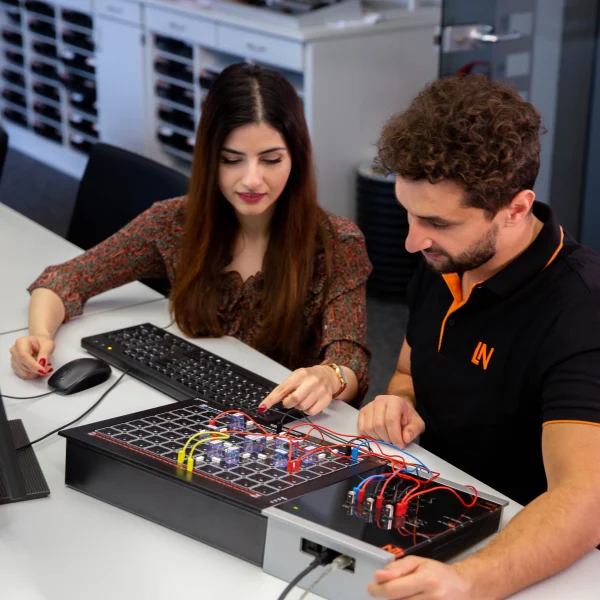
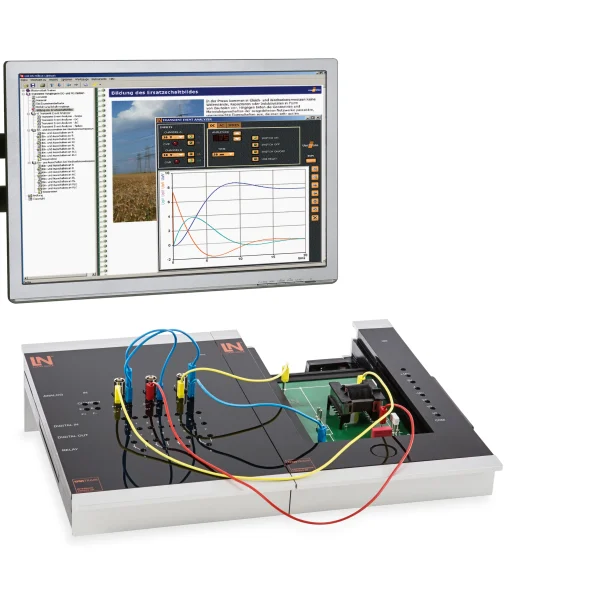
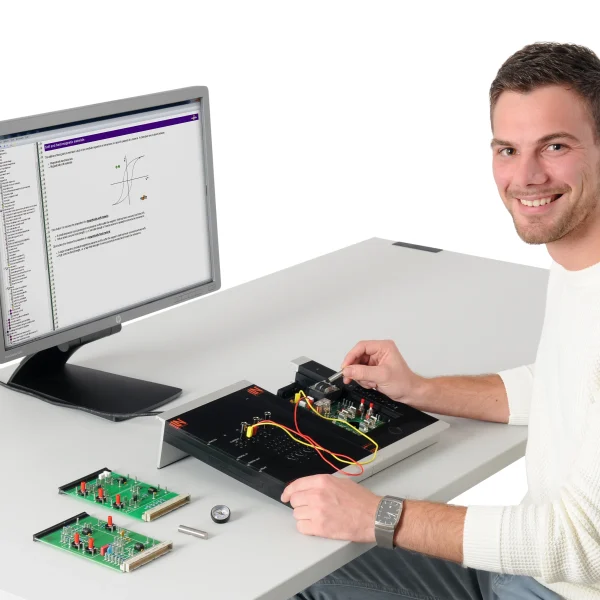
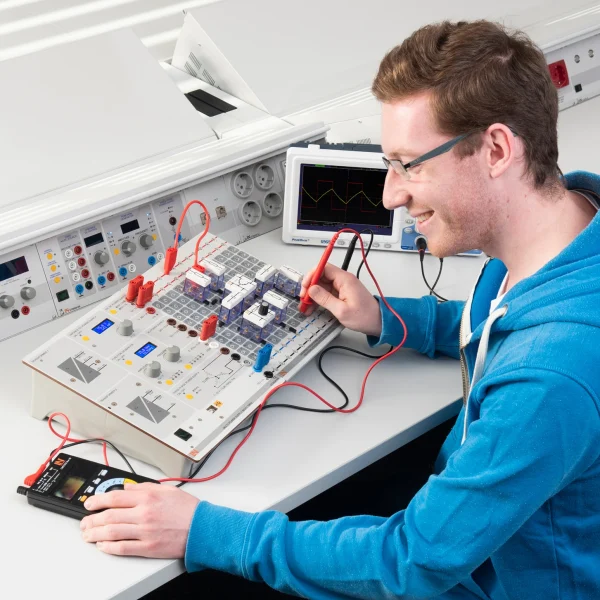
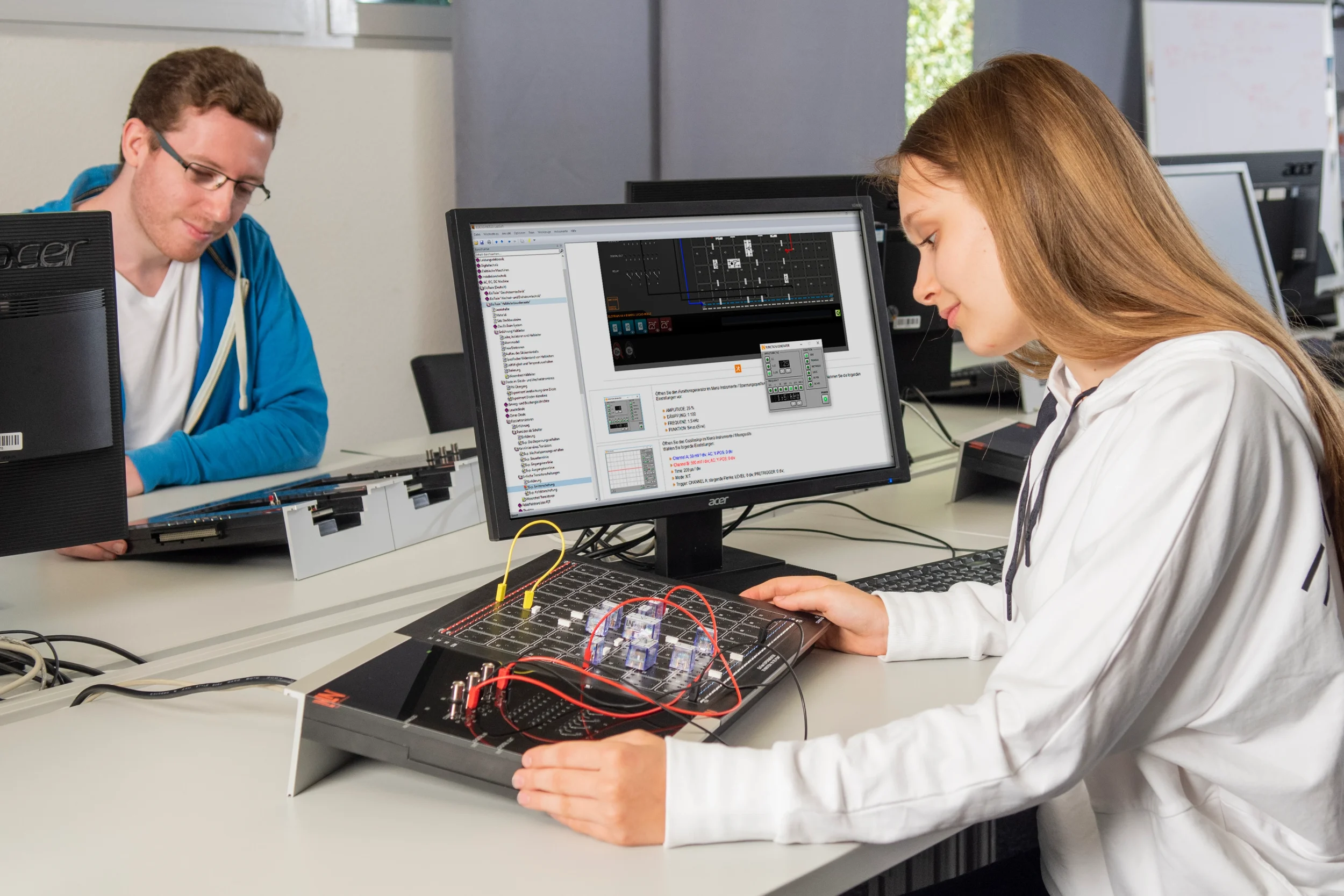
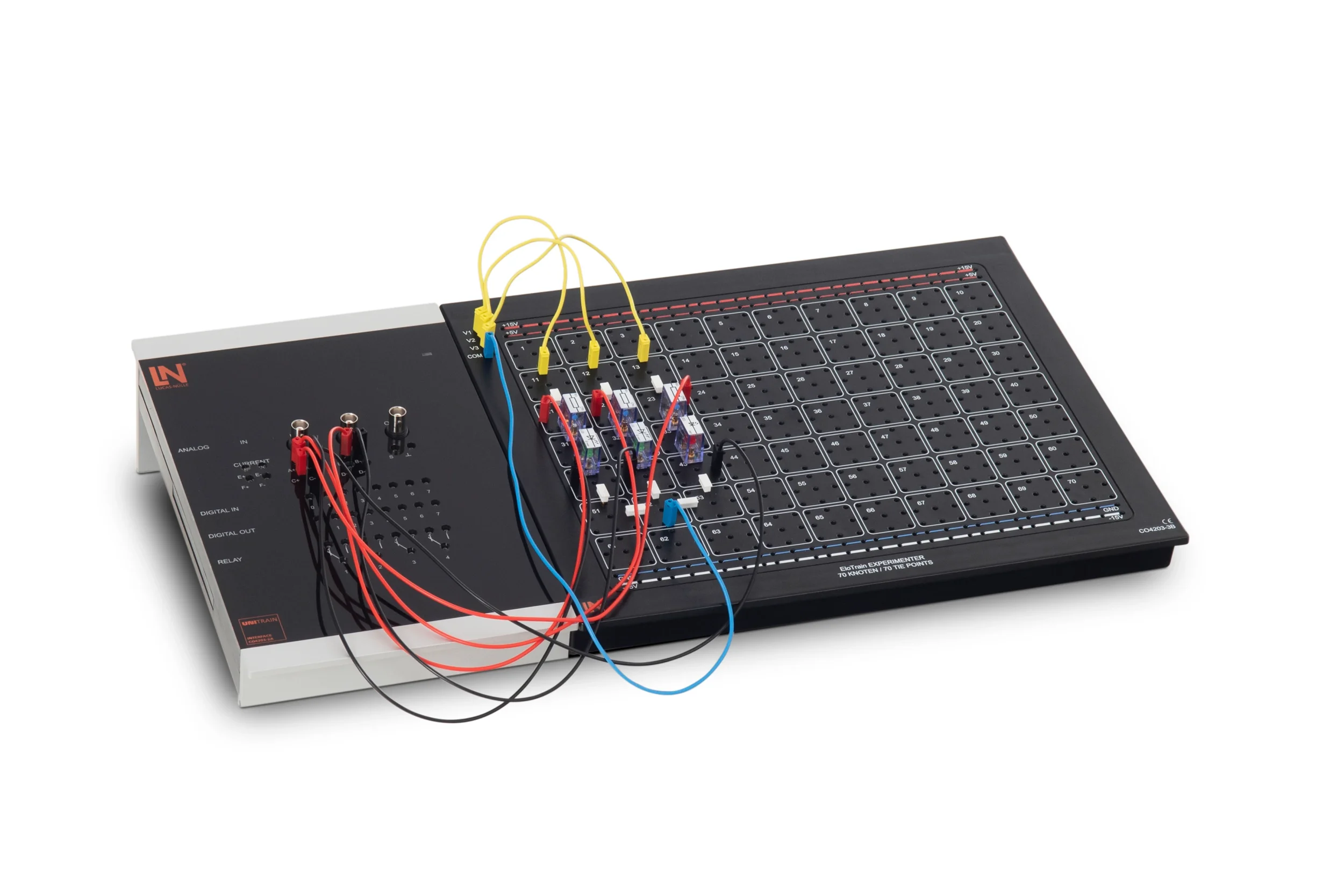
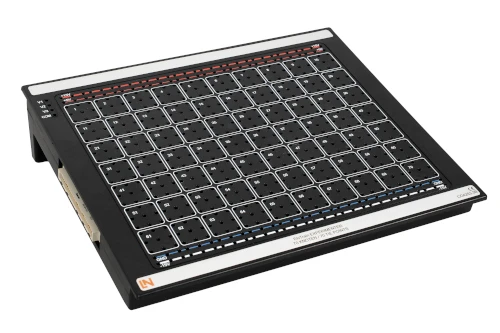
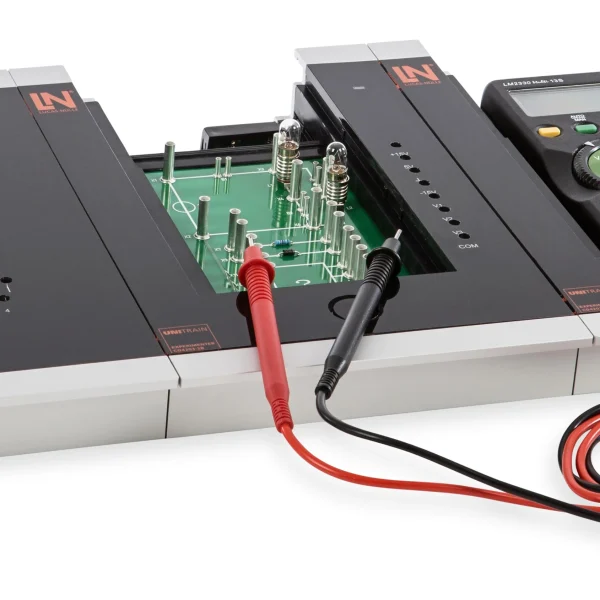
Modular training system for AC and three-phase technology: learners build circuits from 2 mm plug-in components on the plug-in board and take measurements with the virtual instruments of the UniTrain interface.
- Naming the parameters of alternating current
- Adding AC quantities in the phasor diagram
- Measuring the phase shift at coils and capacitors
- Investigating the frequency behavior of R-C circuits
- Investigating frequency-dependent circuits with R, L and C
- Geometric addition in the phasor diagram
- How transformers work
- Balanced and unbalanced loads
Time-varying voltages and currents in electrical networks follow their own laws. Anyone who has mastered reactive power, filter circuits and transformers can plan and maintain industrial and power supply networks professionally. The training system combines robust plug-in components with the UniTrain interface and interactive multimedia software. Learners plug together circuits of resistors, coils and capacitors themselves, record the filter curves of RC low-pass and RL high-pass filters, build a transformer from coils and an iron core, and investigate the three-phase system under balanced and unbalanced loads. Finally, they add AC quantities in the phasor diagram and explain the differences between wye and delta connections.
| Course | |
| CO4206-1B | Course, EloTrain 2: AC and three-phase technology |
| Accessories | |
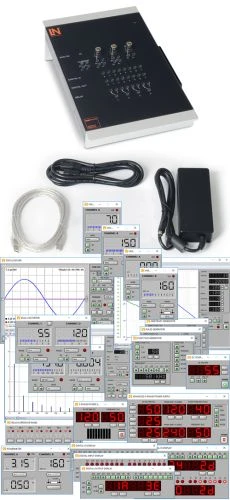
| CO4203-2A | UniTrain Interface mit virtuellen Instrumenten (Basis VI) |
| CO4203-3B | EloTrain Experimenter |
| SO5146-1N | EloTrain set of connection cables and plugs for 2mm system |
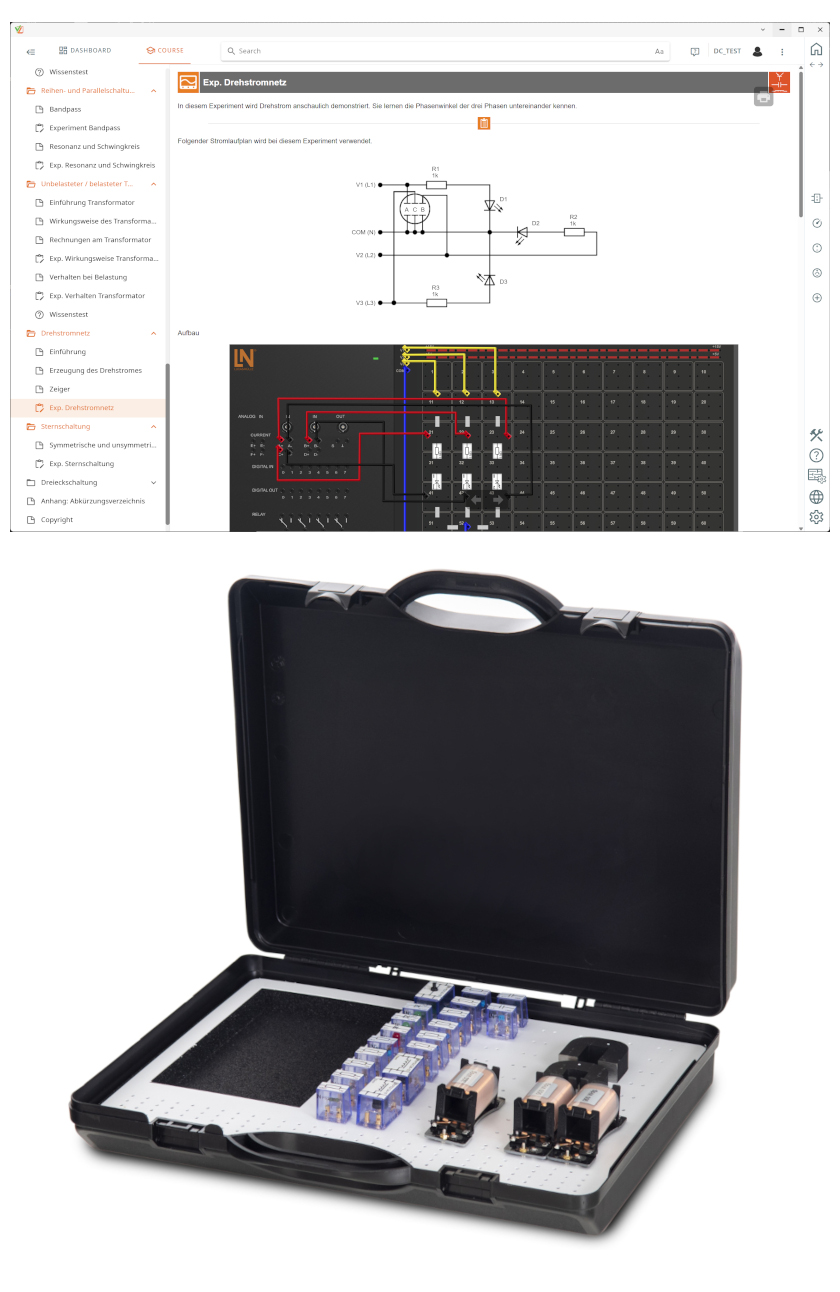
| CO4203-2Y | UniTrain storage case for one UniTrain system |
Learning Content in Detail
Naming the parameters of alternating current
Adding AC quantities in the phasor diagram
Measuring the phase shift at coils and capacitors
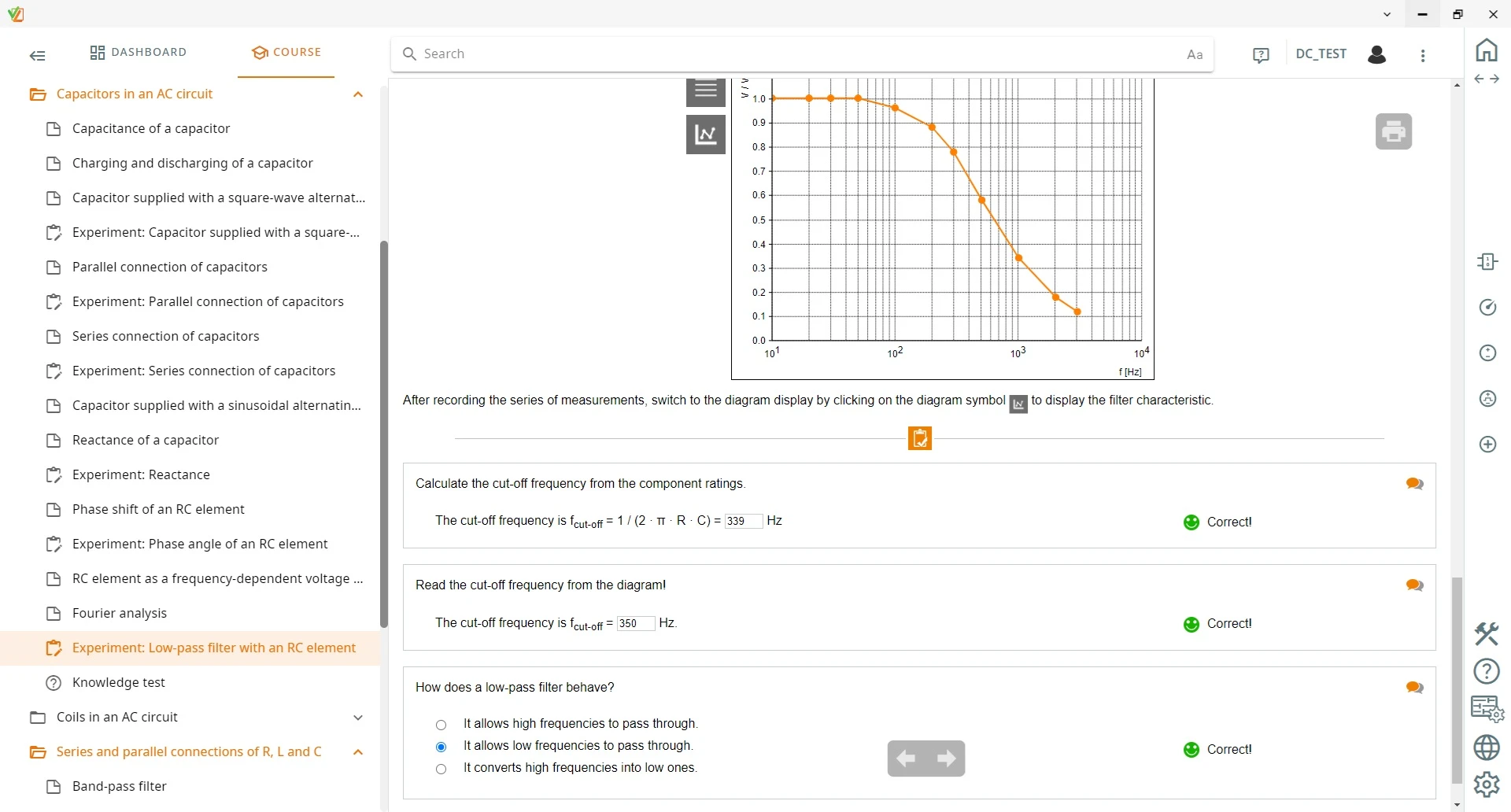
Investigating the frequency behavior of R-C circuits
Investigating the frequency behavior of R-L circuits
Characterizing RLC filters and resonant circuits
Explaining how a transformer works
Carrying out measurements on the transformer
Naming the properties of the three-phase system
Distinguishing between wye and delta connections
Measurements on wye circuits with symmetric/asymmetric loads
Measurements on delta circuits with symmetric/asymmetric loads
Features & Applications
- Investigating frequency-dependent circuits with R, L and C — Learners record the filter curves of RC low-pass and RL high-pass filters and thus gain a practical understanding of the attenuation behavior of electronic circuits.
- Geometric addition in the phasor diagram — Learners add phase-shifted currents and voltages vectorially in the phasor diagram.
- How transformers work — Learners build a transformer from coils and an iron core and explore the principle of electromagnetic induction in a practical experiment.
- Balanced and unbalanced loads — Learners investigate the current and voltage relationships in the three-phase system with unequal phase loading, in both wye and delta connection.
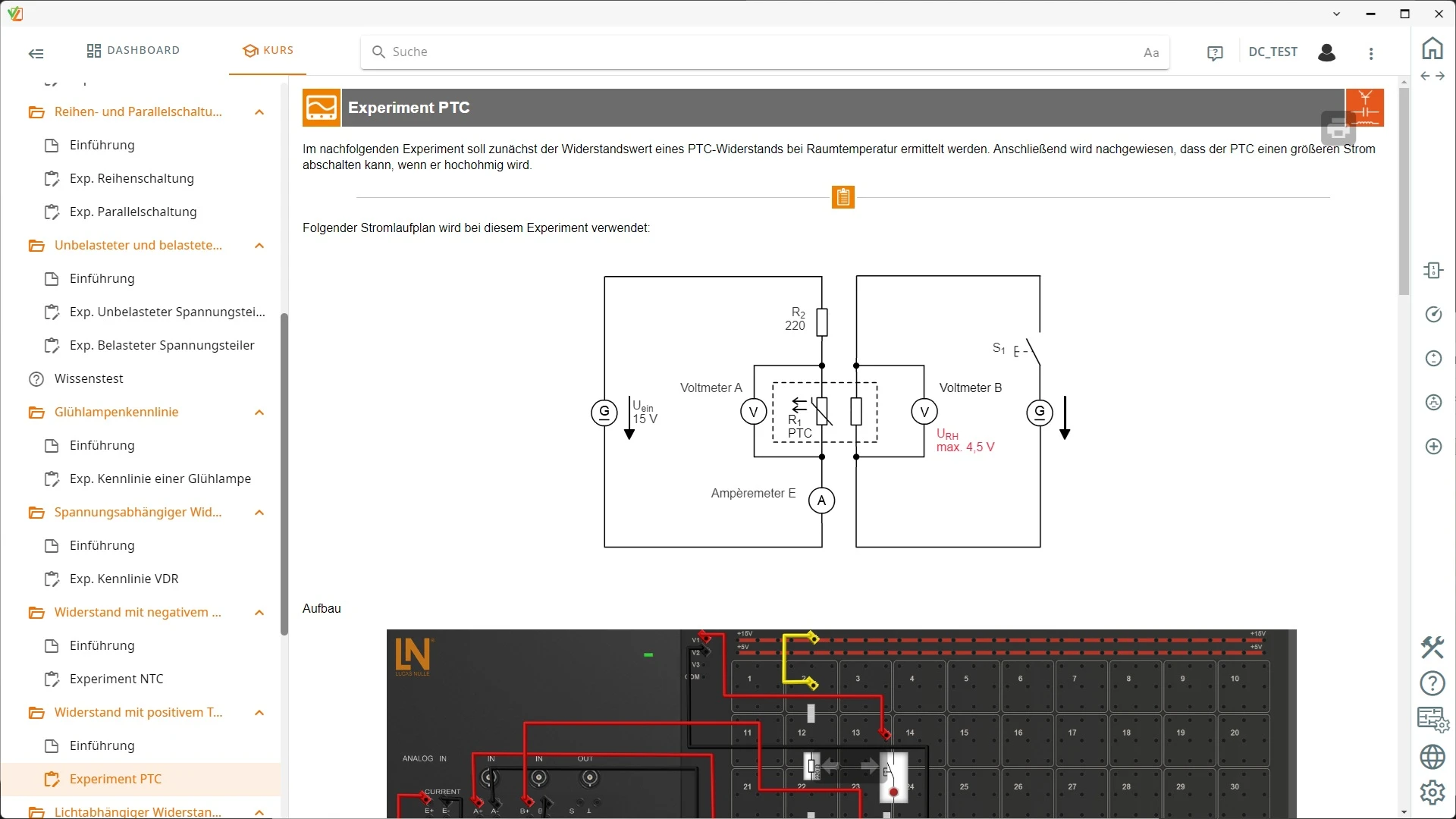
- Interactive experiment guidance — The software-based LabSoft platform guides learners through the experiments without errors, with animated assembly aids and direct transfer of measured values.
- Integrated measurement technology — The UniTrain interface provides virtual instruments such as an oscilloscope and function generator, so no external laboratory equipment is needed.
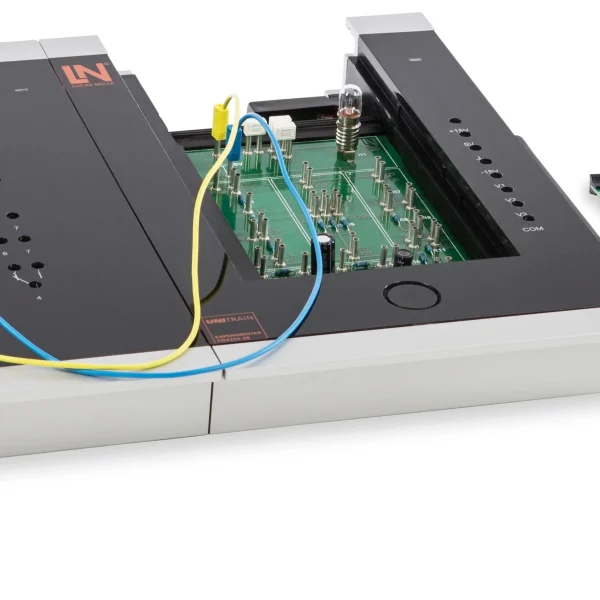
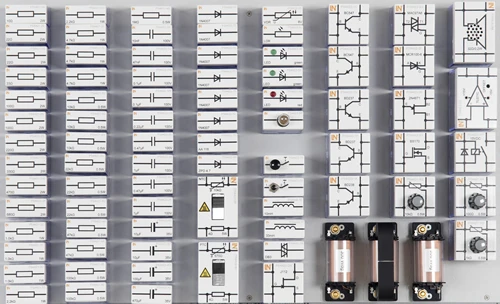
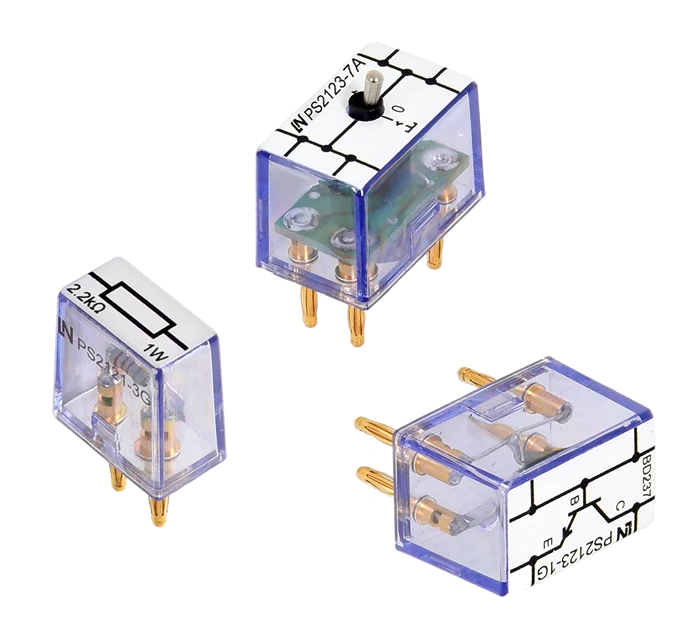
- 2 mm plug-in components — Transparent housings with scratch-resistant printing reveal the components inside and make it easier to transfer circuit diagrams into real circuits.
- Phase shift between current and voltage — Oscilloscope measurements illustrate the phase shift between current and voltage at the coil and capacitor.
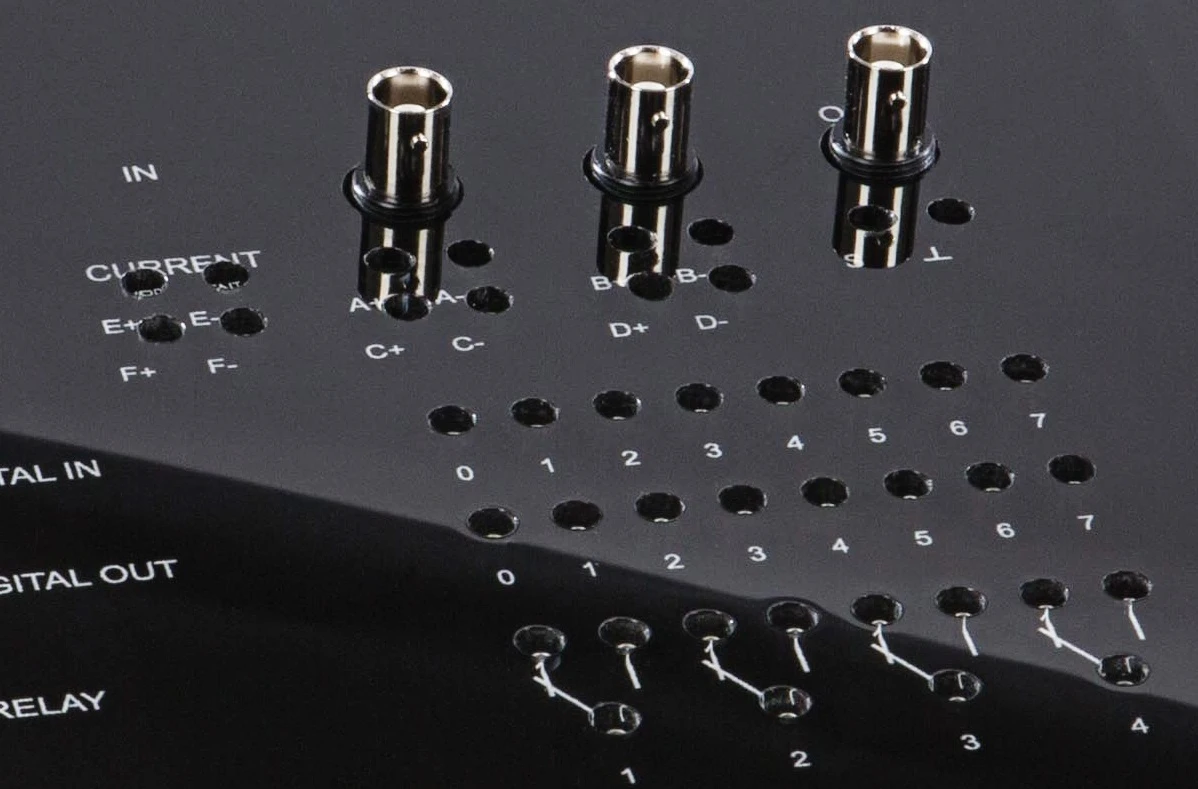
- UniTrain interface — The UniTrain interface provides all the inputs and outputs required for the experiments.
- Saving measurement results individually — The individually saved measurement results enable learners to review the experiments afterwards.
- 2/4-channel oscilloscope — The instrument offers a bandwidth of 20 MHz as well as cursor functions and displays waveforms and time differences in real time.
- Function generator up to 5 MHz — The function generator produces DC voltage and AC voltage in various waveforms at frequencies of up to 5 MHz.

From Knowledge Comes Capability.
You guide the learning
Where theory and practice go hand in hand.
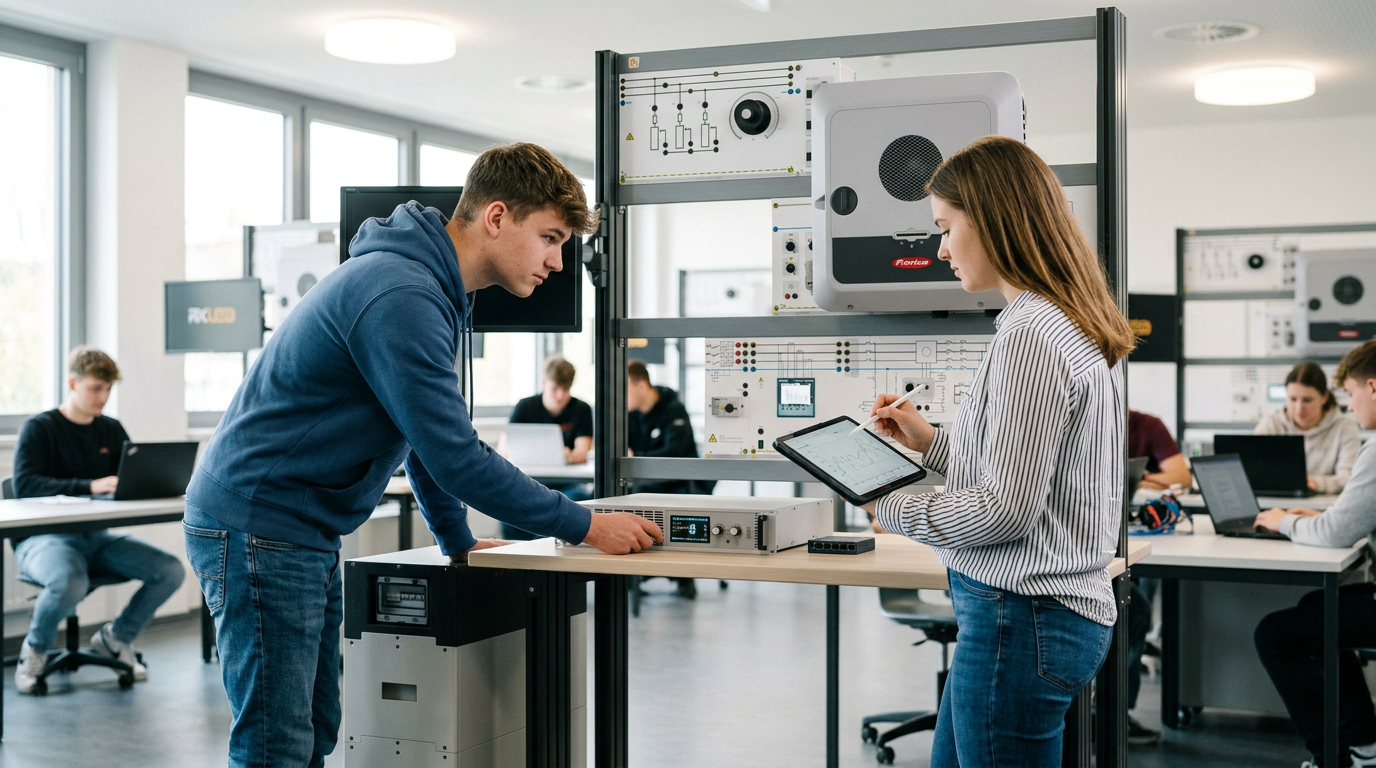
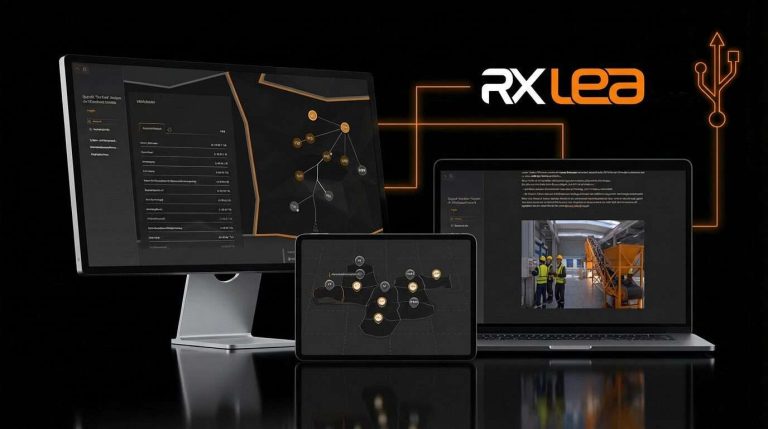
RXLea brings a new way of learning: project-based, hands-on and clearly structured. Learners solve real-world tasks, while instructors save time on preparation. Interactive modules, smart analytics and real hardware create a modern, efficient learning world.
Hands-on and interactive
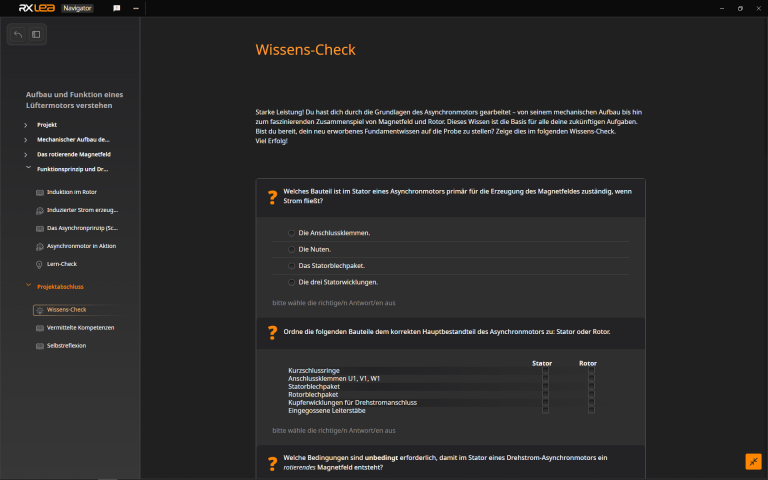
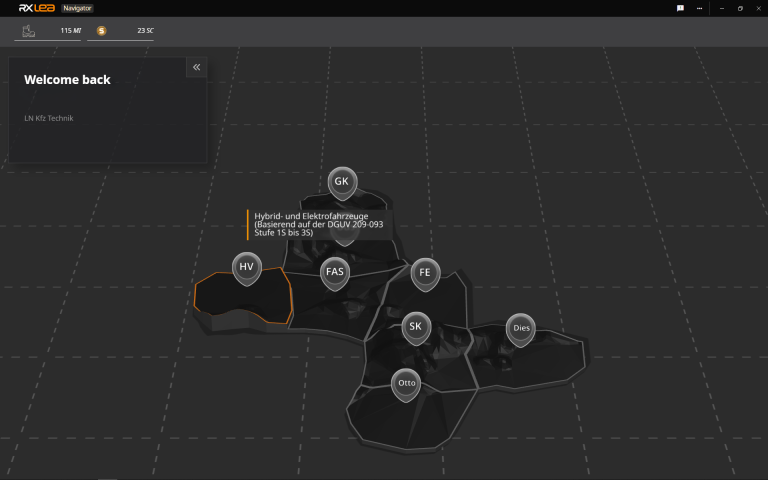
Animations, interactive tasks and realistic scenarios build a deep understanding. All content is organized into clear learning paths for focused, hands-on learning.
Digital support
3D assembly animations and digital instructions simplify complex procedures, reduce errors and help learners work more independently.
Visual support
Overview graphics, screenshots and sample animations make the learning world transparent. Photos from the learning packages are also available, including country-specific versions where needed.

Stay ahead in
technical training.
Get the latest training systems, product launches and educational insights, delivered directly to your inbox.