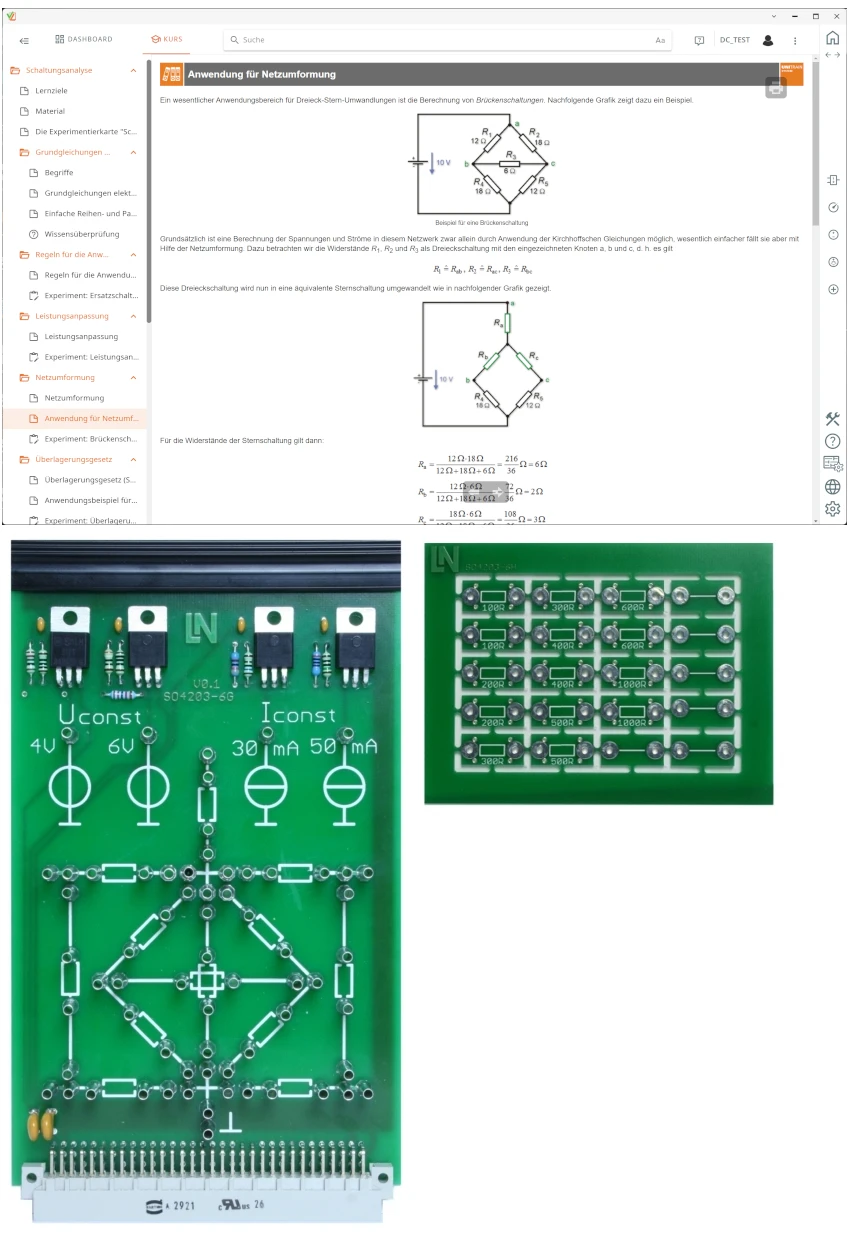



Electrical Network Analysis
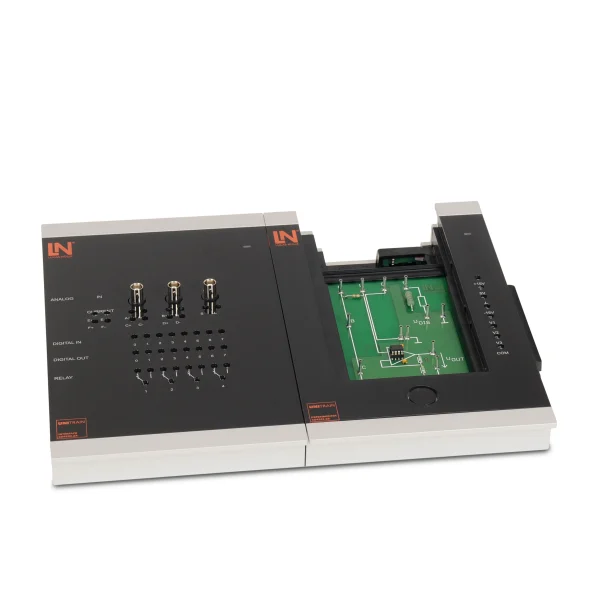
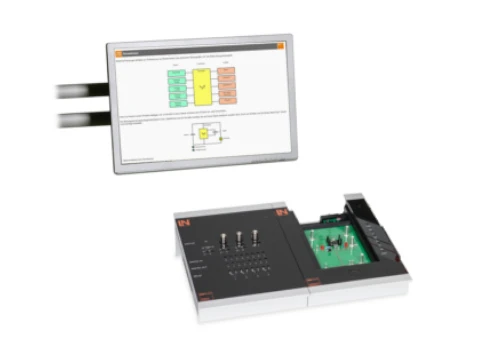
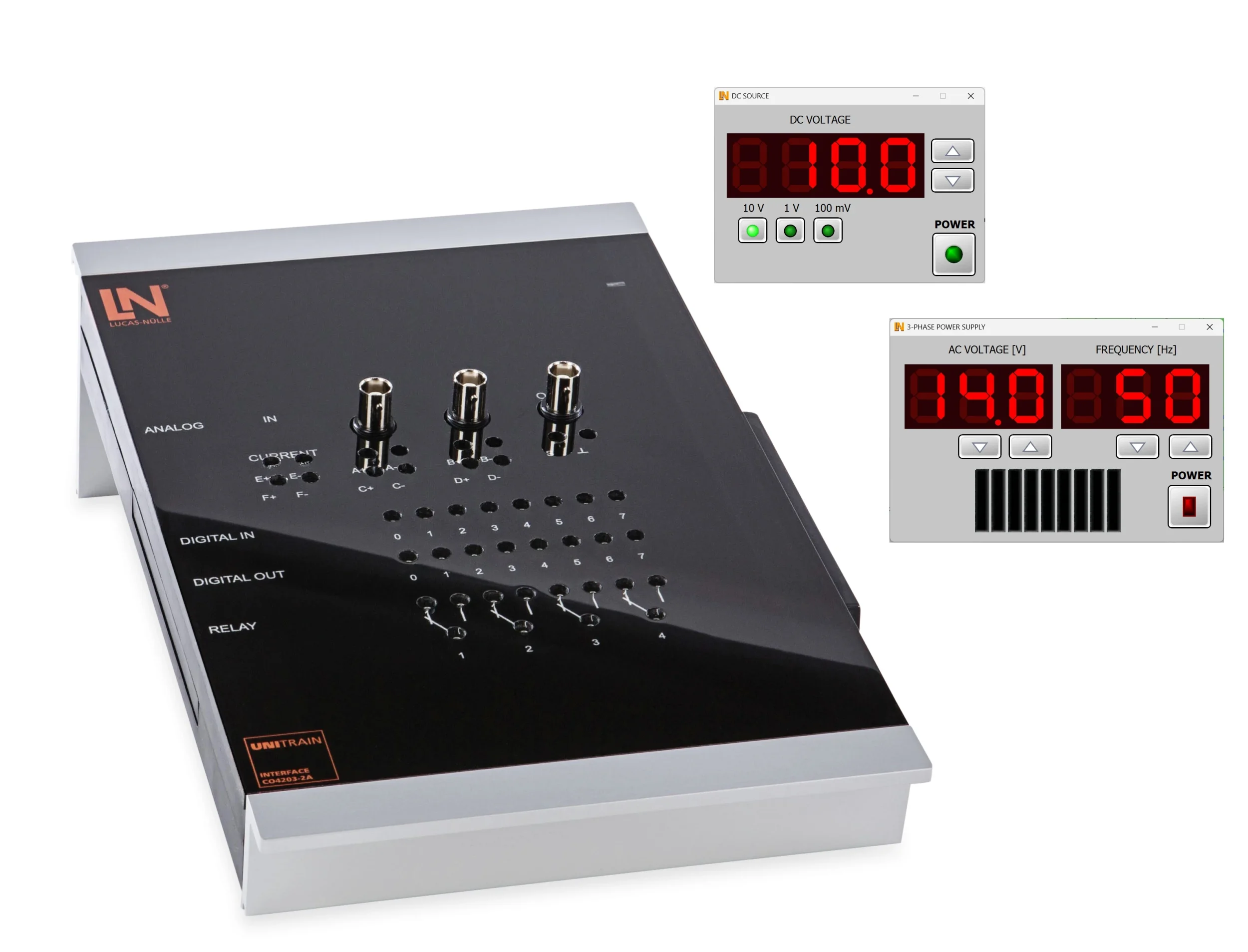
Compact UniTrain training system for circuit analysis: students calculate branched DC networks using Thevenin’s and Norton’s theorems and the superposition theorem, and verify the results on a universal plug-in field.
- Getting to know the basic equations of electrical networks
- Setting up Kirchhoff’s equations
- Analyzing resistor networks using Kirchhoff’s laws
- Determining power matching
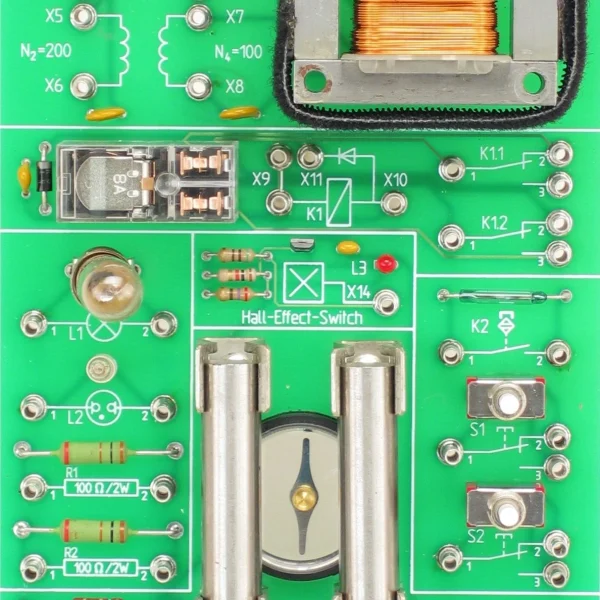
- Circuit analysis experiment card
- Verifying linear network theorems
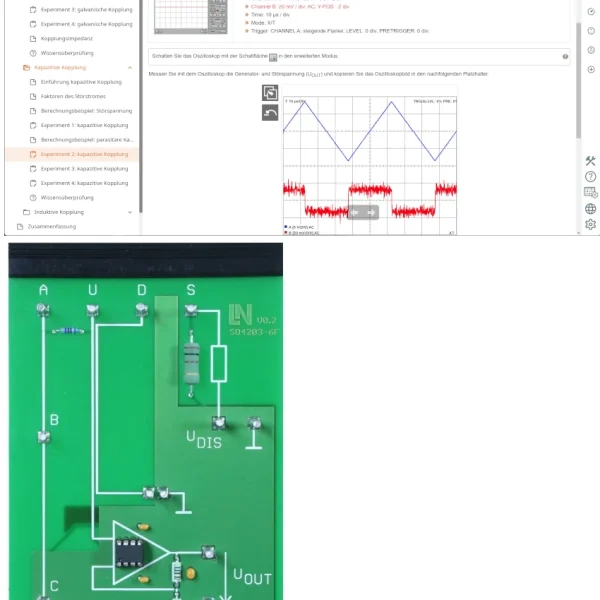
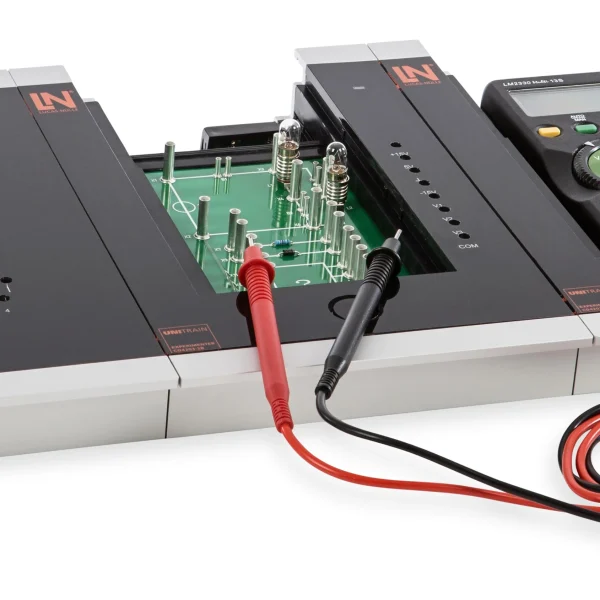
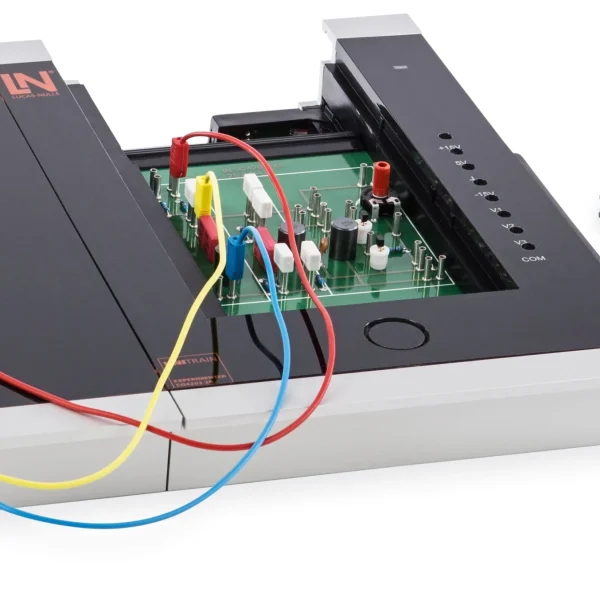
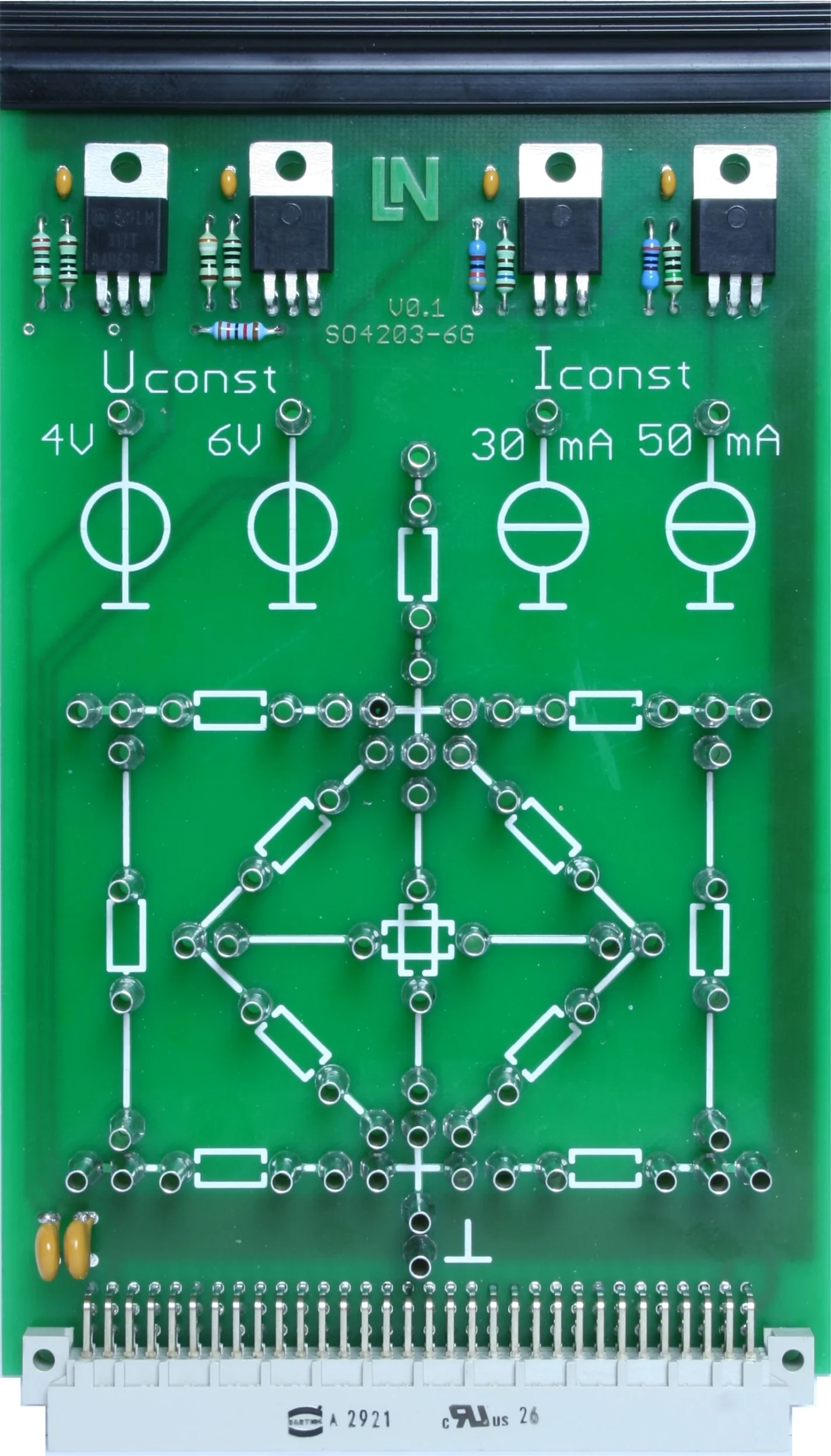
- Universal plug-in field on the experiment card
- Working at safety extra-low voltage
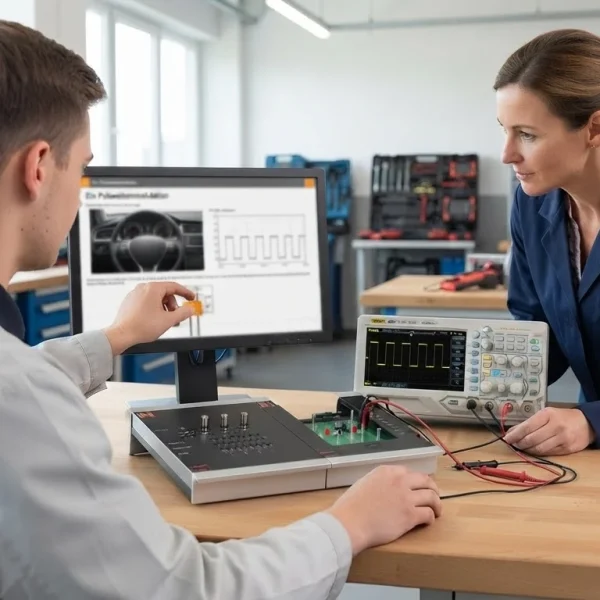
Branched DC networks are difficult to handle using only the basic laws. Network theorems reduce the amount of calculation required for dimensioning and for structured troubleshooting in power and signal networks. The training system uses LabSoft to guide students through the solution methods and lets them check the result immediately on their own circuit. Series, parallel, bridge and wye-delta networks are built on the universal plug-in field; they are supplied by two constant voltage sources of 4 V and 6 V and two constant current sources of 30 mA and 50 mA. Students activate sources individually, determine open-circuit voltages and short-circuit currents, and convert complex networks into equivalent sources. The entire system operates below 25 V AC and 50 V DC.
| Course | |
| CO4204-4C | Course Electrical engineering 6: Electrical network analysis |
| Options | |
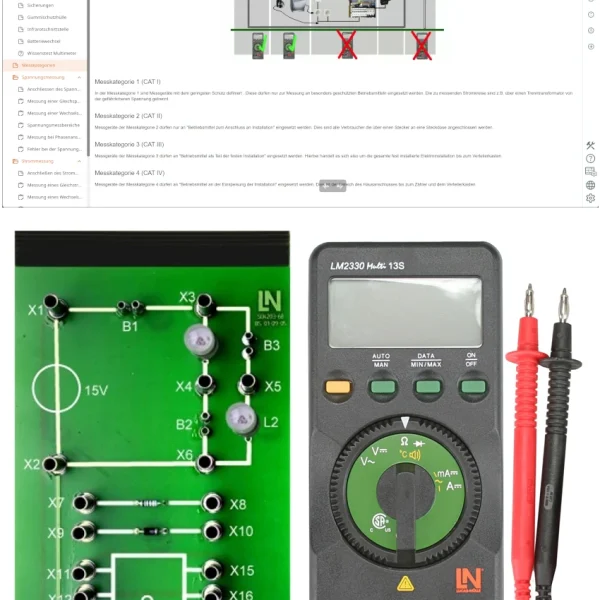
| LM2330 | Multi13S digital multimeteroptional |
| Accessories | |
| CO4203-2A | UniTrain Interface mit virtuellen Instrumenten (Basis VI) |
| CO4203-2J | UniTrain measurement accessories, shunts and connection cables |
| CO4203-2Y | UniTrain storage case for one UniTrain system |
| CO4203-2B | UniTrain Experimenter |
Learning Content in Detail
Getting to know the basic equations of electrical networks
Setting up Kirchhoff’s equations
Analyzing resistor networks using Kirchhoff’s laws
Determining power matching
Transforming networks
Applying the superposition theorem
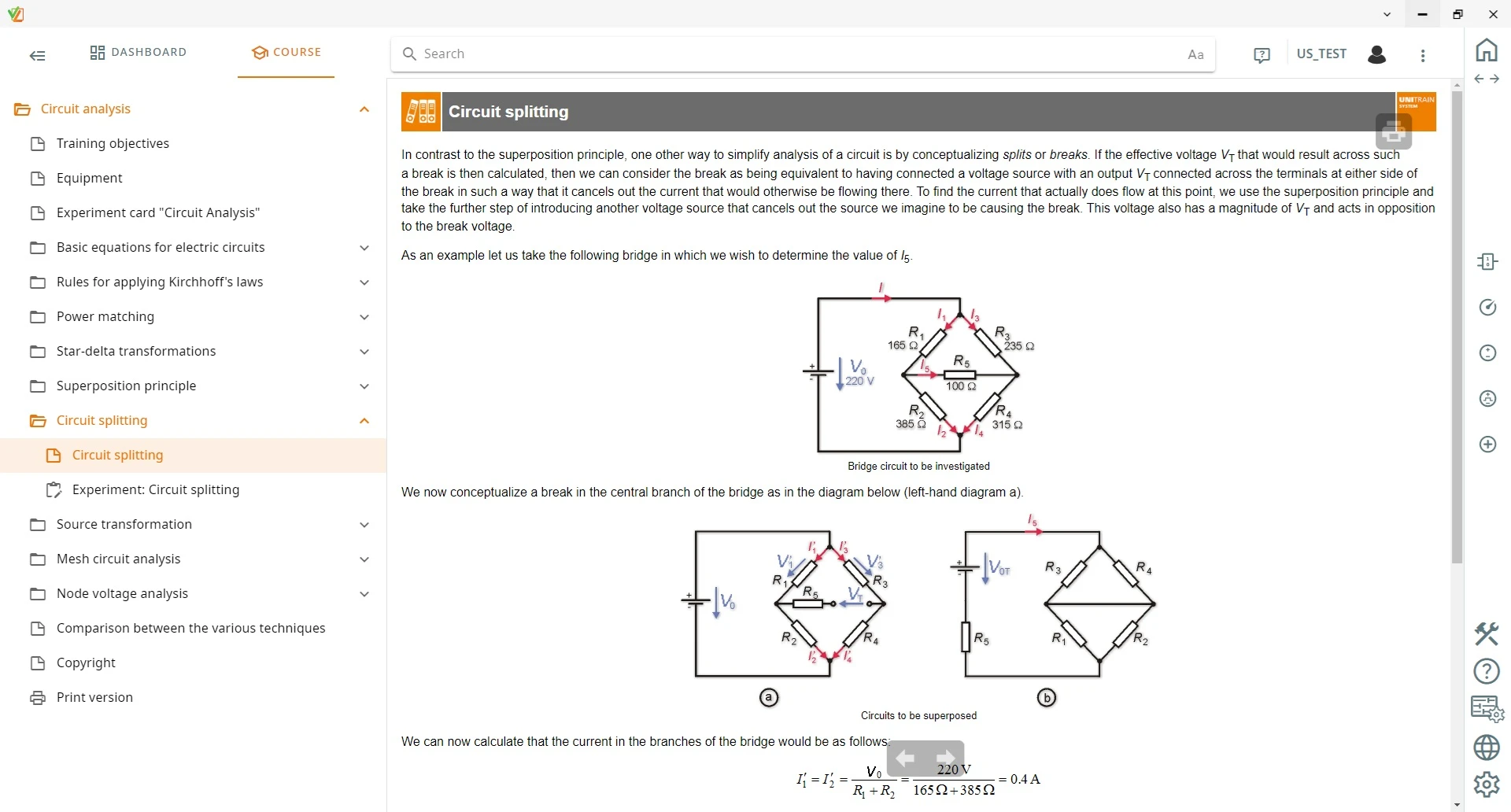
Simplification of resistor networks using Thevenin's theorem
Simplification of resistor networks using Norton's theorem
Applying Millman’s theorem
Converting sources into one another
Features & Applications
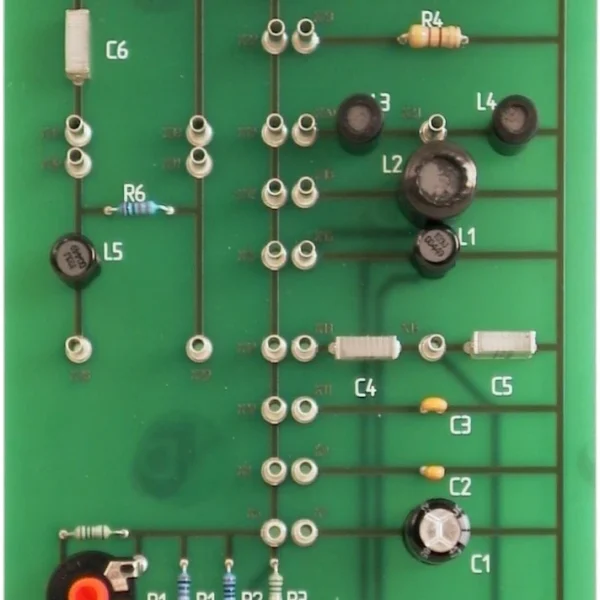
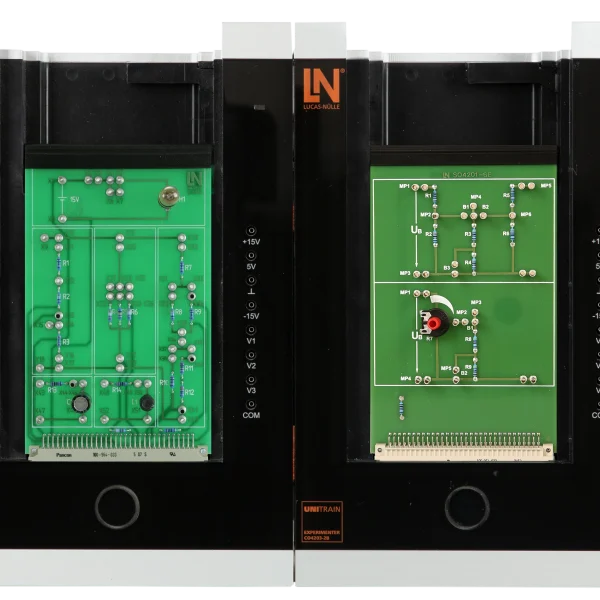
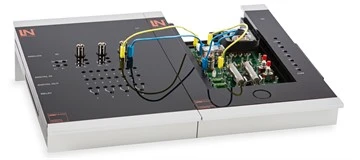
- Circuit analysis experiment card — It offers a universal plug-in field for the flexible construction of series, parallel, bridge and wye-delta networks.
- Verifying linear network theorems — Students investigate mathematical analysis methods such as Thevenin’s and Norton’s theorems directly on the experiment setup.
- Universal plug-in field on the experiment card — A wide variety of resistor networks can be built on the plug-in field. This allows a large number of analysis methods for DC networks to be applied.
- Working at safety extra-low voltage — The entire system operates exclusively below 25 V AC and 50 V DC. This allows students to experiment without danger.
- Analyzing bridge circuits experimentally — Students analyze complex bridge circuits and determine currents and voltage drops through real measurements.
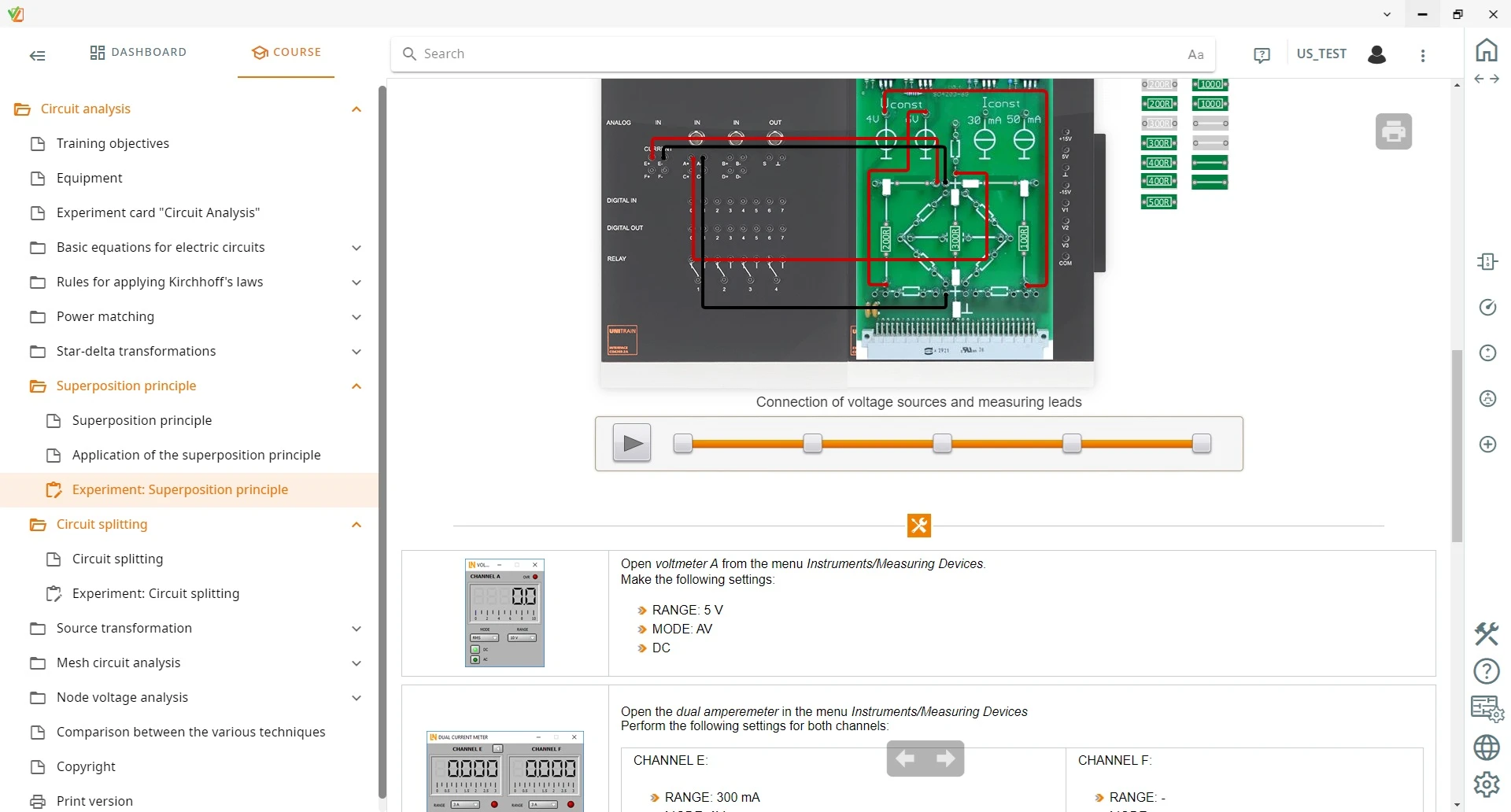
- Applying the superposition principle — Students switch individual voltage sources active or passive one after the other in order to verify the superposition theorem by measurement.
- Determining the parameters of equivalent sources — Students determine open-circuit voltages and short-circuit currents and use them to convert complex networks into simple equivalent sources.
- Integrated constant voltage sources — Two fixed DC voltages of 4 V and 6 V supply the measurement networks stably, either in parallel or separately.
- Integrated constant current sources — Two impressed DC currents of 30 mA and 50 mA are available and enable advanced source transformations.
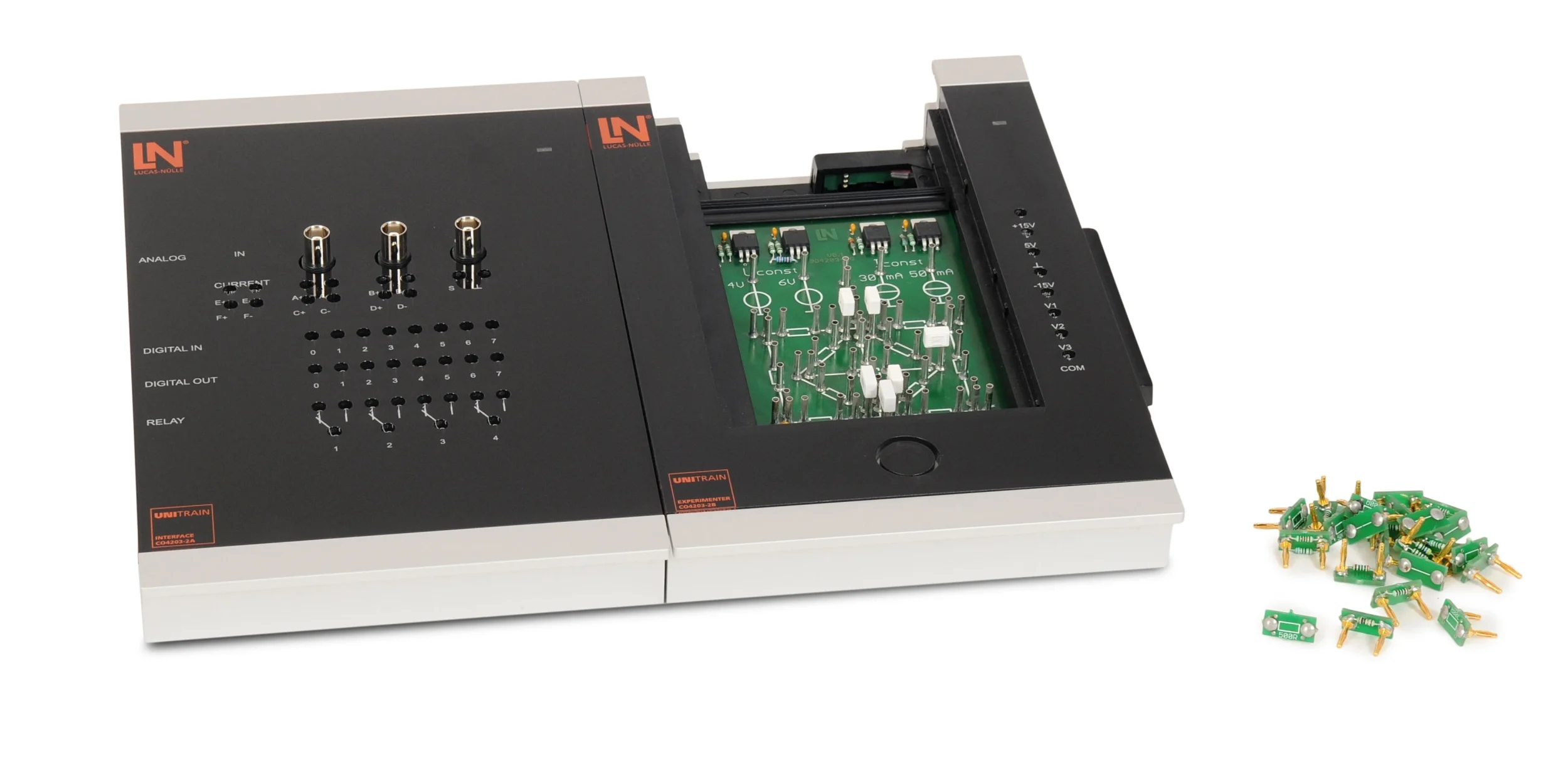
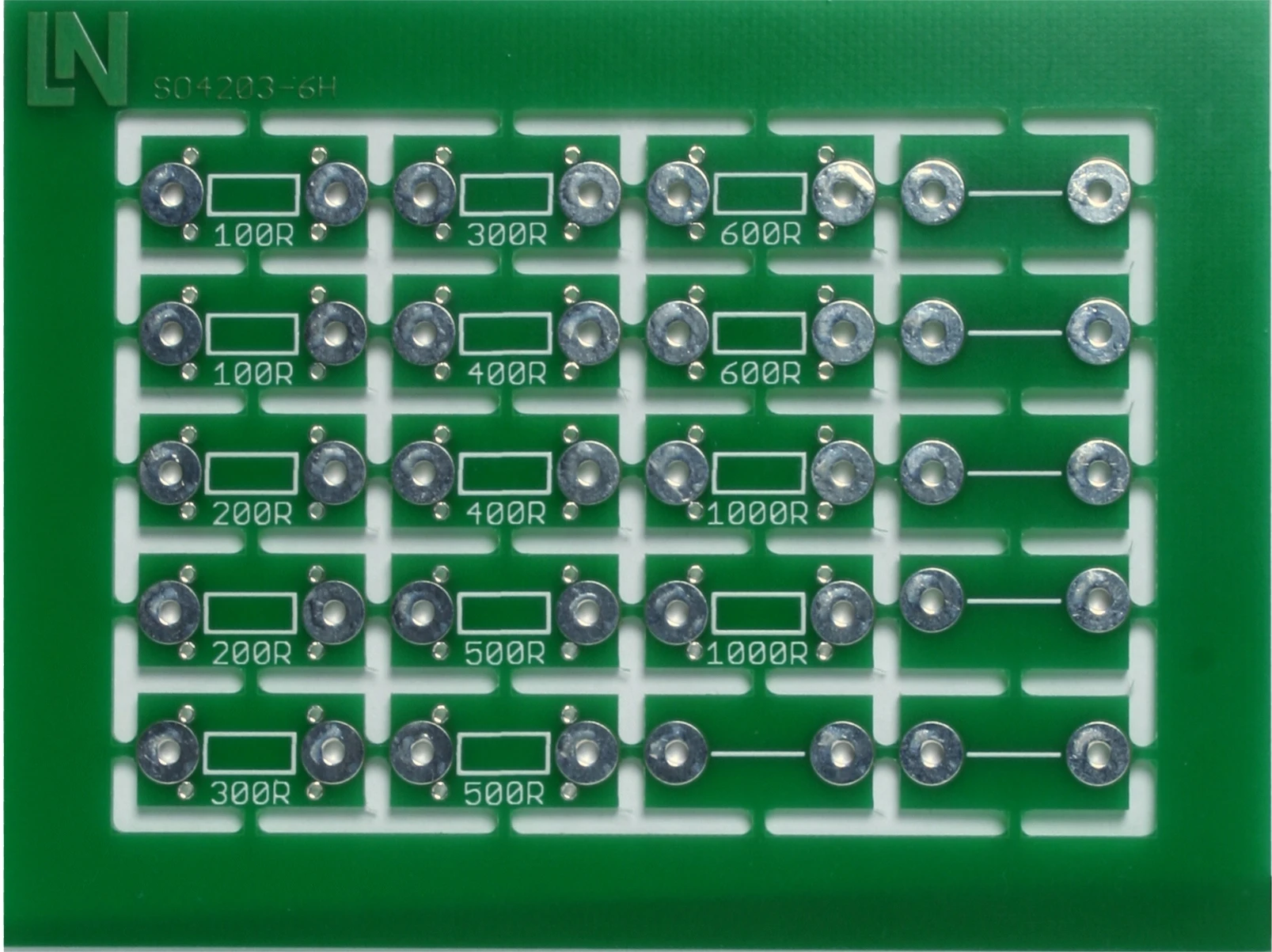
- 18-piece plug-in resistor set — Various resistors and jumpers on mini printed circuit boards allow different network topologies to be plugged together flexibly.
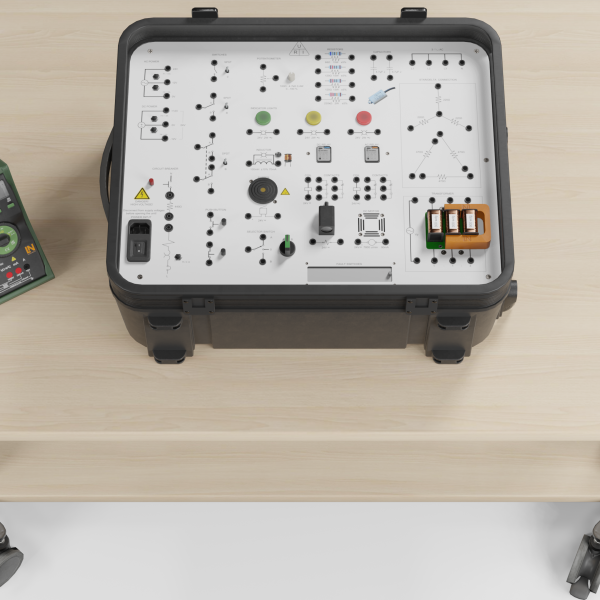
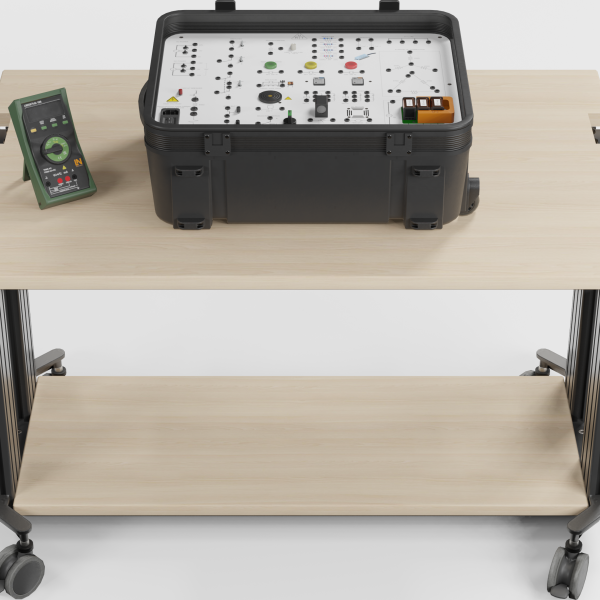
- Storage case — The robust hard-shell case with foam insert holds all the accessories and makes transport easier.
- Voltmeter — It enables precise rms and average value measurements of voltages directly on the PC interface.
- Ammeter — It enables precise rms and average value measurements of currents directly on the PC interface.

From Knowledge Comes Capability.
You guide the learning
Where theory and practice go hand in hand.
RXLea brings a new way of learning: project-based, hands-on and clearly structured. Learners solve real-world tasks, while instructors save time on preparation. Interactive modules, smart analytics and real hardware create a modern, efficient learning world.
Hands-on and interactive
Animations, interactive tasks and realistic scenarios build a deep understanding. All content is organized into clear learning paths for focused, hands-on learning.
Digital support
3D assembly animations and digital instructions simplify complex procedures, reduce errors and help learners work more independently.
Visual support
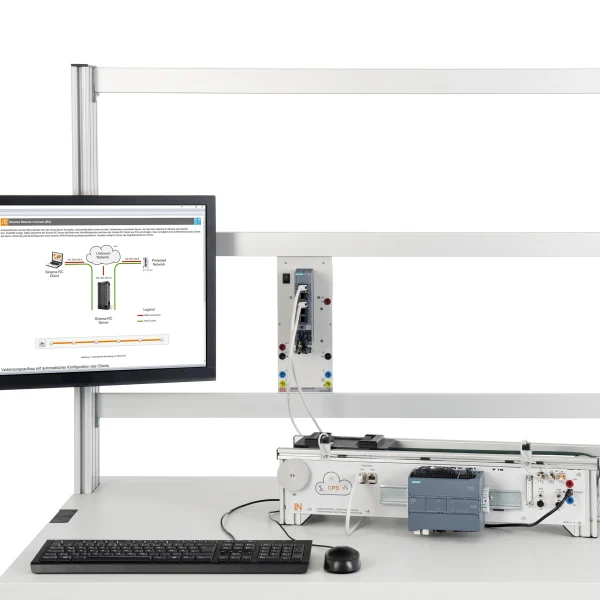
Overview graphics, screenshots and sample animations make the learning world transparent. Photos from the learning packages are also available, including country-specific versions where needed.




Stay ahead in
technical training.
Get the latest training systems, product launches and educational insights, delivered directly to your inbox.