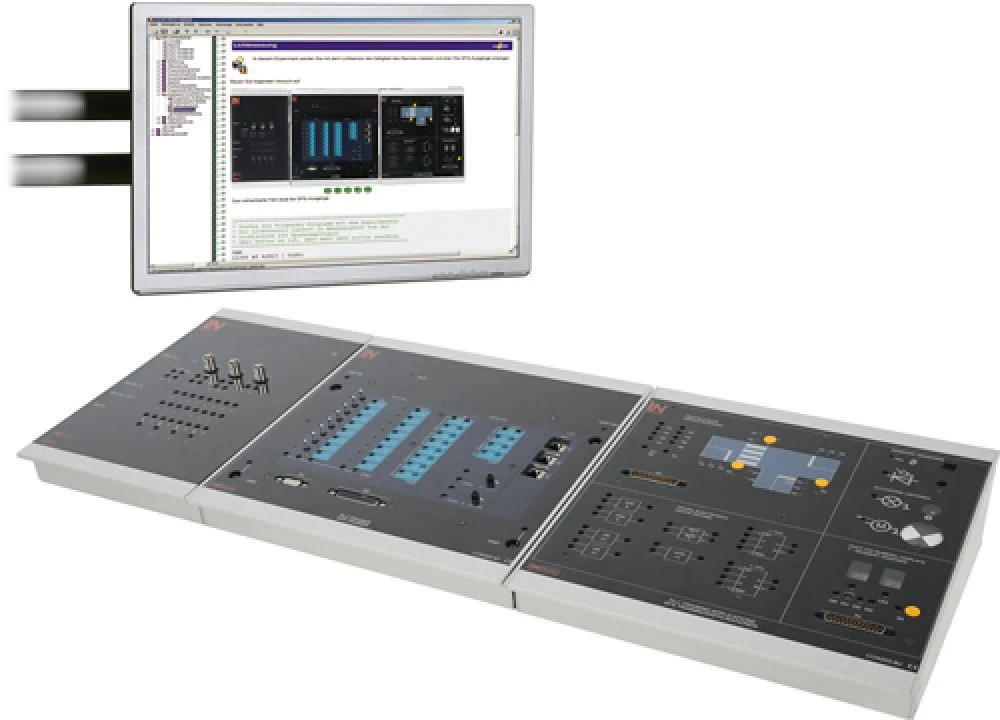



Fundamentals of PLC Technology (UniTrain)
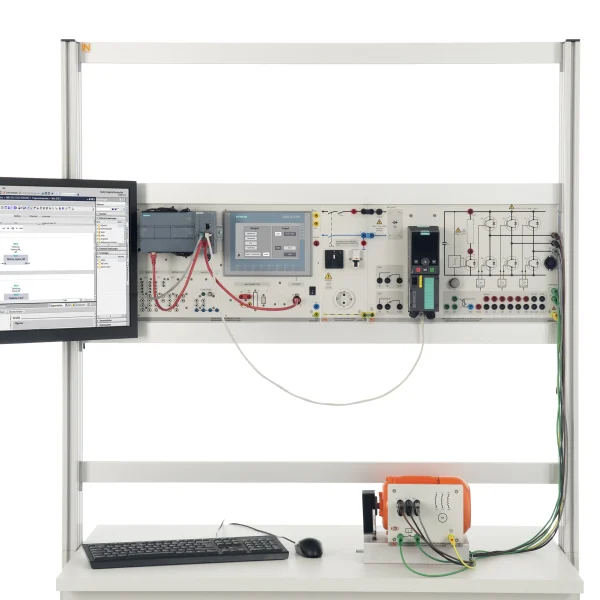
Teach the fundamentals of programmable logic controllers. Learners program real hardware with a Raspberry Pi CPU in ST, FBD and LD in accordance with IEC 61131-3.
- Understanding PLC fundamentals
- Configuring the development environment
- Basic logic operations
- Complex logic circuits
- Hardware-in-the-loop PLC trainer
- Integrated development environment
- Comprehensive application board
- Structured IEC programming
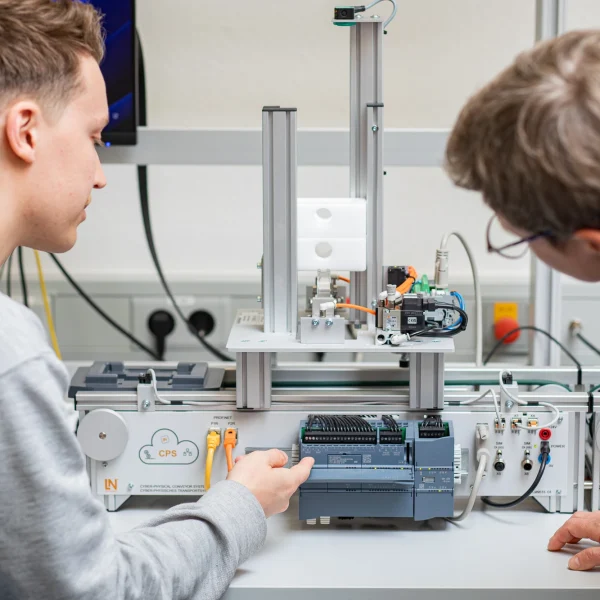
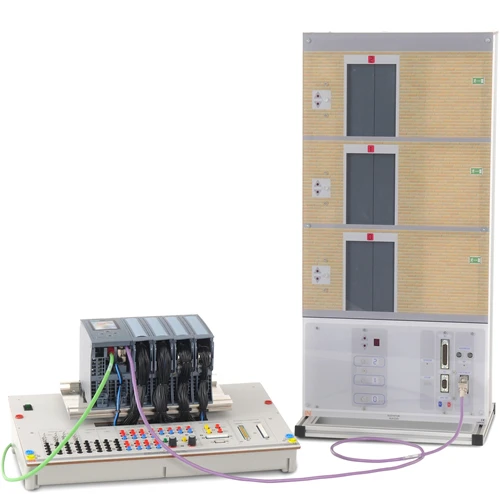
In modern industry, processes that used to be carried out manually are handled by intelligent systems. This UniTrain course gives learners a practical introduction to the world of programmable logic controllers (PLCs). They learn how sensors and actuators are logically linked and programmed to form automated sequences. Using the UniTrain hardware, they develop and test their own control programs in accordance with IEC 61131-3. With the hardware-based PLC trainer and the Raspberry Pi CPU, learners acquire fundamental competencies in industrial automation.
| Base Product | |
| CO4203-8U | PLC basic models |
Learning Content in Detail
Understanding PLC fundamentals
Configuring the development environment
Basic logic operations
Complex logic circuits
Memory functions and interlocks
Timer and counter functions
Analog value processing
Developing sequential control systems
Features & Applications
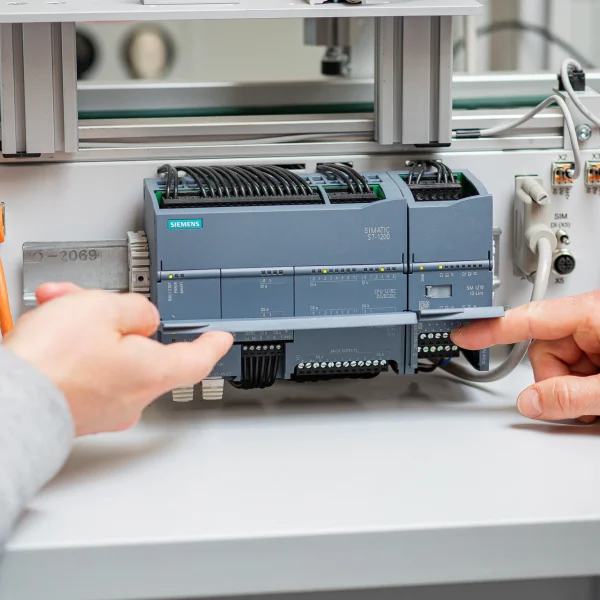
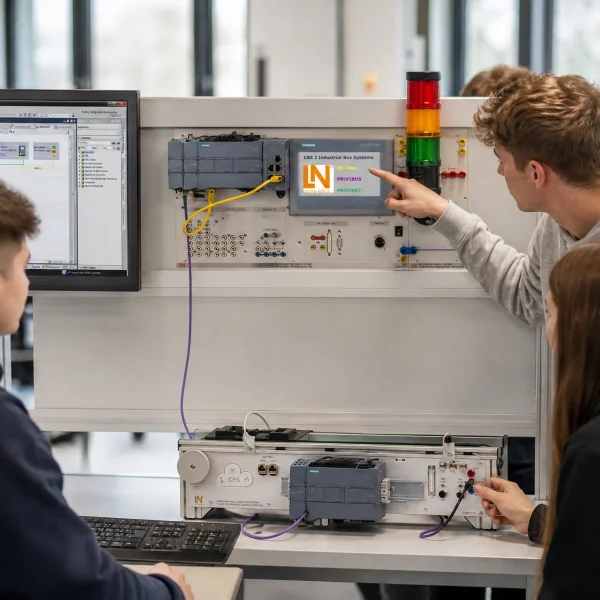
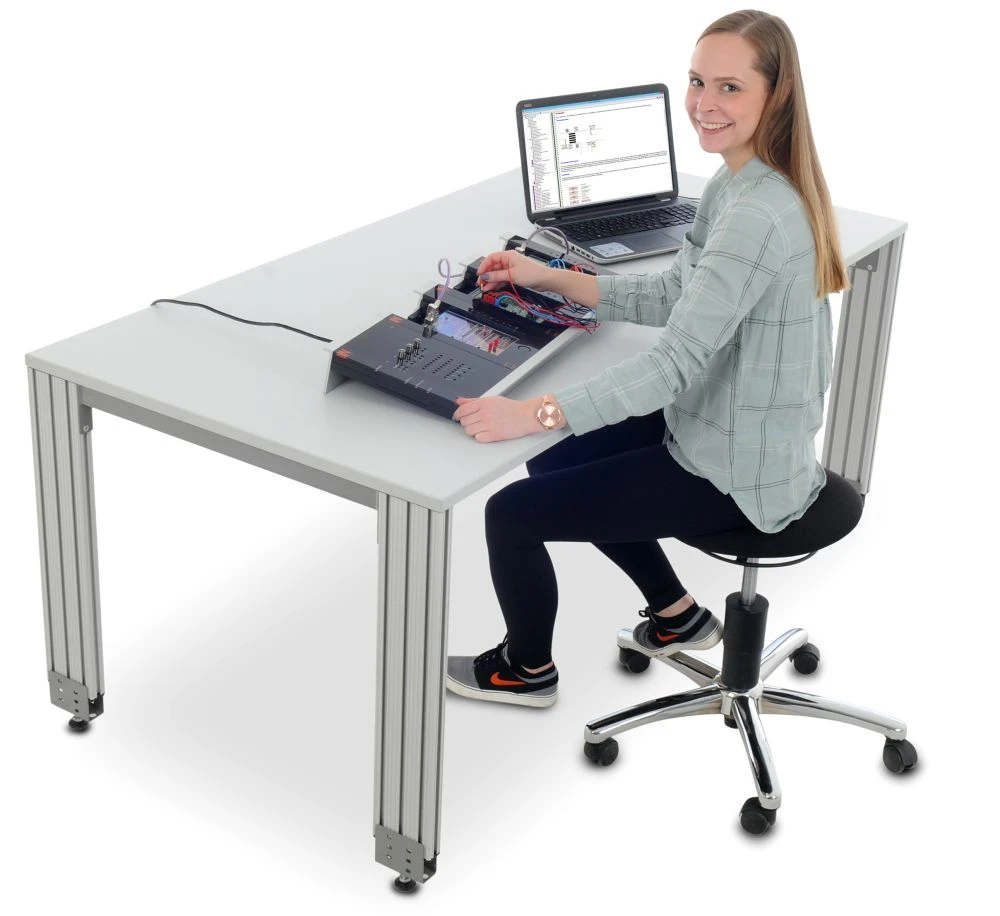
- Hardware-in-the-loop PLC trainer — The PLC trainer uses a Raspberry Pi as its CPU to provide genuine PLC functionality in accordance with IEC 61131-3 for practical experiments.
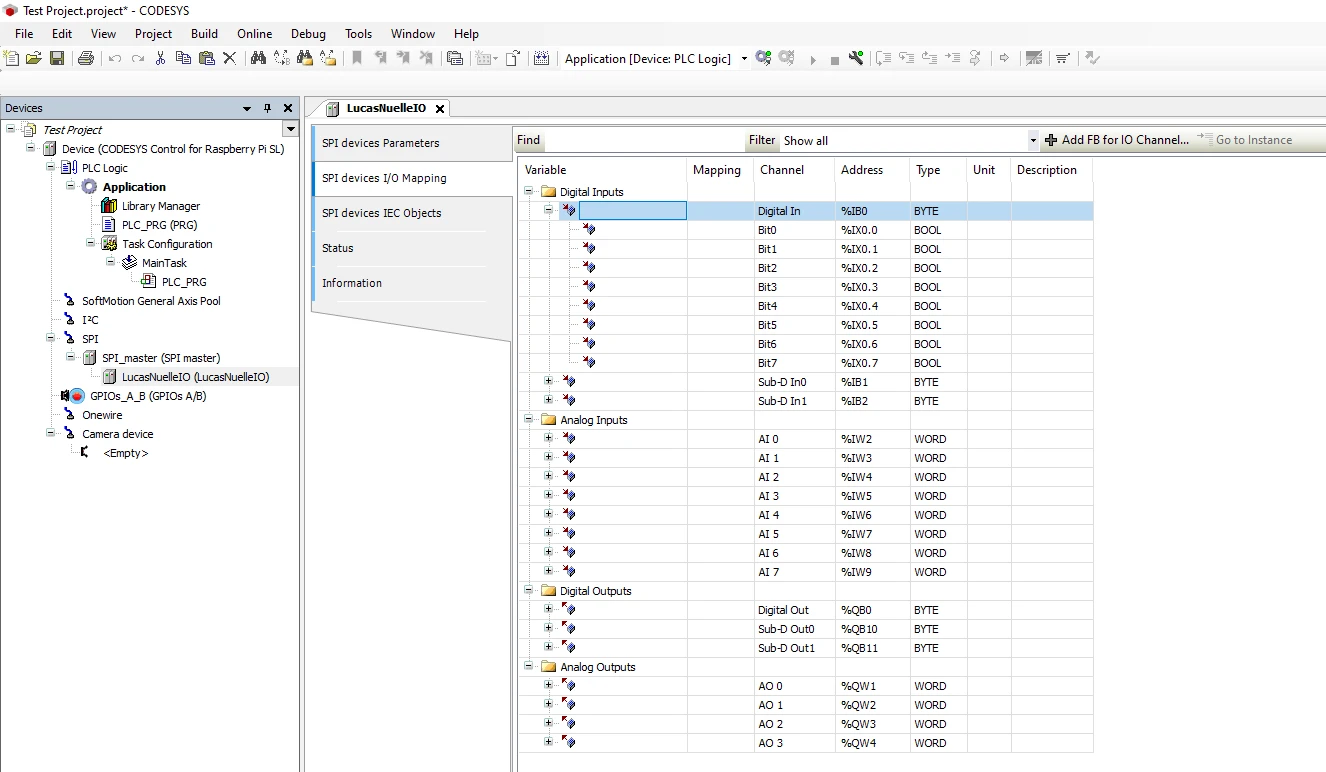
- Integrated development environment — Use the industry-standard CODESYS software for programming, simulation and fault diagnosis in ST, FBD and LD.
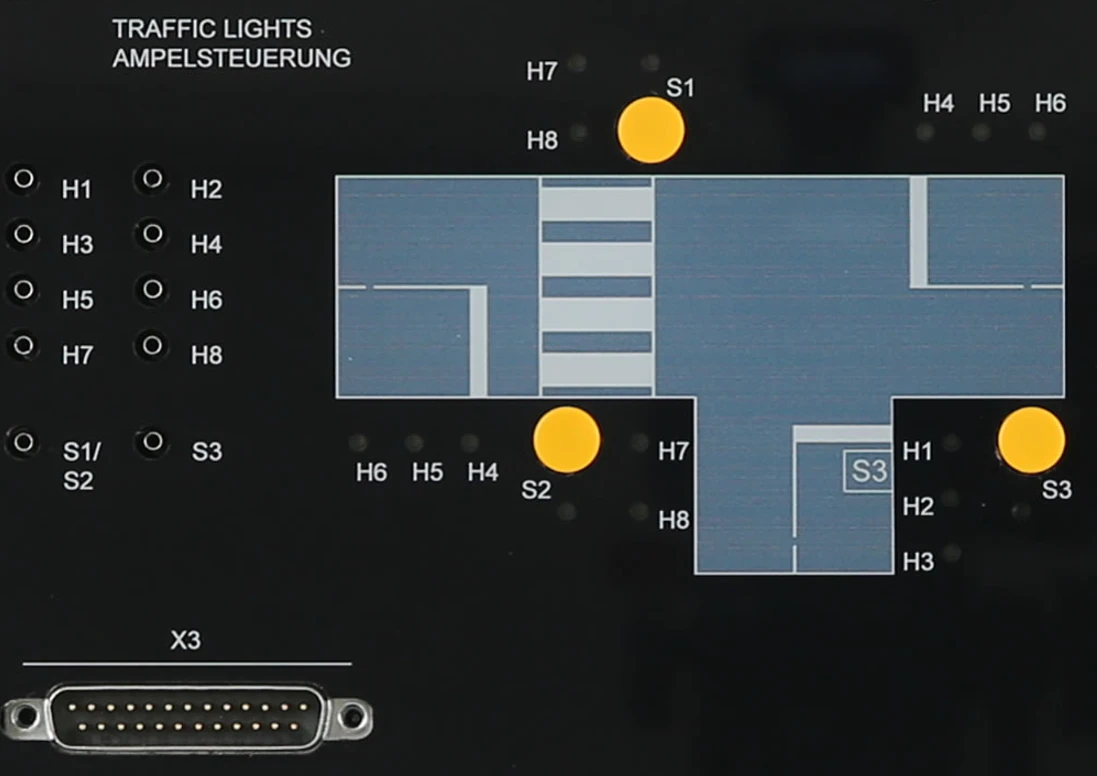
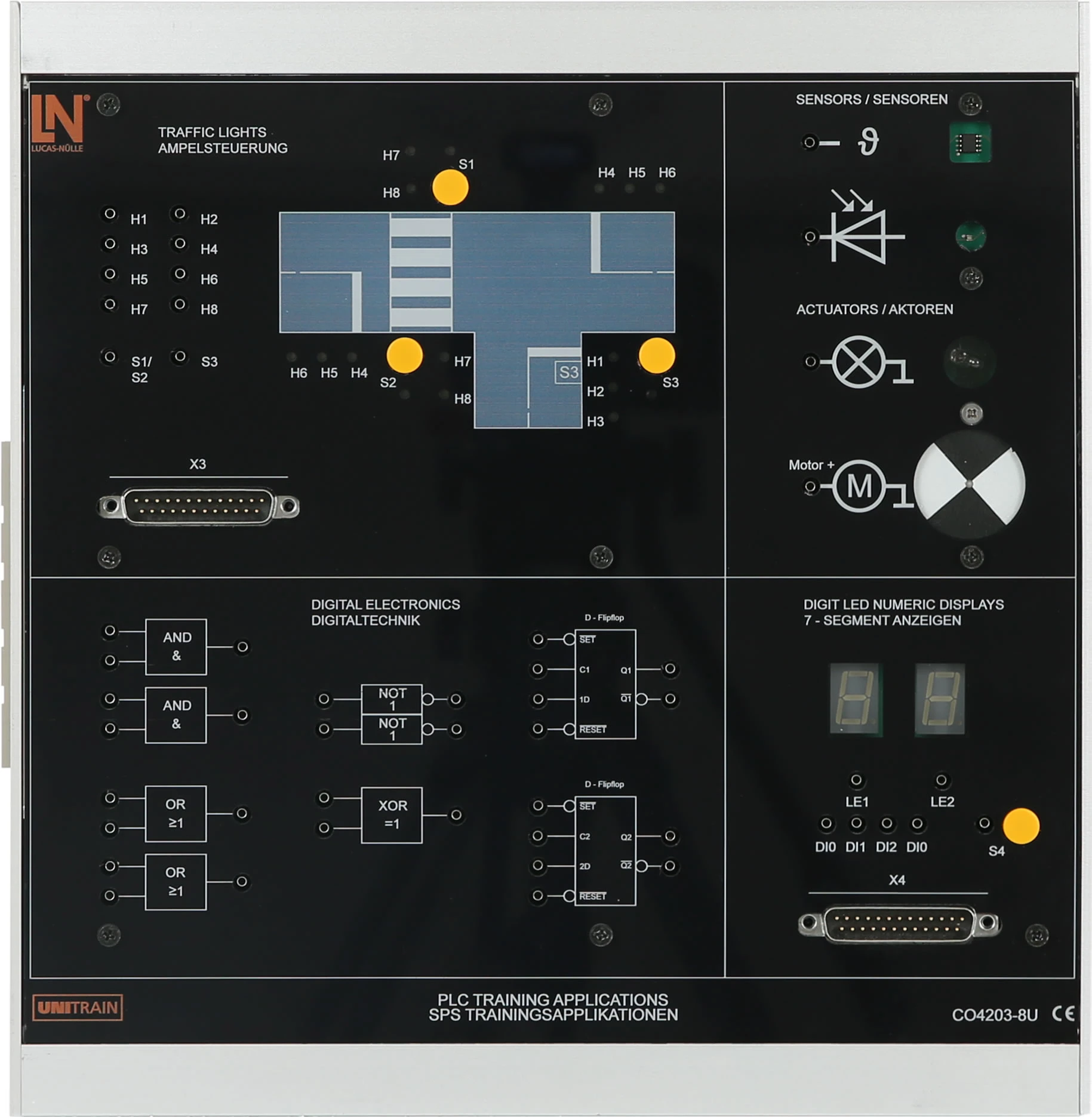
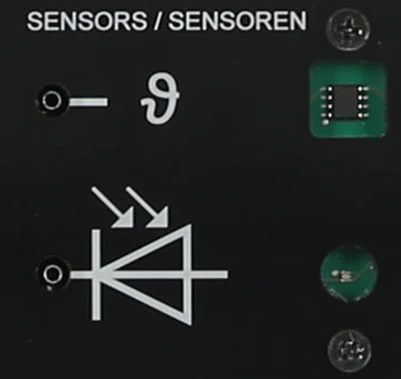
- Comprehensive application board — The board provides real sensors and actuators such as temperature and light sensors, a DC motor and a traffic light model for process simulation.
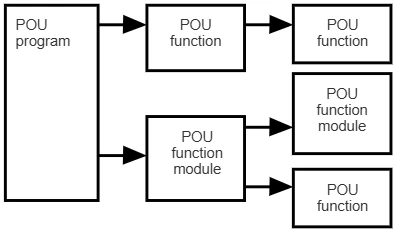
- Structured IEC programming — Learners use standardized functions and function blocks to write clean, hardware-independent code.
- Wide variety of automation tasks — Learners test everything on real hardware: from logic gates and counters to the complex step sequence control of a set of traffic lights.
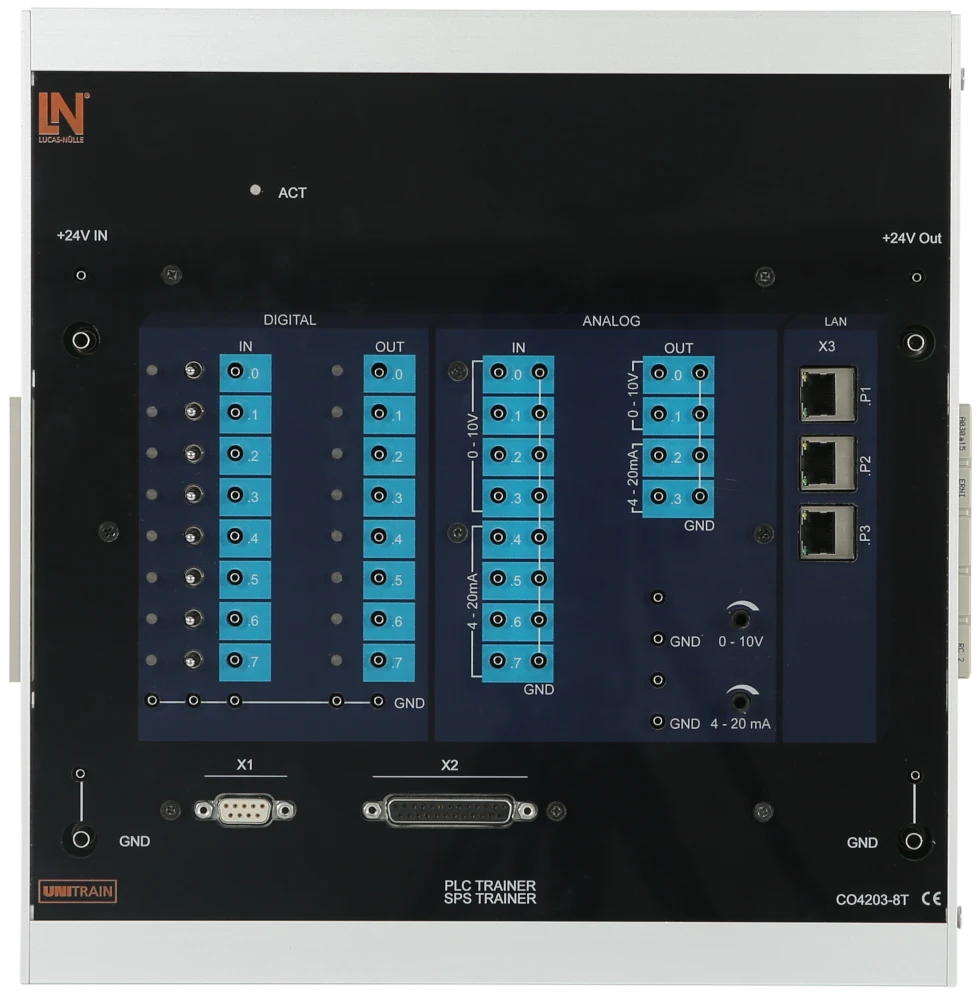
- PLC trainer experiment board — Includes a Raspberry Pi, digital inputs and outputs, analog interfaces and potentiometers for simulating analog signals.
- PLC training applications — The plug-in board provides the process hardware: temperature sensor, light sensor, DC motor, glow lamp, traffic lights and logic modules.
- CODESYS Control for Raspberry Pi — A software package enables CODESYS to recognize and program the Raspberry Pi as a fully fledged, cyclic PLC.
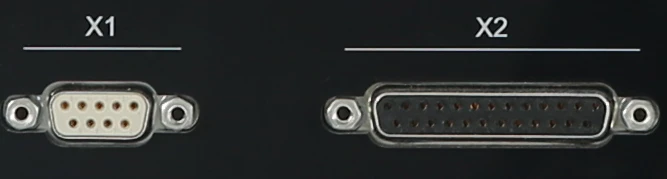
- Digital and analog I/O interfaces — Provides 2 mm jacks for flexible wiring and 25-pin D-sub connectors for direct bus connection to the application board.
- Interactive traffic light simulation — The traffic light model with pedestrian request button and induction loop allows complex, event-driven sequential control systems to be developed.
- Temperature sensor — The bimetallic NC contact integrated in the motor provides hardware-based temperature monitoring to protect the system.
- CODESYS V3.5 IDE — Industry-standard software for creating programs. Learners use the IDE for declaring, compiling and online debugging.
- Direct control of the hardware pins — Dedicated libraries integrate the Raspberry Pi’s hardware pins seamlessly into CODESYS so that inputs and outputs can be controlled directly.

From Knowledge Comes Capability.
You guide the learning
Where theory and practice go hand in hand.
RXLea brings a new way of learning: project-based, hands-on and clearly structured. Learners solve real-world tasks, while instructors save time on preparation. Interactive modules, smart analytics and real hardware create a modern, efficient learning world.
Hands-on and interactive
Animations, interactive tasks and realistic scenarios build a deep understanding. All content is organized into clear learning paths for focused, hands-on learning.
Digital support
3D assembly animations and digital instructions simplify complex procedures, reduce errors and help learners work more independently.
Visual support
Overview graphics, screenshots and sample animations make the learning world transparent. Photos from the learning packages are also available, including country-specific versions where needed.




Stay ahead in
technical training.
Get the latest training systems, product launches and educational insights, delivered directly to your inbox.