

LIN Bus in Automotive
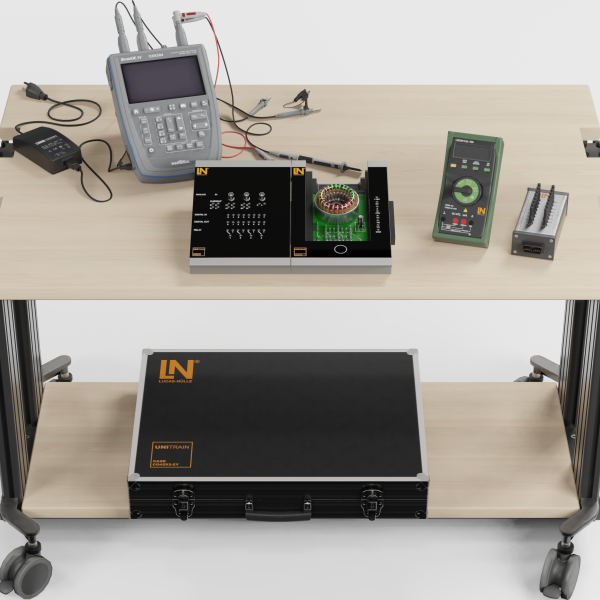
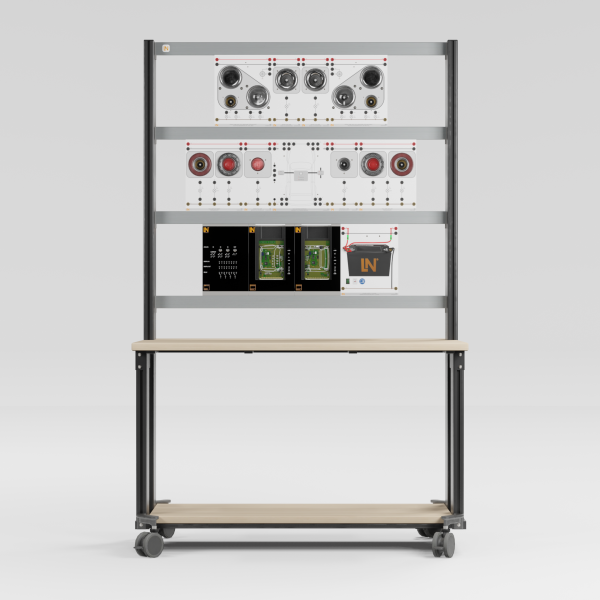
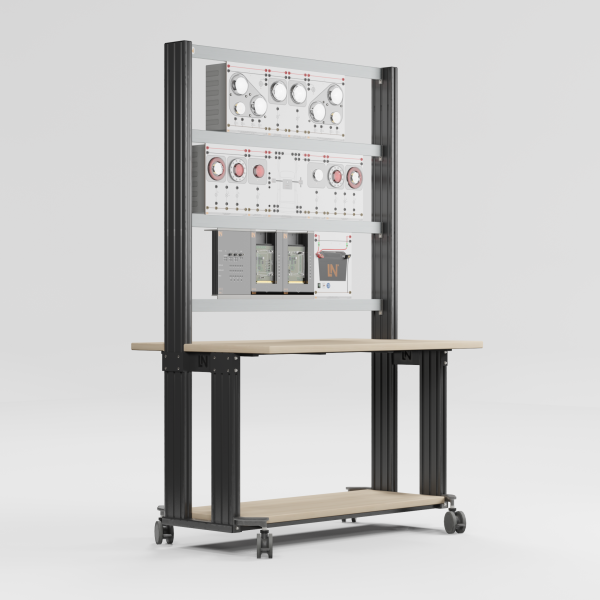
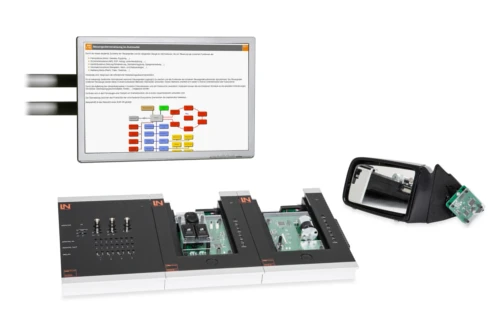
Learners master signal generation, protocol structures and systematic troubleshooting in LIN sub-buses. The training system offers hands-on diagnostics on real vehicle components from the comfort and convenience area.
- Checking signal generation
- Analyzing message structure
- Data transmission rates
- Identifying protocol fields
- Wiring harness representation
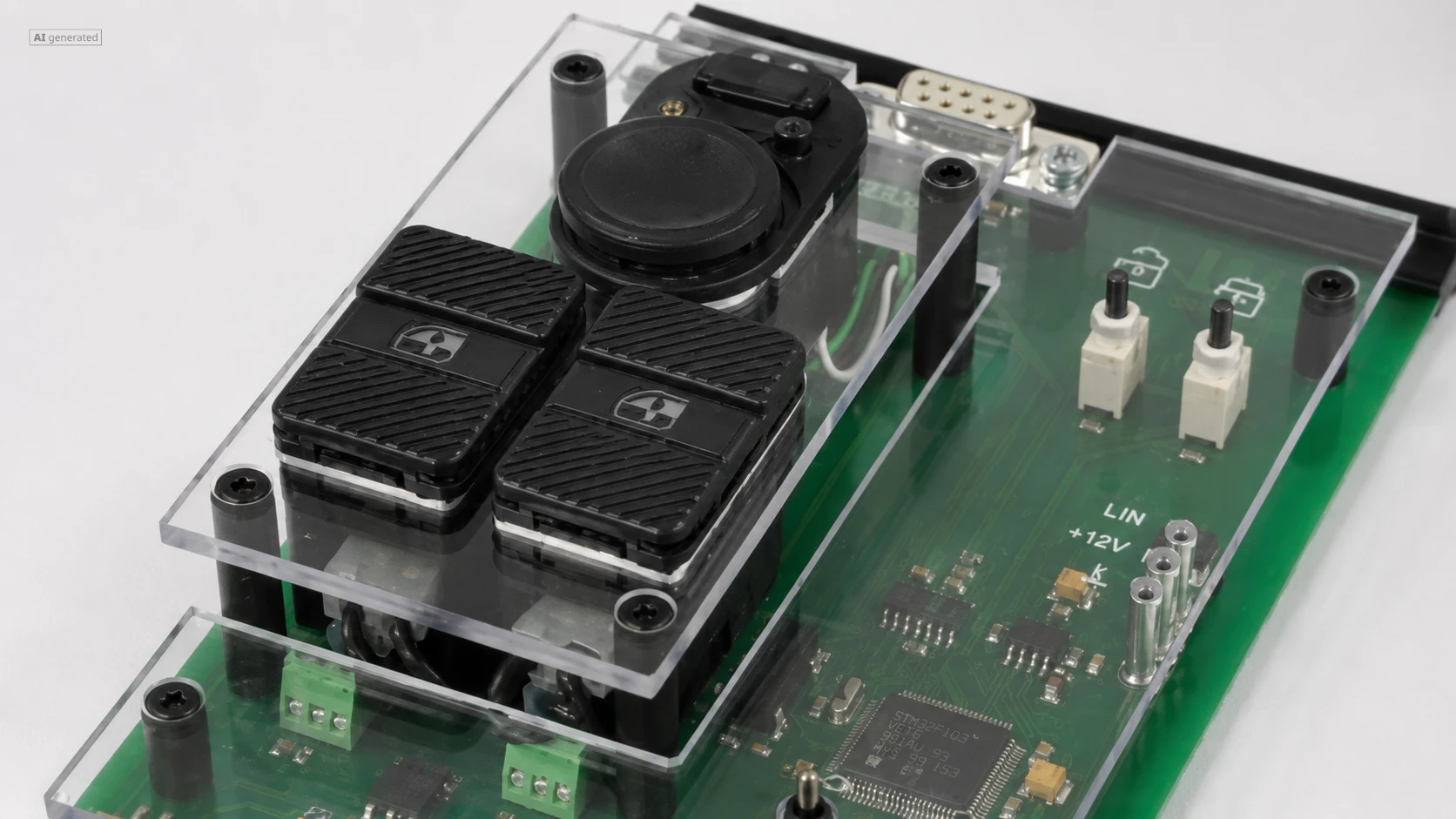
- Power window rocker switches
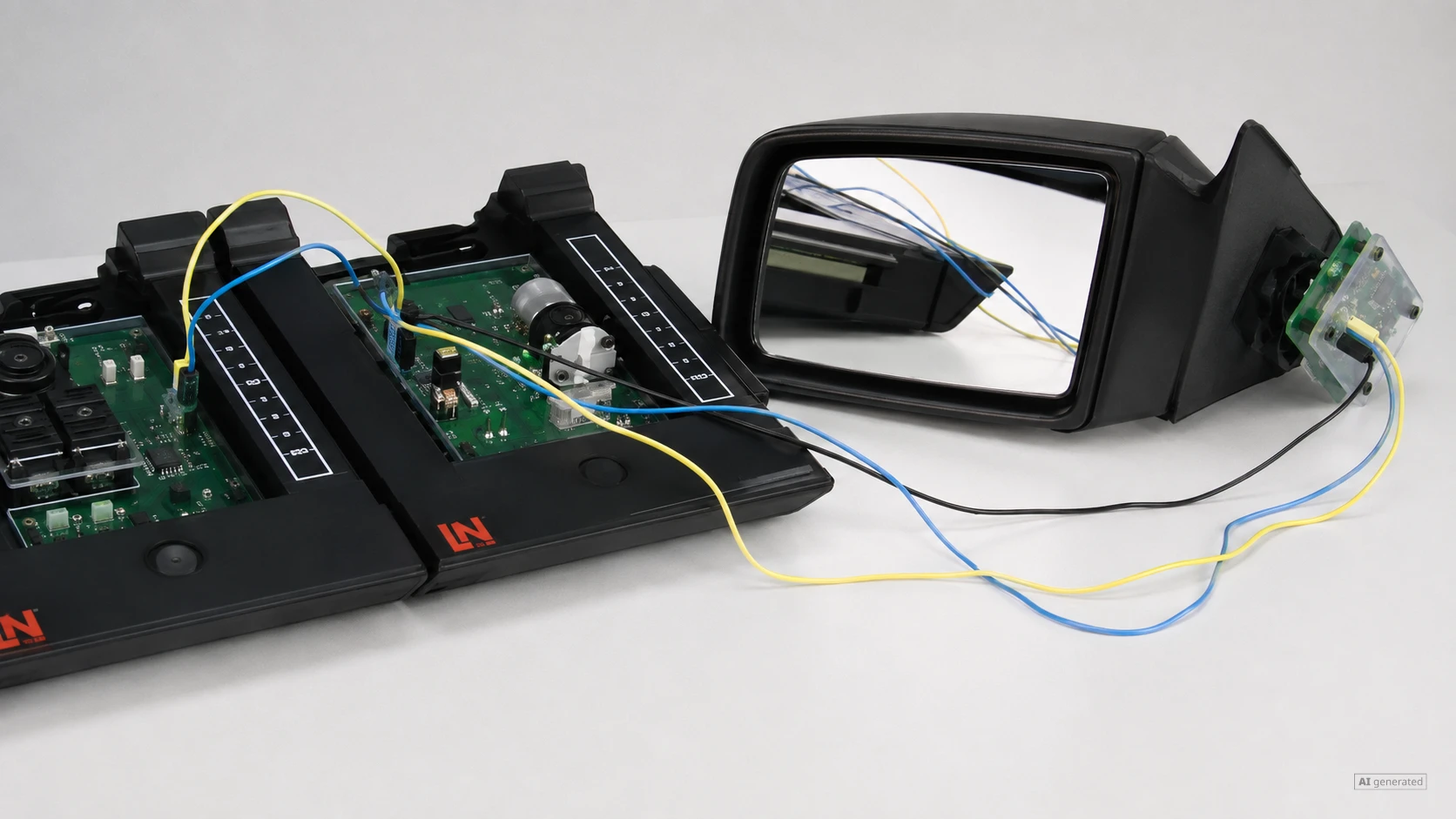
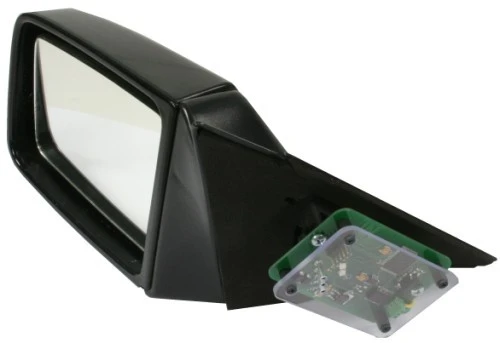
- Movable exterior mirror
- Signal asymmetry circuit
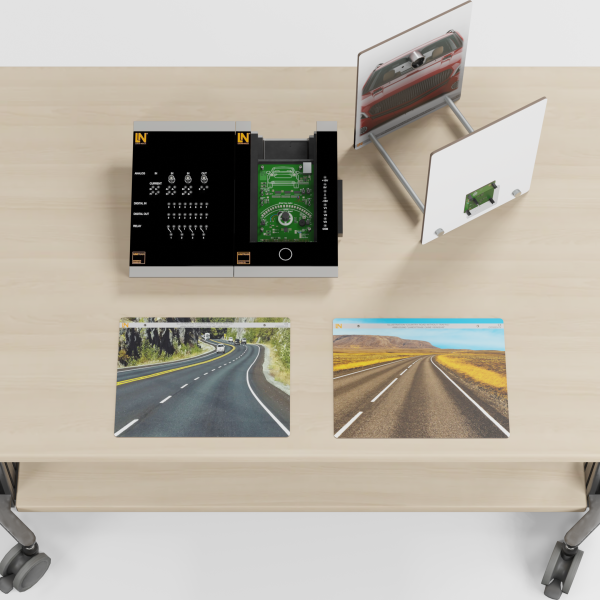
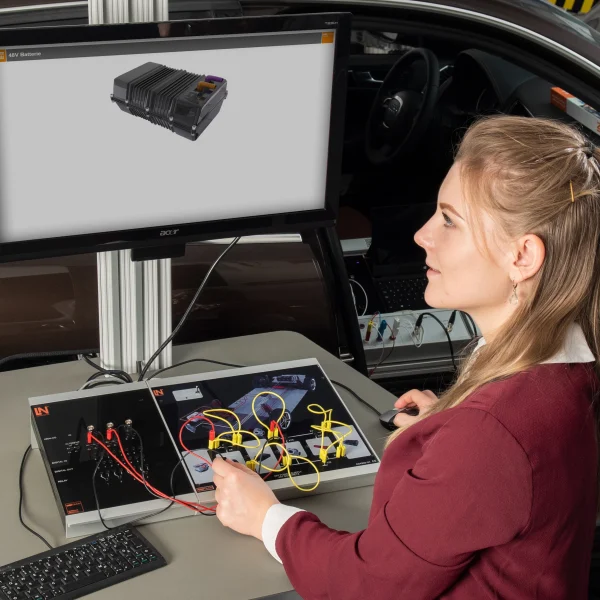
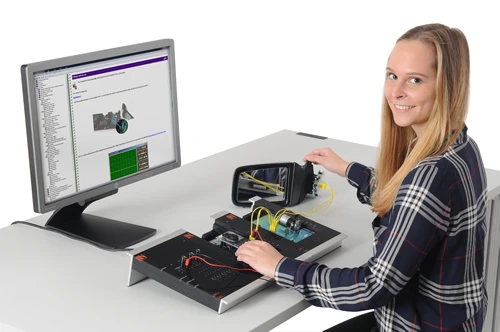
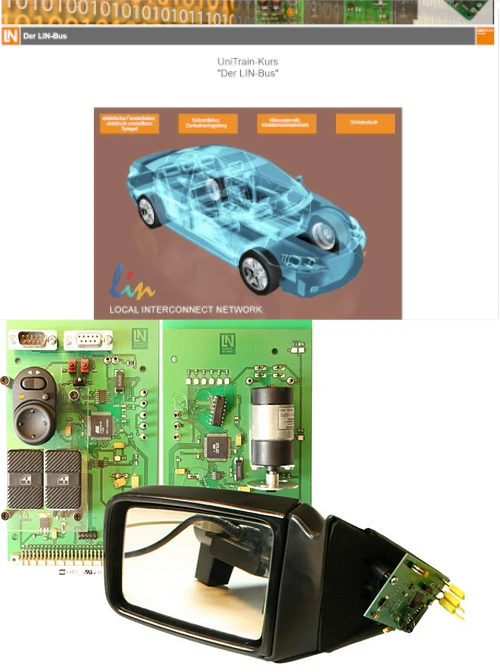
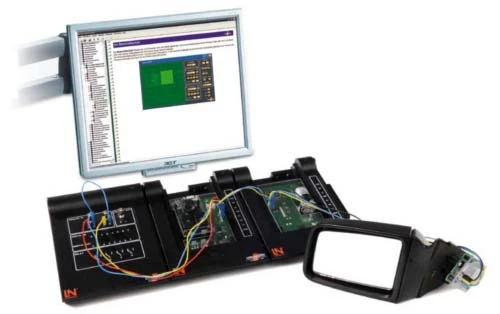
The increasing density of functions in modern vehicles calls for low-cost sub-buses. With this UniTrain course, learners gain a precise understanding of master-slave access control. The system is based on the physical coupling of a master control unit with intelligent slave actuators via a serial single-wire line. On the real door model, learners control the mirror or power window and read out the data traffic via the software monitor. In this way, they acquire in-depth knowledge of fault diagnosis and measurement technology on single-wire bus systems in automotive comfort and convenience electronics.
| Base Product | |
| CO4204-7E | Course: LIN bus in automotive |
| CO4203-2A | UniTrain Interface mit virtuellen Instrumenten (Basis VI) |
| CO4203-2J | UniTrain measurement accessories, shunts and connection cables |
| CO4203-2Y | UniTrain storage case for one UniTrain system |
| CO4203-2B | UniTrain Experimenter |
Learning Content in Detail
Checking signal generation
Analyzing message structure
Data transmission rates
Identifying protocol fields
Master-slave principle
Tamper protection
Reading out data traffic
Systematic fault diagnosis
Features & Applications
- Wiring harness representation — The board compares the 7-wire mirror wiring with the 3-wire bus cable. Learners immediately see the savings in material.
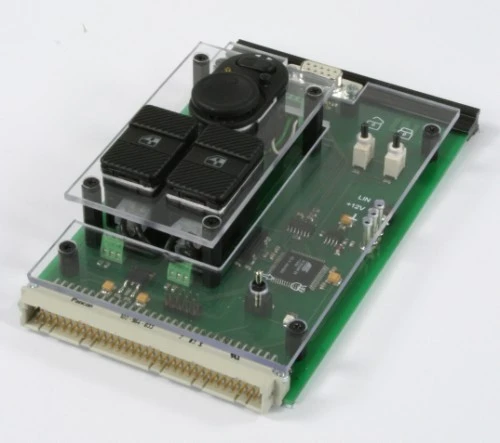
- Power window rocker switches — Two toggle switches activate the DC motor. Learners operate the rockers and trigger visible changes in the direction of rotation.
- Movable exterior mirror — The system integrates a real mirror housing. Learners observe the mirror physically tilting immediately after the bus command.
- Signal asymmetry circuit — A rotary control inserts artificial contact resistances. The oscilloscope shows an asymmetrical drop in the levels.
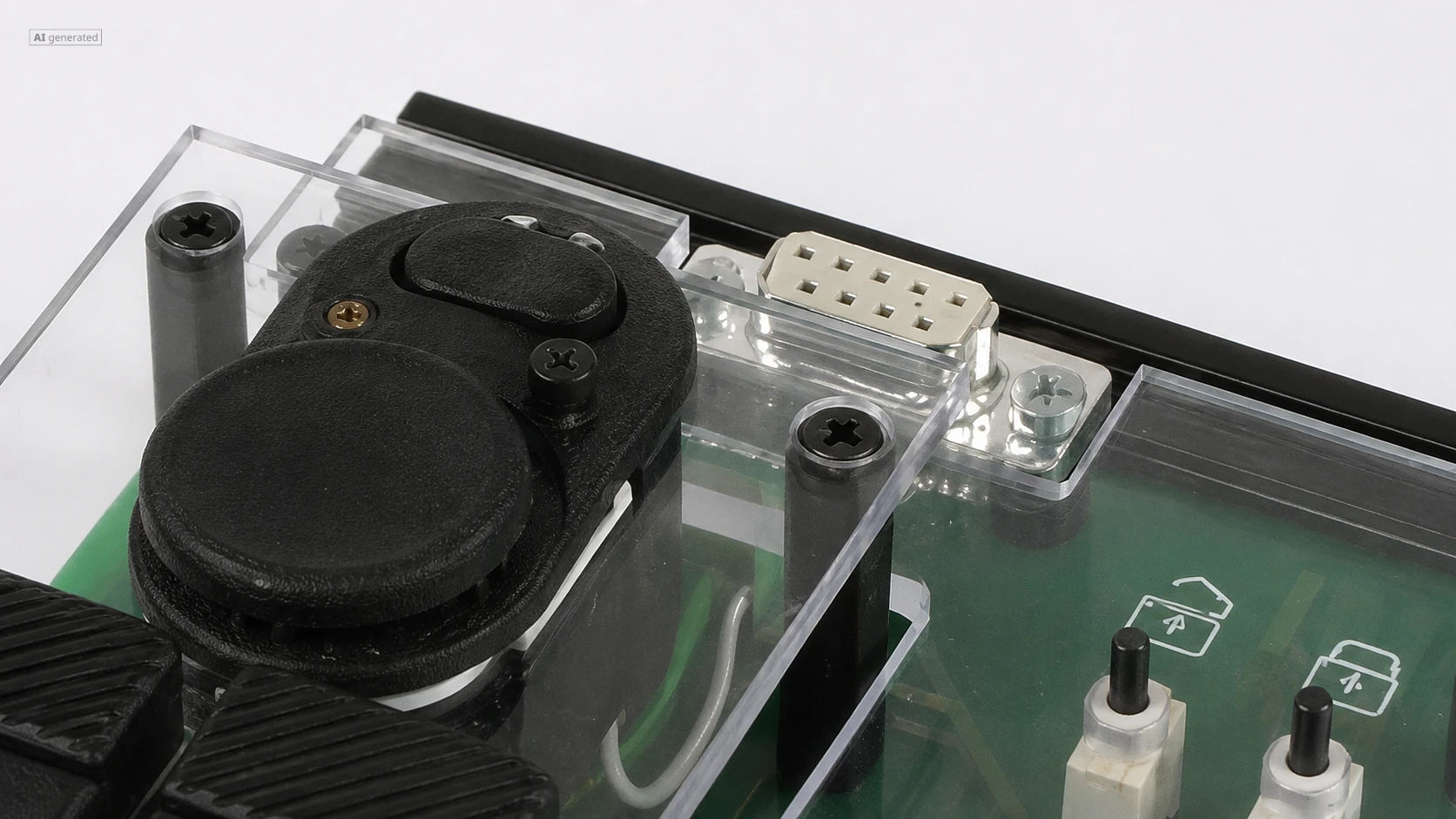
- Master control unit — The card simulates the door control unit with mirror joystick, central locking button and turn signal toggle switch.
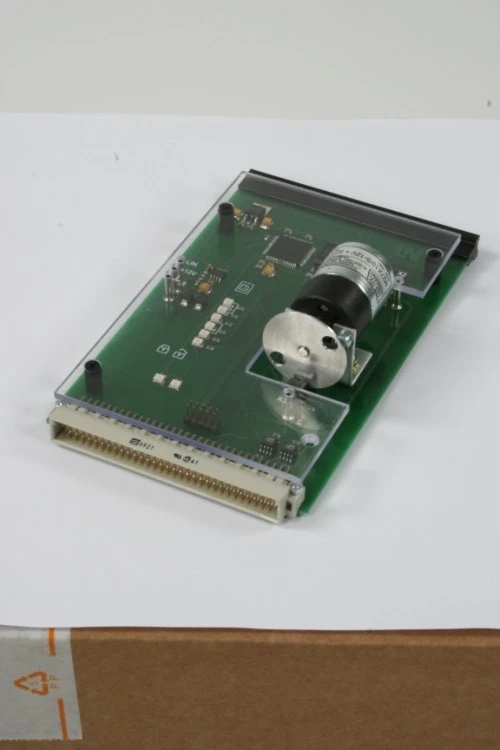
- Slave power window card — The module contains the motor and a gear segment. A potentiometer serves as a sensor for detecting the window position.
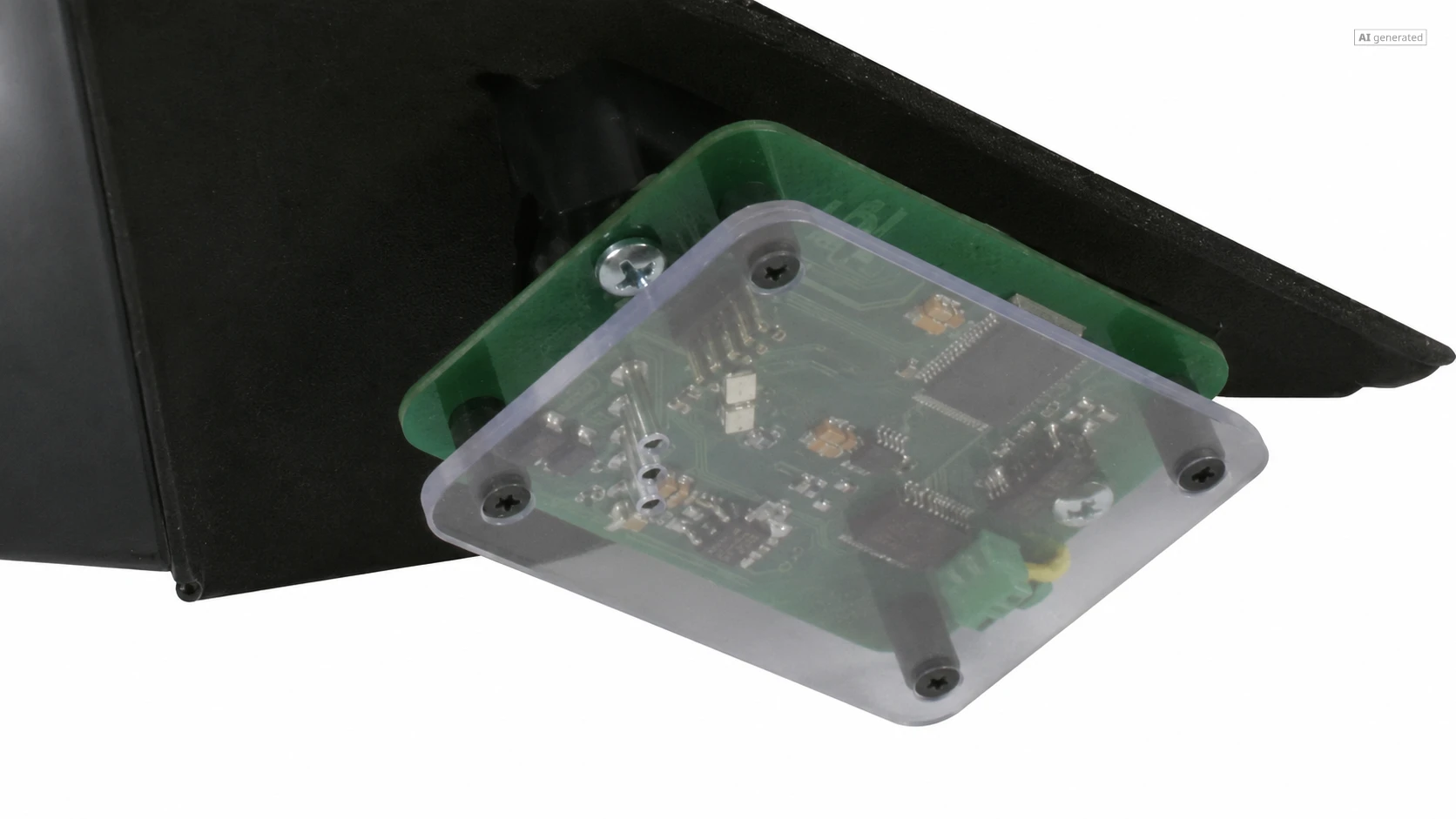
- Mirror slave board — The board sits on the mirror base. LEDs flash brightly to indicate transmit and receive operations visually.
- Transceiver output stage — The output stage shows the circuit. It pulls the bus voltage down to ground (dominant) or blocks (recessive).
- Real-time protocol analyzer — The instrument decodes the single-wire data stream live. Learners read identifiers and data bytes from the color-coded display.

From Knowledge Comes Capability.
You guide the learning
Where theory and practice go hand in hand.
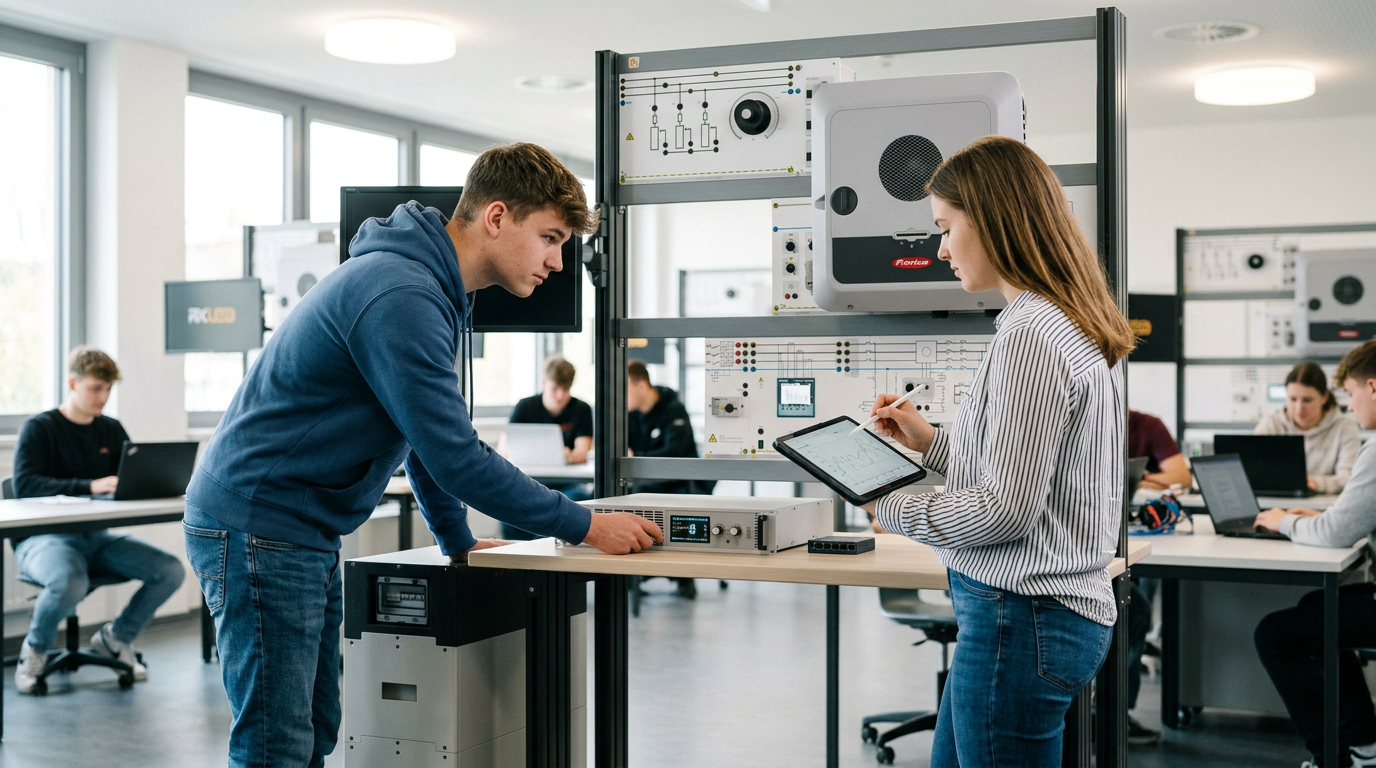
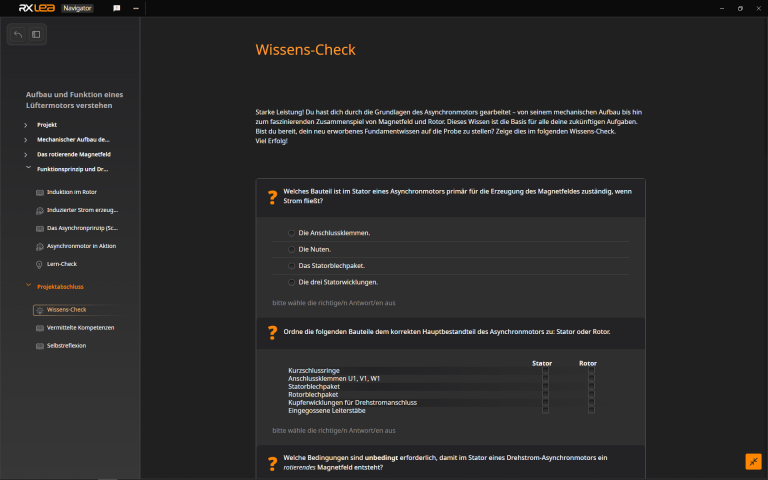
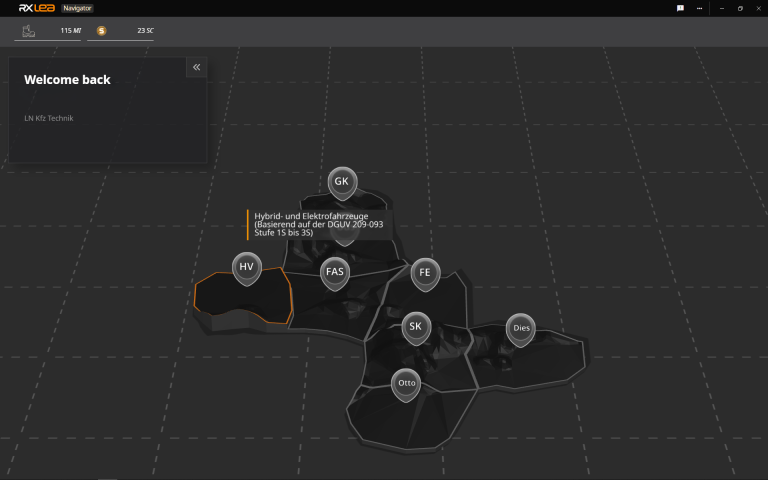
RXLea brings a new way of learning: project-based, hands-on and clearly structured. Learners solve real-world tasks, while instructors save time on preparation. Interactive modules, smart analytics and real hardware create a modern, efficient learning world.
Hands-on and interactive
Animations, interactive tasks and realistic scenarios build a deep understanding. All content is organized into clear learning paths for focused, hands-on learning.
Digital support
3D assembly animations and digital instructions simplify complex procedures, reduce errors and help learners work more independently.
Visual support
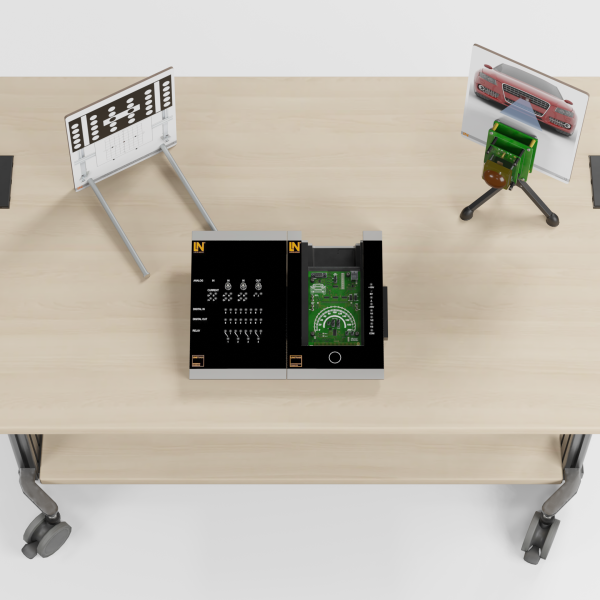
Overview graphics, screenshots and sample animations make the learning world transparent. Photos from the learning packages are also available, including country-specific versions where needed.

Stay ahead in
technical training.
Get the latest training systems, product launches and educational insights, delivered directly to your inbox.